Illustrative images
Vesicularia ferriei 'Weeping'
Vesicularia ferriei 'Weeping'
Overview
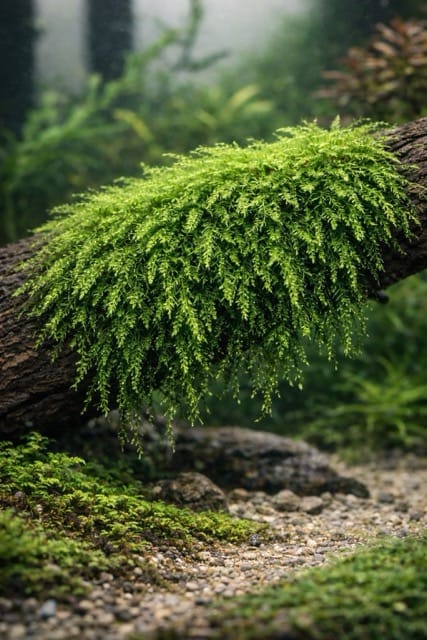
Vesicularia ferriei 'Weeping', commonly known as Weeping Moss, is a popular aquatic plant that adds a unique charm to freshwater aquariums. This moss is appreciated for its delicate, weeping appearance which creates a natural, lush look in aquascapes. Its flowing nature mimics the gentle movement of water, making it a favorite among aquarists looking to create a serene underwater environment.
Natural Habitat
Weeping Moss is generally found in slow-moving waters in Southeast Asia. It typically grows on various surfaces like rocks and logs, forming dense mats that provide shelter and breeding grounds for fish and invertebrates. In a tank setting, this moss can replicate those natural conditions effectively.
Care Requirements
Tank Setup
To cultivate Vesicularia ferriei 'Weeping' successfully, it's important to create an environment that mimics its natural habitat. This moss thrives in a well-lit aquarium with plenty of water movement. It can be attached to driftwood or rocks using fishing line or thread, allowing it to spread and create a lush carpet over time.
Water Parameters
This moss prefers soft, slightly acidic to neutral water conditions but is generally adaptable. A temperature range of 20°C to 28°C (68°F to 82°F) is favorable for its growth.
Lighting
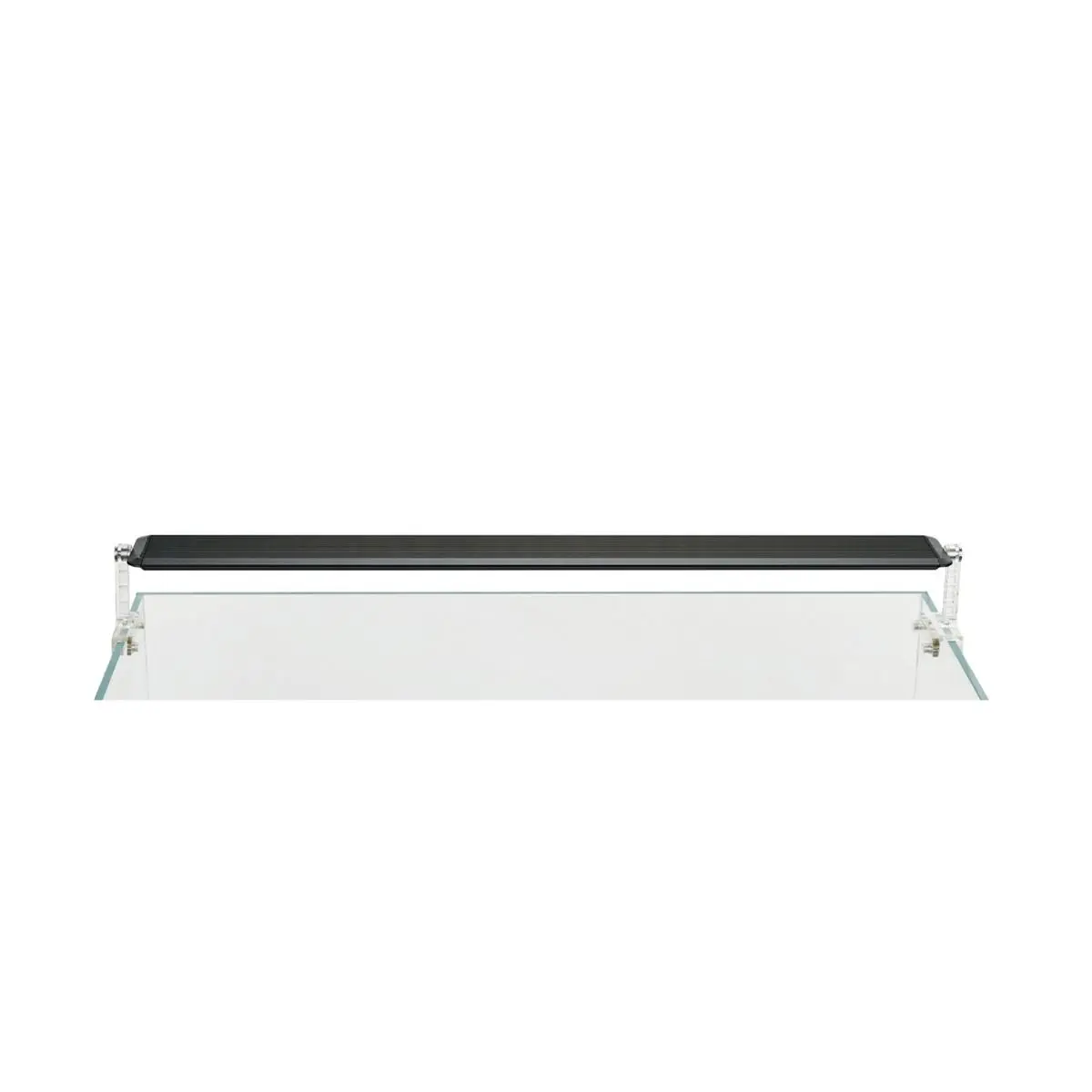
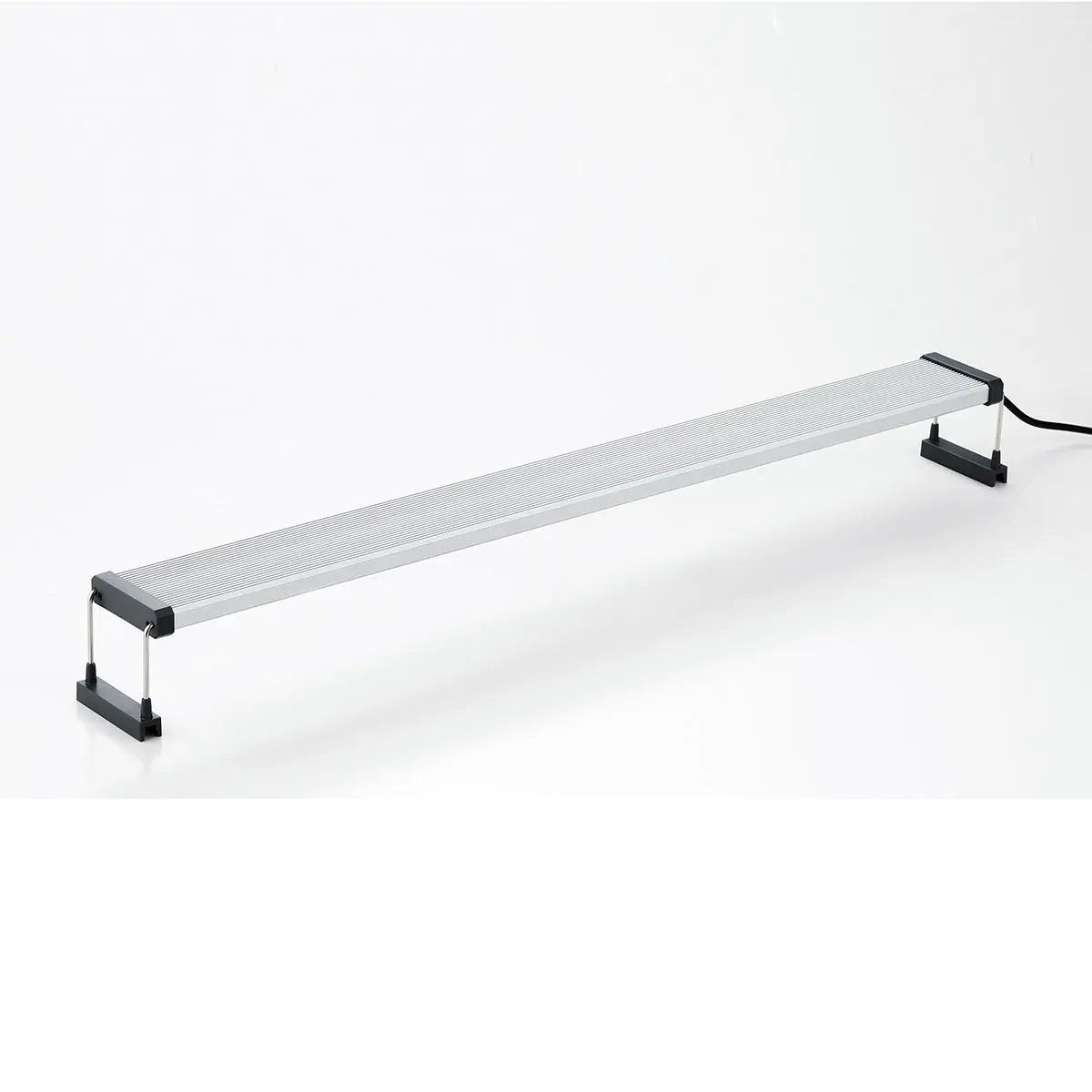
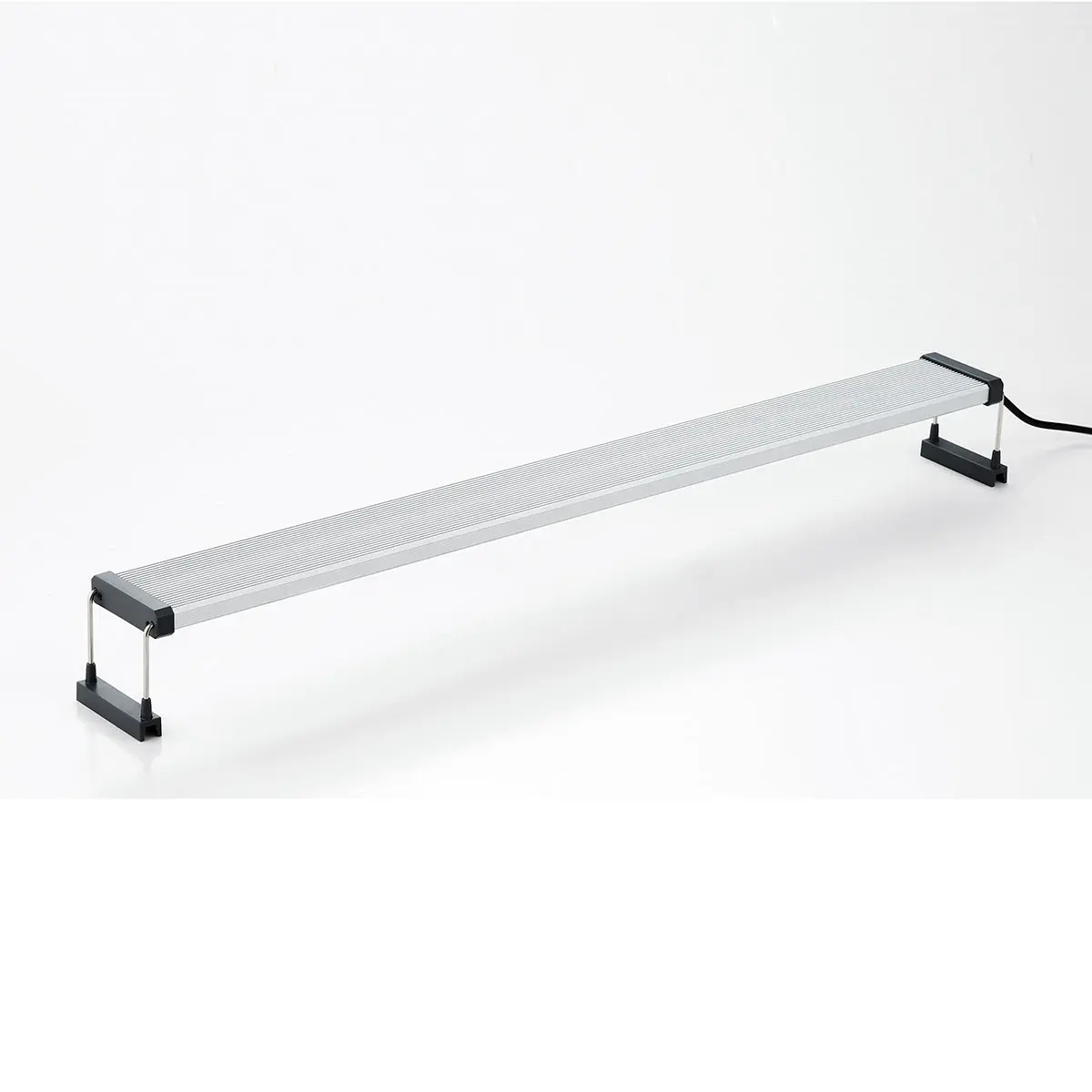
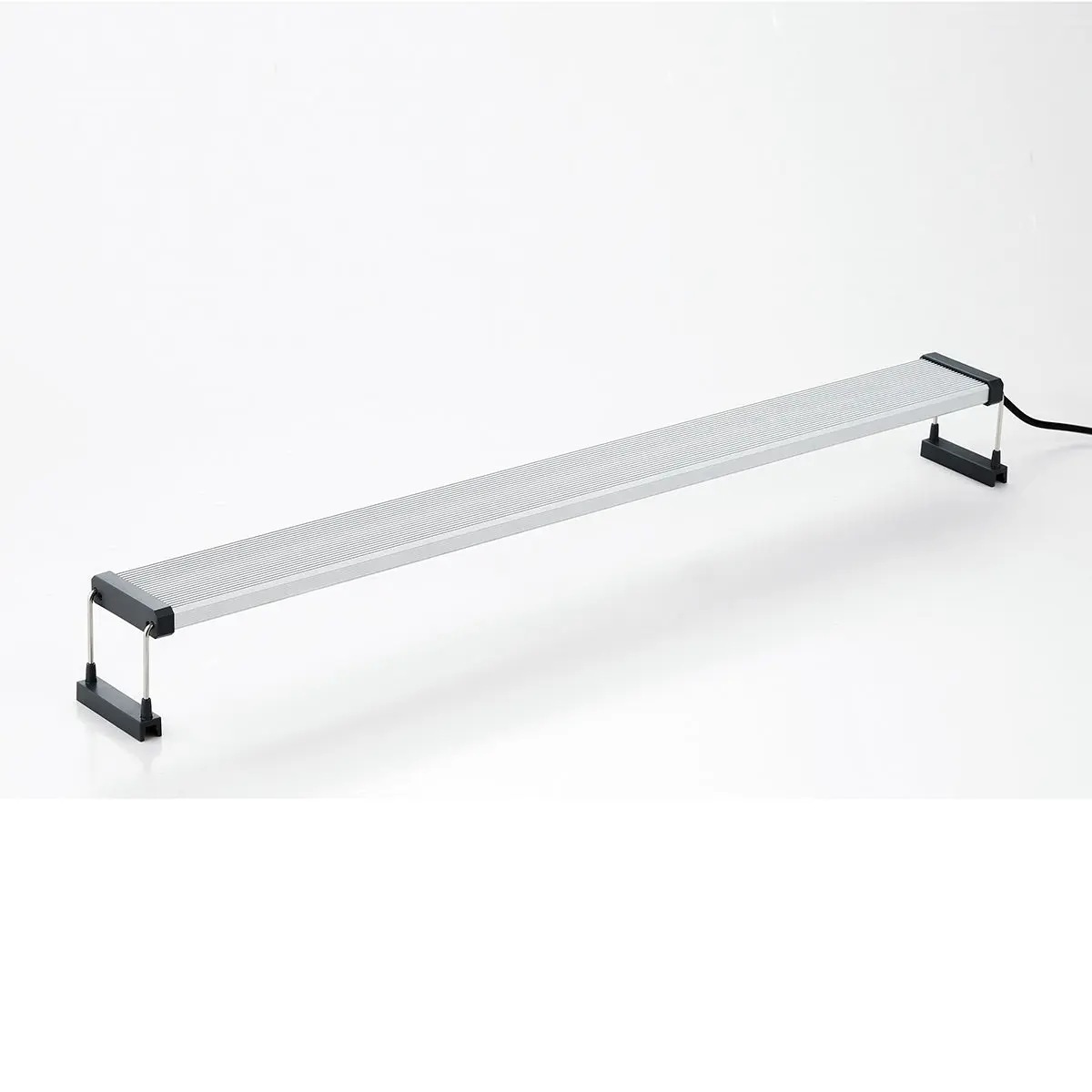
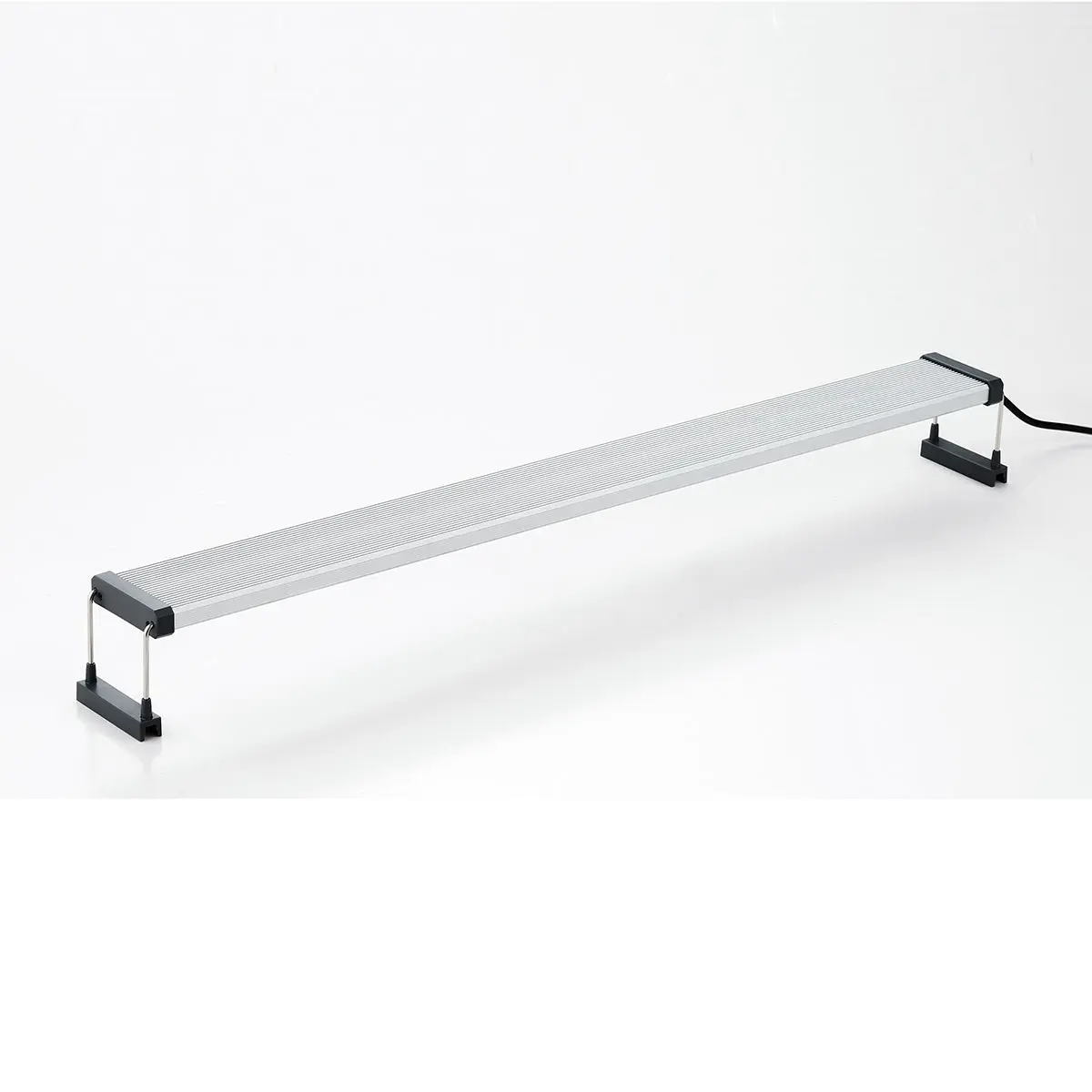
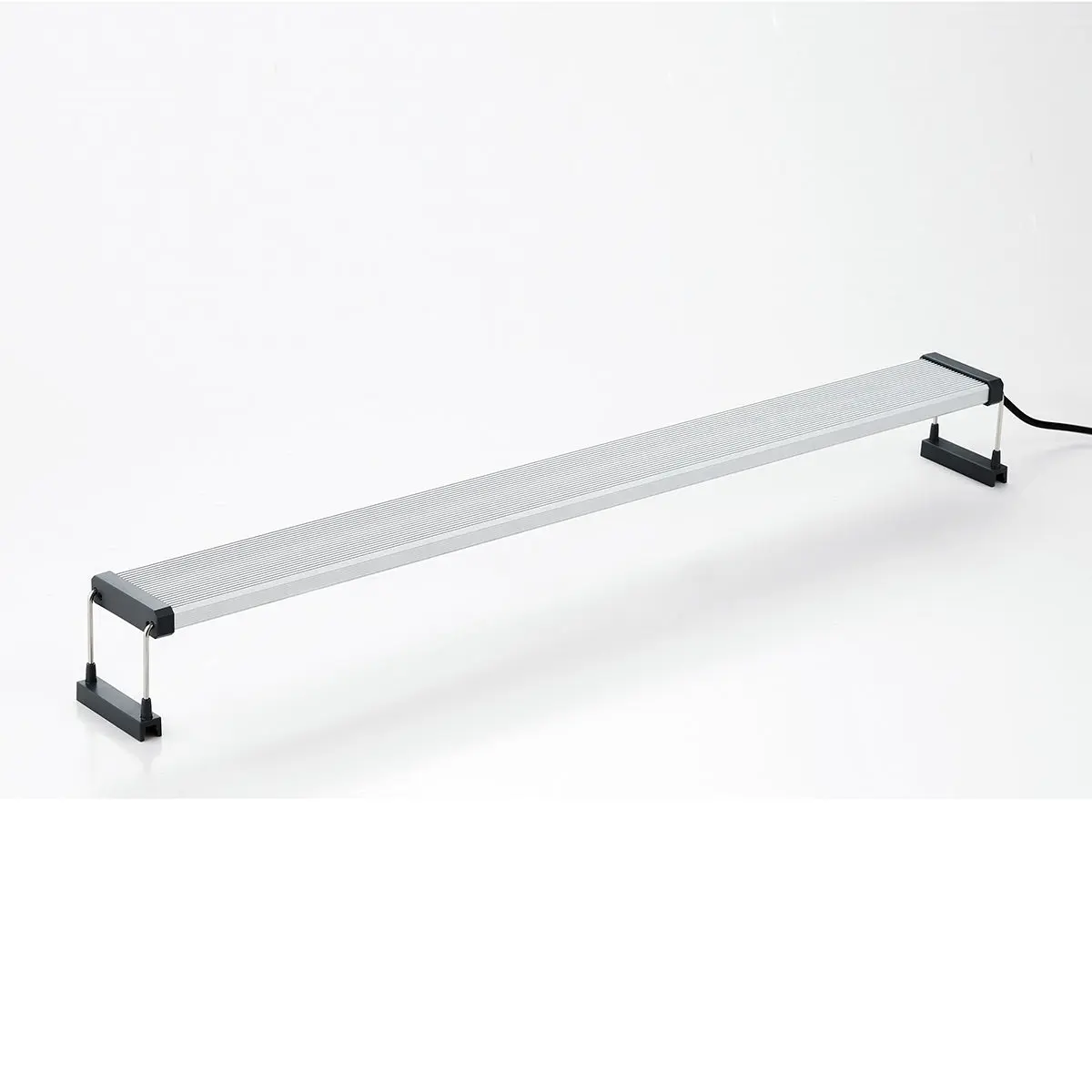
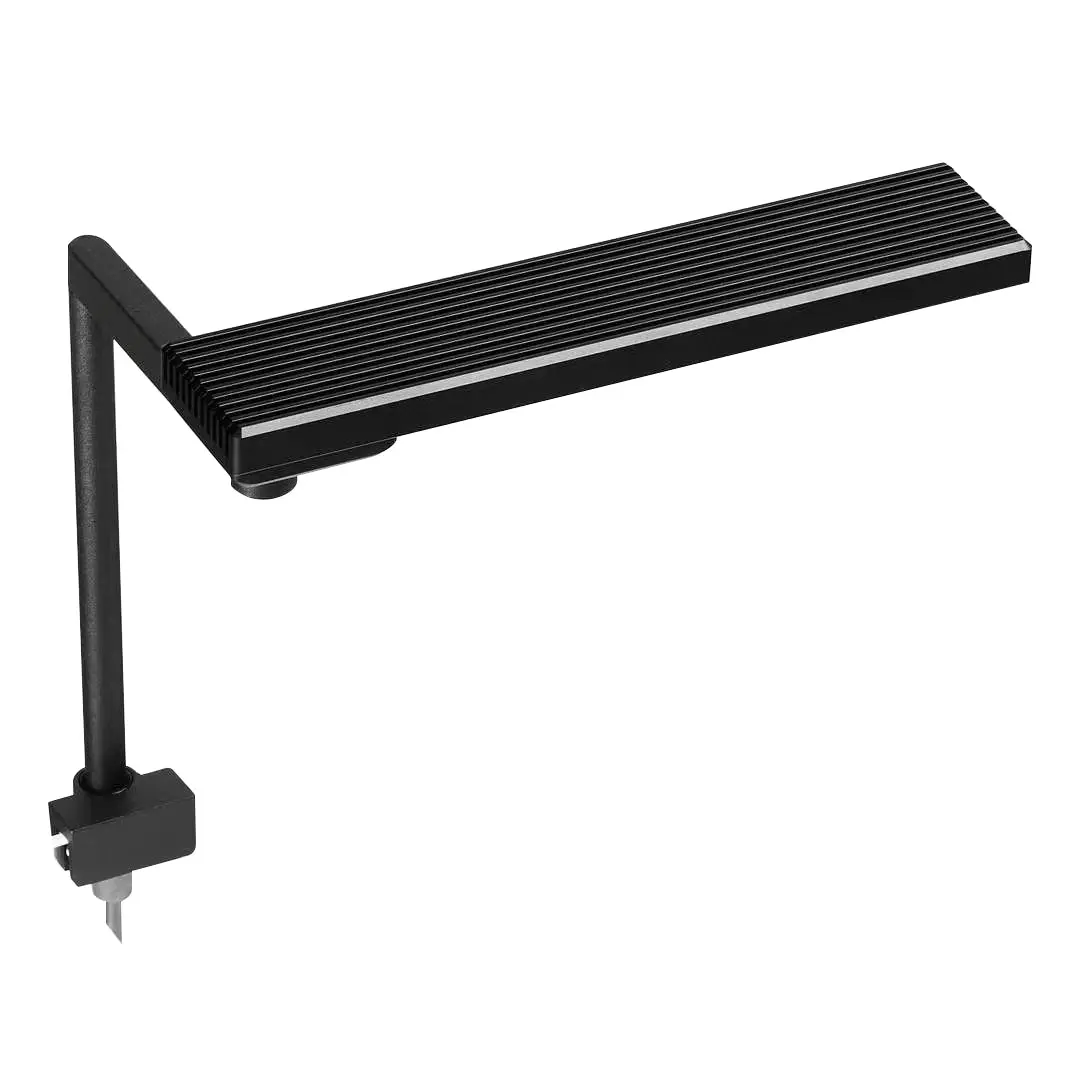
Lighting should be moderate to high to encourage healthy growth. Low light may lead to slower growth rates and reduced weeping characteristics.
Feeding and CO2 Requirements
Vesicularia ferriei 'Weeping' does not have strict fertilization needs. It benefits from occasional liquid fertilizers, especially in low-tech setups. While it can grow without additional CO2, providing CO2 supplementation can enhance growth considerably.
Compatibility
This moss is compatible with a wide range of fish and invertebrates, making it an ideal addition to community tanks. It creates hiding places for small fish and shrimp, promoting their natural behavior and reducing stress.
Propagation
Propagation of Weeping Moss is primarily through division. As the moss grows and thickens, sections can be trimmed and replanted to encourage further growth.
Conclusion
In summary, Vesicularia ferriei 'Weeping' is a stunning and relatively low-maintenance aquatic moss that enhances the beauty of any freshwater aquarium. Its weeping nature and compatibility with various species make it a versatile choice for aquascaping enthusiasts.
How to care for Vesicularia ferriei 'Weeping'
- 1
Set up the tank
Ensure your aquarium has soft to moderately hard water with a pH of 5.0–7.5 and a temperature between 20–28°C (68–82°F).
- 2
Attach the moss
Secure the Weeping Moss to rocks, driftwood, or mesh using fishing line or glue; it will naturally grow downward, creating a cascading effect.
- 3
Provide appropriate lighting
Use low to moderate lighting; higher light levels can encourage denser, faster growth.
- 4
Maintain water quality
Regularly perform water changes to keep the water clean and free from excess nutrients.
- 5
Monitor growth
Observe the moss for signs of overgrowth or detritus buildup; prune regularly to maintain its desired shape and prevent algae growth.
Frequently asked questions
What are the ideal water parameters for Vesicularia ferriei 'Weeping' moss?▾
Maintain a temperature of 20–28°C (68–82°F), pH between 5.0 and 7.5, and soft to moderately hard water conditions.
How should I attach Weeping Moss in my aquarium?▾
Tie or glue the moss to rocks, driftwood, or mesh; it will naturally grow downward, creating a cascading effect.
Does Weeping Moss require CO₂ supplementation?▾
CO₂ is optional; while it grows without CO₂, supplementation can promote faster, bushier growth.
What lighting conditions are best for Weeping Moss?▾
It thrives under low to moderate lighting; higher light encourages denser, faster growth.
How often should I prune Weeping Moss?▾
Regular pruning is necessary to maintain its desired shape and prevent detritus buildup, which can lead to algae growth.
Lighting that can support this plant
Suggested from plant care level and compatibility.