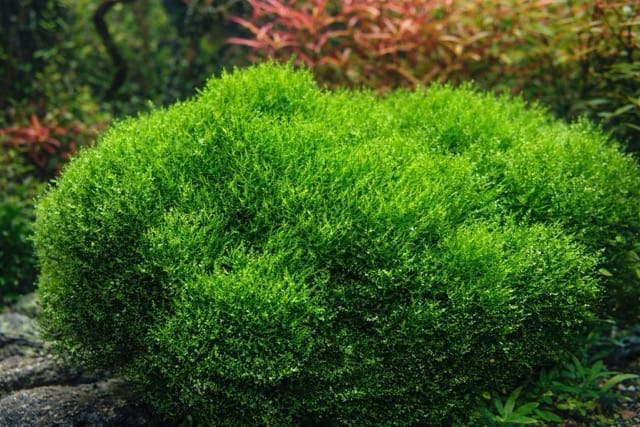
Illustrative images
Taxiphyllum 'Flame'
Taxiphyllum 'Flame'
Overview
Taxiphyllum 'Flame' is a unique aquatic plant known for its distinctive, flame-like appearance. This plant is a popular choice among aquascapers and aquarium hobbyists looking to add textured greenery to their tanks. It is a variety of the well-known moss family, offering a dynamic presence in aquascapes.
Natural Habitat
This plant is typically found in the subtropical regions of Southeast Asia, particularly around slow-moving streams and rivers. In its natural environment, Taxiphyllum 'Flame' thrives in shaded areas where indirect sunlight is available, mimicking the low light conditions often found in home aquariums.
Care Requirements
Taxiphyllum 'Flame' is suitable for aquarists of all skill levels, making it an excellent addition to both beginner and expert aquariums. Here are some key aspects of its care:
- Light Demand: Medium light is recommended to maintain its vibrant color and structure. Too much light may lead to algae growth, while too little can cause it to lose its shape.
- Water Type Compatibility: This plant is best suited for freshwater aquariums.
- CO2 Demand: While not mandatory, CO2 enrichment can enhance growth and maintain lush green foliage.
Tank Setup
When setting up your tank, consider providing a soft substrate along with areas of hardscape that can enhance the display of Taxiphyllum 'Flame'. Placing it among rocks or driftwood can create a natural look and help the plant establish itself:
- Substrate: Sand or gravel is ideal.
- Placement: This plant works well in the midground or background of your aquascape.
- Water Temperature: It thrives in temperatures of 20-28°C (68-82°F).
Compatibility
Taxiphyllum 'Flame' is compatible with a wide variety of fish and invertebrate species, making it a versatile addition to most community tanks. Its foliage can provide shelter for smaller fish and shrimp, helping to establish a balanced ecosystem within the aquarium. However, it is advisable to avoid placing it with very aggressive species that may uproot or damage the plant.
Feeding and Maintenance
This plant does not require additional feeding, but the addition of liquid fertilizers can promote healthier growth. Regular pruning may be necessary to maintain its shape and prevent it from taking over the tank. Also, monitor for any signs of algae growth, as maintaining a balanced environment helps keep this plant looking its best.
Conclusion
Taxiphyllum 'Flame' adds unique beauty and texture to any aquarium. Its manageable care requirements make it an attractive option for all hobbyists looking to enhance their underwater landscapes.
How to care for Taxiphyllum 'Flame'
- 1
Prepare the attachment surface
Clean and dry rocks, driftwood, or other hard surfaces where you plan to attach the moss.
- 2
Attach the moss
Use thread, mesh, or aquarium-safe glue to secure the moss to the prepared surface.
- 3
Place in the aquarium
Position the attached moss in the desired location, ensuring it has space to grow vertically.
- 4
Maintain water parameters
Keep the water temperature between 68–82°F (20–28°C) and the pH between 6.0–7.5.
- 5
Provide appropriate lighting
Ensure the aquarium has low to moderate lighting to support healthy growth.
- 6
Monitor growth
Regularly check the moss for signs of overgrowth or algae buildup and trim as needed.
Frequently asked questions
What are the ideal water parameters for Taxiphyllum 'Flame'?▾
Taxiphyllum 'Flame' thrives in water temperatures between 68–82°F (20–28°C) and a pH range of 6.0–7.5. It prefers soft to moderately hard water, with a hardness of 6–15 dGH.
Does Taxiphyllum 'Flame' require CO₂ supplementation?▾
No, Taxiphyllum 'Flame' does not require CO₂ supplementation, but adding CO₂ can enhance its growth rate.
What lighting conditions are best for Taxiphyllum 'Flame'?▾
Taxiphyllum 'Flame' grows well under low to moderate lighting conditions.
How should Taxiphyllum 'Flame' be attached in an aquarium?▾
Taxiphyllum 'Flame' should be attached to hard surfaces like rocks or driftwood using thread, mesh, or aquarium-safe glue.
What is the growth rate of Taxiphyllum 'Flame'?▾
Taxiphyllum 'Flame' has a slow to moderate growth rate.
How do you propagate Taxiphyllum 'Flame'?▾
Taxiphyllum 'Flame' can be propagated by dividing the plant and reattaching the portions to hard surfaces.
Lighting that can support this plant
Suggested from plant care level and compatibility.