Illustrative images
Taxiphyllum barbieri
Taxiphyllum barbieri
Overview
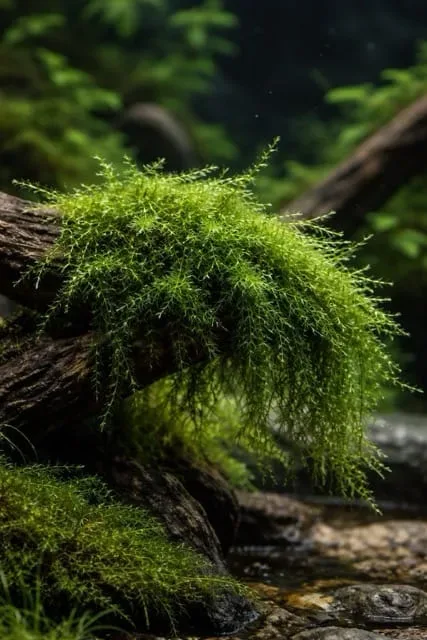
Taxiphyllum barbieri, commonly known as Java Moss, is a popular aquatic plant among aquarium enthusiasts. This versatile moss is favored for its ability to thrive in various water conditions and its aesthetic appeal, making it an excellent choice for both beginner and experienced hobbyists. Java Moss attaches itself to surfaces such as rocks, driftwood, and aquarium glass, creating a natural look in aquascapes.
Natural Habitat
In its natural environment, Java Moss is found in tropical regions of Southeast Asia, including areas such as Thailand and Indonesia. It typically grows in slow-moving waters, often clinging to rocks and submerged logs. The plant benefits from shaded areas but can also adapt to brighter conditions.
Care Requirements
Java Moss is known for being low maintenance and can thrive in a variety of aquarium settings. Here are some care requirements:
- Water Type: Freshwater
- Temperature: 20-28°C (68-82°F)
- pH Level: Tolerant of a wide range, ideally 6.0-7.5
- Hardness: Adaptable to different water hardness levels
Tank Setup
When setting up a tank for Java Moss, consider these factors:
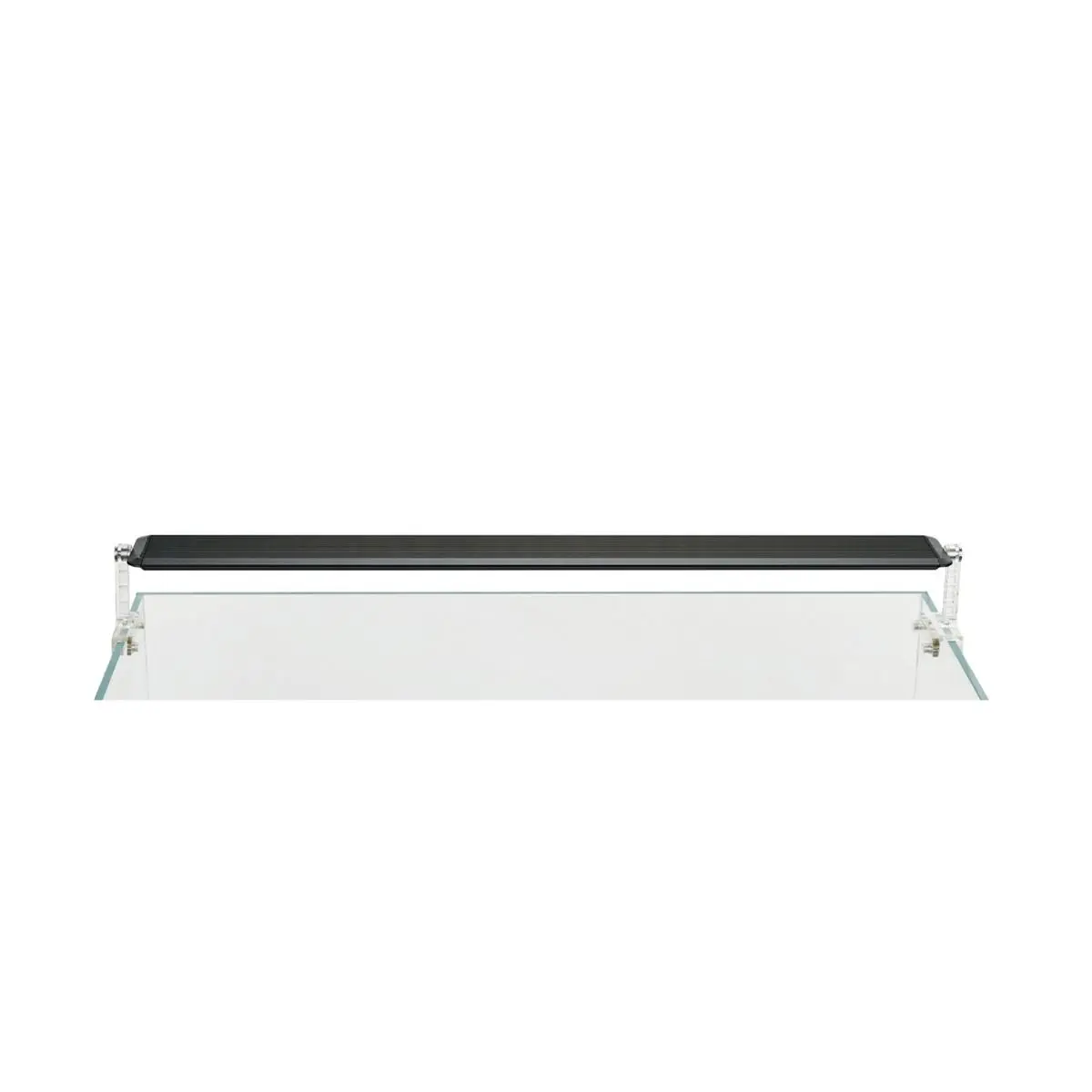
- Lighting: Low to moderate light levels are sufficient. Too much light may lead to algae growth on the moss.
- Substrate: Java Moss does not require a substrate; it can attach to hard surfaces.
- Filtration: A gentle filter is recommended to avoid uprooting the moss.
Propagation
Java Moss can be propagated quite easily through division. Simply cut a portion of the moss and attach it to a new surface where it can continue to grow. Regular trimming will help maintain its desired shape and prevent excessive tangling.
Compatibility
Java Moss is compatible with a wide range of fish and invertebrates. Its tender structure provides cover for fry and shy species, making it an ideal addition to community tanks. However, be cautious with aggressive species that may uproot or destroy the moss.
Feeding and Nutrients
Java Moss does not require fertilization to thrive but can benefit from liquid fertilizers or nutrients in the water column. Additionally, providing carbon dioxide (CO2) enrichment may enhance growth, although it is not strictly necessary.
Conclusion
Taxiphyllum barbieri, or Java Moss, is an essential plant for many aquarium setups. Its adaptability, ease of care, and natural appearance make it a favorite among hobbyists looking to create lush aquascapes.
How to care for Taxiphyllum barbieri
- 1
Prepare the tank
Set up your aquarium with appropriate filtration and lighting. Ensure the water temperature is between 70°F and 86°F (21°C to 30°C) and the pH is between 5.0 and 8.0.
- 2
Attach Java Moss
Rinse the moss gently with clean water. Secure it to rocks, driftwood, or mesh using fishing line or cotton thread until it anchors itself.
- 3
Provide lighting
Place the tank in an area with moderate to strong light. Java Moss thrives under low to moderate lighting conditions.
- 4
Maintain water quality
Regularly check water parameters, including temperature, pH, and hardness. Perform partial water changes as needed to keep the environment healthy.
- 5
Monitor growth
Observe the moss for signs of overgrowth or thinning. Trim as necessary to maintain desired shape and prevent excessive buildup.
- 6
Ensure CO₂ levels
While not required, adding CO₂ can promote faster growth. Monitor CO₂ levels if supplementation is used.
Frequently asked questions
What are the ideal water parameters for Java Moss?▾
Java Moss thrives in water temperatures between 70°F and 86°F (21°C to 30°C) and a pH range of 5.0 to 8.0. It can tolerate water hardness up to 20 dGH (333 ppm).
How do I attach Java Moss to aquarium decorations?▾
Attach Java Moss to rocks, driftwood, or mesh using fishing line or cotton thread until it anchors itself. Once established, it will cling to the surface. ([tropica.com](https://tropica.com/en/plants/plantdetails/?id=4394&utm_source=openai))
Does Java Moss require CO₂ supplementation?▾
No, Java Moss does not require CO₂ supplementation. However, adding CO₂ can promote faster growth. ([fishlaboratory.com](https://www.fishlaboratory.com/fish/java-moss/?utm_source=openai))
How often should I trim Java Moss?▾
Trim Java Moss regularly to maintain its shape and prevent overgrowth. The frequency depends on growth rate, which can vary based on lighting and water conditions. ([tropica.com](https://tropica.com/en/plants/plantdetails/?id=4394&utm_source=openai))
Can Java Moss grow without substrate?▾
Yes, Java Moss does not require substrate. It grows best when attached to surfaces like rocks or driftwood. ([cantonaquatics.com](https://www.cantonaquatics.com/products/java-moss-taxiphyllum-barbieri?utm_source=openai))
Is Java Moss safe for shrimp and fish fry?▾
Yes, Java Moss provides shelter and a breeding ground for shrimp and fish fry, offering protection from adult fish. ([tropica.com](https://tropica.com/en/plants/plantdetails/?id=4394&utm_source=openai))
Lighting that can support this plant
Suggested from plant care level and compatibility.