

Illustrative images
Scopas Tang
Zebrasoma scopas
Overview
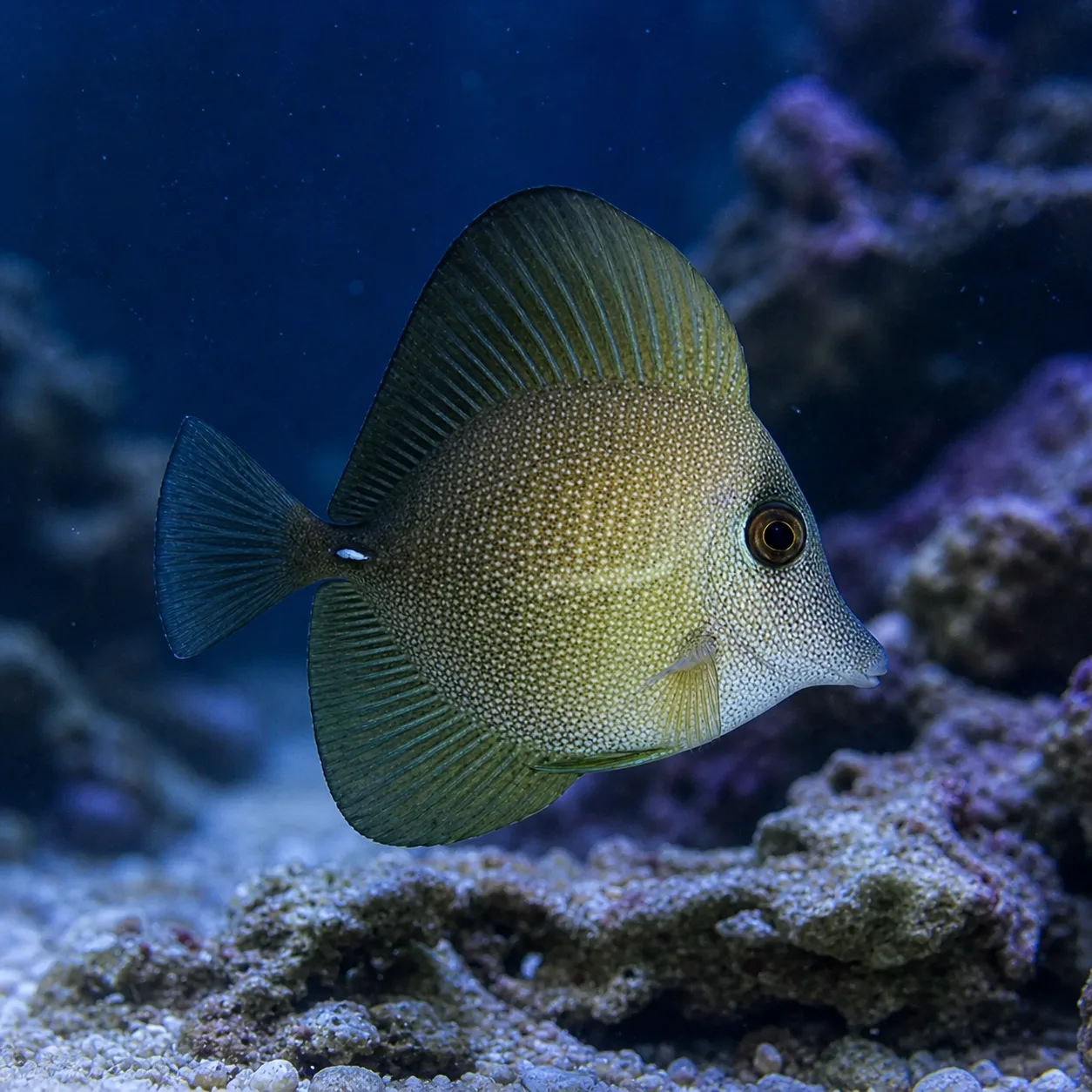
The Scopas Tang, scientifically known as Zebrasoma scopas, is a popular marine fish belonging to the family Acanthuridae. Known for its distinctive dark brown body and bright yellow markings around the face and dorsal fin, the Scopas Tang is often sought after by aquarium enthusiasts for its vibrant appearance and active behavior. This species is also commonly referred to as the Scopas Surgeonfish due to its sharp spines located on the tail, which are used for defense against predators.
Natural Habitat
Scopas Tangs are native to the Indo-Pacific region, particularly found in the coral reefs around the Hawaiian Islands, Fiji, and the Maldives. They thrive in warm, shallow waters where they graze on algae and other plant matter growing on the reef's surfaces. This fish prefers environments that provide ample hiding spots and a rich diversity of marine life.
Care Requirements
Caring for a Scopas Tang requires a well-maintained aquarium that replicates its natural habitat as closely as possible. Here are some key aspects to consider:
- Minimum Tank Size: A minimum tank size of 100 gallons is recommended to provide sufficient swimming space.
- Water Type: They are suitable for marine aquariums.
- Water Parameters: Maintaining stable water parameters is crucial. Ideal conditions include moderate to strong water flow and good water quality.
Compatibility
Scopas Tangs are generally peaceful but can exhibit territorial behavior, especially towards other tangs or fish with similar body shapes. It is advisable to keep them in a community tank with other compatible species, such as clownfish, wrasses, and peaceful wrasses. Avoid housing them with overly aggressive fish.
Feeding
As herbivores, Scopas Tangs primarily feed on algae. A varied diet consisting of high-quality dry seaweed, spirulina, and other green supplements is essential for their health. Additionally, provide occasional meaty foods to support a balanced diet.
Lighting and CO2
While lighting is not a primary concern for fish, providing adequate lighting is important for the growth of algae in the aquarium, which forms part of their diet. CO2 supplementation is not necessary for the fish itself but may enhance plant growth if keeping a reef-style setup.
Conclusion
Overall, the Scopas Tang is a beautiful addition to any marine aquarium, provided that it is cared for in a properly maintained environment. With proper feeding, compatible tank mates, and ample swimming space, this species can thrive and adapt well in a home aquarium, offering both visual appeal and lively activity.
How to care for Scopas Tang
- 1
Set up the tank
Choose a tank of at least 125 gallons (473 liters) with ample swimming space and live rock for grazing.
- 2
Acclimate slowly
Introduce the Scopas Tang to the tank gradually to reduce stress and allow it to establish territory.
- 3
Maintain water parameters
Keep water temperature between 72-78°F (22-25.5°C), pH between 8.1-8.4, and specific gravity between 1.020-1.025.
- 4
Provide a varied diet
Feed a mix of marine algae, seaweed, and occasional meaty foods like mysis shrimp to ensure balanced nutrition.
- 5
Monitor behavior
Observe for signs of aggression, especially towards other tangs, and ensure the tank has sufficient hiding spots.
Frequently asked questions
What size tank does a Scopas Tang need?▾
A Scopas Tang requires a minimum tank size of 125 gallons (473 liters) to accommodate its active swimming behavior and territorial nature.
What are the ideal water parameters for a Scopas Tang?▾
Maintain water temperature between 72-78°F (22-25.5°C), pH between 8.1-8.4, and specific gravity between 1.020-1.025 for optimal health.
What do Scopas Tangs eat?▾
Scopas Tangs are primarily herbivorous, feeding on marine algae, seaweed, and occasionally meaty foods like mysis shrimp.
Can Scopas Tangs live with other fish?▾
Scopas Tangs can be semi-aggressive, especially towards other tangs of the same species; it's best to keep them singly or with non-aggressive tank mates.
Are Scopas Tangs reef-safe?▾
Yes, Scopas Tangs are generally considered reef-safe but may occasionally nip at sessile invertebrates if not well-fed.