Illustrative images
Salvinia auriculata
Salvinia auriculata
Overview
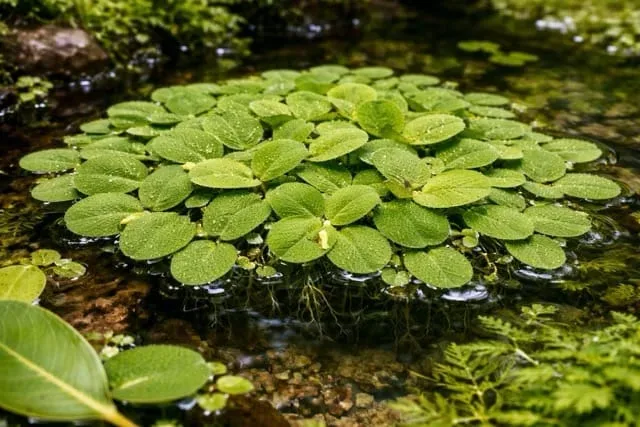
Salvinia auriculata, commonly known as the floating fern, is a captivating aquatic plant native to regions of South America. This species is characterized by its unique leaf structure, which consists of small, triangular fronds that float on the surface of the water. It is commonly used in aquariums for both aesthetic appeal and its benefits in maintaining water quality.
Natural Habitat
In its natural habitat, Salvinia auriculata thrives in warm, slow-moving waters such as ponds, marshes, and swamps. This plant prefers freshwater environments rich in organic material and can be found in regions with warm temperatures and a moderate amount of sunlight.
Care Requirements
Salvinia auriculata is relatively easy to care for, making it suitable for both beginners and experienced aquarists. Here are some key care requirements:
- Light: It thrives in moderate to bright lighting conditions. Insufficient light may cause stunted growth.
- Water Temperature: A temperature range of 22-30°C (72-86°F) is ideal for healthy growth.
- Water Quality: This plant prefers slightly acidic to neutral pH levels (around 6.0 to 7.0) and can tolerate varying levels of hardness.
Tank Setup
When incorporating Salvinia auriculata into your aquarium, consider the following:
- Placement: As a floating plant, it will naturally float on the water surface, providing shade and cover for fish and other aquatic life.
- Filtration: Ensure a gentle filtration system, as strong currents can displace the plant.
Compatibility
Salvinia auriculata is compatible with a variety of fish and invertebrates. Its floating nature creates a habitat for small fish and shrimp, offering them a sense of security. However, be cautious with larger fish that might disturb or eat the plant.
Feeding and Maintenance
This plant does not require additional fertilization under typical circumstances, as it absorbs nutrients directly from the water. Regular maintenance involves checking for overgrowth and removing any debris that may accumulate on the leaves.
Conclusion
Salvinia auriculata is an excellent addition to a freshwater aquarium, providing both aesthetic value and ecological benefits. Its ease of care and compatibility with various aquatic species make it a popular choice among aquarists.
How to care for Salvinia auriculata
- 1
Set up the tank
Use a tank of at least 10 gallons (approximately 40 liters) to accommodate the rapid growth of Salvinia auriculata.
- 2
Adjust water parameters
Maintain a water temperature between 71°F and 80°F (22°C to 26°C) and a pH between 6.0 and 8.0.
- 3
Provide adequate lighting
Ensure medium to high light levels, with at least 10 lumens per liter, to support healthy growth.
- 4
Introduce the plant
Place Salvinia auriculata on the water surface; it will float and spread naturally.
- 5
Monitor growth
Regularly check the plant's spread; trim or remove excess growth to prevent overgrowth and shading of other plants.
- 6
Maintain water quality
Regularly check water parameters and perform water changes as needed to keep the environment healthy.
Frequently asked questions
What water temperature does Salvinia auriculata prefer?▾
Salvinia auriculata thrives in water temperatures between 71°F and 80°F (22°C to 26°C).
What pH level is ideal for Salvinia auriculata?▾
This plant grows best in water with a pH between 6.0 and 8.0.
How much light does Salvinia auriculata need?▾
It requires medium to high light levels, with at least 10 lumens per liter, to grow well.
Is CO₂ supplementation necessary for Salvinia auriculata?▾
No, Salvinia auriculata does not require CO₂ supplementation; it absorbs CO₂ from the air.
How does Salvinia auriculata reproduce?▾
It reproduces vegetatively through fragmentation, where individual plant parts break off and grow independently.
Can Salvinia auriculata be kept with other aquarium plants?▾
Yes, but it can quickly cover the water surface, potentially shading other plants. Regular thinning is recommended.
What are common problems with Salvinia auriculata?▾
Overgrowth can lead to shading of other plants and reduced light penetration. Regular maintenance is necessary to control its spread.
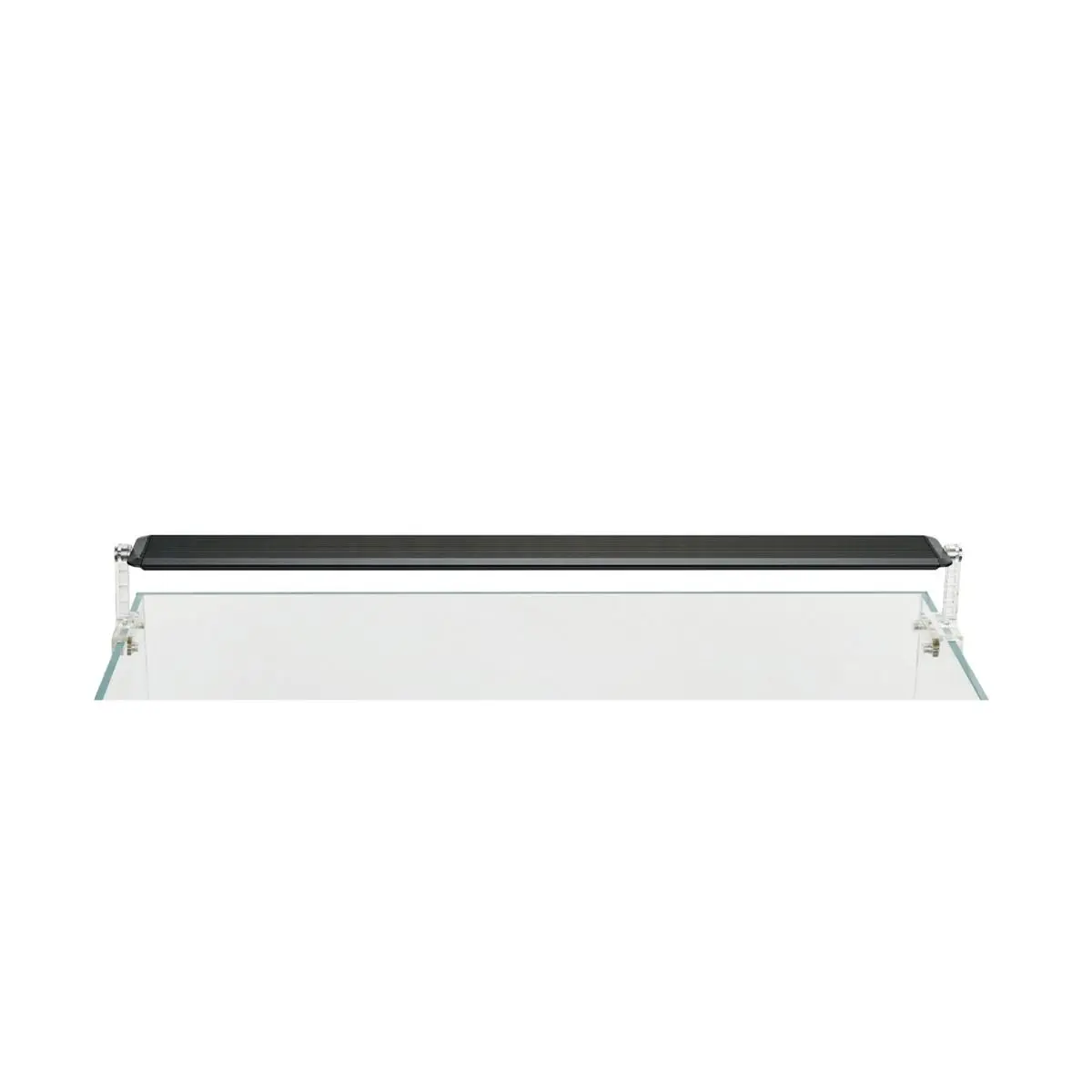
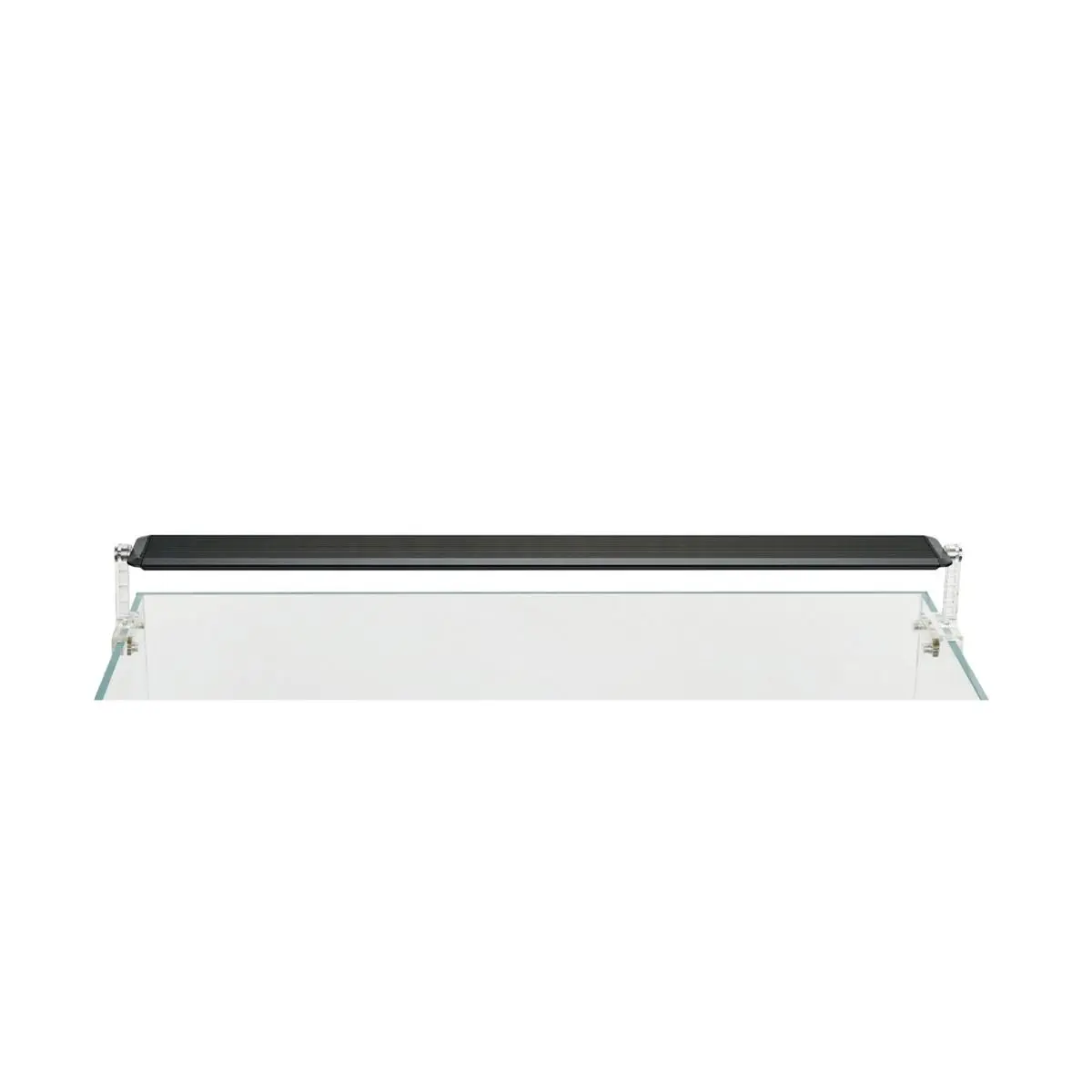
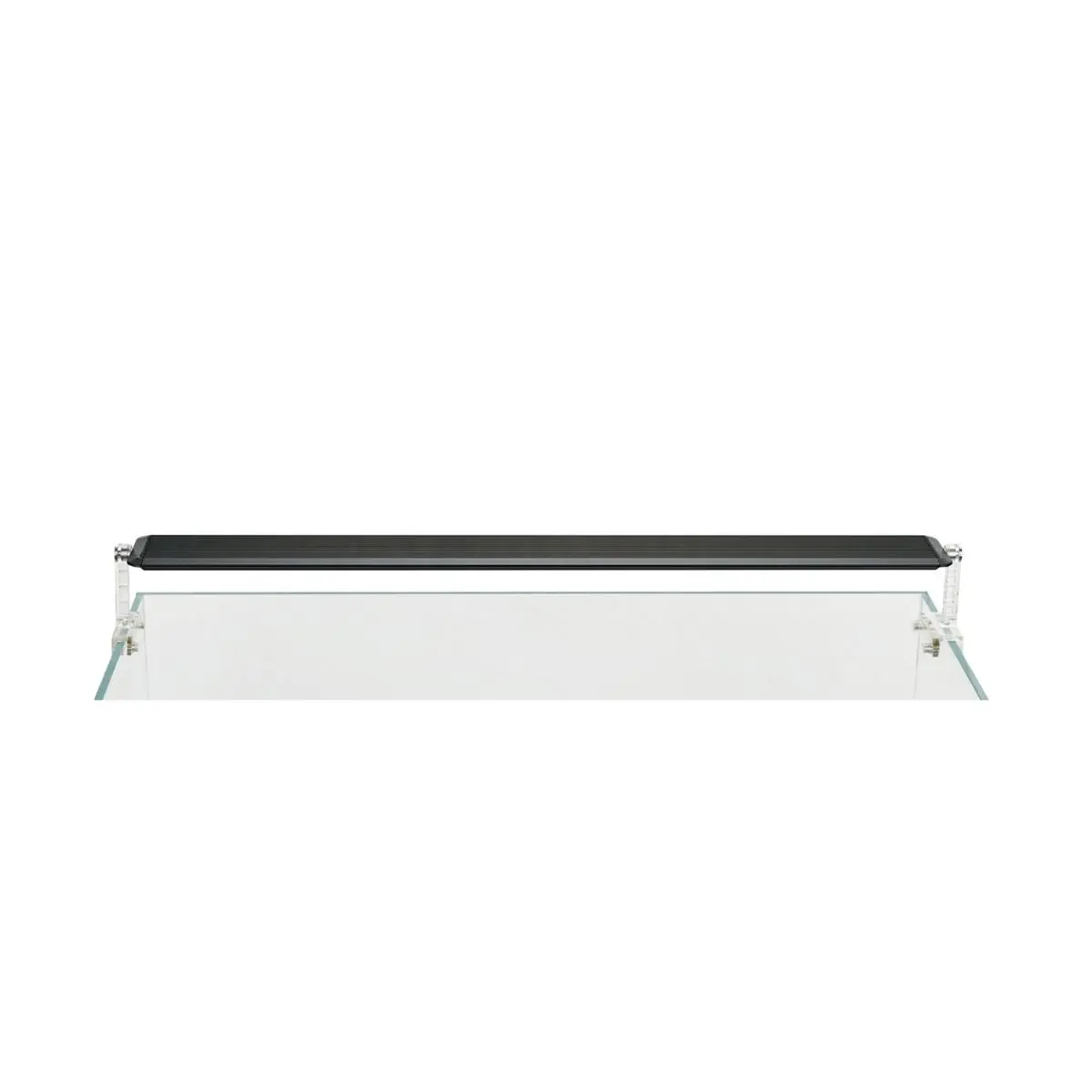
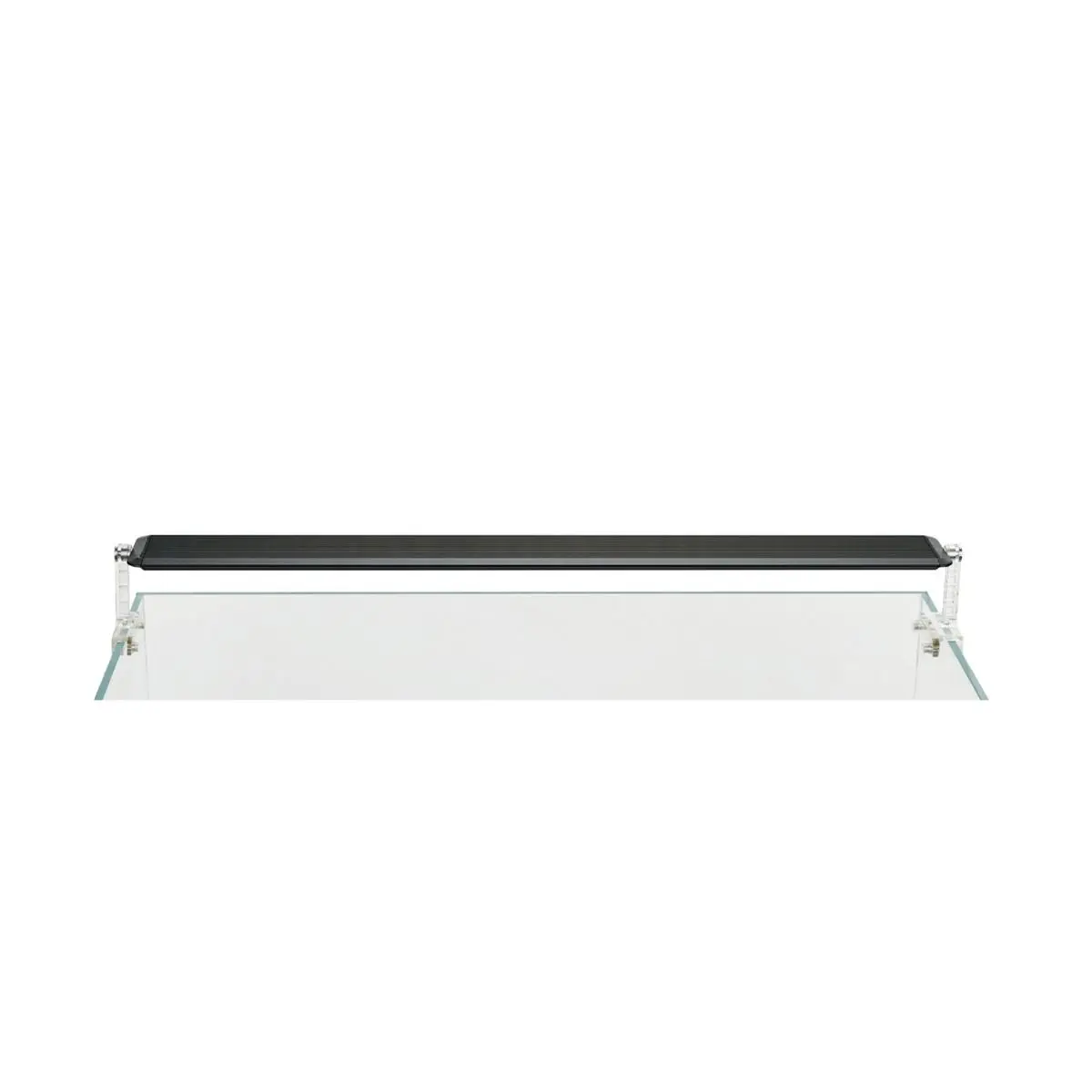
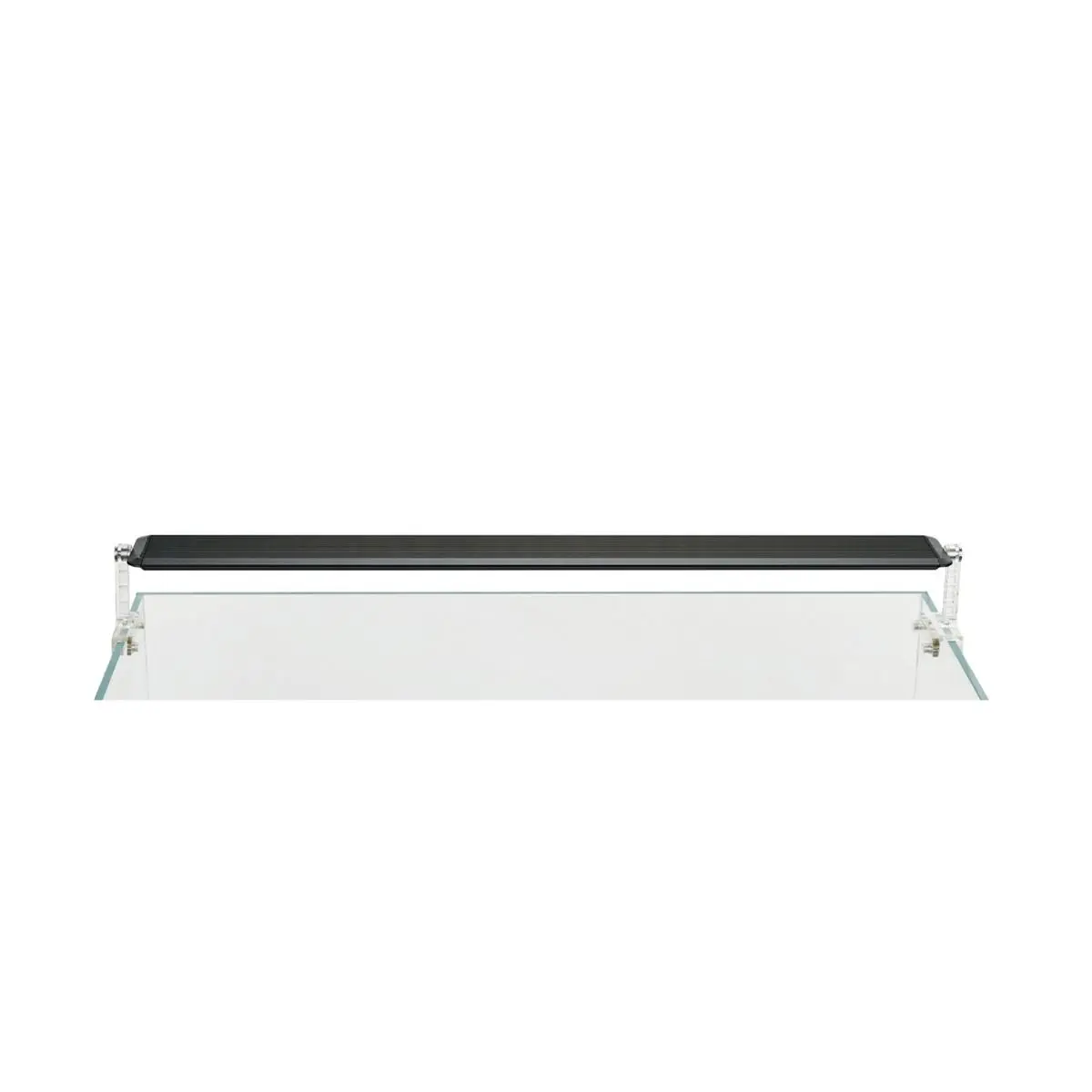
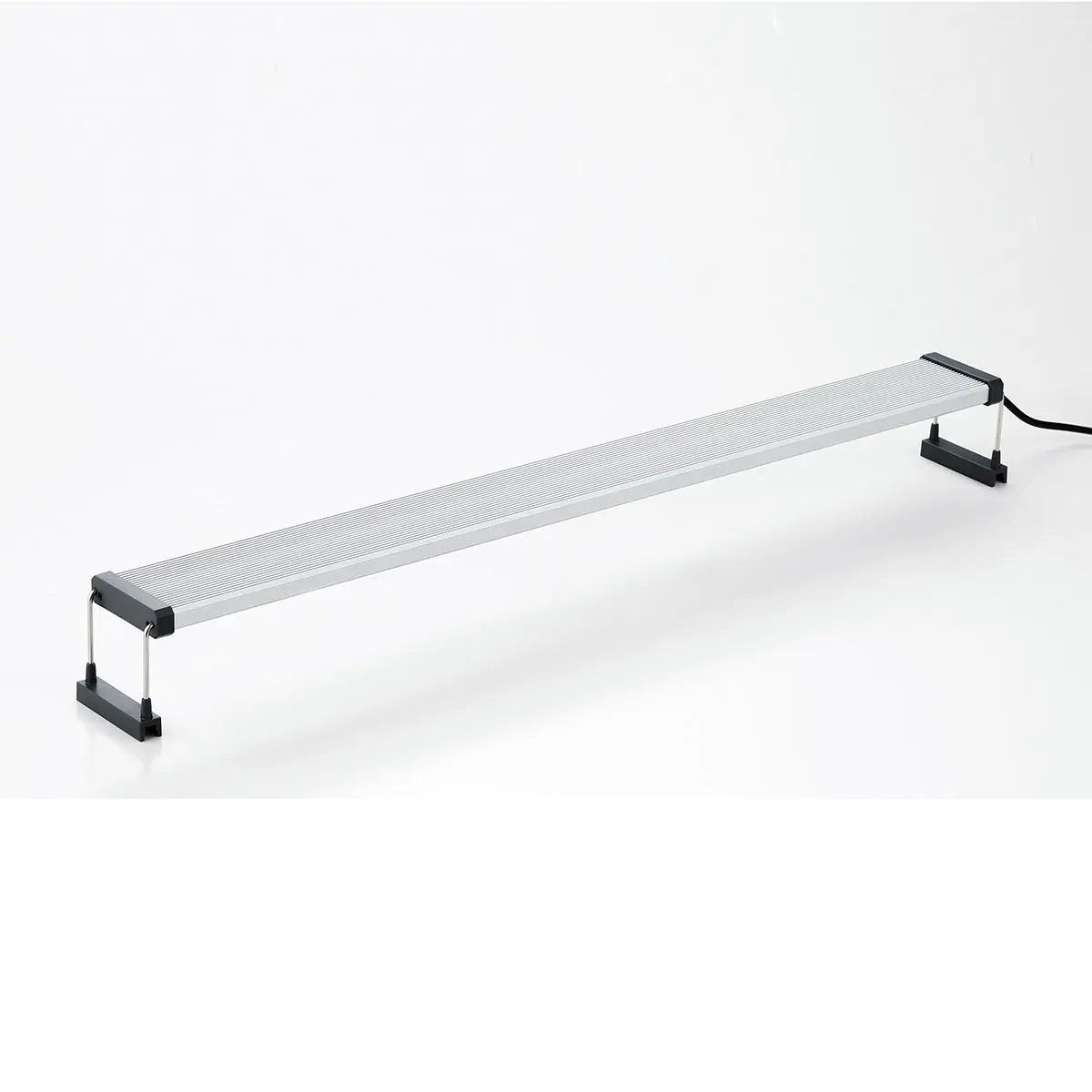
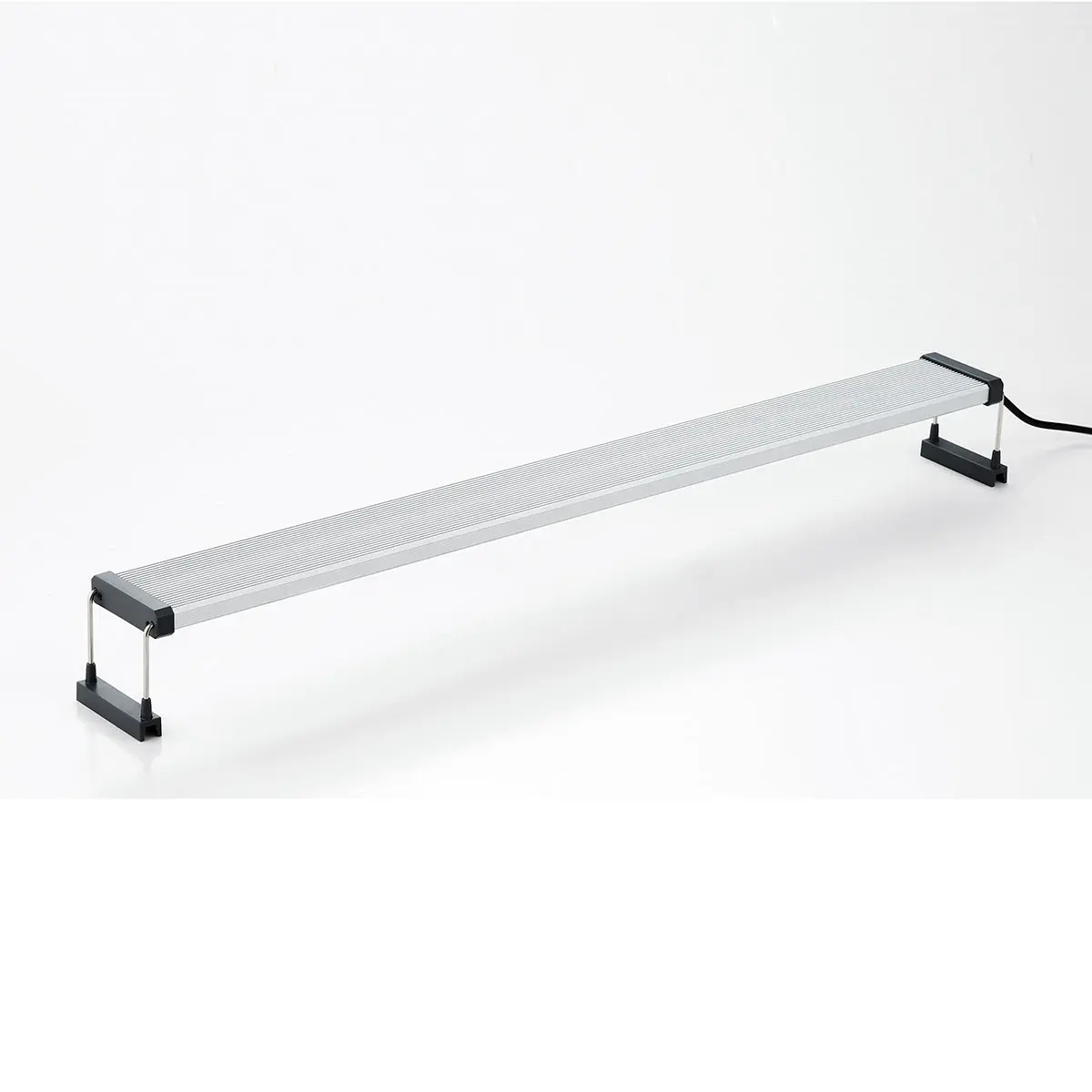
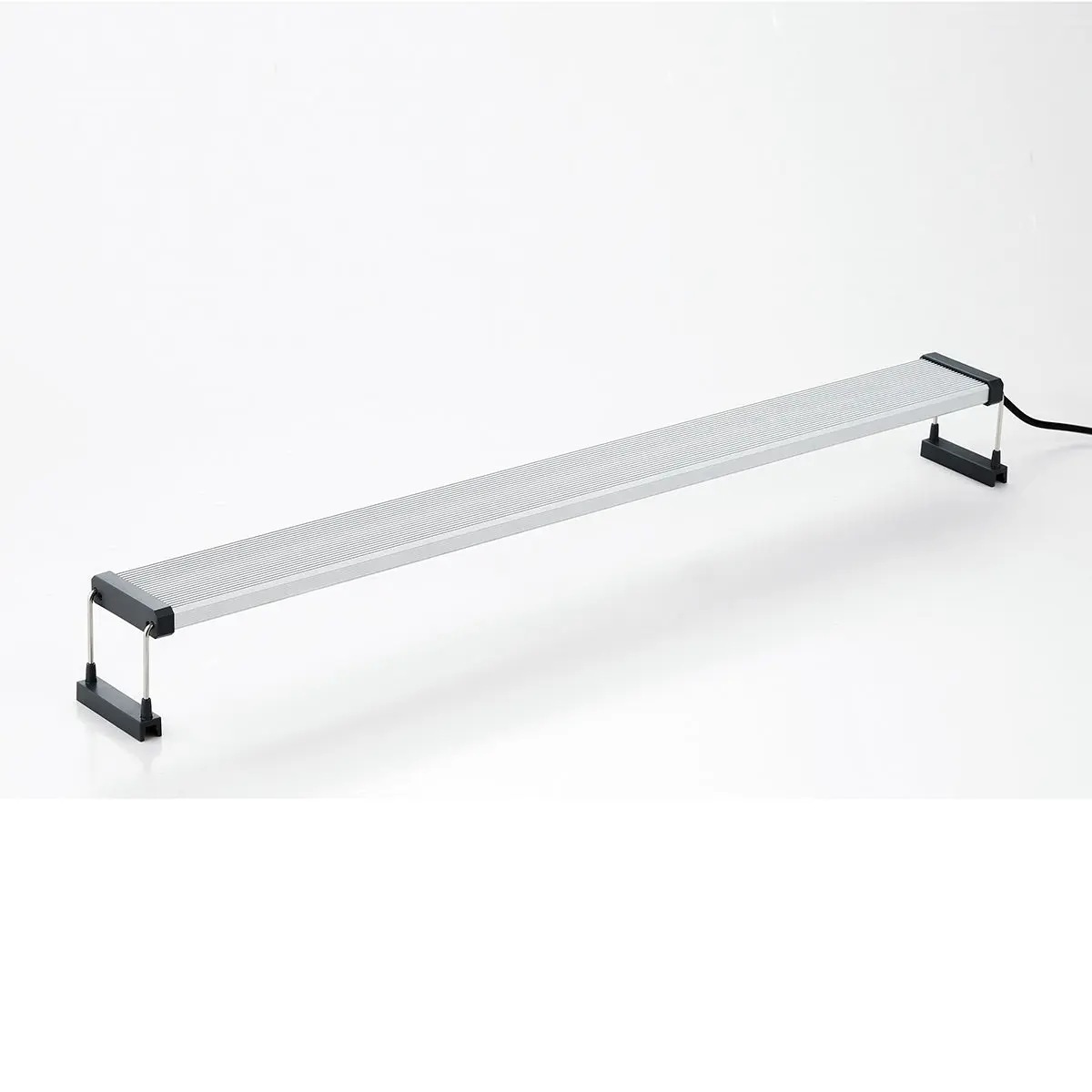
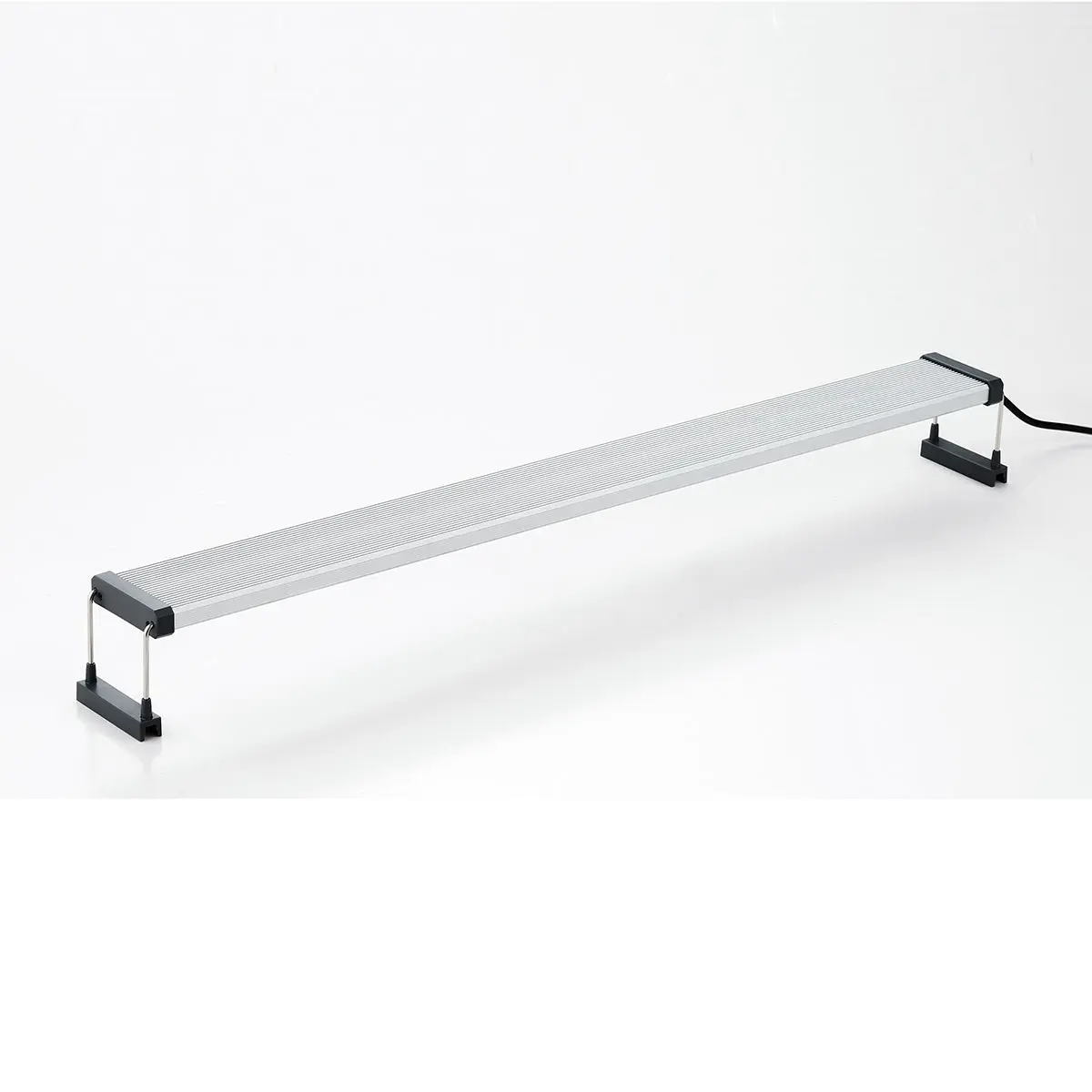
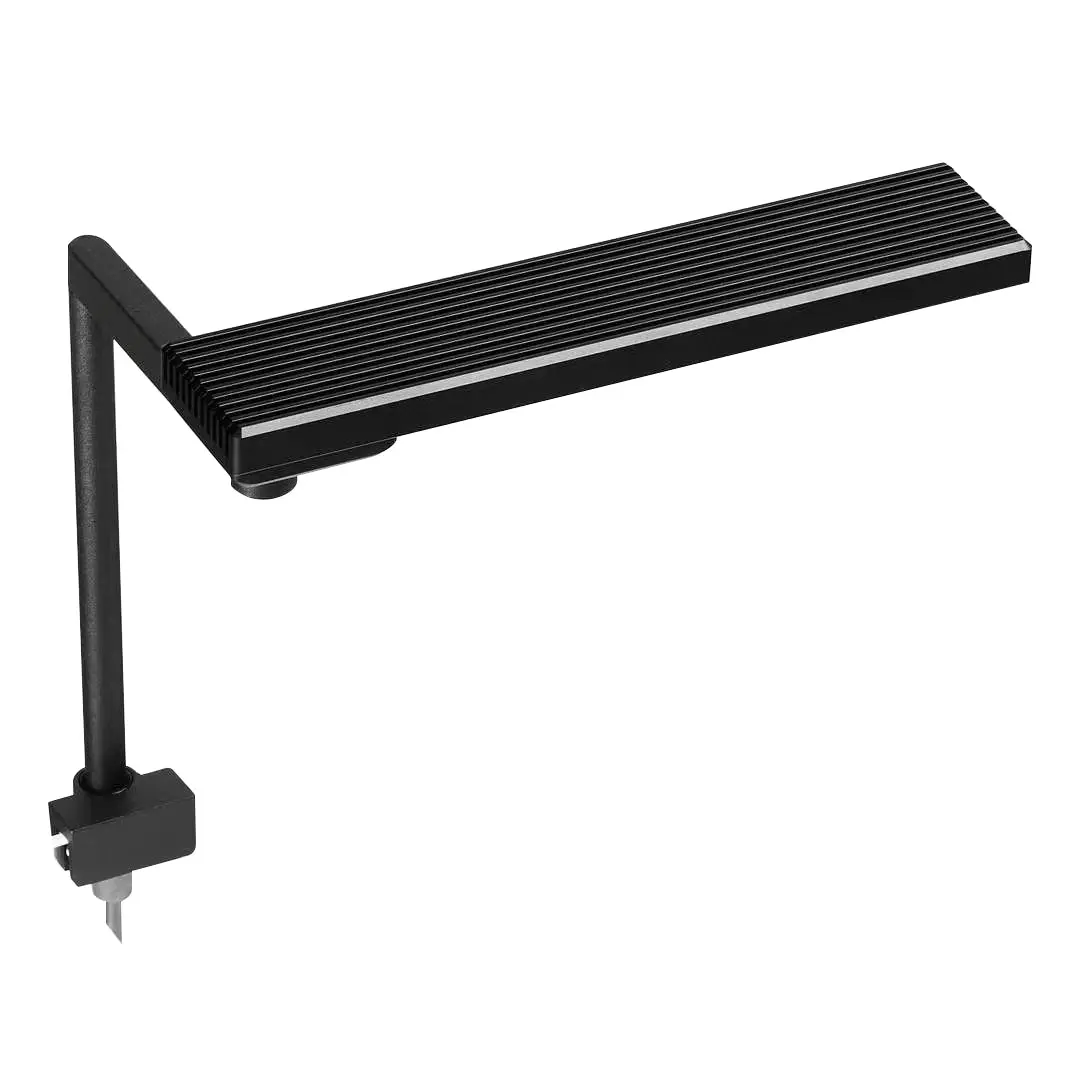
Lighting that can support this plant
Suggested from plant care level and compatibility.