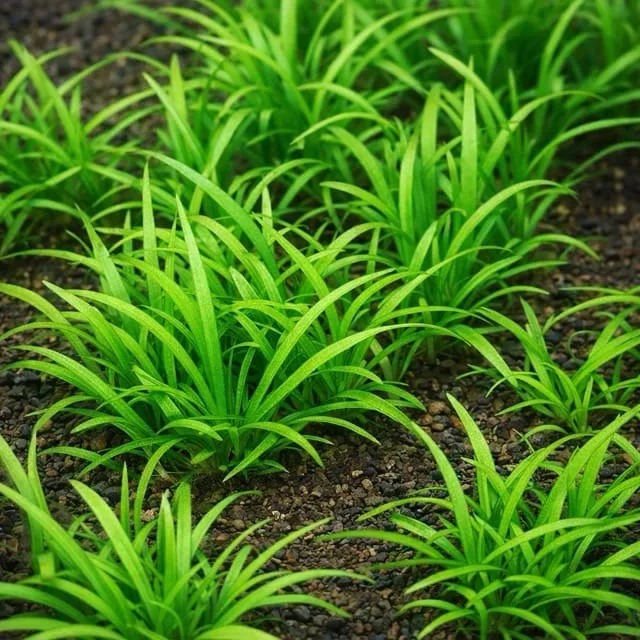
Illustrative images
Sagittaria subulata
Sagittaria subulata
Overview
Sagittaria subulata, commonly known as Creeping Arrowhead, is a popular aquatic plant among aquarium enthusiasts. This hardy species is characterized by its elongated, narrow leaves that can grow in varying heights depending on the environmental conditions. It adds a distinctive look to aquascapes and can serve various roles from background to midground planting.
Natural Habitat
This plant is native to North America, commonly found in shallow waters, marshes, and riverbanks. It thrives in nutrient-rich substrates and is accustomed to receiving moderate to bright light. In the wild, it plays a crucial role in stabilizing the shoreline and providing habitat for various aquatic organisms.
Care Requirements
Sagittaria subulata is considered to have an easy care level, making it ideal for both beginners and experienced aquarists. When cultivating this plant, it’s essential to consider the following:
- Light: This plant does well in medium to high light conditions, although it can adapt to lower light levels, which may result in slower growth.
- Water Condition: It prefers a pH range between 6.5 and 7.5 and can thrive in a variety of water hardness levels.
- Temperature: Ideal water temperatures for Sagittaria subulata range from 20°C to 28°C.
Tank Setup
In terms of tank setup, Sagittaria subulata can be planted in groups to create a lush look in the aquarium. It is crucial to provide a nutrient-rich substrate to promote healthy growth. Additionally, regular fertilization can support the plant's development.
Compatibility
This plant is generally compatible with a wide variety of fish and invertebrate species. Its structure offers hiding places and cover, making it suitable for many tank mates. However, it may be susceptible to being uprooted by large or overly energetic fish.
Feeding and Maintenance
Sagittaria subulata benefits from regular fertilization with both macro and micronutrients. Substrate fertilizers or liquid fertilizers can be used to ensure optimal growth. Additionally, trimming the plant regularly will encourage bushier growth and help manage its height within the aquarium.
Conclusion
Overall, Sagittaria subulata is a valuable addition to many aquariums, providing aesthetic appeal and functional benefits. With its adaptability and ease of care, it stands out as an excellent choice for both novice and experienced aquarists alike.
How to care for Sagittaria subulata
- 1
Set up the tank
Choose a tank size suitable for your space and desired plant density. A minimum of 5 gallons is recommended. ([fishkeepingworld.com](https://www.fishkeepingworld.com/dwarf-sagittaria/?utm_source=openai))
- 2
Prepare the substrate
Use a nutrient-rich substrate to promote healthy root development. Fine-gravel or sand is ideal. ([diszhal.info](https://diszhal.info/english/plants/en_Sagittaria_subulata.php?utm_source=openai))
- 3
Plant Sagittaria subulata
Plant individual plants 2-4 cm apart, ensuring they are securely anchored in the substrate. ([tropica.com](https://tropica.com/en/plants/plantdetails/?id=4530&utm_source=openai))
- 4
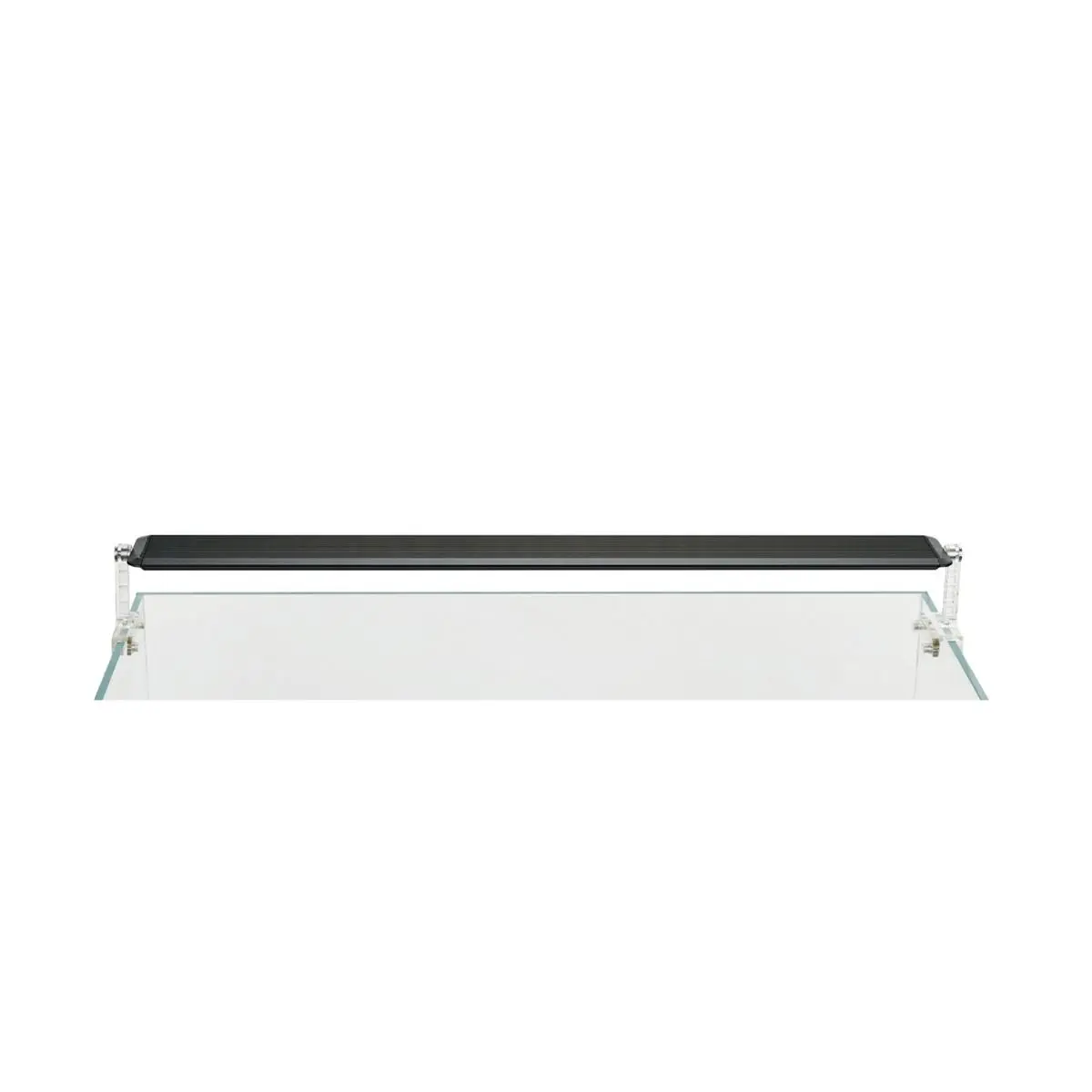
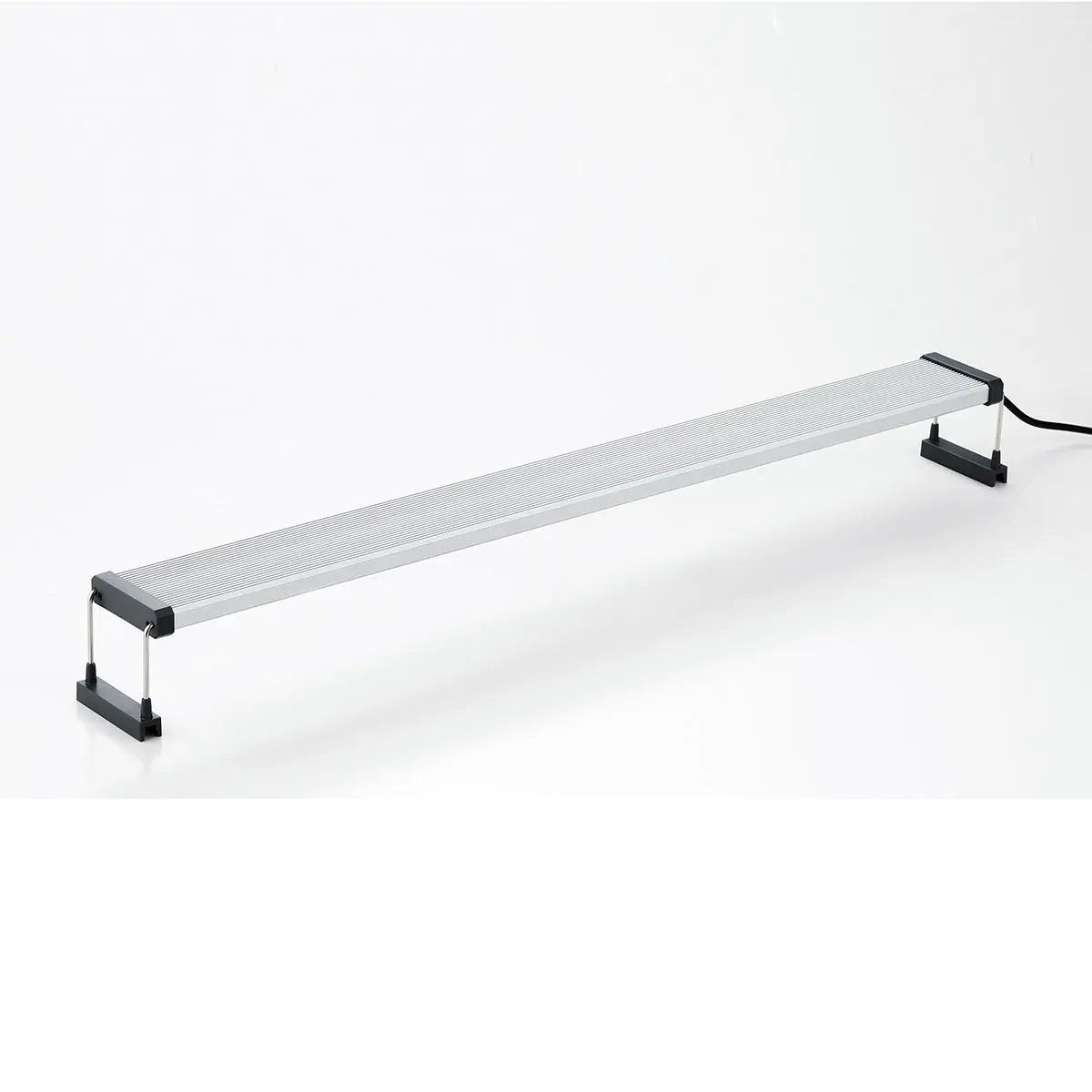
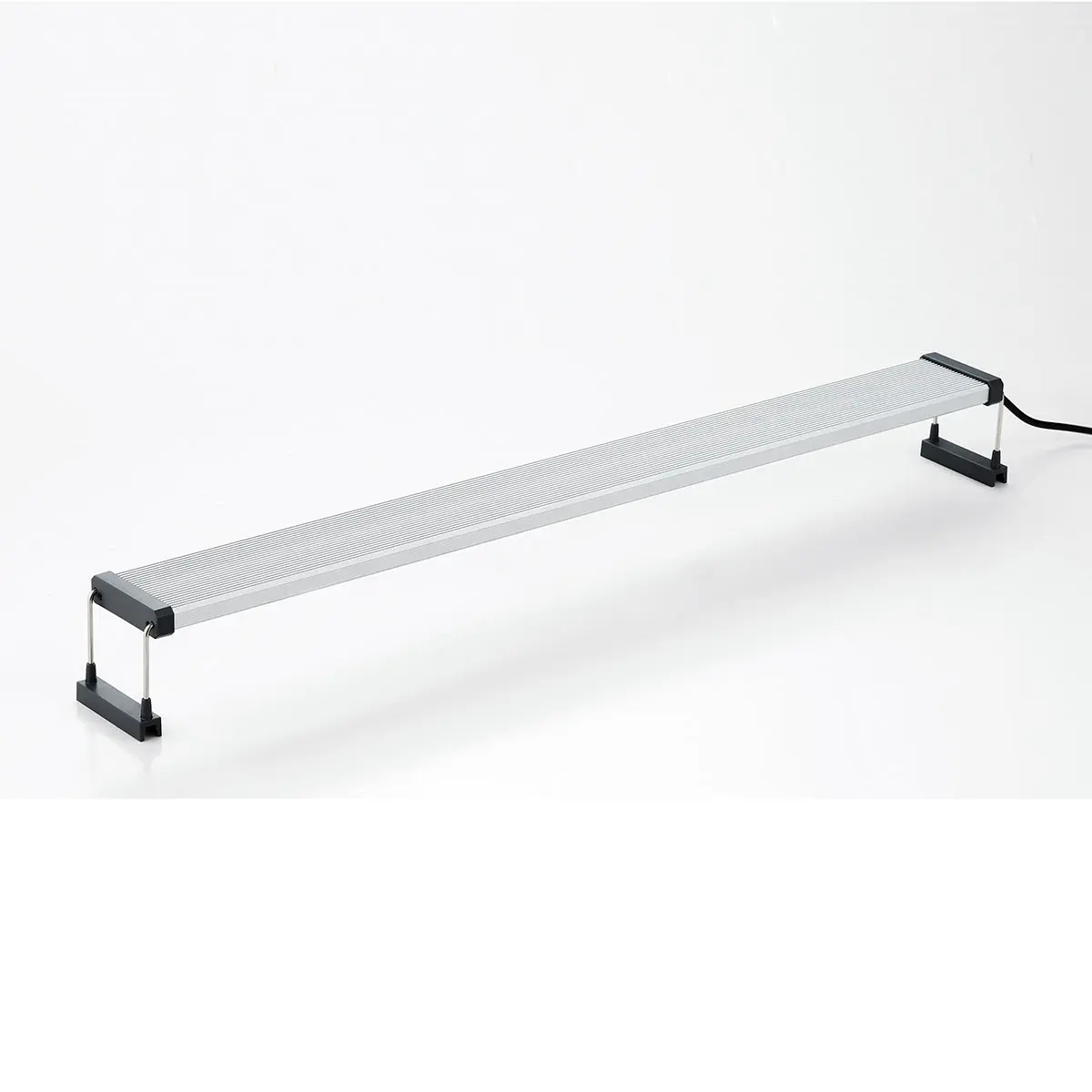
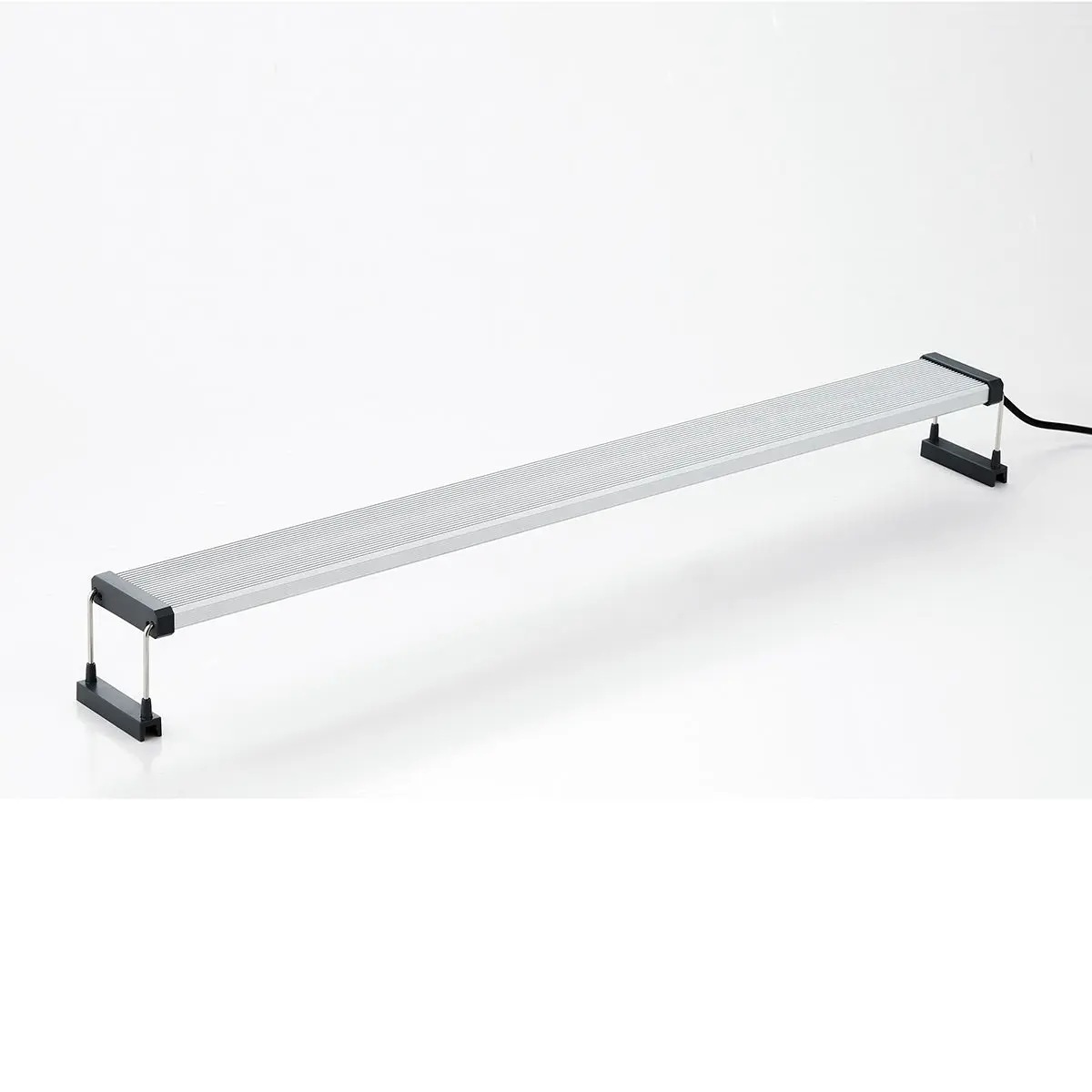
Adjust lighting
Provide moderate to bright lighting with a photoperiod of 10-12 hours daily to encourage healthy growth. ([studioscaped.com](https://www.studioscaped.com/knowledge-base/plants/sagittaria-subulata?utm_source=openai))
- 5
Monitor water parameters
Maintain water temperatures between 22-28°C (72-82°F) and a pH range of 6.5-7.5. Regularly test water parameters to ensure they remain within these ranges. ([aquariadise.com](https://www.aquariadise.com/sagittaria/?utm_source=openai))
- 6
Fertilize appropriately
While Sagittaria subulata can grow without CO₂ supplementation, providing CO₂ can enhance its growth and overall health. ([tropica.com](https://tropica.com/en/plants/plantdetails/?id=4530&utm_source=openai))
- 7
Maintain the tank
Regularly trim back old or damaged leaves to encourage new growth and maintain the plant's overall health and appearance. ([studioscaped.com](https://www.studioscaped.com/knowledge-base/plants/sagittaria-subulata?utm_source=openai))
Frequently asked questions
What are the ideal water parameters for Sagittaria subulata?▾
Sagittaria subulata thrives in water temperatures between 22-28°C (72-82°F) and a pH range of 6.5-7.5. It can tolerate a variety of water conditions, including hard and slightly brackish water. ([aquariadise.com](https://www.aquariadise.com/sagittaria/?utm_source=openai))
How should I plant Sagittaria subulata in my aquarium?▾
Plant Sagittaria subulata in a nutrient-rich substrate, spacing individual plants 2-4 cm apart. Ensure they are securely anchored to promote healthy root development. ([tropica.com](https://tropica.com/en/plants/plantdetails/?id=4530&utm_source=openai))
Does Sagittaria subulata require CO₂ supplementation?▾
No, Sagittaria subulata does not require CO₂ supplementation. However, providing CO₂ can enhance its growth and overall health. ([tropica.com](https://tropica.com/en/plants/plantdetails/?id=4530&utm_source=openai))
What lighting conditions are best for Sagittaria subulata?▾
Sagittaria subulata prefers moderate to bright lighting. While it can tolerate lower light conditions, insufficient light may induce slower growth and reduced vigor. Aim for a photoperiod of 10-12 hours daily. ([studioscaped.com](https://www.studioscaped.com/knowledge-base/plants/sagittaria-subulata?utm_source=openai))
How do I propagate Sagittaria subulata?▾
Sagittaria subulata propagates through runners. Small 'daughter' plants form along the runners and can be separated once they develop roots. These new plants can be gently removed and replanted to cover other areas of the aquarium. ([coastgemusa.com](https://www.coastgemusa.com/products/sagittaria-subulata?utm_source=openai))
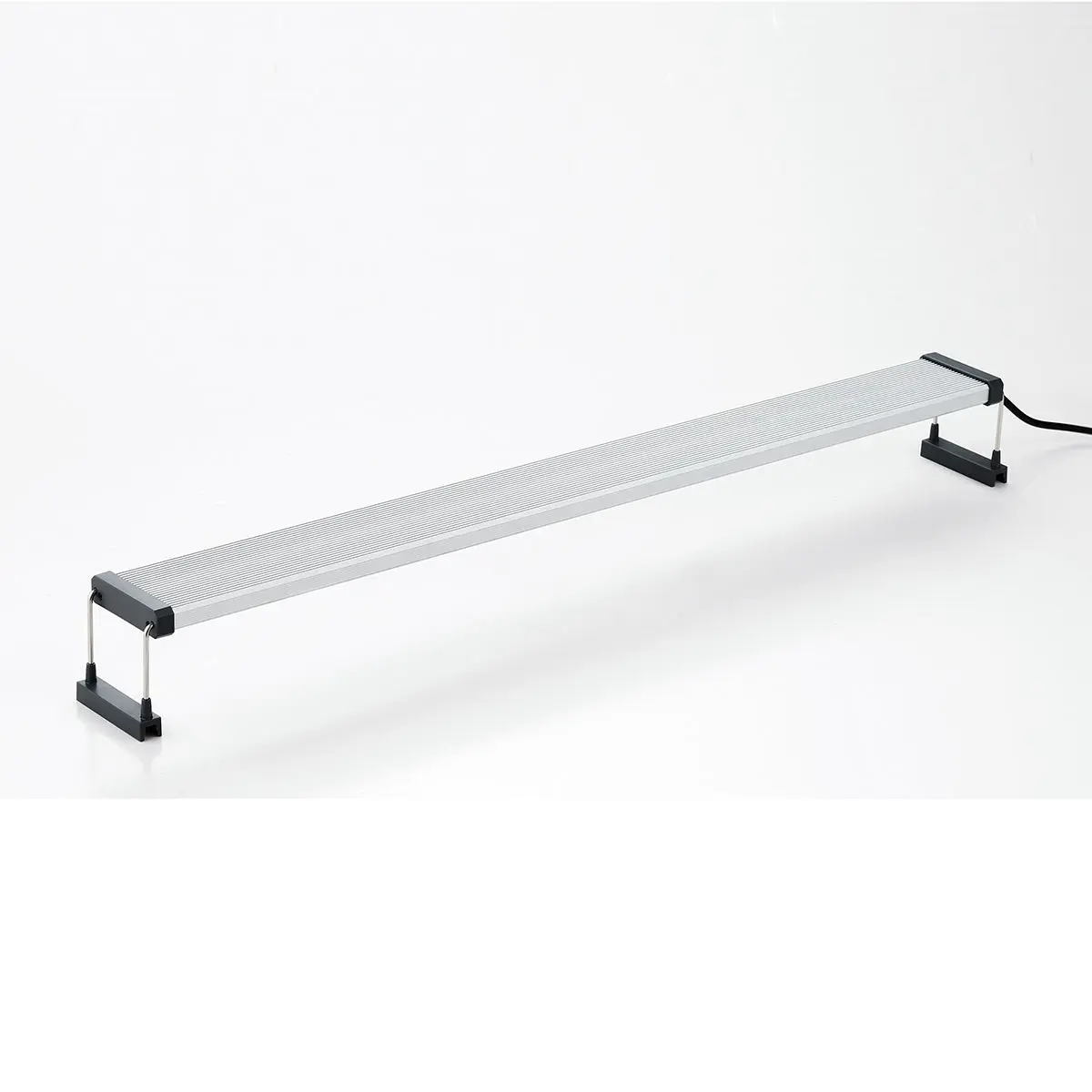
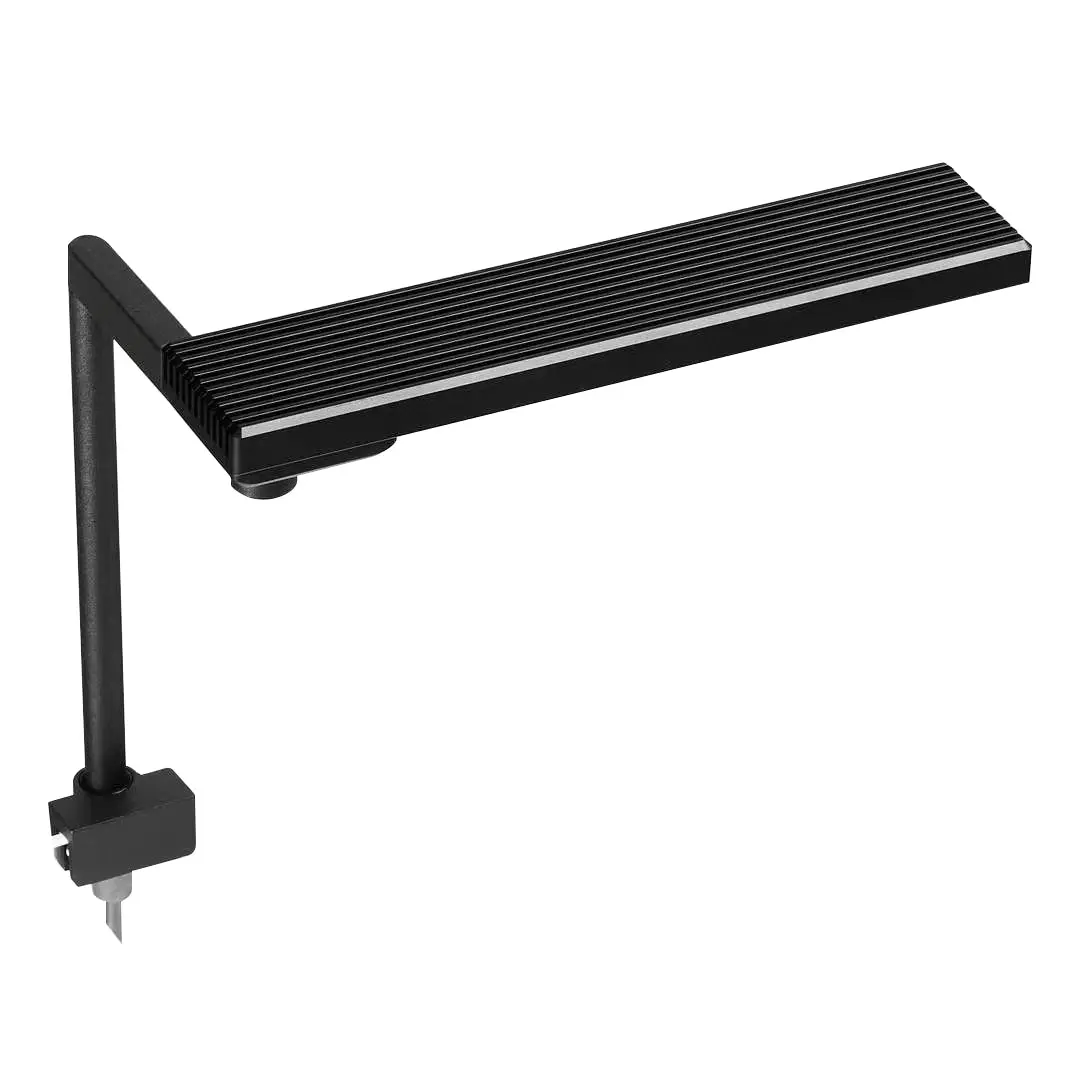
Lighting that can support this plant
Suggested from plant care level and compatibility.