

Illustrative images
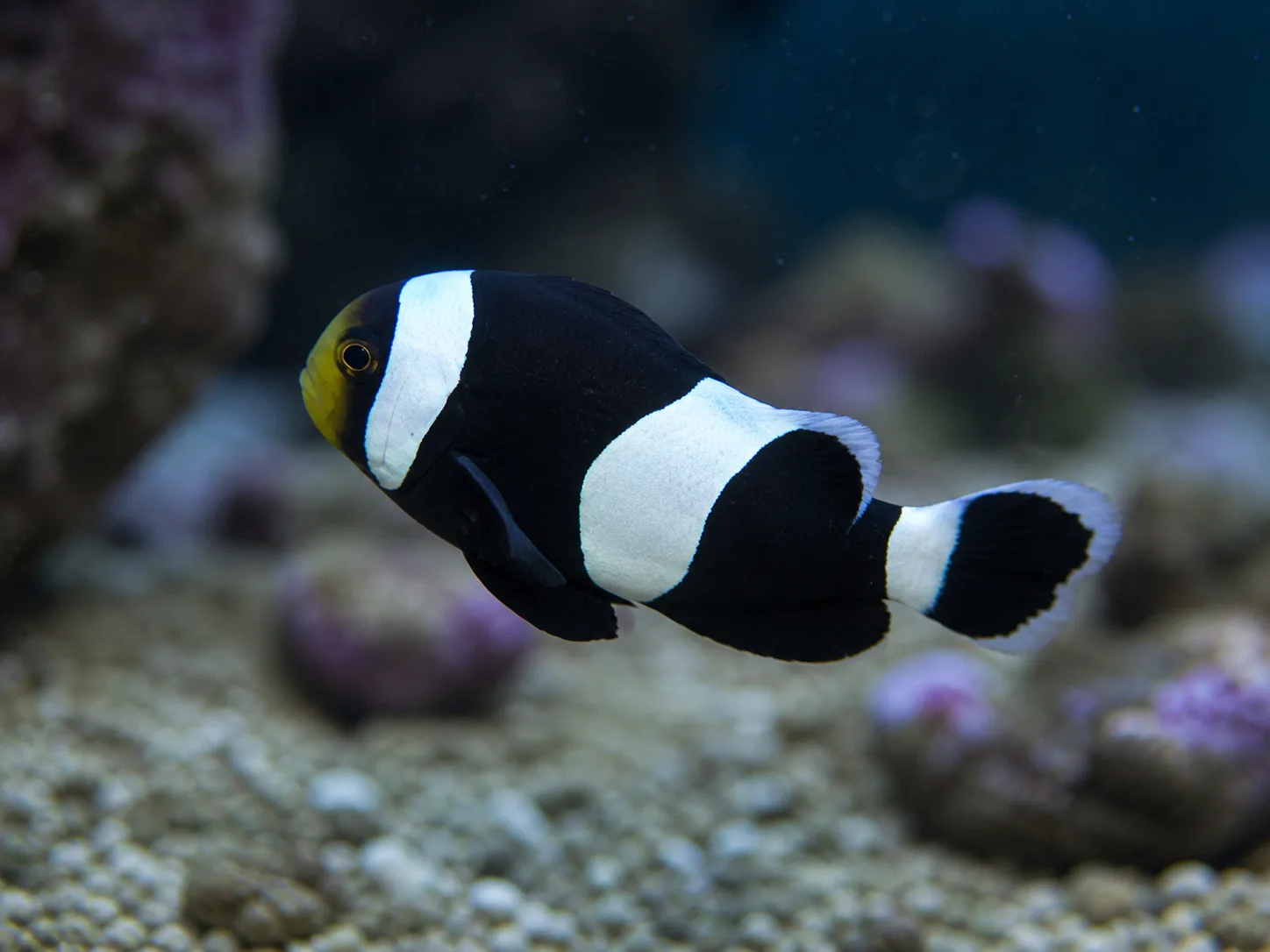
Saddleback Clownfish
Amphiprion polymnus
Overview
The Saddleback Clownfish, scientifically known as Amphiprion polymnus, is a fascinating species that is popular among marine aquarists. This vibrant fish is easily recognizable due to its striking coloration and unique body markings.
Natural Habitat
Native to the coral reefs of the Indo-Pacific region, particularly in areas rich with sea anemones, the Saddleback Clownfish thrives in warm, shallow waters. These fish form symbiotic relationships with anemones, providing them with protection while obtaining food and shelter in return.
Care Requirements
Caring for Saddleback Clownfish requires a bit of attention, but they are generally considered suitable for aquarists with moderate experience.
- Tank Size: A minimum tank size of 75 liters (20 gallons) is recommended.
- Water Type: They thrive in marine environments.
- Temperature: Ideally, maintain a water temperature between 24–27°C (75–80°F).
- Salinity: The ideal salinity level is between 1.020 and 1.025 specific gravity.
- pH Level: Keep the pH around 8.1 to 8.4.
Tank Setup
When setting up a tank for Saddleback Clownfish, consider replicating their natural environment. This includes:
- Providing plenty of hiding spots, such as caves and rock formations.
- Incorporating live plants and coral structures to enhance the aesthetics and comfort of the fish.
- Adding sea anemones, which will significantly improve the wellbeing of the clownfish.
Compatibility
Saddleback Clownfish can usually coexist peacefully with various species. However, keep in mind the following:
- They are semi-aggressive, especially towards their own kind unless kept in pairs.
- Best to avoid tank mates that may nip at their fins.
- Good companions include other small reef-safe fish.
Feeding
Saddleback Clownfish are omnivores and benefit from a varied diet that includes:
- High-quality flakes or pellets.
- Frozen or live foods, such as brine shrimp and mysis shrimp.
- Vegetable matter on occasion, like spirulina or algae.
Lifespan
With proper care, Saddleback Clownfish can live up to 10 years or more in captivity.
Conclusion
The Saddleback Clownfish is an engaging and colorful species that can thrive with the right conditions and care. They make excellent additions to marine tanks, especially for those looking to experience the beauty of symbiotic relationships in a home aquarium.
How to care for Saddleback Clownfish
- 1
Set up the tank
Use a well-established aquarium with plenty of rock work and swimming area. A minimum tank size of 30 gallons (114 liters) is recommended.
- 2
Acclimate slowly
Acclimate the fish slowly to the new environment to reduce stress and prevent shock.
- 3
Maintain water parameters
Keep water temperature between 74–82°F (23–28°C), salinity at 1.020–1.025, pH between 8.1 and 8.5, and alkalinity at 8–12 dKH.
- 4
Provide hiding places
Ensure the tank has plenty of caves and hiding places among live rock and coral to mimic natural habitat.
- 5
Feed appropriately
Offer a varied diet including marine pellets, flakes, frozen mysis shrimp, enriched brine shrimp, and chopped seafood.
- 6
Monitor behavior
Observe the fish for signs of stress or aggression, and adjust tank conditions or tankmates as needed.
Frequently asked questions
What are the ideal water parameters for Saddleback Clownfish?▾
Maintain water temperature between 74–82°F (23–28°C), salinity at 1.020–1.025, pH between 8.1 and 8.5, and alkalinity at 8–12 dKH.
What is the minimum tank size for Saddleback Clownfish?▾
A minimum tank size of 30 gallons (114 liters) is recommended for Saddleback Clownfish.
What do Saddleback Clownfish eat?▾
Saddleback Clownfish are omnivores, feeding on a variety of foods including marine pellets, flakes, frozen mysis shrimp, enriched brine shrimp, and chopped seafood.
Can Saddleback Clownfish live without an anemone?▾
Yes, Saddleback Clownfish can live without an anemone, but providing one can enrich their environment and reduce stress.
Are Saddleback Clownfish reef-safe?▾
Yes, Saddleback Clownfish are completely reef-safe with all corals and invertebrates.