

Illustrative images
Rotala wallichii
Rotala wallichii
Overview
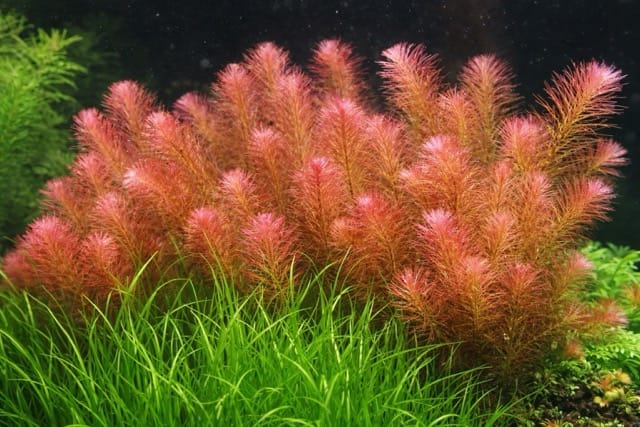
Rotala wallichii is a popular aquatic plant known for its delicate appearance and vibrant coloration. Native to Southeast Asia, it thrives in freshwater environments and is particularly favored by aquascapers for its versatility in different aquarium setups. This plant features slender stems adorned with narrow, lance-shaped leaves, which can vary in color from green to a reddish hue under optimal light conditions.
Natural Habitat
In its natural habitat, Rotala wallichii can be found in shallow waters of rivers and wetlands. It prefers areas with slow-moving water and abundant light, which contribute to its growth and vibrant leaf coloration. The plant is often submerged, and its natural environment allows for the development of intricate root systems.
Care Requirements
Caring for Rotala wallichii requires some attention to detail but is manageable for most hobbyists.
Tank Setup
Your aquarium should provide ample lighting, as Rotala wallichii responds well to bright light, which enhances its growth and color. A nutrient-rich substrate can help provide the necessary nutrients to the plant.
Water Parameters
- Temperature: While specific ranges are not provided, ideally, maintain a temperature comfortable for other freshwater species.
- pH: Aim for a moderately acidic to neutral pH level.
- Hardness: This plant flourishes in soft to moderately hard water.
Lighting
Rotala wallichii benefits from high light conditions. Providing about 2-3 watts per gallon of lighting and ensuring that the light is on for approximately 10-12 hours a day can encourage healthy growth and better coloration.
CO2 Requirements
While not absolutely necessary, CO2 injection can significantly enhance growth and color vibrancy. If you choose to use CO2, maintaining a consistent supply will yield the best results.
Compatibility
Rotala wallichii is a great addition to most community tanks due to its relatively peaceful nature. It works well with a variety of fish species, particularly those that inhabit the mid to upper levels of the tank. However, avoid keeping it with overly aggressive fish as they may disturb the delicate stems and leaves.
Feeding and Maintenance
Regular trimming is necessary to keep this plant healthy and encourage bushier growth. Besides trimming, fertilization can sustain its health, particularly in a high-light setup. A liquid fertilizer that contains trace elements can be beneficial.
Conclusion
Rotala wallichii is an appealing choice for aquarists looking to add color and intricacy to their aquarium. Although it requires attention to light and nutrient levels, the rewards are well worth the effort, making it a satisfying addition for both novice and experienced hobbyists.
How to care for Rotala wallichii
- 1
Set up the tank
Prepare a tank with soft, slightly acidic water (pH 5.5–7.0), a temperature of 70°F–82°F (21°C–28°C), and a hardness of 2–8 dGH. Use a fine gravel substrate and ensure high-intensity lighting for 8–10 hours daily.
- 2
Plant Rotala wallichii
Place the stems in the midground to background areas, anchoring them securely in the substrate. Consider using nutrient-rich substrates or root tabs to support growth.
- 3
Maintain water parameters
Regularly monitor and adjust water parameters to maintain a pH of 5.5–7.0, temperature of 70°F–82°F (21°C–28°C), and hardness of 2–8 dGH.
- 4
Provide CO₂ supplementation
Install a CO₂ injection system to support healthy growth and enhance coloration, aiming for a CO₂ concentration of 20–40 mg/L.
- 5
Trim and propagate
Regularly trim the upper stems to encourage bushier growth. To propagate, trim the upper stems and replant the cuttings in the substrate.
Frequently asked questions
What are the ideal water parameters for Rotala wallichii?▾
Rotala wallichii thrives in soft, slightly acidic water with a pH of 5.5 to 7.0, a temperature range of 70°F to 82°F (21°C to 28°C), and a hardness of 2 to 8 dGH.
How should I plant Rotala wallichii in my aquarium?▾
Plant Rotala wallichii in the midground to background areas using a fine gravel substrate. Ensure the stems are securely anchored, and consider using nutrient-rich substrates or root tabs to support growth.
What lighting conditions are best for Rotala wallichii?▾
Provide high-intensity lighting for 8–10 hours daily to promote vibrant pink and red coloration. Inadequate lighting can cause the plant to become leggy and lose its reddish hues.
Is CO₂ supplementation necessary for Rotala wallichii?▾
Yes, CO₂ injection is highly recommended to support healthy growth and enhance coloration. It helps the plant thrive and maintain its vibrant hues.
How do I propagate Rotala wallichii?▾
Propagate by trimming the upper stems and replanting the cuttings in the substrate. This encourages bushier growth and maintains the plant's appearance.
Lighting that can support this plant
Suggested from plant care level and compatibility.
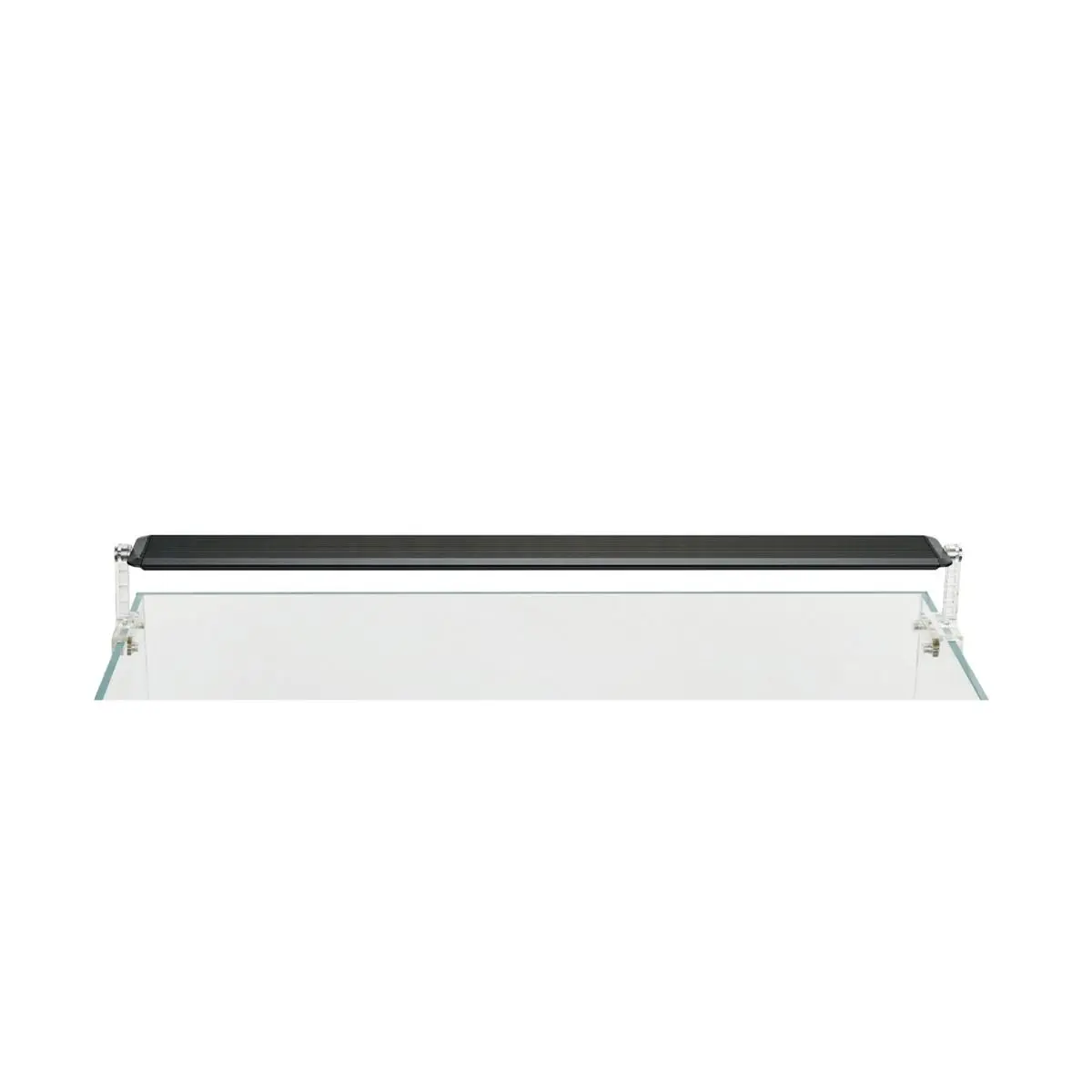
Chihiros A II 1201
Chihiros
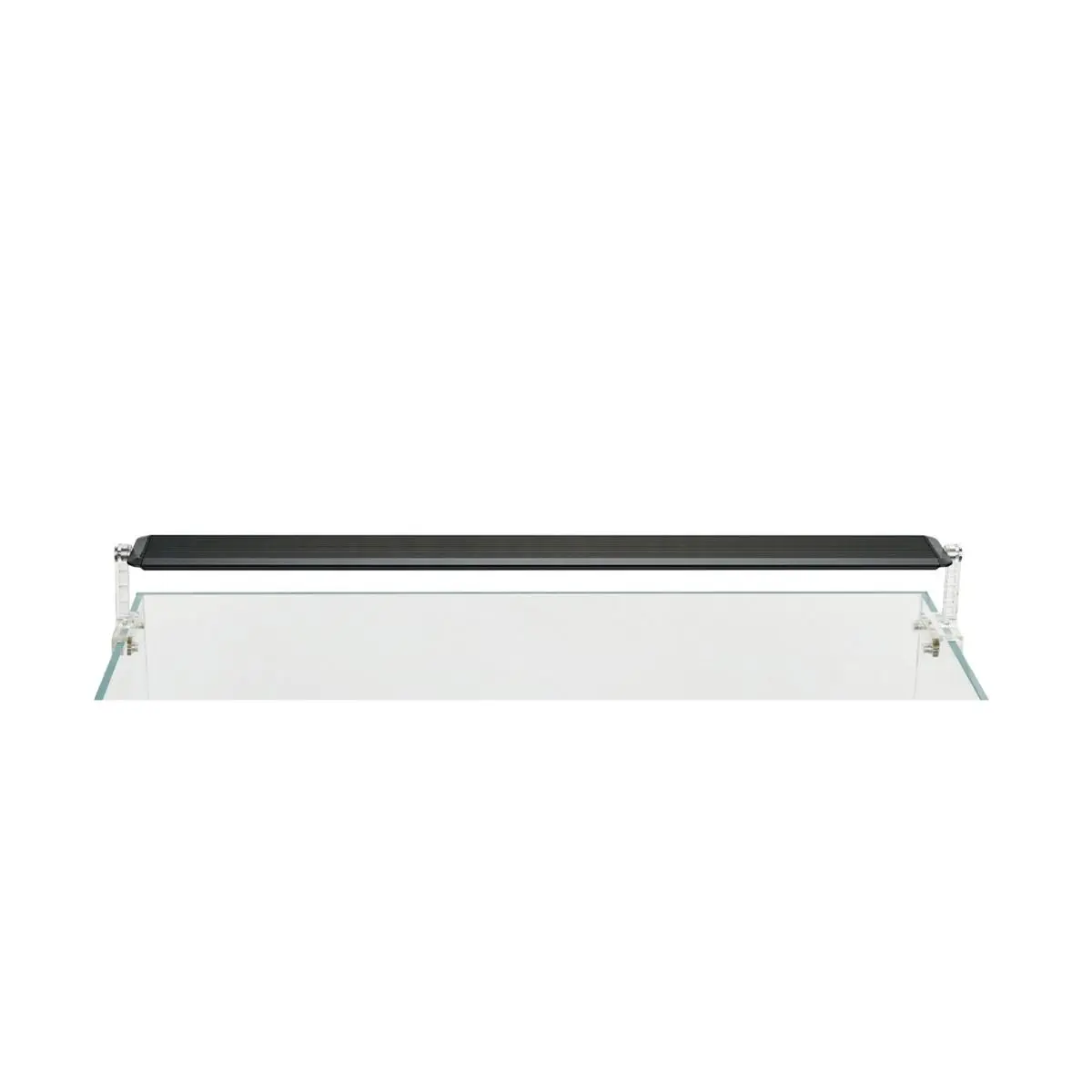
Chihiros A II 301
Chihiros
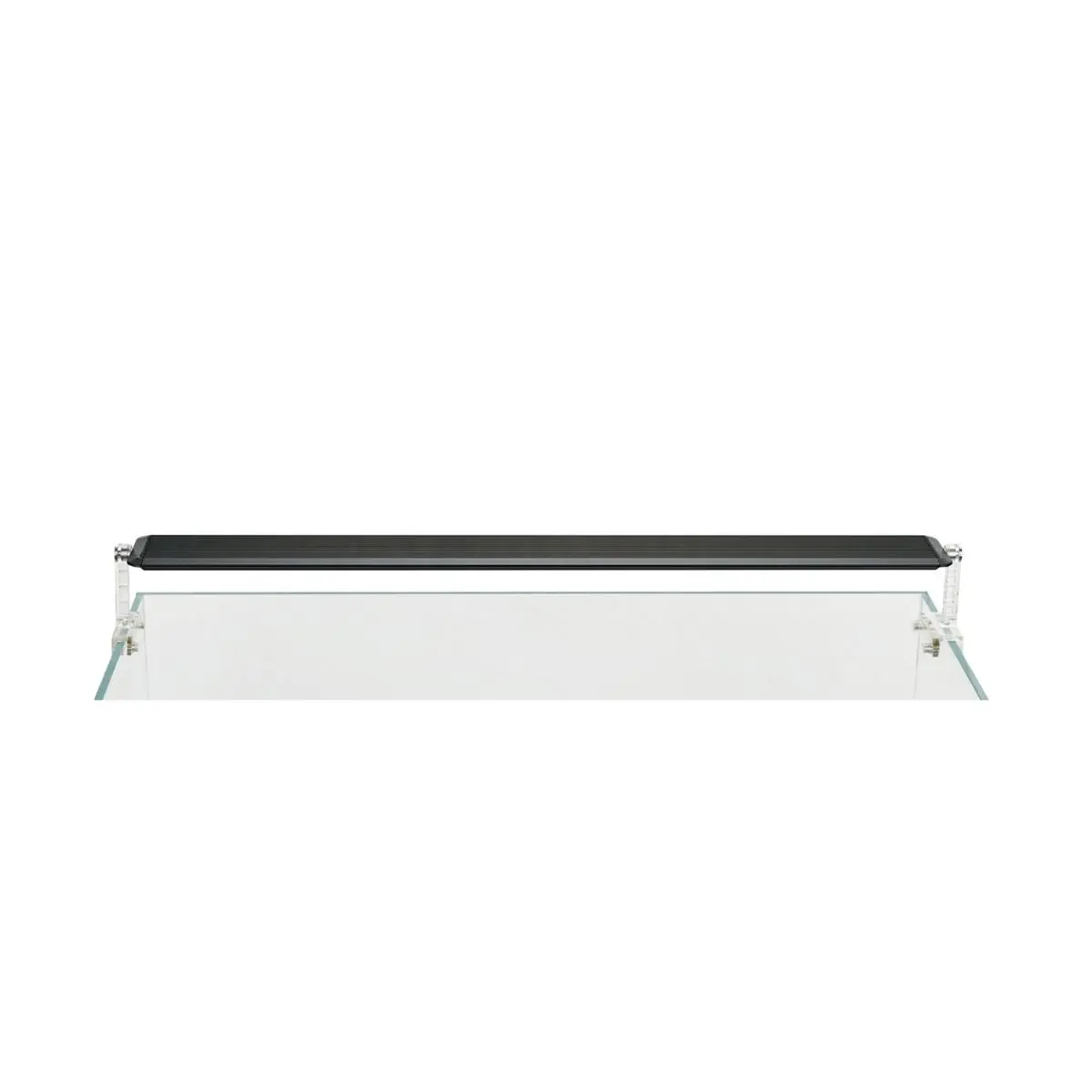
Chihiros A II 601
Chihiros
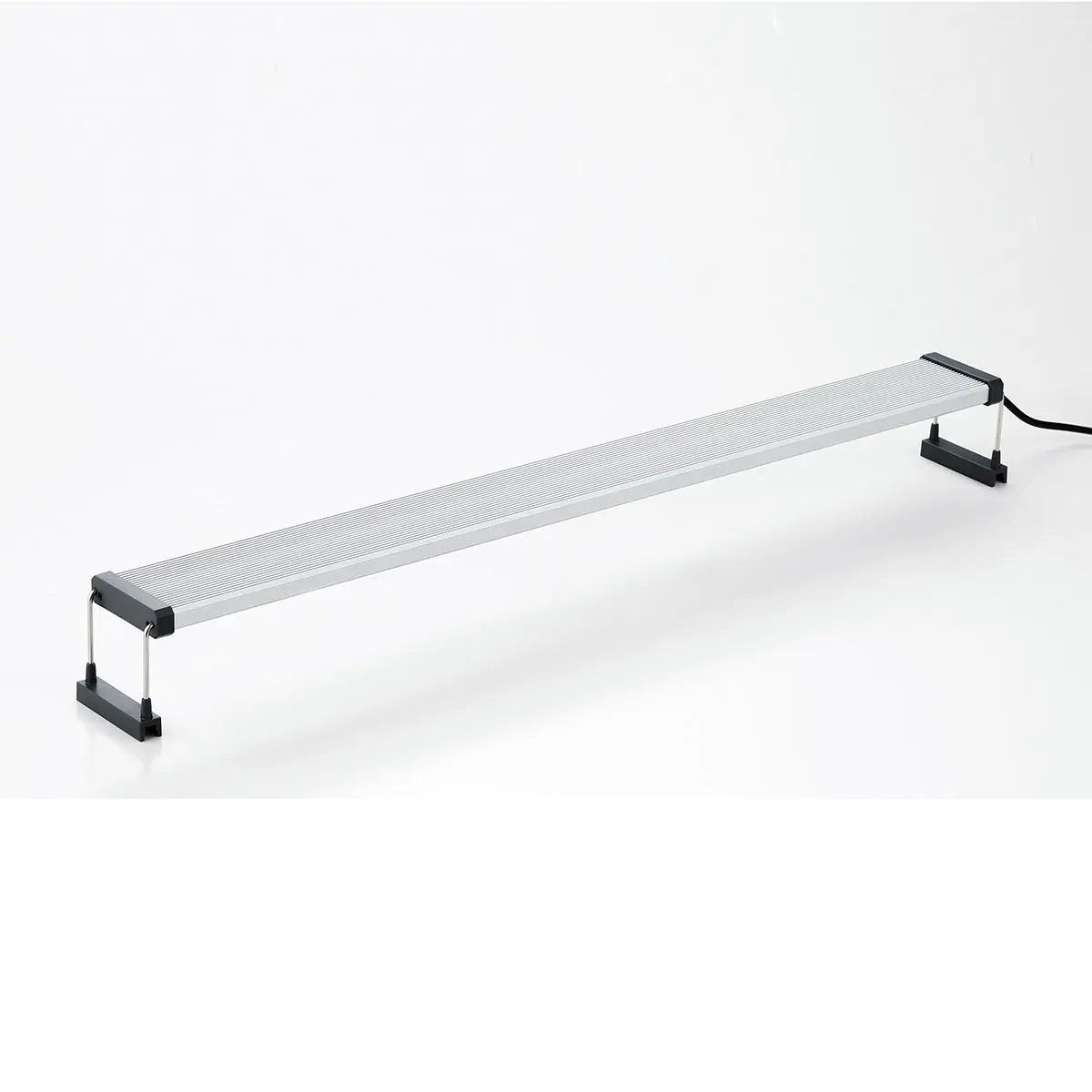
Chihiros B120
Chihiros
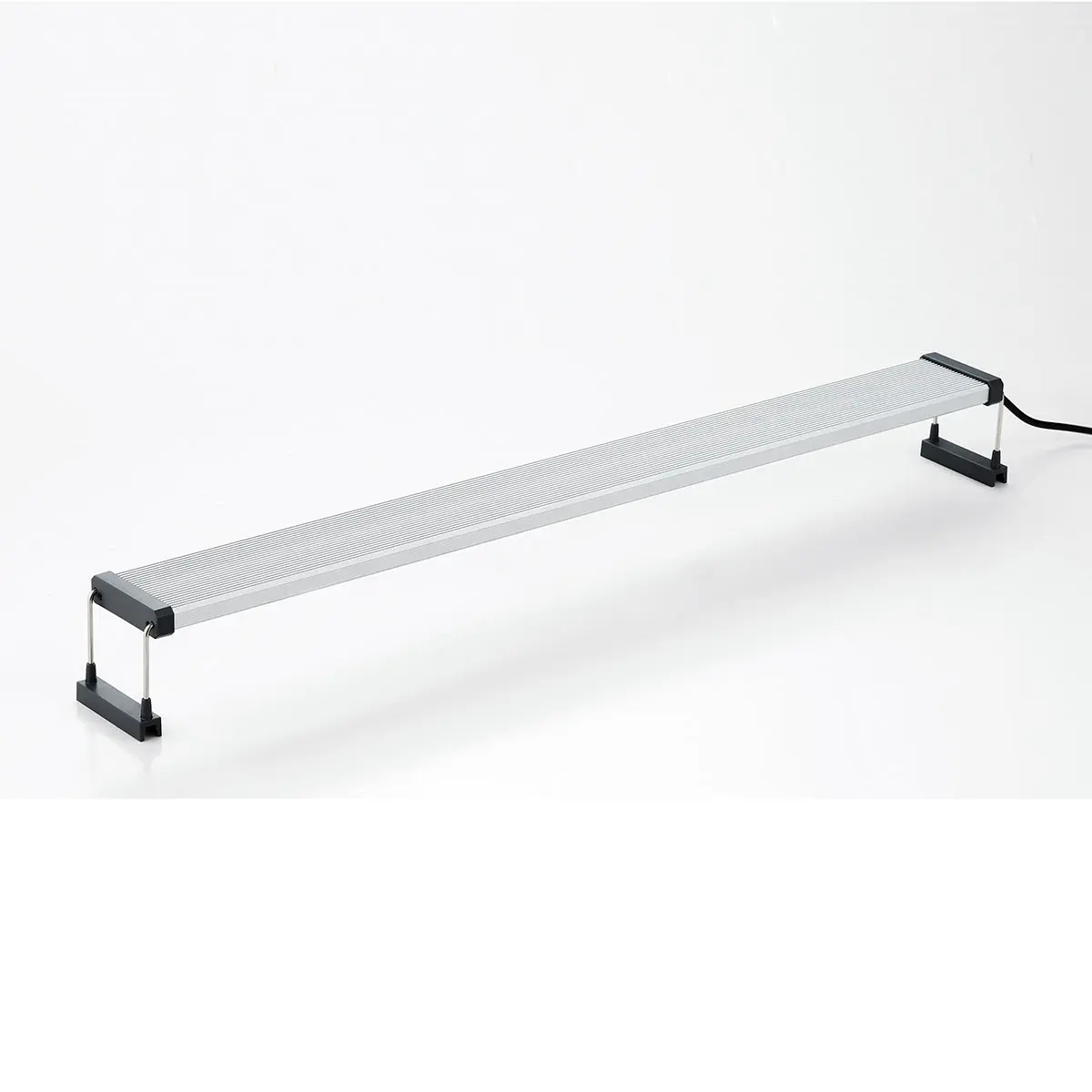
Chihiros B20
Chihiros
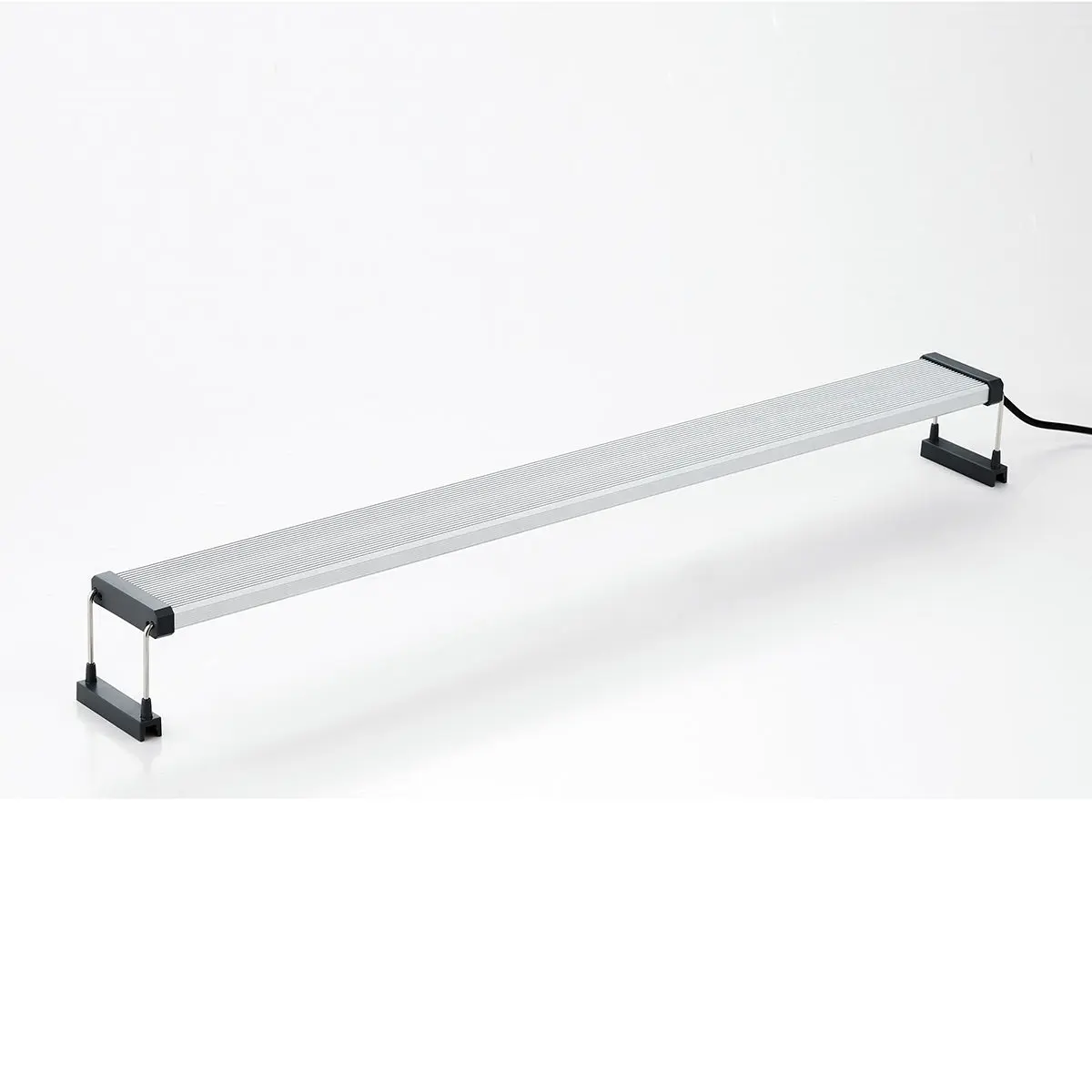
Chihiros B90
Chihiros
Chihiros Nova 1
Chihiros
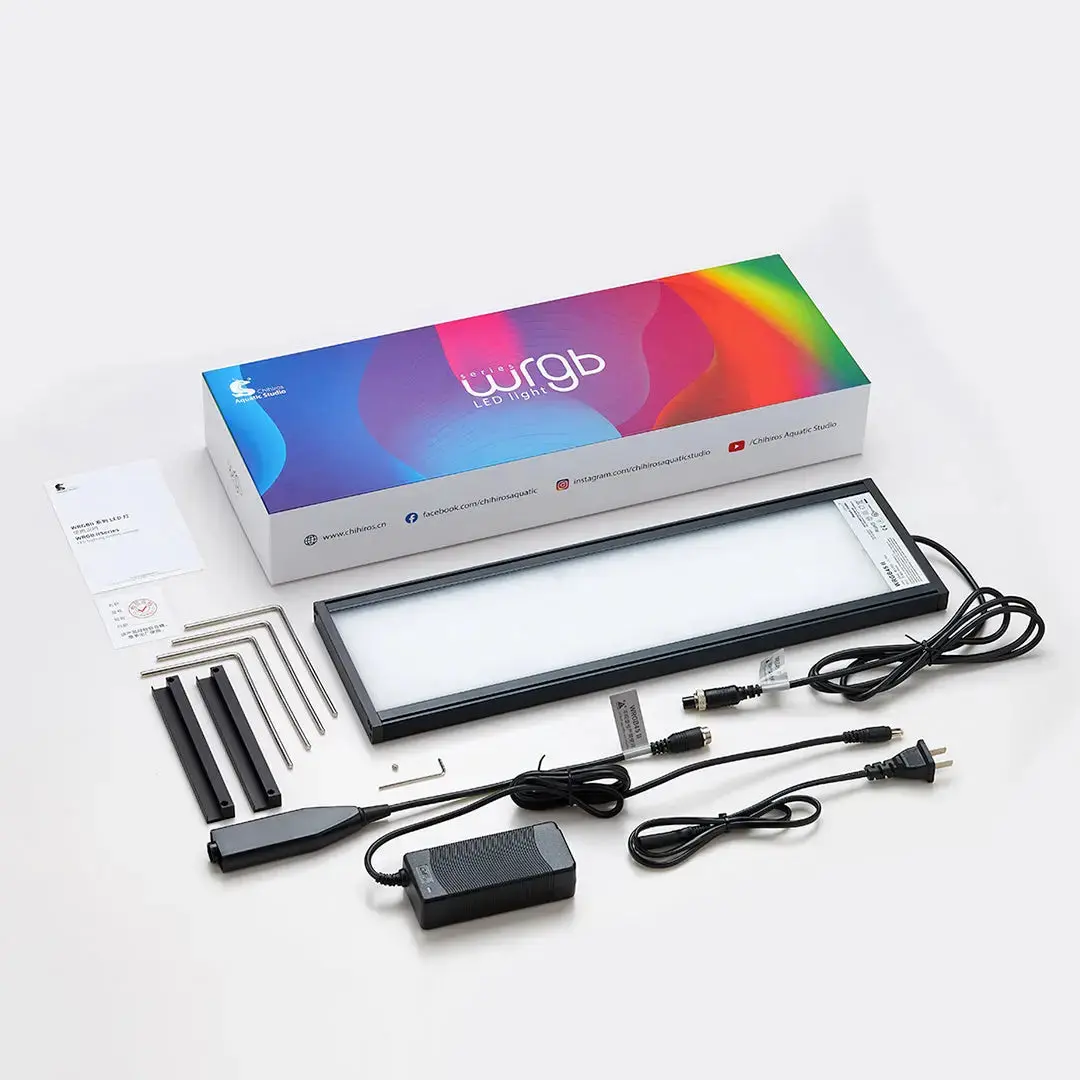
Chihiros RGB Vivid 2
Chihiros
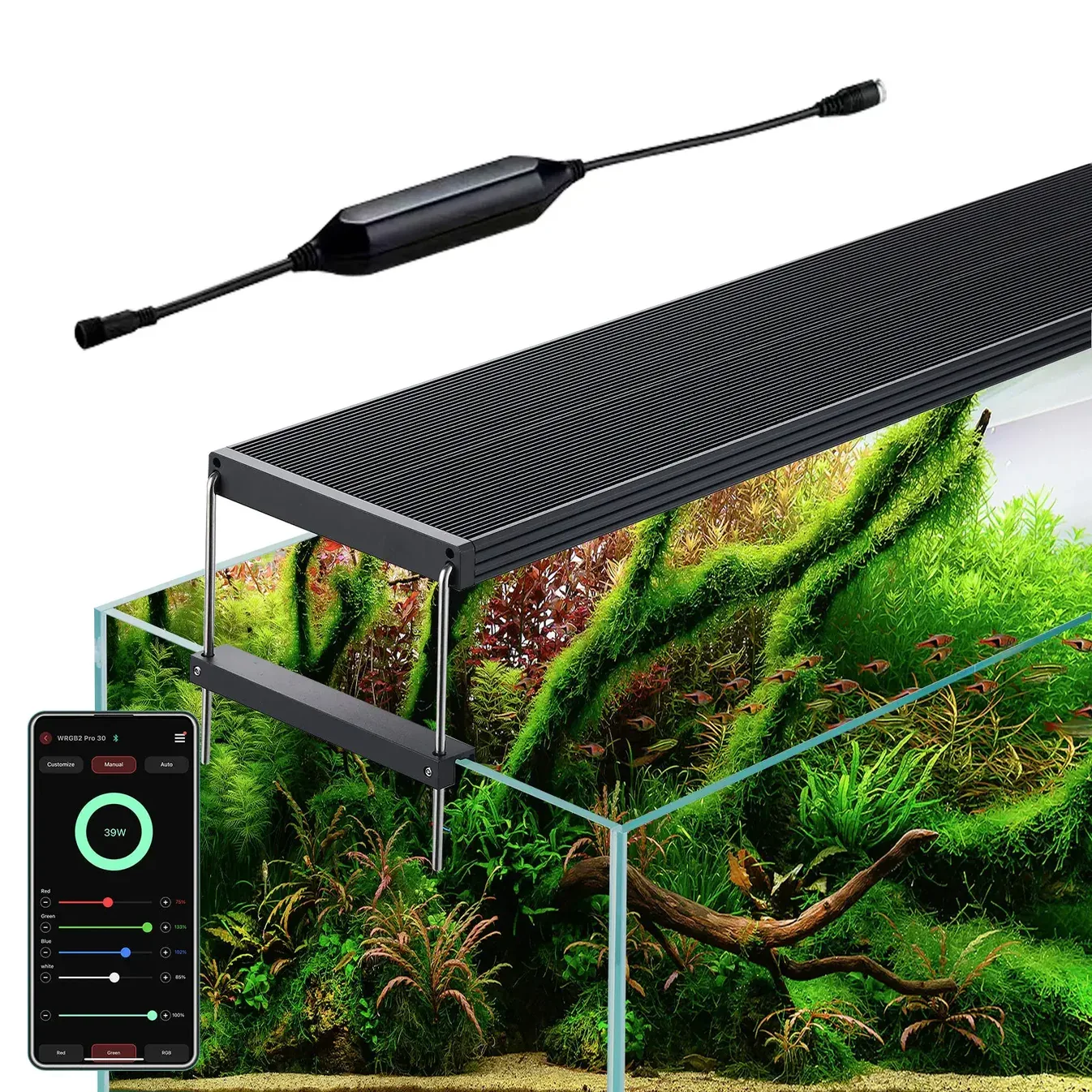
Chihiros WRGB II Pro 120
Chihiros
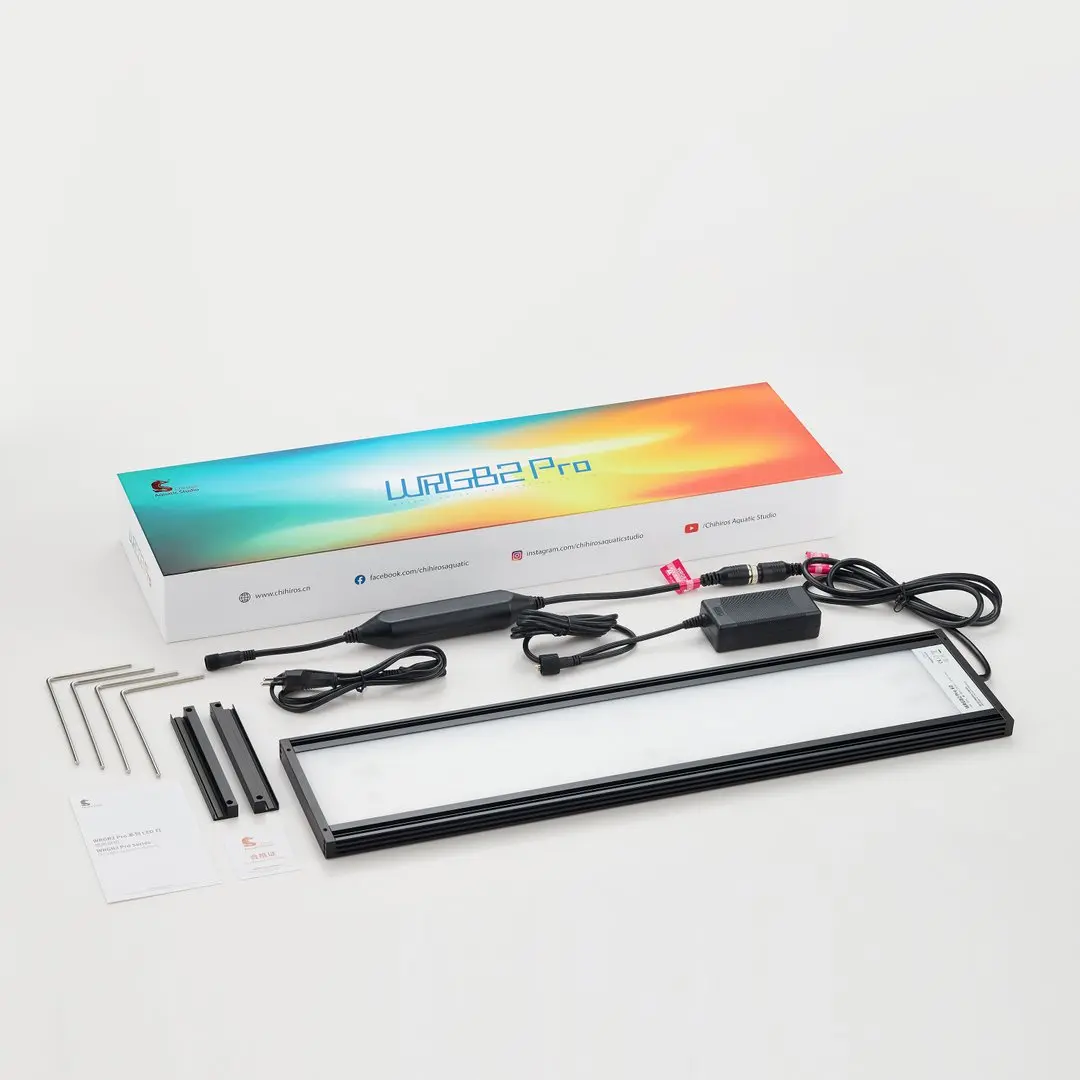
Chihiros WRGB II Pro 30
Chihiros
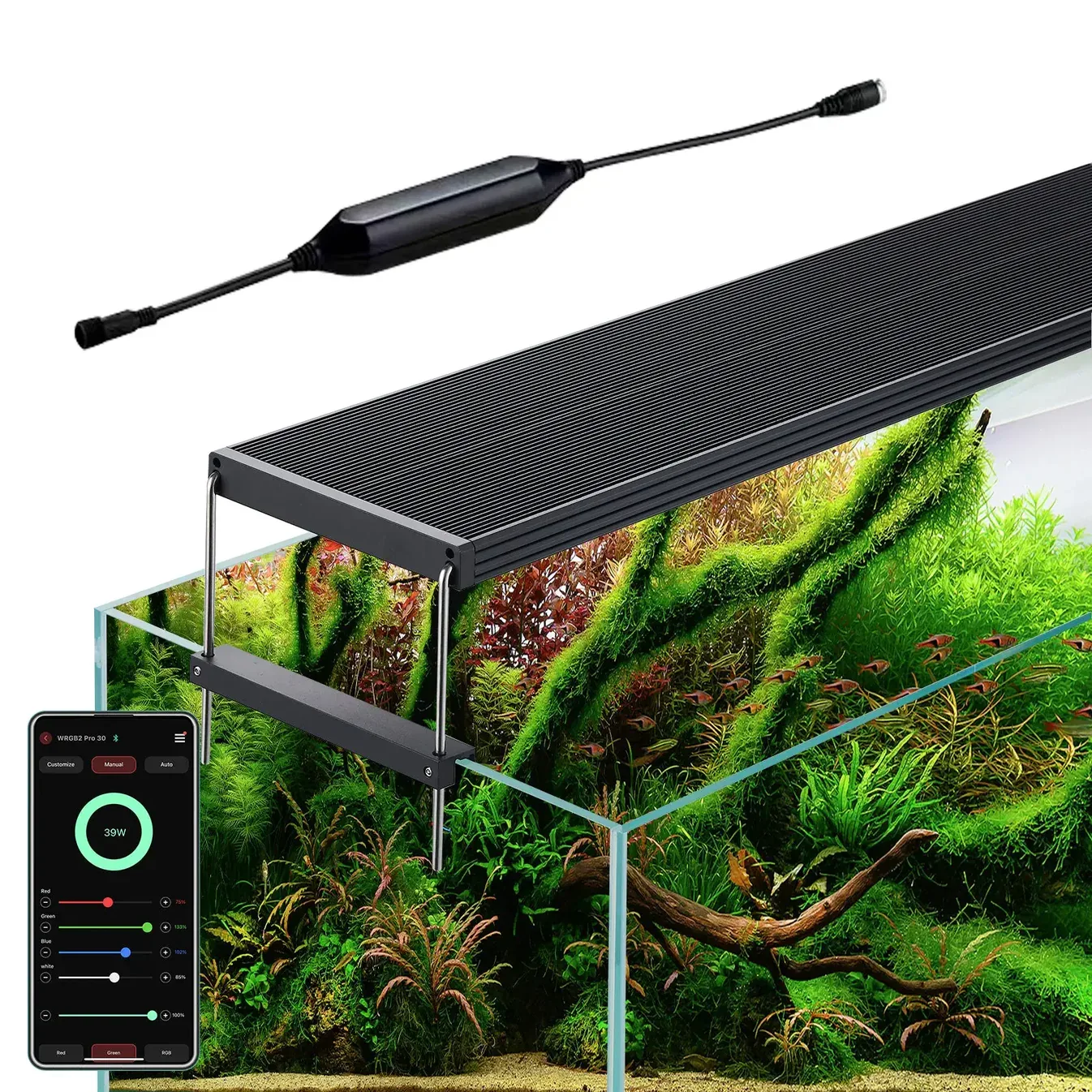
Chihiros WRGB II Pro 45
Chihiros
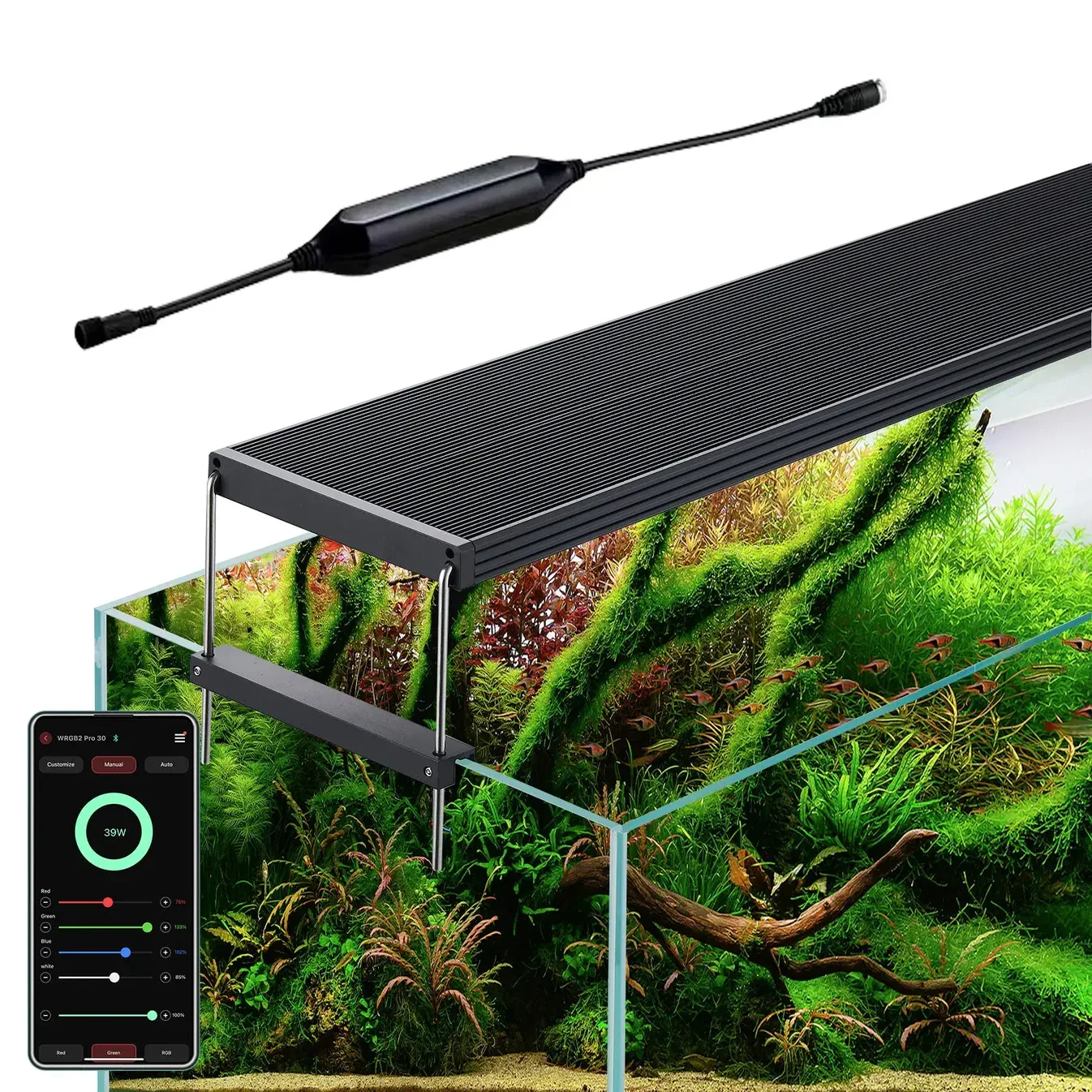
Chihiros WRGB II Pro 60
Chihiros