Illustrative images
Rotala indica 'Bonsai'
Rotala indica 'Bonsai'
Overview
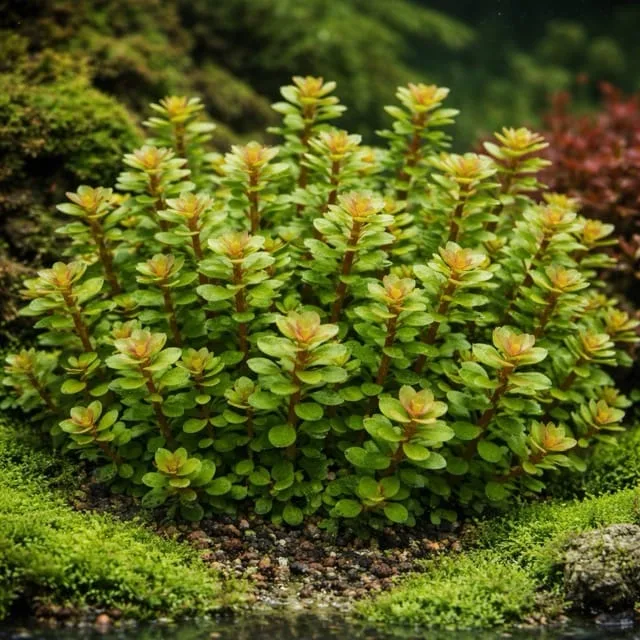
Rotala indica 'Bonsai' is a popular aquatic plant known for its compact growth and vibrant foliage. It is a great choice for aquascapers looking to add detail and color to their tanks. This species is often used in nano tanks and as a foreground or midground plant due to its small stature.
Natural Habitat
This plant is native to Southeast Asia, where it can be found in shallow waters and wetlands. In its natural habitat, it thrives in warm, nutrient-rich waters, making it well-suited for aquarium conditions when properly cared for.
Care Requirements
Rotala indica 'Bonsai' is generally considered a medium-care plant. It benefits from high light conditions for optimal growth, and it is recommended to provide a nutrient-rich substrate to promote healthy development.
Tank Setup
When setting up a tank for Rotala indica 'Bonsai', consider the following:
- Minimum Tank Size: While it can be grown in smaller tanks, a minimum of 10 gallons is preferable.
- Substrate: A nutrient-rich substrate will help deliver essential nutrients.
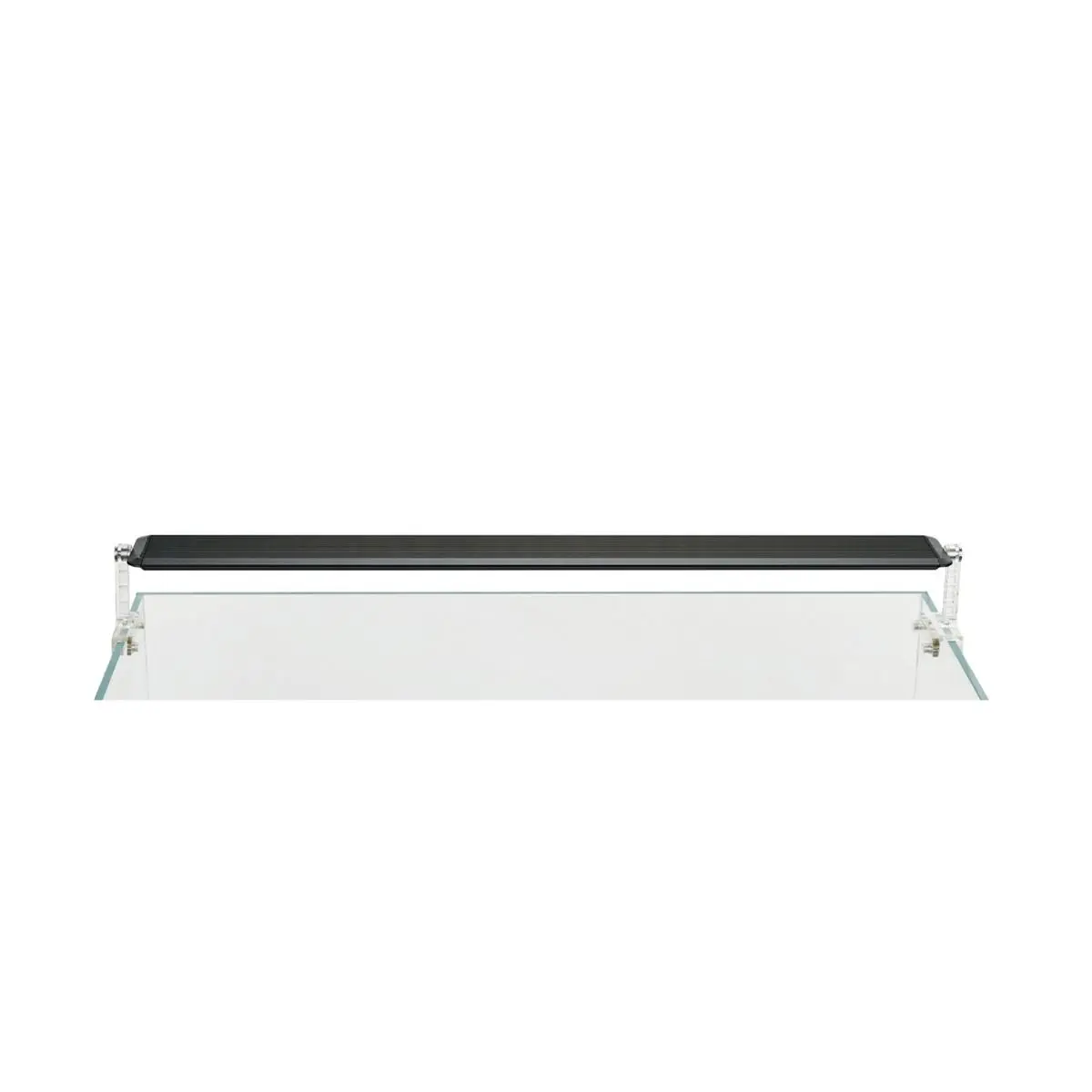
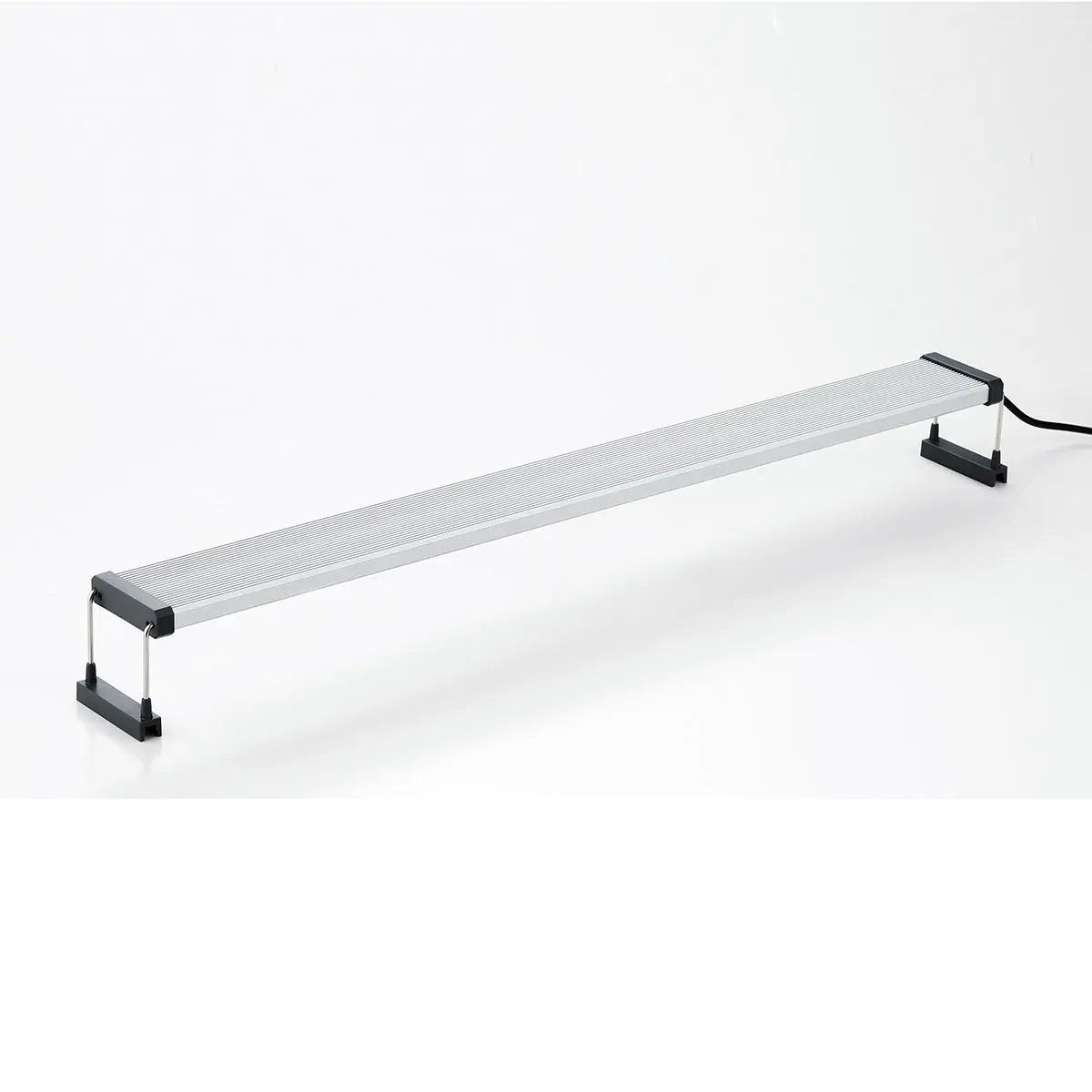
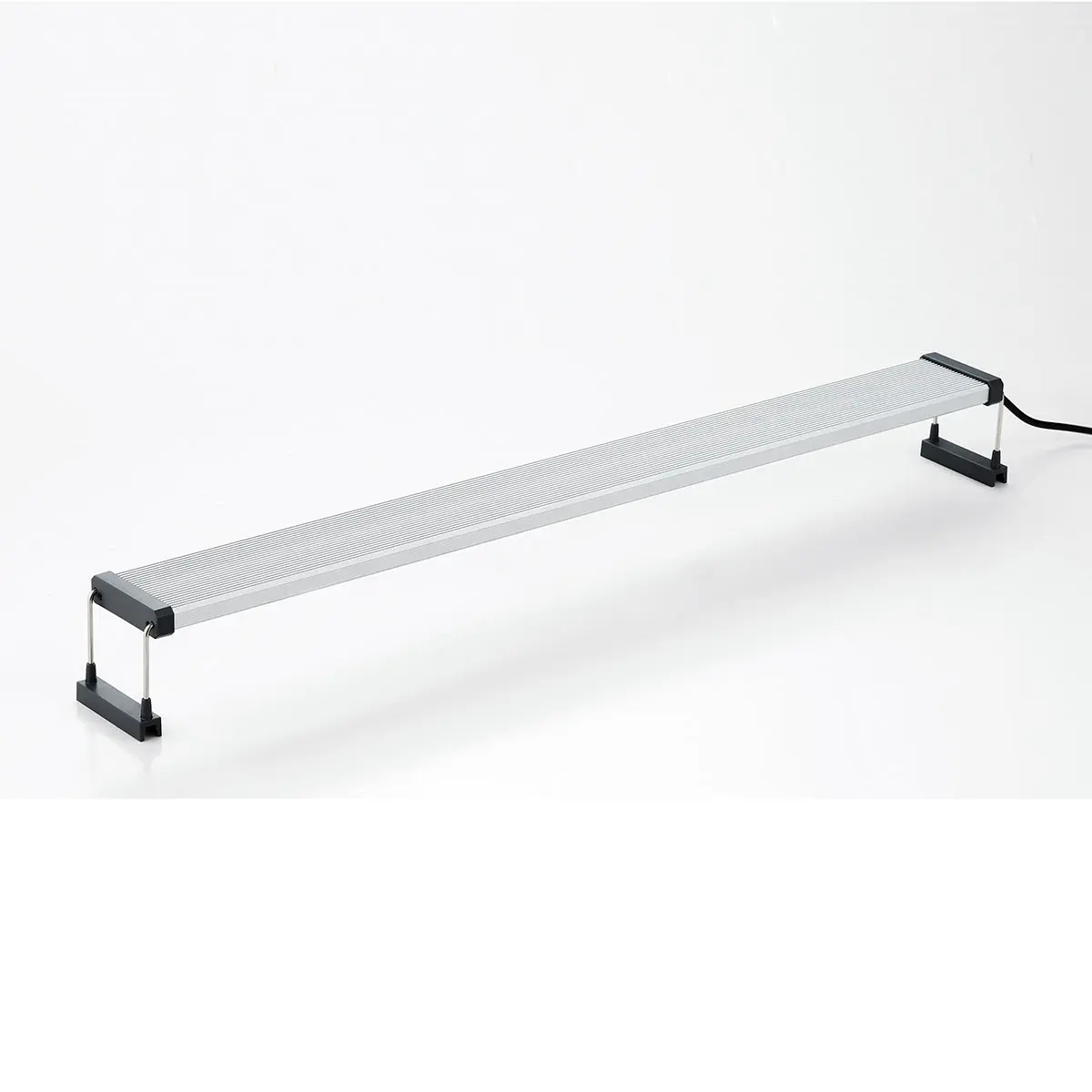
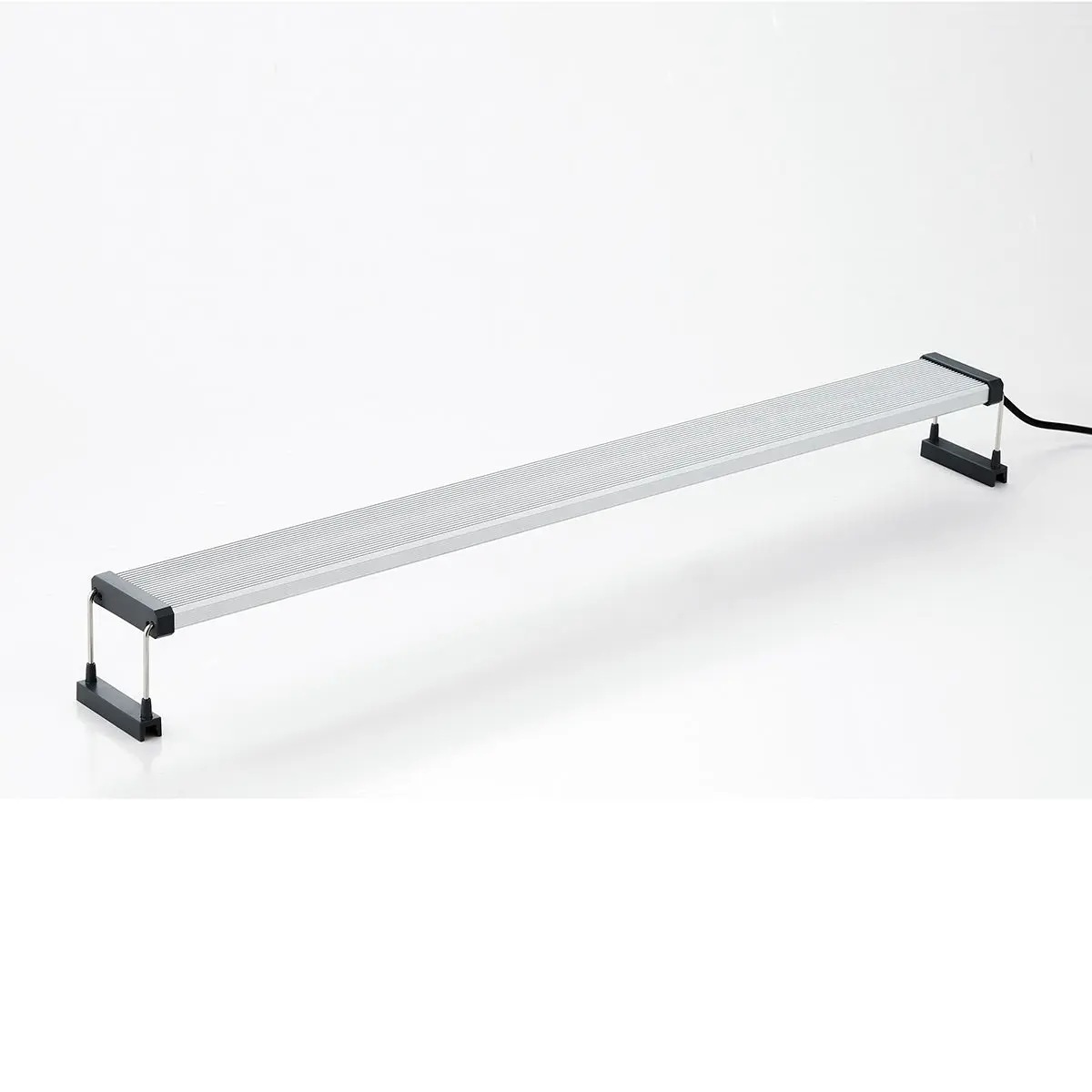
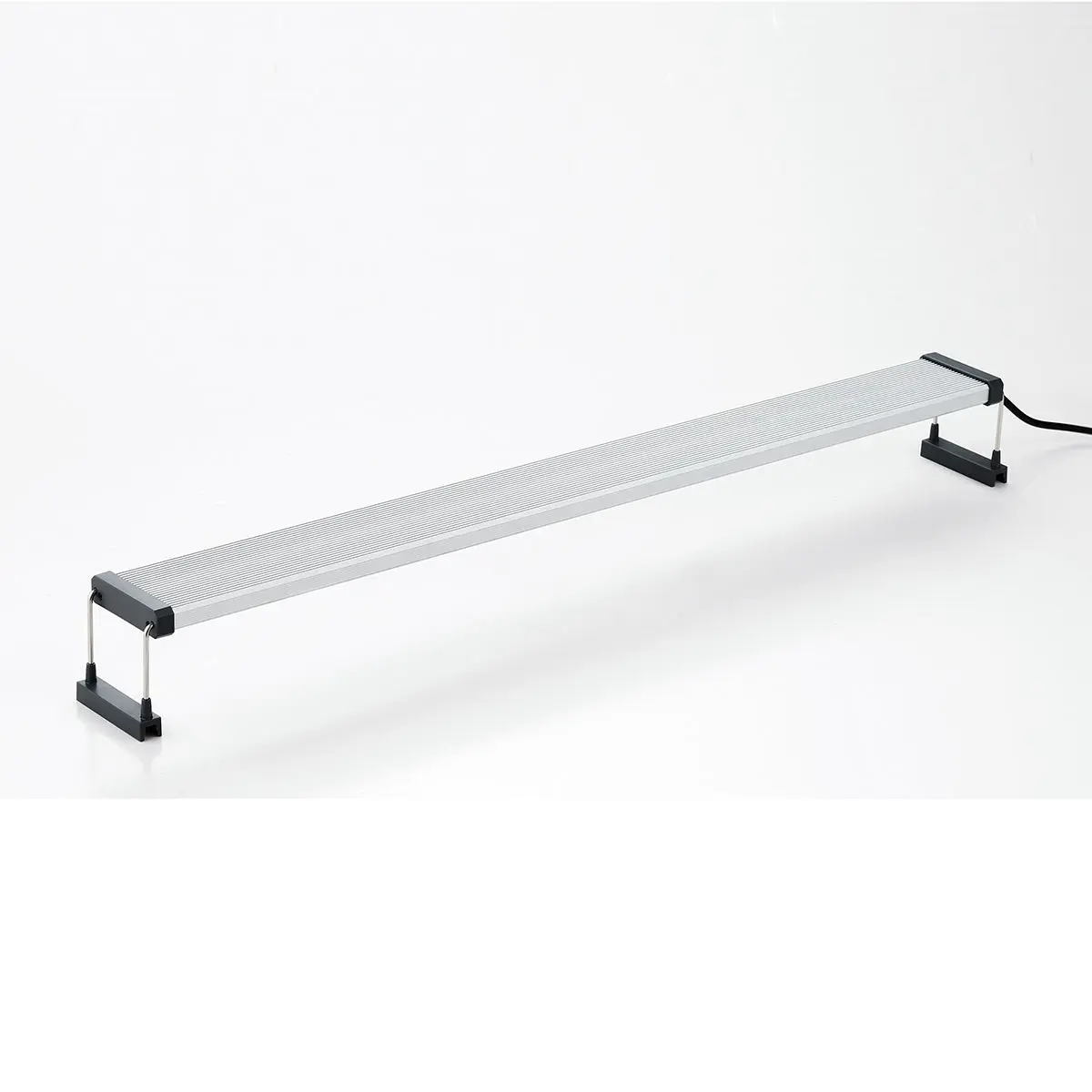
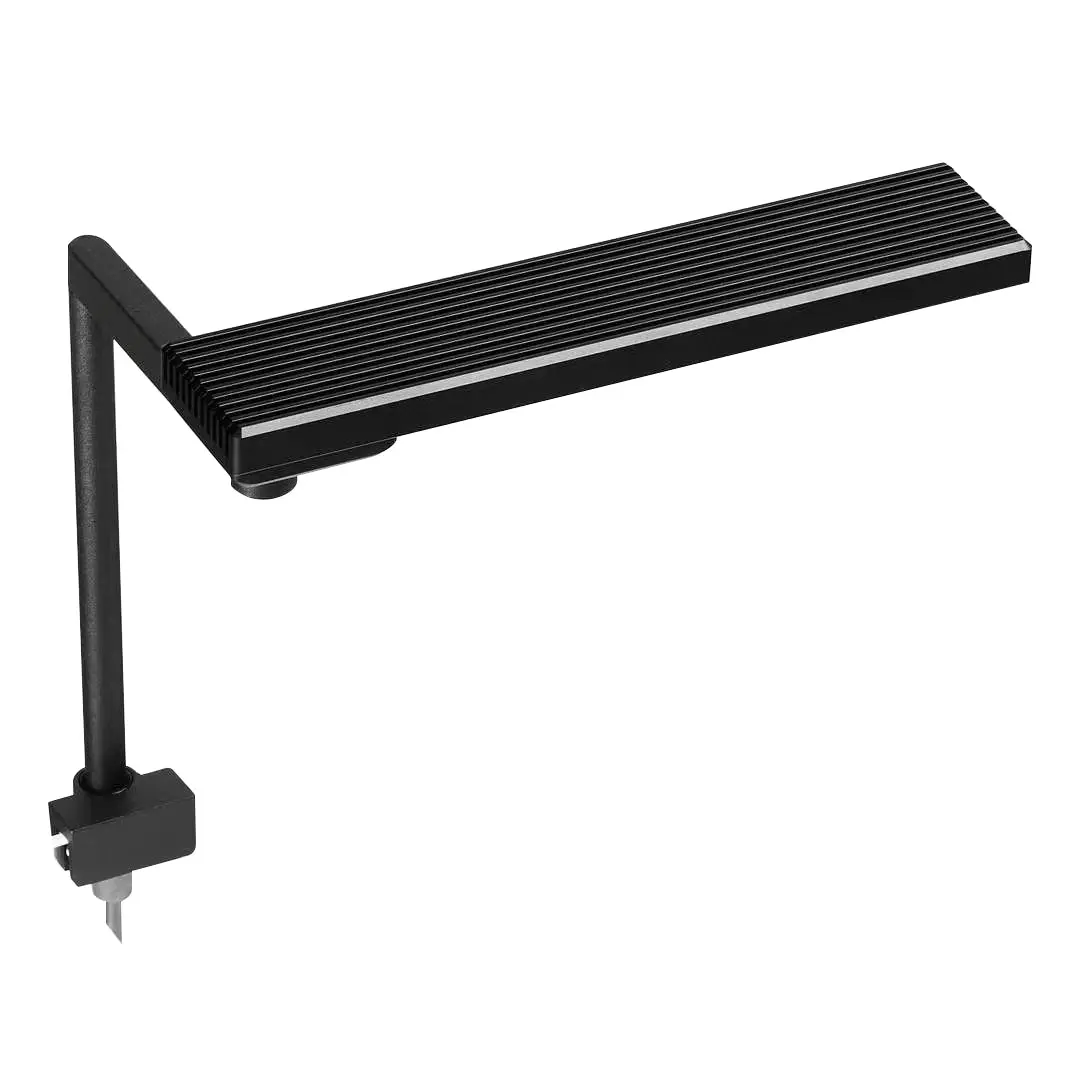
- Lighting: High light intensity is ideal to encourage compact growth and vibrant color.
Compatibility
This plant can be kept with a variety of fish and invertebrates. However, it is important to avoid any species known to uproot or eat the plant, such as certain cichlids.
Feeding and Lighting
Routine fertilization is recommended, especially if you notice slow growth or yellowing leaves. Regular doses of liquid fertilizers will help maintain nutrient levels in the water column. Additionally, CO2 supplementation can greatly enhance growth rates and coloration.
Conclusion
Rotala indica 'Bonsai' is a fantastic addition to any aquascape, providing both aesthetic value and a challenge for hobbyists to grow. With appropriate care, it can thrive and create a stunning underwater display.
How to care for Rotala indica 'Bonsai'
- 1
Set up the tank
Ensure your aquarium has a nutrient-rich substrate and stable water parameters: temperature 72-82°F (22-28°C), pH 6.0-7.5, hardness 2-10 dKH.
- 2
Plant Rotala indica 'Bonsai'
Plant in small groups, spacing stems closely together. Regular trimming encourages dense, bushy growth.
- 3
Provide appropriate lighting
Use medium to high lighting to promote compact growth and vibrant coloration. Under high light, stem tips may develop a reddish hue.
- 4
Consider CO₂ injection
While not strictly necessary, CO₂ injection promotes faster growth and enhances the plant's coloration, especially under high lighting conditions.
- 5
Maintain water parameters
Regularly monitor and adjust water temperature (72-82°F or 22-28°C), pH (6.0-7.5), and hardness (2-10 dKH) to keep the plant healthy.
- 6
Fertilize appropriately
Use a nutrient-rich substrate and supplement with root tabs or liquid fertilizers to provide essential nutrients.
- 7
Prune regularly
Trim healthy stems and replant cuttings to encourage lateral growth and maintain the plant's compact form.
Frequently asked questions
What are the ideal water parameters for Rotala indica 'Bonsai'?▾
Rotala indica 'Bonsai' thrives in water temperatures between 72-82°F (22-28°C), with a pH of 6.0-7.5 and hardness ranging from 2-10 dKH.
How should I plant Rotala indica 'Bonsai' in my aquarium?▾
Plant Rotala indica 'Bonsai' in small groups, trimming regularly to encourage dense growth. Replant cuttings within the group to achieve a more compact appearance.
Does Rotala indica 'Bonsai' require CO₂ injection?▾
While not strictly necessary, CO₂ injection promotes faster growth and enhances the plant's coloration, especially under high lighting conditions.
What lighting conditions are best for Rotala indica 'Bonsai'?▾
Provide medium to high lighting to maintain compact growth and vibrant coloration. Under high light, stem tips may develop a reddish hue.
How do I propagate Rotala indica 'Bonsai'?▾
Propagate by trimming healthy stems and replanting the cuttings into the substrate. Regular pruning encourages lateral growth and maintains the plant's compact form.
Lighting that can support this plant
Suggested from plant care level and compatibility.