

Illustrative images
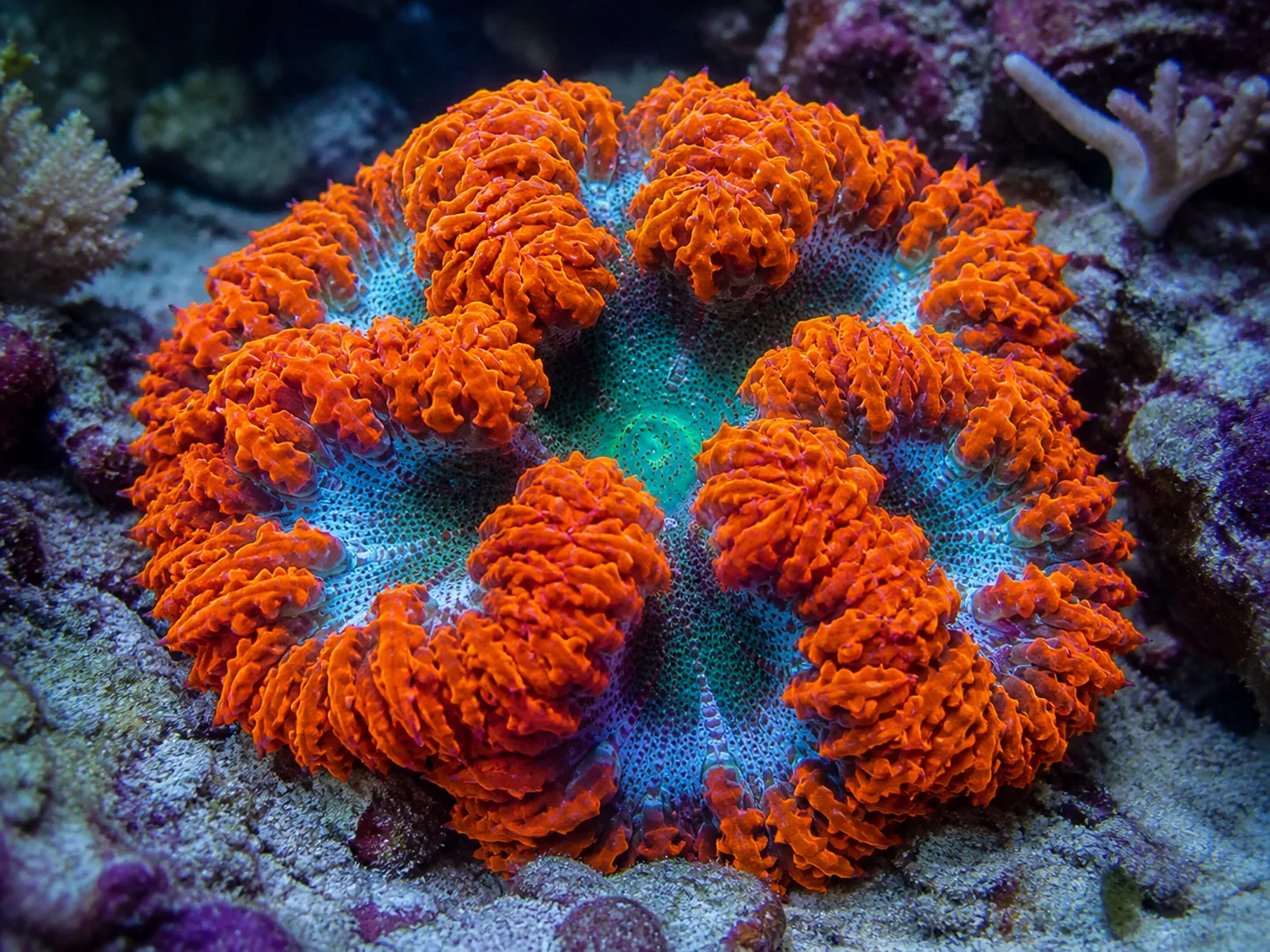
Rock Flower Anemone
Phymanthus crucifer
Overview
The Rock Flower Anemone, often sought after by marine aquarium enthusiasts, is known for its vibrant colors and unique appearance. Despite its common name, it is not a fish but a sessile invertebrate belonging to the family Aiptasiidae. These anemones are native to the warm waters of the Caribbean and the Atlantic Ocean, thriving on rocky substrates in tidal pools and shallow reef areas.
Natural Habitat
Rock Flower Anemones are typically found in environments with moderate water flow and light. They attach themselves to rocks and can also be found in sandy areas, where they can retract into the substrate during unfavorable conditions. Their ability to adapt to different environments makes them an interesting choice for aquarists.
Care Requirements
Caring for Rock Flower Anemones in a home aquarium requires some attention to detail, although they are generally considered beginner-friendly. They thrive in well-established aquariums that provide stable water parameters and quality filtration.
- Water Type: Marine
- Temperature: Aiming for approximately 22-26 °C (72-79 °F) is ideal.
- pH Level: Maintain a pH of 8.1 to 8.4 for optimal health.
- Salinity: A salinity level of 1.021 to 1.025 is recommended.
Tank Setup
When setting up a tank for Rock Flower Anemones, consider the following:
- Provide ample rock formations where they can attach themselves securely.
- Incorporate adequate lighting; LED or T5 lights are suitable to promote the growth of symbiotic zooxanthellae.
- Create moderate water movement to ensure they receive adequate nutrients but avoid strong currents which can cause stress.
Feeding
Rock Flower Anemones are carnivorous and benefit from regular feeding. They can be fed a variety of foods including:
- Frozen shrimp
- Animal plankton
- Other meaty foods suitable for marine invertebrates
Supplemental feeding can enhance their color and growth. However, they are capable of photosynthesis due to their symbiotic relationship with zooxanthellae, which means that they can also obtain nutrients from light.
Compatibility
In terms of tank mates, Rock Flower Anemones are generally peaceful; however, they may sting other more delicate or smaller organisms if they feel threatened. Therefore, it is advisable to keep them with medium to larger fish and other sturdy invertebrates. Suitable tank mates might include:
- Clownfish (which may host in them)
- Angelfish
- Wrasses
- Other robust marine species
Conclusion
Overall, the Rock Flower Anemone is a captivating addition to any marine aquarium. Its beautiful appearance and manageable care requirements make it suitable for both beginners and experienced hobbyists alike. As always, proper research and preparation are essential when introducing new species to your aquarium.
How to care for Rock Flower Anemone
- 1
Set up the tank
Choose a tank of at least 75 liters (20 gallons) with stable water parameters: temperature 22-26°C (72-79°F), pH 7.8-8.4, salinity 1.023-1.026, and alkalinity 8-12 dKH. ([reeflings.com](https://reeflings.com/species/phymanthus-crucifer?utm_source=openai))
- 2
Provide appropriate lighting
Use medium lighting, such as LED or T5 fixtures, to support the anemone's health and coloration. ([bookofneptune.io](https://bookofneptune.io/species/other-invertebrates/rock-flower-anemone/care?utm_source=openai))
- 3
Acclimate the anemone
Gently acclimate the Rock Flower Anemone to your tank's water conditions to minimize stress and prevent shock.
- 4
Feed appropriately
Offer meaty foods like mysis shrimp, finely chopped fish, and other prepared carnivore foods to support the anemone's health. ([reeflings.com](https://reeflings.com/species/phymanthus-crucifer?utm_source=openai))
- 5
Monitor tank conditions
Regularly check water parameters, including temperature, pH, salinity, and alkalinity, to ensure a stable environment for the anemone.
Frequently asked questions
What are the ideal water parameters for Rock Flower Anemones?▾
Maintain water temperature between 22-26°C (72-79°F), pH 7.8-8.4, salinity 1.023-1.026, and alkalinity (dKH) 8-12. Nitrate levels should be between 1-20 ppm, nitrite below 0.0001 ppm, phosphate between 0.01-0.1 ppm, and ammonia under 0.1 ppm. ([tankfacts.com](https://www.tankfacts.com/invertebrates/saltwater/anemones/rock-flower-anemone_185?utm_source=openai))
What is the recommended tank size for Rock Flower Anemones?▾
A minimum tank size of 75 liters (20 gallons) is recommended for Rock Flower Anemones. ([reeflings.com](https://reeflings.com/species/phymanthus-crucifer?utm_source=openai))
How do Rock Flower Anemones reproduce?▾
Rock Flower Anemones can reproduce asexually through pedal laceration, where new anemones form from pieces of the parent's pedal disc. ([reeflings.com](https://reeflings.com/species/phymanthus-crucifer?utm_source=openai))
Are Rock Flower Anemones reef-safe?▾
Rock Flower Anemones are considered reef-safe with caution, as they may consume small fish and invertebrates. ([reeflings.com](https://reeflings.com/species/phymanthus-crucifer?utm_source=openai))
What is the maximum size of a Rock Flower Anemone?▾
Rock Flower Anemones can grow up to 20 cm (8 inches) in diameter. ([reeflings.com](https://reeflings.com/species/phymanthus-crucifer?utm_source=openai))