Illustrative images
Ranunculus inundatus
Ranunculus inundatus
Overview
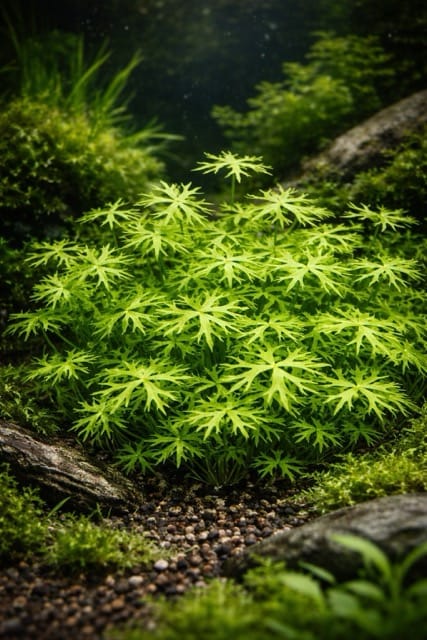
Ranunculus inundatus, commonly known as the Water Buttercup, is a popular aquatic plant among hobbyists due to its attractive foliage and versatile growth patterns. This submerged plant is well-suited for various aquarium setups and is particularly valued in aquascaping for its unique appearance and growth habits.
Natural Habitat
Originally found in shallow waters of rivers and lakes in tropical regions, Ranunculus inundatus thrives in nutrient-rich environments. Its natural setting provides ample light and CO2, which are essential for healthy growth. Understanding this plant's natural habitat helps aquarists replicate ideal conditions in the home aquarium.
Care Requirements
Providing the right environment for Ranunculus inundatus is crucial for optimal growth. This plant is relatively easy to care for, making it suitable for both beginners and experienced aquarists. Here are some key considerations:
- Lighting: Medium to high lighting is recommended to encourage robust growth and vibrant colors.
- CO2 Demand: While it grows without CO2 supplementation, the addition of CO2 can enhance its growth and overall health.
- Water Parameters: Ideal conditions include a pH of around neutral, with temperatures generally ranging between 22-28°C (72-82°F).
Tank Setup
When setting up your aquarium for Ranunculus inundatus, consider the following:
- The minimum tank size should be at least 50 liters (13 gallons) to provide ample space for growth.
- This plant can be placed in the midground or background of your aquarium depending on your layout plans, as it can grow taller if provided with adequate light.
- Include a nutrient-rich substrate to support the root system and promote healthy growth.
Compatibility
Ranunculus inundatus is compatible with a wide variety of fish and invertebrates. However, it’s essential to ensure that tankmates are not overly aggressive or destructive, as this could hinder the plant's growth. It pairs well with smaller schooling fish, shrimp, and other peaceful species.
Feeding
This plant benefits from regular fertilization. A balanced liquid fertilizer specifically designed for aquatic plants can support healthy growth. Additionally, nutrient capsules placed in the substrate can enhance root growth over time.
Growth Rate
Ranunculus inundatus is known for its relatively fast growth rate under optimal conditions. Regular trimming may be necessary to maintain its desired shape and to promote bushier growth, especially if you want to prevent it from overshadowing other plants in your aquascape.
Propagation
Propagation can be achieved by dividing the parent plant or replanting side shoots that develop over time. This method is effective and can help aquarists easily expand their underwater garden.
Conclusion
Overall, Ranunculus inundatus is an excellent addition to any aquarium. Its easy care requirements, combined with its striking appearance, make it a favorite among aquarists looking to create lush and vibrant underwater landscapes.
How to care for Ranunculus inundatus
- 1
Set up the tank
Use a nutrient-rich substrate and ensure medium to high lighting. A CO₂ injection system is beneficial for optimal growth.
- 2
Acclimate the plant
Introduce Ranunculus inundatus to the aquarium gradually, allowing it to adjust to the new environment over a few weeks.
- 3
Planting
Trim a healthy runner with leaves and replant it in the substrate. The plant also spreads naturally through runners, forming new plantlets.
- 4
Monitor water parameters
Maintain a pH of 5.0–8.0, hardness between 3–10 dGH, and temperatures ranging from 22–28°C (72–82°F). Regularly check these parameters to ensure optimal growth.
- 5
Provide adequate lighting
Ensure medium to high lighting to promote compact growth. Under low light, the plant may grow taller with longer stems.
- 6
Fertilize regularly
Use a balanced liquid fertilizer to provide essential nutrients, supporting healthy growth and vibrant coloration.
- 7
Prune as needed
Regularly trim runners to maintain the desired shape and prevent overgrowth.
Frequently asked questions
What are the ideal water parameters for Ranunculus inundatus?▾
Ranunculus inundatus thrives in water with a pH of 5.0–8.0, hardness between 3–10 dGH, and temperatures ranging from 22–28°C (72–82°F).
Does Ranunculus inundatus require CO₂ supplementation?▾
While Ranunculus inundatus can grow without CO₂, providing CO₂ supplementation promotes denser growth and enhances its appearance. ([tfhmagazine.com](https://www.tfhmagazine.com/articles/aquatic-plants/ranunculus-inundatus?utm_source=openai))
How should I propagate Ranunculus inundatus?▾
To propagate, trim a healthy runner with leaves and replant it in the substrate. The plant also spreads naturally through runners, forming new plantlets. ([tfhmagazine.com](https://www.tfhmagazine.com/articles/aquatic-plants/ranunculus-inundatus?utm_source=openai))
What lighting conditions are best for Ranunculus inundatus?▾
Medium to high lighting is recommended. Under low light, the plant may grow taller with longer stems, while higher light levels encourage compact growth. ([tfhmagazine.com](https://www.tfhmagazine.com/articles/aquatic-plants/ranunculus-inundatus?utm_source=openai))
Can Ranunculus inundatus grow emersed?▾
Yes, Ranunculus inundatus is an amphibious plant and can grow both submerged and emersed, making it suitable for paludariums and Wabi-Kusa setups. ([tfhmagazine.com](https://www.tfhmagazine.com/articles/aquatic-plants/ranunculus-inundatus?utm_source=openai))
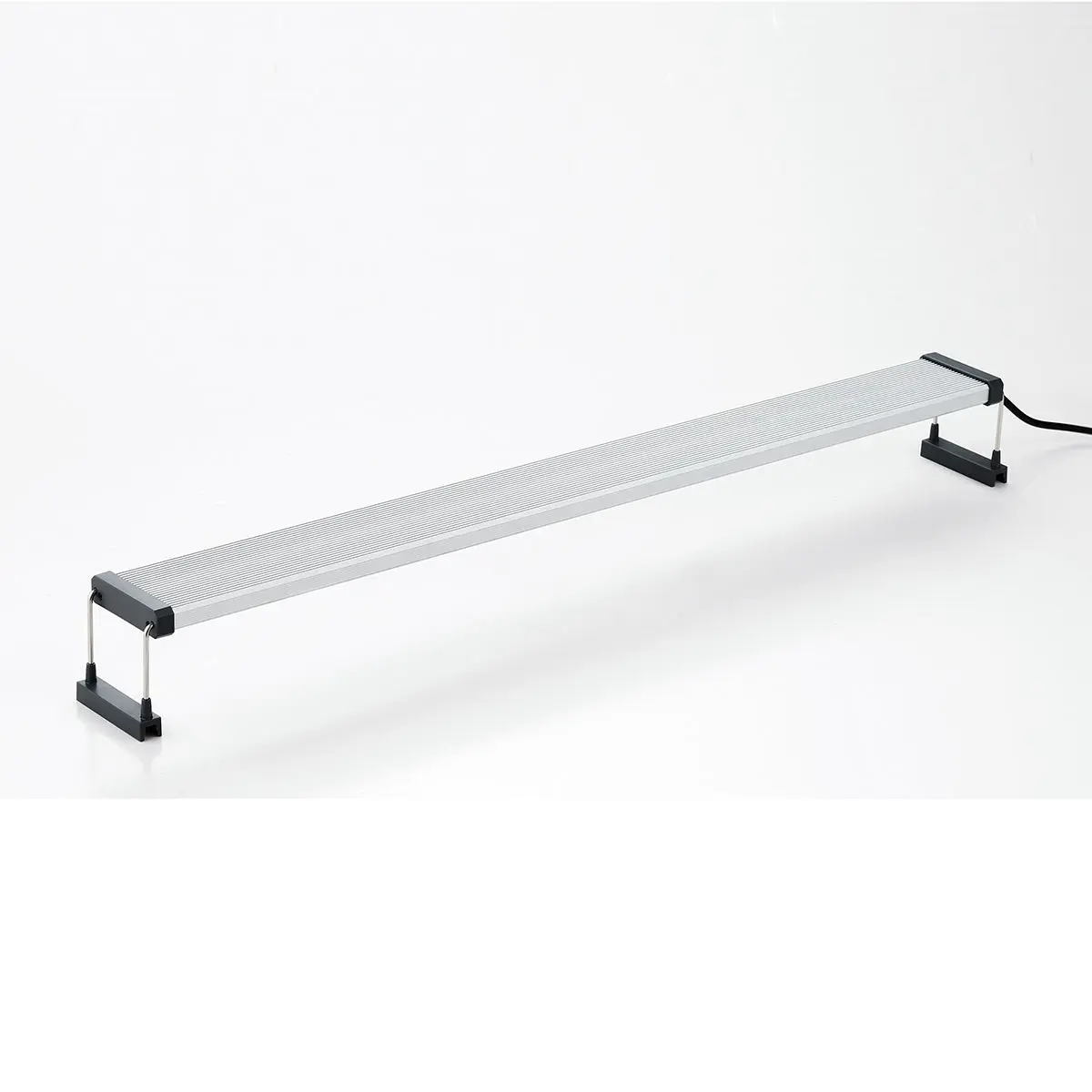
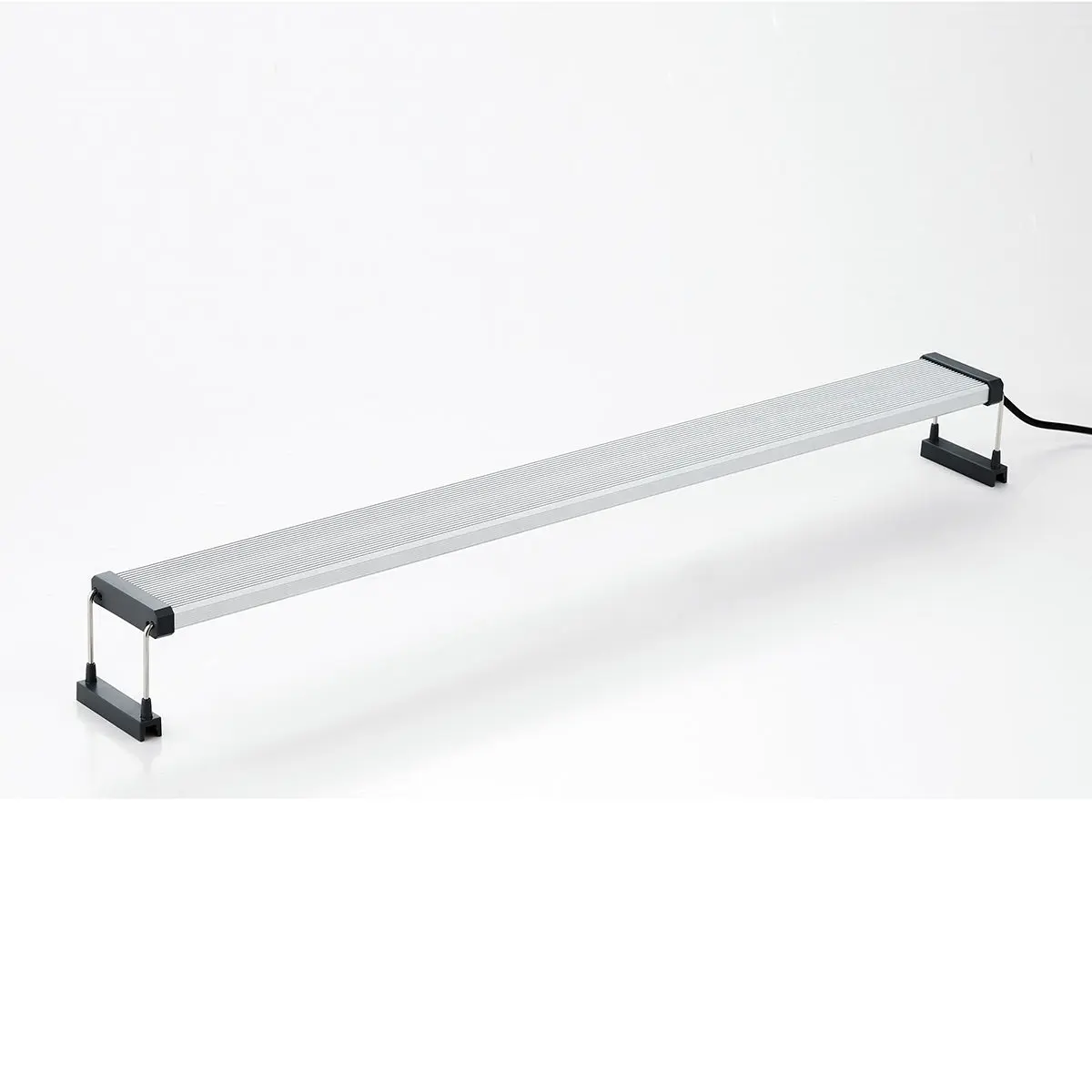
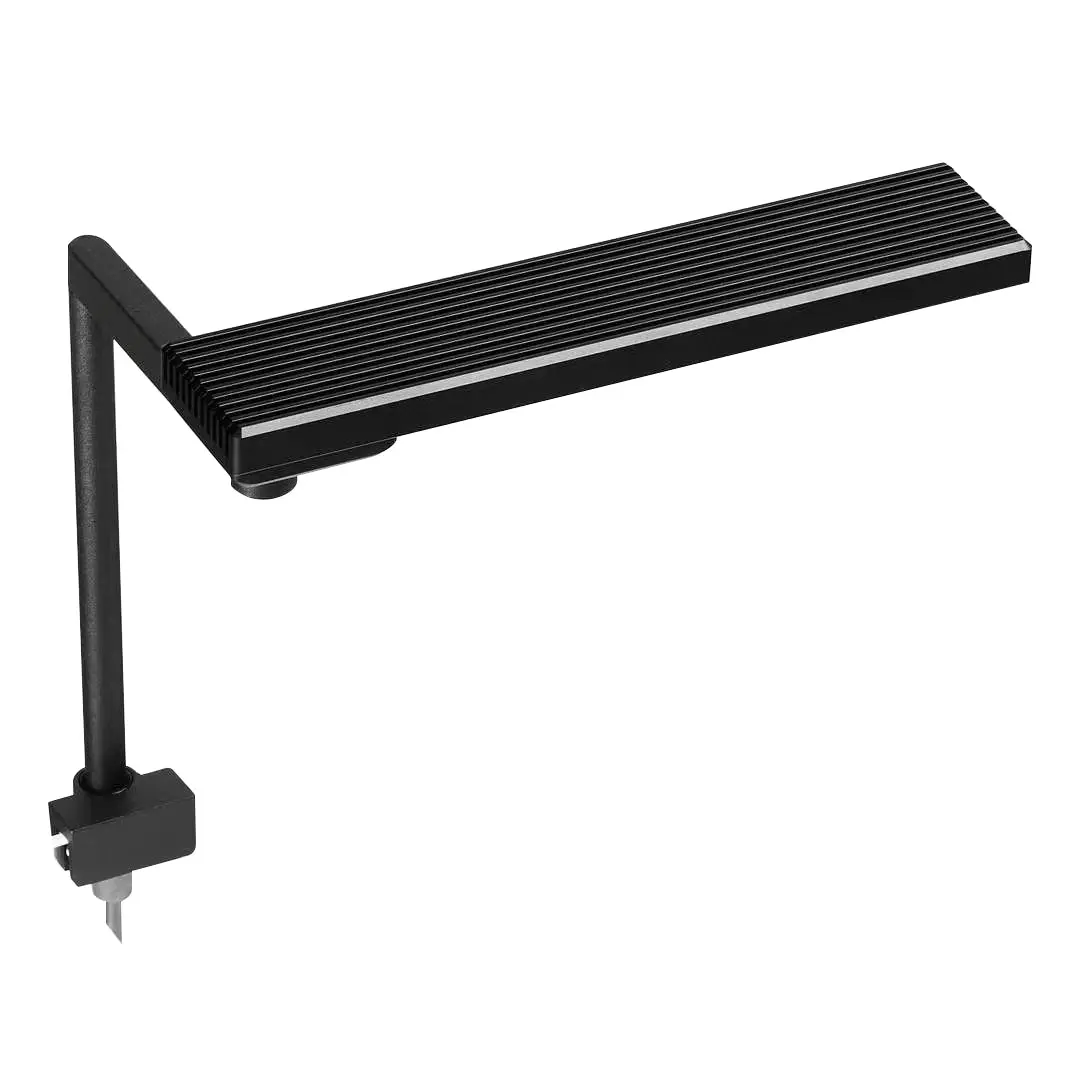
Lighting that can support this plant
Suggested from plant care level and compatibility.