Illustrative images
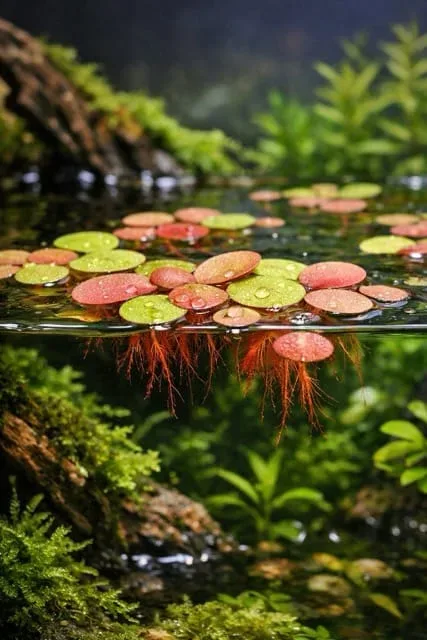
Phyllanthus fluitans
Phyllanthus fluitans
Overview
Phyllanthus fluitans, commonly known as floating spurge, is a charming floating aquatic plant widely appreciated in the aquarium hobby. Its delicate green foliage floats serenely on the water's surface, providing not only aesthetic appeal but also functional benefits to your aquarium ecosystem.
Natural Habitat
This species is typically found in shallow, calm waters including ponds, lakes, and slow-moving rivers in South America. In its natural environment, it thrives in warm, nutrient-rich waters and often forms dense mats that help shade submerged vegetation, thereby creating microhabitats for various aquatic organisms.
Care Requirements
Tank Setup
Phyllanthus fluitans is best suited for aquariums with minimal water movement, as it prefers calm waters. A well-lit tank with a good balance of nutrients, including nitrogen and phosphorus, will promote healthy growth.
Water Parameters
- Temperature: A range of 20°C to 30°C (68°F to 86°F) is ideal.
- pH: Prefers a pH between 6.0 and 8.0.
- Hardness: Tolerates a wide range of water hardness levels.
Light and CO2 Requirements
This plant flourishes in medium to high light conditions. While it can survive without CO2 supplementation, adding CO2 can enhance its growth and overall health, especially in a well-maintained aquarium setting.
Compatibility
Phyllanthus fluitans is suitable for a variety of aquarium setups. It creates a tranquil environment and provides cover for smaller fish and fry. However, it should be monitored with larger, more aggressive fish that may disturb its delicate structure.
Feeding
As a floating plant, Phyllanthus fluitans absorbs nutrients directly from the water column. Regular water changes and the addition of a complete liquid fertilizer can support its growth and health.
Propagation
This species reproduces easily through vegetative propagation. When conditions are favorable, it can send out runners or develop new plantlets that can be separated and established in other areas of the tank.
Conclusion
Overall, Phyllanthus fluitans adds visual interest to aquariums while also supporting biodiversity. Its low-maintenance requirements make it an excellent choice for both beginners and experienced aquarists alike.
How to care for Phyllanthus fluitans
- 1
Set up the tank
Ensure your aquarium has a gentle surface flow to prevent the plant from being pushed around or damaged. Avoid strong splashes from filter outflows or air stones directly under the plant.
- 2
Acclimate slowly
Introduce Phyllanthus fluitans to your tank gradually, allowing it to adjust to the new environment and water parameters.
- 3
Maintain water parameters
Keep the water temperature between 22–28°C (72–82°F), pH between 6.0–7.5, and hardness between 4–12°dGH (71.43–214.29 ppm).
- 4
Provide adequate lighting
Use bright lighting to promote vibrant red coloration and compact growth. Under low light, the plant may become pale green and less compact.
- 5
Monitor growth
Regularly check the plant's growth and health, removing any dead or decaying leaves to maintain water quality.
Frequently asked questions
What are the ideal water parameters for Phyllanthus fluitans?▾
Phyllanthus fluitans thrives in water temperatures between 22–28°C (72–82°F), with a pH range of 6.0–7.5, and hardness between 4–12°dGH (71.43–214.29 ppm).
How much light does Phyllanthus fluitans need?▾
This plant requires bright lighting to develop its vibrant red coloration and compact growth. Under low light, it may become pale green and less compact.
Can Phyllanthus fluitans be kept in aquariums without CO₂ injection?▾
Yes, Phyllanthus fluitans can grow without added CO₂, but providing it can enhance its growth and coloration.
How does Phyllanthus fluitans reproduce?▾
Phyllanthus fluitans reproduces vegetatively through division. As the plant grows, it produces small side shoots or extensions that develop their own leaves and roots. These can be naturally separated or gently divided to form new floating clusters.
Is Phyllanthus fluitans compatible with shrimp and small fish?▾
Yes, Phyllanthus fluitans provides excellent shelter for shrimp and small fish, offering hiding spots and diffusing light in the tank.
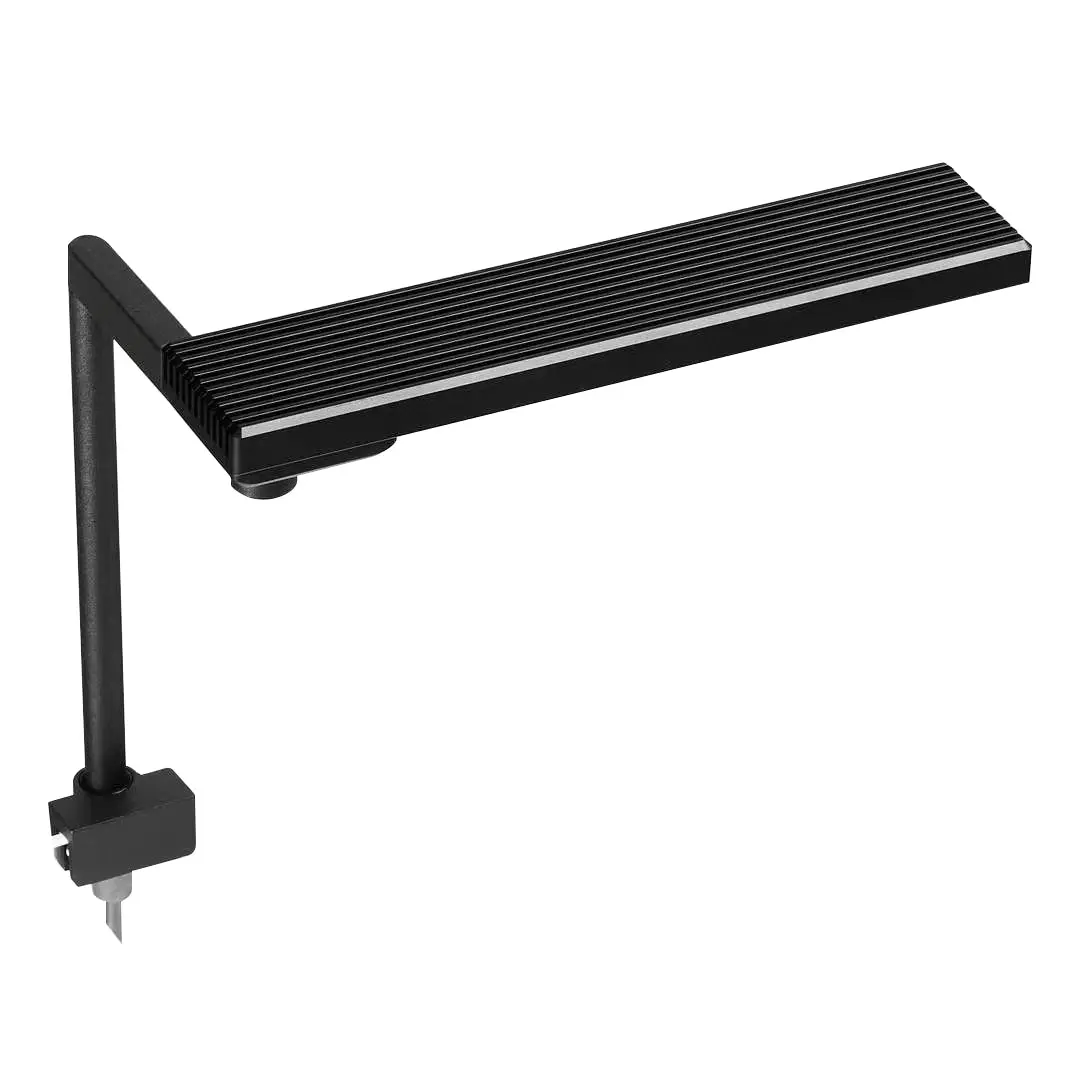
Lighting that can support this plant
Suggested from plant care level and compatibility.