

Illustrative images
Percula Clownfish
Amphiprion percula
Overview
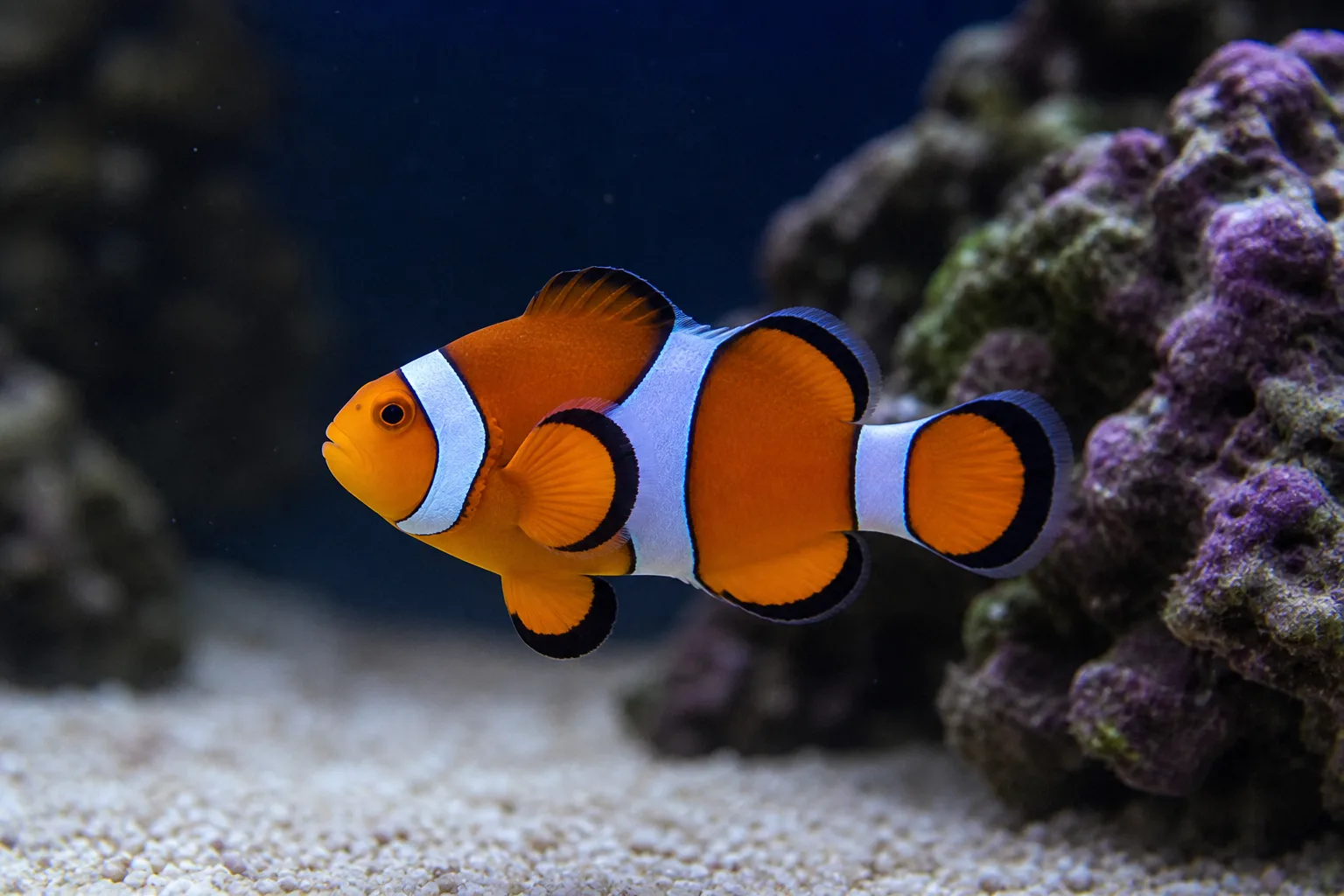
The Percula Clownfish, scientifically known as Amphiprion percula, is a popular choice among marine aquarium enthusiasts. Recognized for their vibrant orange coloration and white bands outlined in black, these fish are often associated with sea anemones in their natural habitat.
Natural Habitat
Percula Clownfish are native to the warm, shallow waters of the South Pacific, particularly around coral reefs in areas such as the Great Barrier Reef and various islands in the region. They form mutualistic relationships with sea anemones, which provide shelter and protection from predators.
Care Requirements
Caring for Percula Clownfish in your aquarium requires attention to several key factors:
- Tank Size: A minimum tank size of 50 liters (approximately 13 gallons) is recommended to provide enough space for swimming and hiding.
- Water Type: These fish thrive in a marine environment and should not be kept in freshwater.
- Temperature: Maintain water temperature between 24°C to 28°C (75°F to 82°F).
- pH Level: A stable pH level between 7.8 and 8.4 is ideal.
- Salinity: Keep salinity within the range typical for marine tanks.
Tank Setup
The tank should mimic a natural reef environment. Include plenty of rocks, coral fragments, and hiding spots to provide security for the fish. A sea anemone can be included, as they are crucial to the clownfish's natural habitat; however, it's not mandatory for their survival in captivity.
Compatibility
Percula Clownfish are generally peaceful and can be kept with a variety of other species. However, they can become territorial, especially if breeding pairs form. Suitable tank mates include:
- Damselfish
- Gobies
- Blennies
- Other clownfish species (with caution)
Feeding
These fish are omnivorous and require a varied diet. Offer high-quality pellets, flakes, and frozen or thawed foods such as brine shrimp, mysis shrimp, and algae-based foods to ensure a balanced diet.
Lifespan
In a properly maintained aquarium, Percula Clownfish can live for several years; they typically have a lifespan of 6 to 10 years, depending on the care they receive.
How to care for Percula Clownfish
- 1
Set up the tank
Use a minimum of 76 liters (20 US gallons) of water, maintaining a salinity of 1.020-1.025, pH between 8.1 and 8.4, and a temperature range of 22.2-25.6°C (72-78°F).
- 2
Acclimate slowly
Introduce the fish to the tank gradually to minimize stress, especially when adding new specimens.
- 3
Maintain water quality
Regularly monitor and adjust water parameters to keep them within the ideal ranges for Percula Clownfish.
- 4
Provide appropriate diet
Feed a varied diet of brine shrimp, chopped shrimp, squid, clams, and plant matter, ensuring animal protein is the majority of their intake.
- 5
Select compatible tank mates
Choose peaceful fish of similar size, avoiding aggressive species like Groupers, Sharks, Lionfish, Moray Eels, or Rays.
Frequently asked questions
What are the ideal water parameters for Percula Clownfish?▾
Maintain a salinity of 1.020-1.025, pH between 8.1 and 8.4, and a temperature range of 22.2-25.6°C (72-78°F).
What size tank is suitable for Percula Clownfish?▾
A minimum tank size of 76 liters (20 US gallons) is recommended. Larger tanks are preferable, especially if housing multiple specimens or other tank mates.
What do Percula Clownfish eat?▾
They are omnivores, feeding on brine shrimp, chopped shrimp, squid, clams, and plant matter. Flake food can also be offered, but animal protein should constitute the majority of their diet.
Can Percula Clownfish live with other fish?▾
They are peaceful and generally compatible with similarly sized fish. Avoid housing them with aggressive species like Groupers, Sharks, Lionfish, Moray Eels, or Rays.
Do Percula Clownfish require an anemone?▾
While they often form a symbiotic relationship with anemones, captive-bred Percula Clownfish can thrive without them, sometimes hosting long-tentacled corals instead.