Illustrative images
Nymphoides hydrophylla 'Taiwan'
Nymphoides hydrophylla 'Taiwan'
Overview
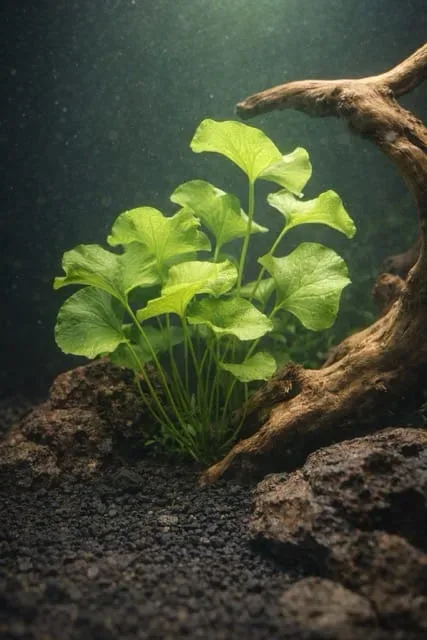
Nymphoides hydrophylla 'Taiwan' is a popular floating aquatic plant known for its attractive foliage and ease of care. This plant features rounded, heart-shaped leaves that can add a lush, green touch to any aquarium setup. It is highly sought after in the aquascaping community for its aesthetic appeal and the natural habitat it can create for fish and other aquatic organisms.
Natural Habitat
Nymphoides hydrophylla is native to various freshwater bodies in Southeast Asia, where it thrives in slow-moving waters such as rivers, ponds, and marshes. The 'Taiwan' variety has adapted well to aquarium life and can be found in many home settings.
Care Requirements
This plant is considered easy to care for, making it an excellent choice for beginner aquarists. Here are the essential care requirements:
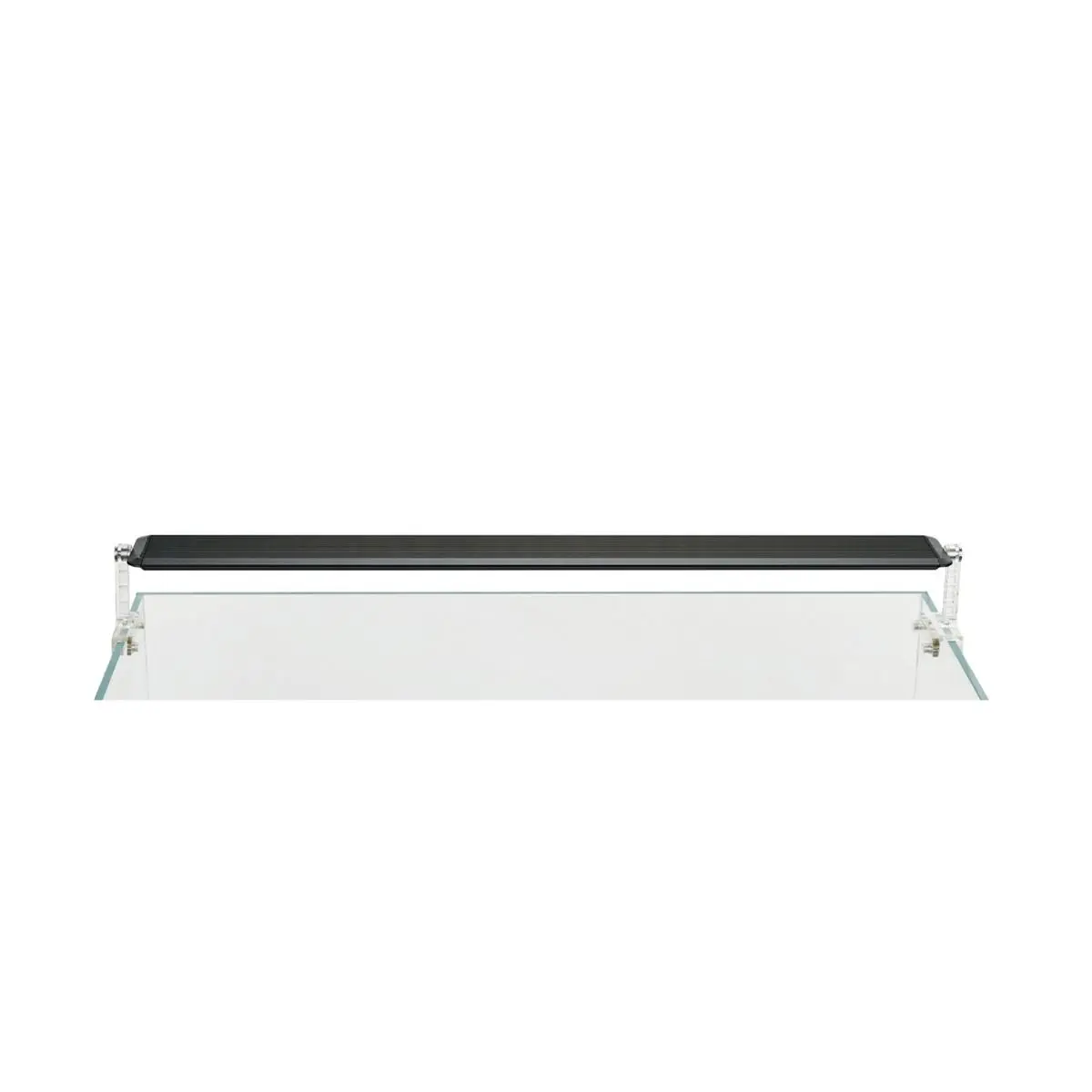
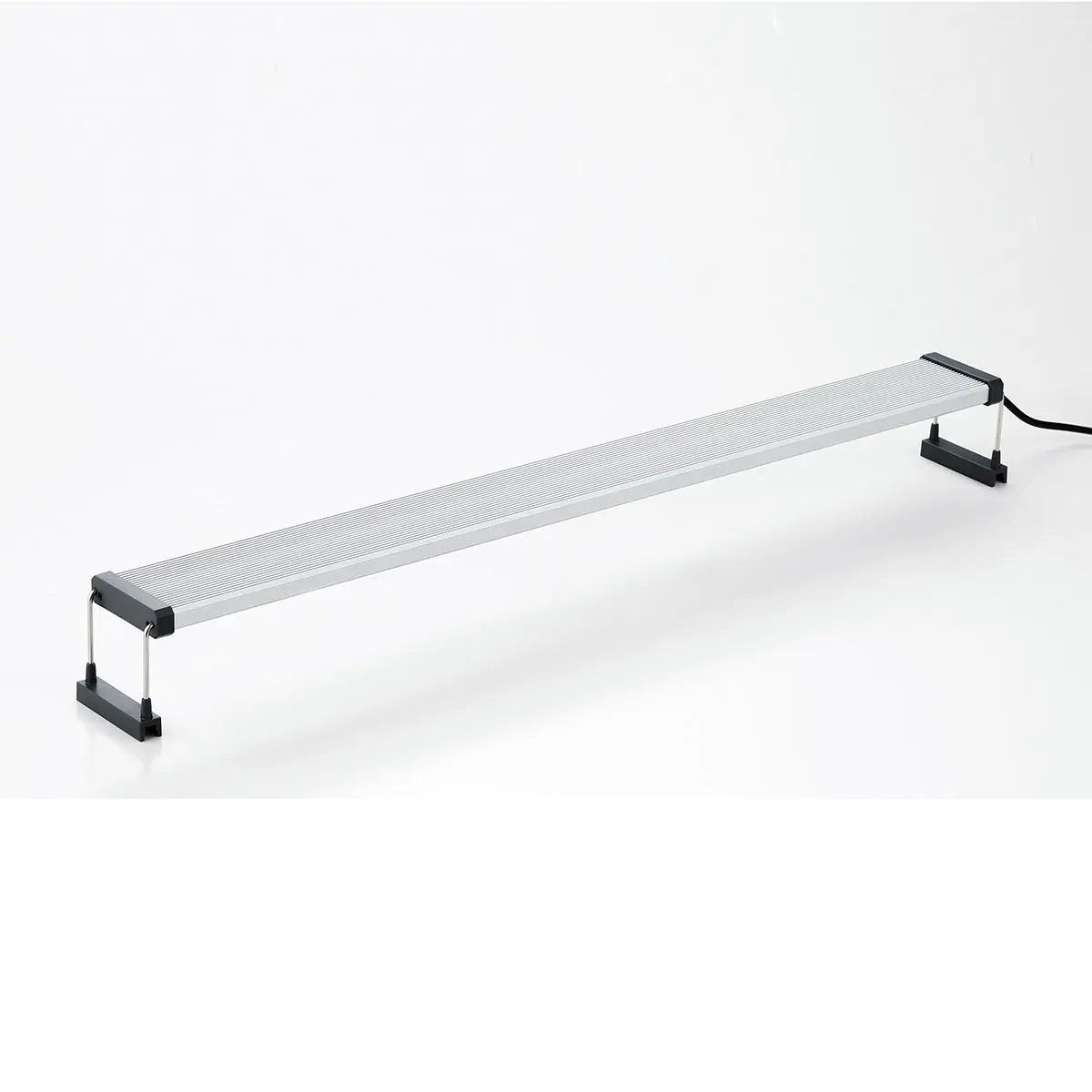
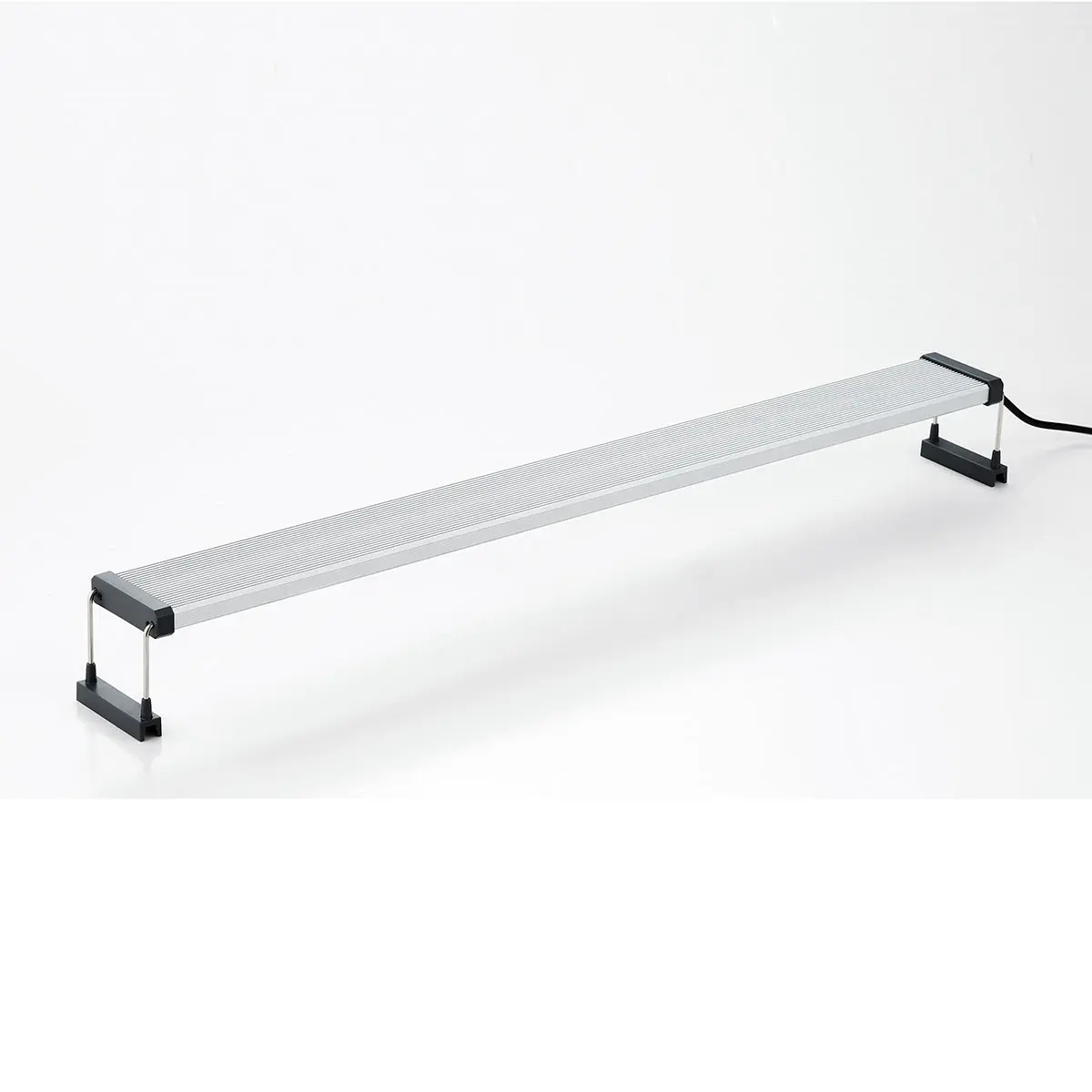
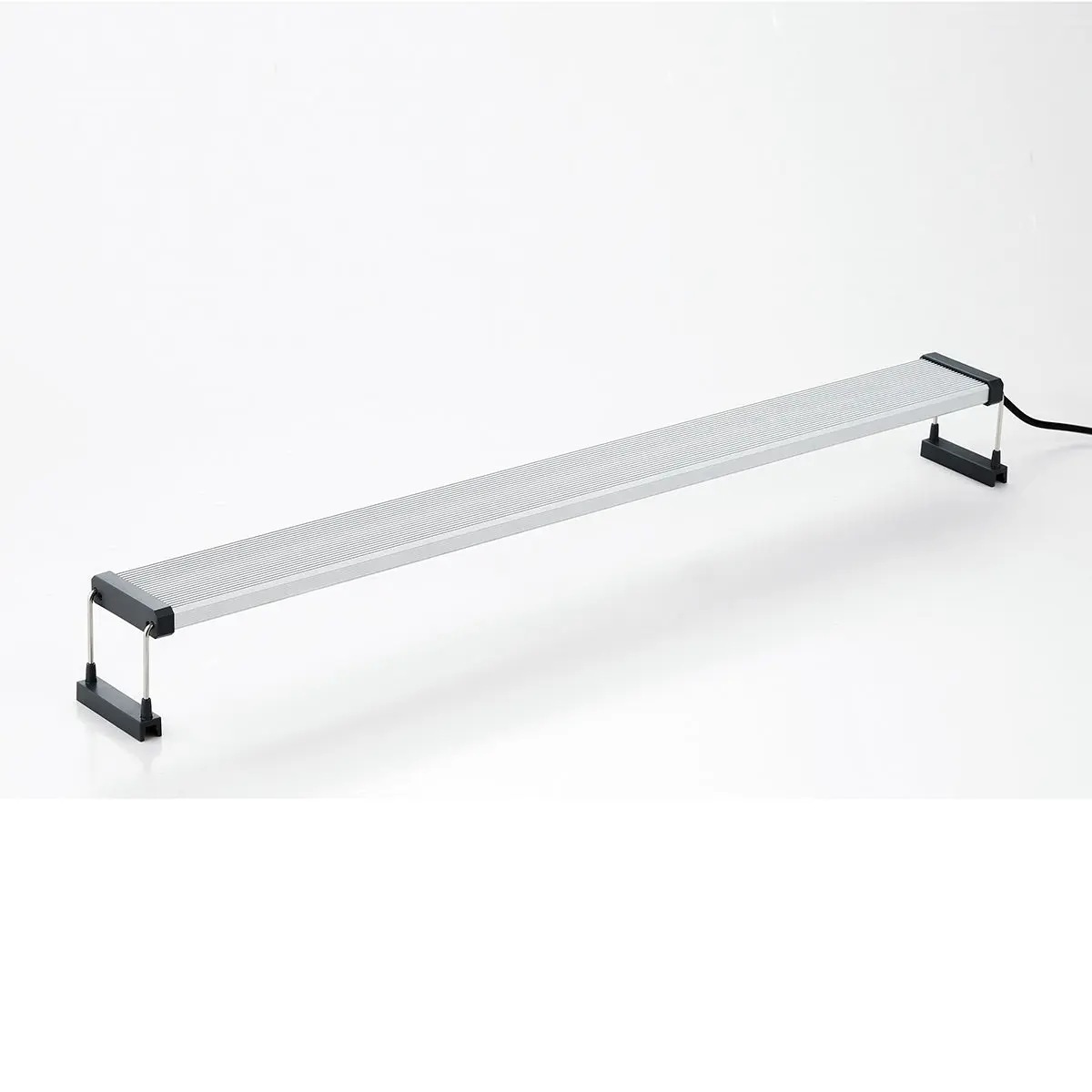
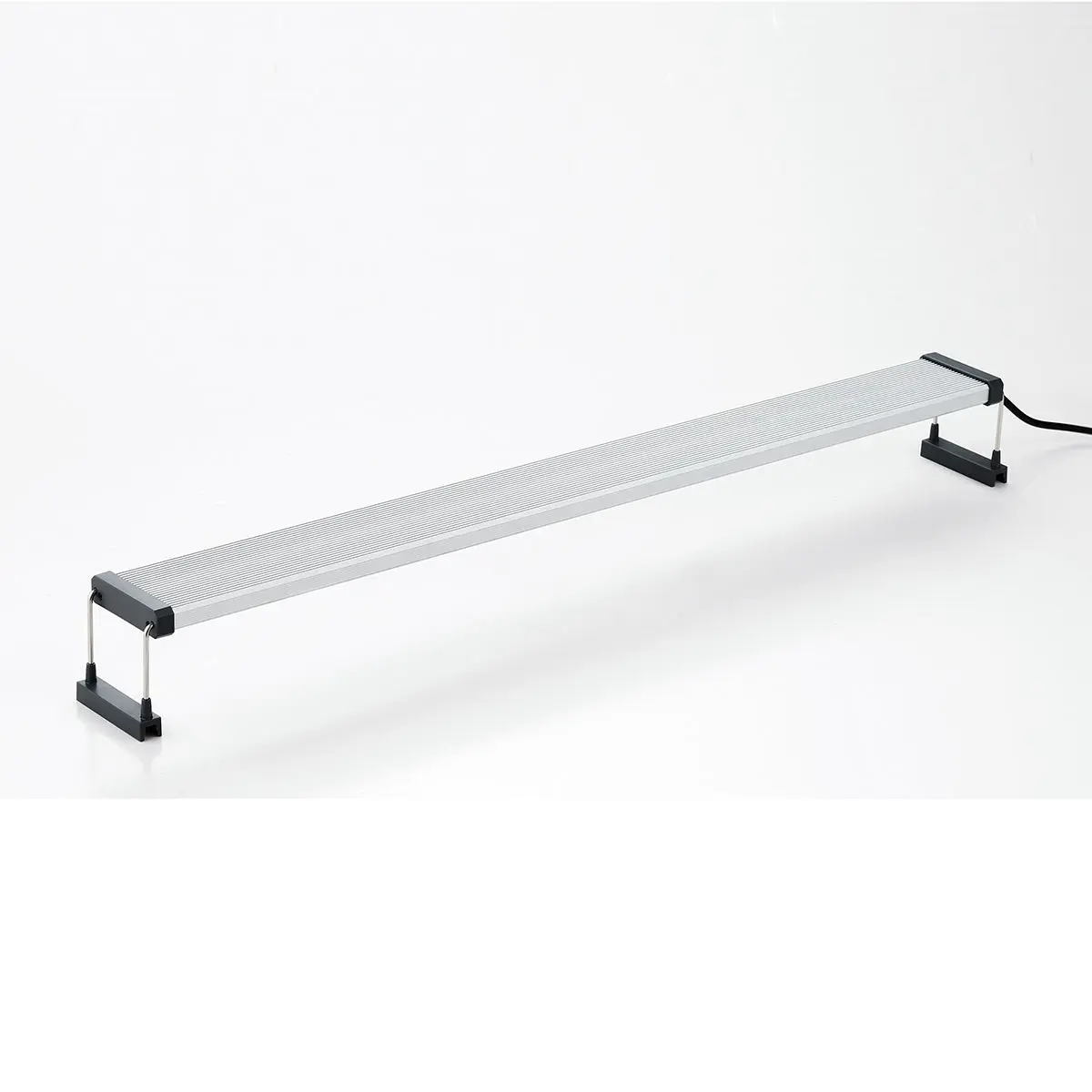
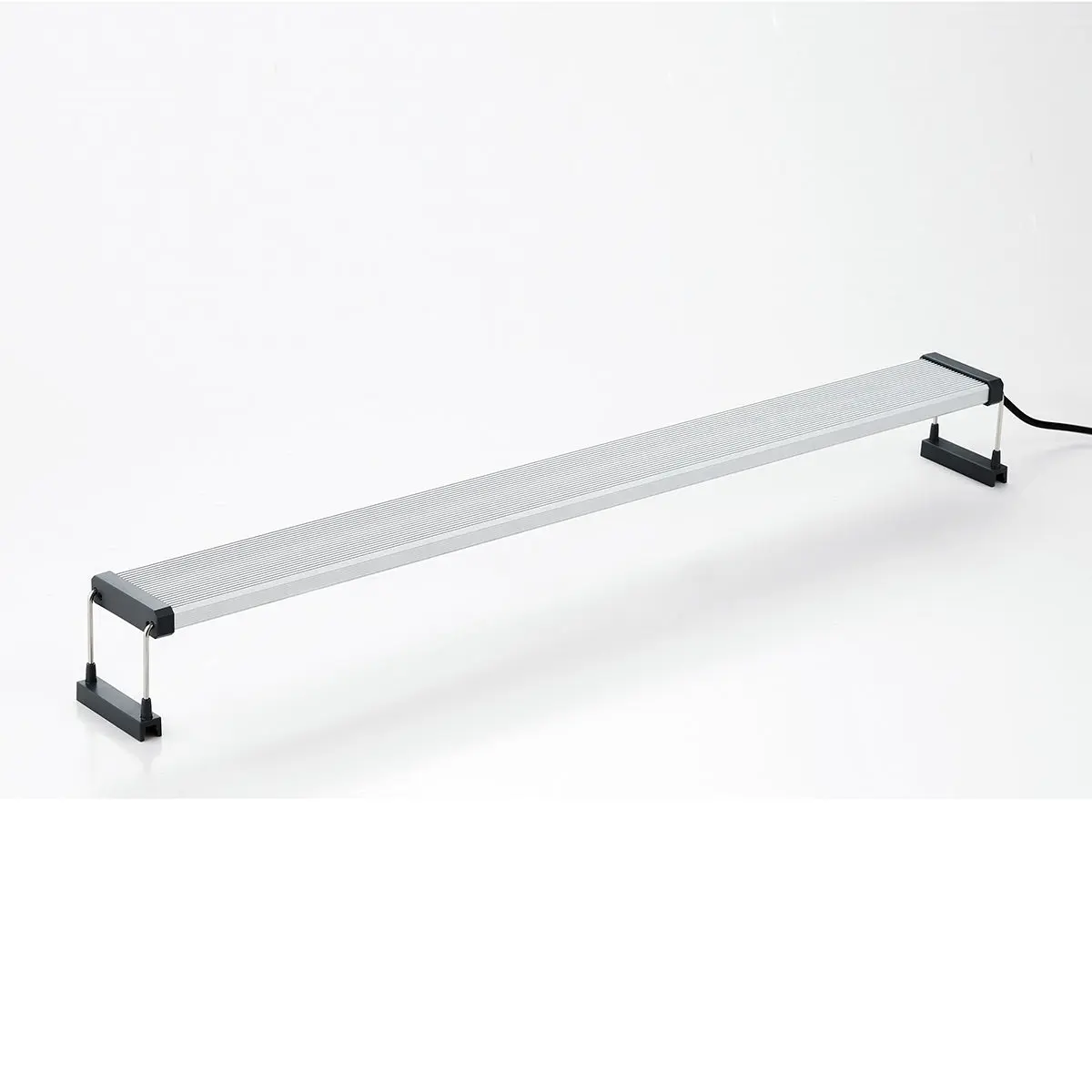
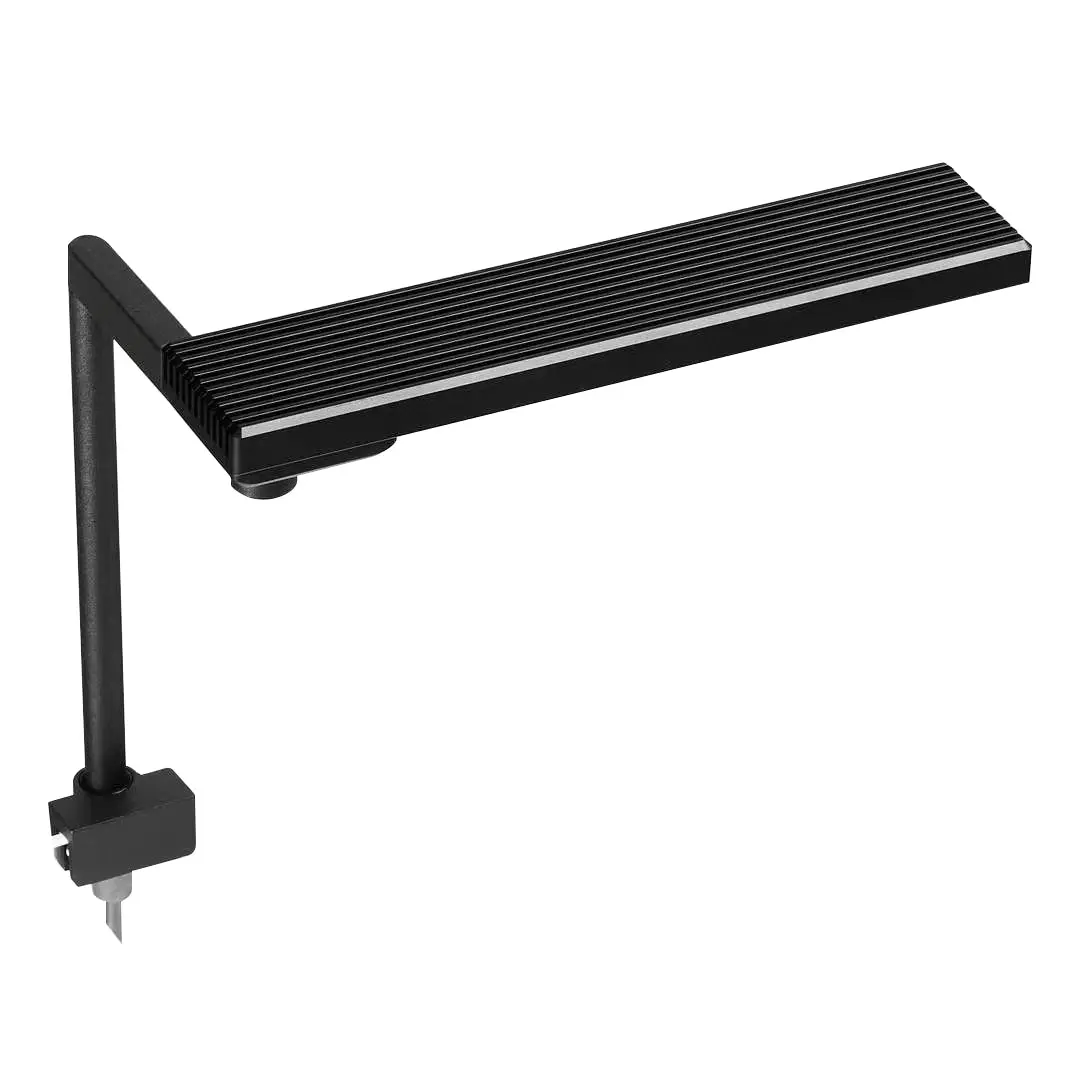
- Lighting: Prefers medium to high light conditions but can tolerate lower light levels.
- Temperature: Thrives in a temperature range typical for tropical aquariums, usually between 22°C to 28°C (72°F to 82°F).
- Substrate: While it can float, a nutrient-rich substrate will promote better growth when planted.
Tank Setup
When integrating Nymphoides hydrophylla 'Taiwan' into your aquarium, consider the following:
- Placement: It can be placed in the background or allowed to float on the surface, depending on your aquascaping design.
- Tank Size: It is best suited for medium to large tanks due to its potential size and space needs.
Compatibility
This aquatic plant is generally compatible with a wide range of fish species, as well as other plants. Its broad leaves can provide shelter and hiding spots for smaller fish and fry, making it a beneficial addition to community tanks. However, care should be taken with larger species that may disturb the plant.
Feeding and Maintenance
Nymphoides hydrophylla 'Taiwan' does not have specific fertilization needs but can benefit from regular nutrient dosing in planted tanks. A liquid fertilizer can enhance its growth. Regular pruning may be necessary to control growth and prevent it from overshadowing other plants.
Conclusion
The Nymphoides hydrophylla 'Taiwan' is an attractive and versatile plant that can enhance the overall look of an aquarium while providing benefits for its inhabitants. It is an ideal choice for both novice and experienced aquarists looking to create a flourishing aquatic environment.
How to care for Nymphoides hydrophylla 'Taiwan'
- 1
Set up the tank
Use a nutrient-rich substrate and ensure the tank has medium to high lighting (50–100+ PAR at the substrate).
- 2
Plant the rhizomes
Gently remove the plant from its pot, separate individual rosettes, and plant them 8–10 cm apart in the substrate.
- 3
Acclimate the plant
Allow the plant to adapt gradually; initial weeks may show yellowing leaves, which should recover as the plant establishes.
- 4
Maintain water parameters
Keep the temperature between 20–28°C, pH between 6.0 and 8.0, and GH between 3–15 dGH.
- 5
Provide CO₂ supplementation
While not mandatory, adding CO₂ at 15–30 ppm can promote faster growth and more vibrant leaves.
- 6
Fertilize regularly
Apply a complete liquid fertilizer weekly and a root tab fertilizer quarterly to support healthy growth.
- 7
Prune regularly
Remove old, yellowing leaves and any surface leaves to encourage new growth and maintain a dense appearance.
Frequently asked questions
What are the ideal water parameters for Nymphoides hydrophylla 'Taiwan'?▾
Maintain a temperature of 20–28°C, pH between 6.0 and 8.0, and a general hardness (GH) of 3–15 dGH for optimal growth.
Does Nymphoides hydrophylla 'Taiwan' require CO₂ supplementation?▾
CO₂ injection is not required but can enhance growth and leaf texture; a range of 15–30 ppm is beneficial.
How tall does Nymphoides hydrophylla 'Taiwan' grow?▾
This plant typically reaches a height of 15–30 cm.
What lighting conditions are best for Nymphoides hydrophylla 'Taiwan'?▾
It thrives under medium to high light levels, with 50–100+ PAR at the substrate.
How should Nymphoides hydrophylla 'Taiwan' be propagated?▾
New plantlets form on the leaf blades of mature leaves; detach and replant them when they reach 2–3 inches in height.
Lighting that can support this plant
Suggested from plant care level and compatibility.