

Illustrative images
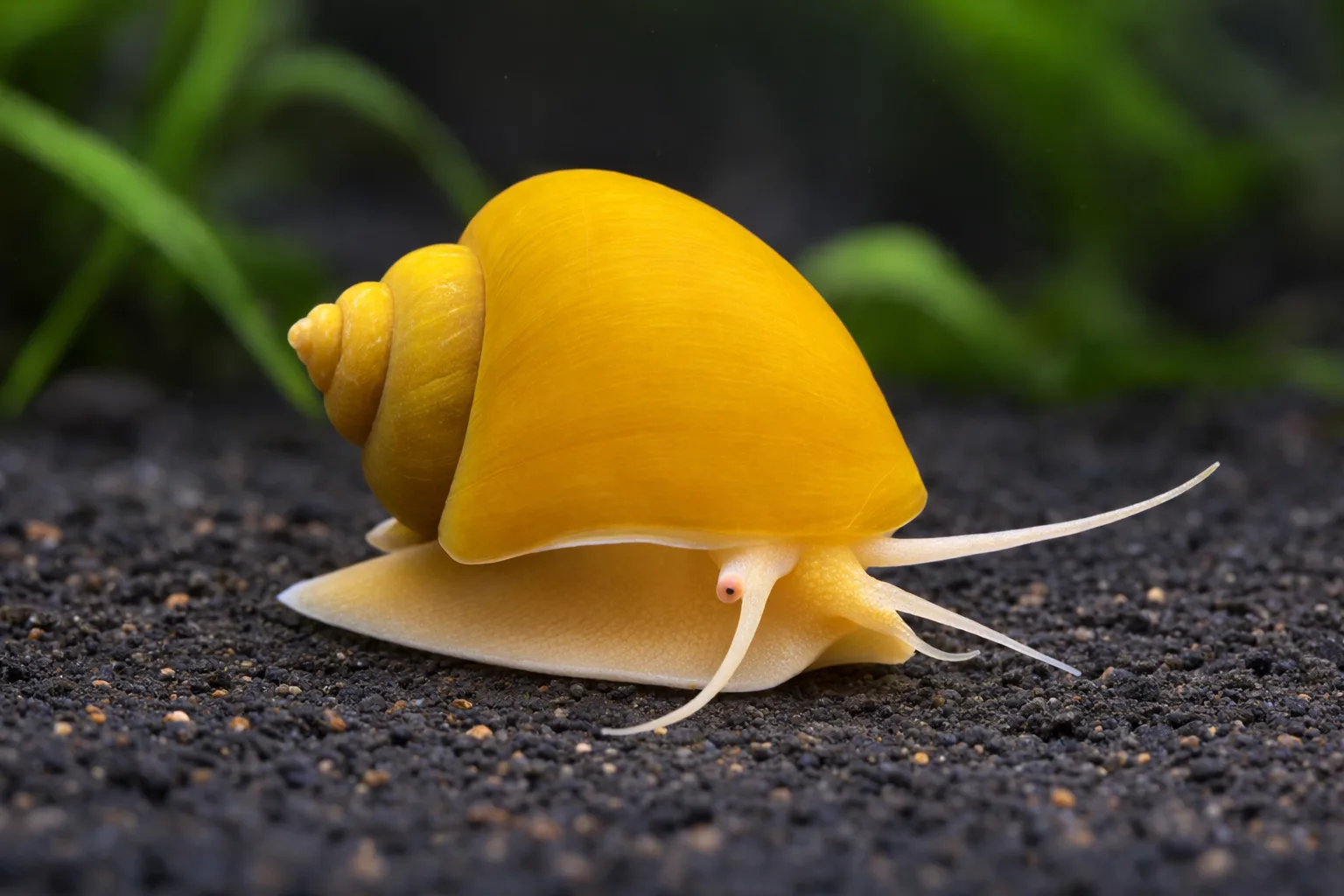
Mystery Snail
Pomacea diffusa
Overview
The Mystery Snail, scientifically known as Pomacea diffusa, is a popular freshwater invertebrate among aquarium enthusiasts. Known for its striking colors and unique behavior, this snail can add both aesthetic appeal and ecological benefits to your aquarium.
Natural Habitat
Originally discovered in South America, Mystery Snails inhabit slow-moving waters such as rivers, lakes, and marshes. They are commonly found in densely vegetated areas where they feed on algae and detritus.
Care Requirements
Taking care of Mystery Snails is relatively straightforward, making them ideal for both beginners and experienced aquarists. Here are some basic care requirements:
- Water Type: Freshwater
- Temperature: They thrive in water temperatures of 20-28°C (68-82°F).
- pH Level: A pH range of 6.5 to 8.5 is suitable.
- Hardness: They prefer moderately hard water with a general hardness of 3-12 dGH.
Tank Setup
When setting up a tank for Mystery Snails, consider the following:
- Tank Size: A minimum tank size of 40 liters (10 gallons) is recommended.
- Aquascaping: Provide plenty of plants and substrates, as they enjoy nibbling on algae and resting among foliage.
- Filtration: A gentle filter can help maintain water quality, but avoid strong currents as they can struggle to move against them.
Diet
Mystery Snails are primarily herbivorous, feeding on algae and plant material. Supplement their diet with commercial snail food, blanched vegetables such as zucchini and spinach, or algae wafers to ensure they receive a balanced diet.
Compatibility
These snails are generally peaceful and can be kept with a variety of tank mates including:
- Community fish
- Other peaceful invertebrates
However, avoid keeping them with aggressive species that may harm or eat the snails. They can also coexist with other snails if space permits.
Lifespan
With proper care, Mystery Snails can live for 1-3 years in captivity.
Breeding
Mystery Snails are dioecious, meaning there are separate male and female snails. They lay eggs above the waterline, and while they can breed in freshwater, the survival rate of the young can be low if not adequately cared for. It is important to monitor egg clutches to ensure proper hydrating conditions and avoid detritus buildup around them.
Conclusion
The Mystery Snail is a fascinating and functional addition to any freshwater aquarium. With their easy care requirements and peaceful nature, they make a great choice for hobbyists looking to create a dynamic aquatic environment.
How to care for Mystery Snail
- 1
Set up the tank
Use a minimum tank size of 5 gallons (19 liters) with a secure lid to prevent escape.
- 2
Acclimate slowly
Introduce the snail to the tank water gradually to prevent shock.
- 3
Maintain water parameters
Keep pH between 7.0-8.0, temperature at 68-82.4°F (20-28°C), and hardness between 8-15 dH.
- 4
Provide a balanced diet
Feed a mix of algae wafers, blanched vegetables, and occasional protein sources.
- 5
Monitor health
Regularly check for signs of stress or disease, such as discoloration or inactivity.
Frequently asked questions
What water temperature is ideal for Mystery Snails?▾
Maintain a water temperature between 68-82.4°F (20-28°C) for optimal health.
How big do Mystery Snails grow?▾
They typically reach sizes of 2-2.5 inches (5.1-6.4 cm) in diameter.
Do Mystery Snails eat live plants?▾
They primarily consume decaying plant matter, algae, and biofilm, rarely targeting healthy, vibrant plants.
What is the lifespan of a Mystery Snail?▾
They usually live for 1-2 years in a well-maintained aquarium.
How do you breed Mystery Snails?▾
They lay egg masses above the waterline; separate males and females are required for breeding.