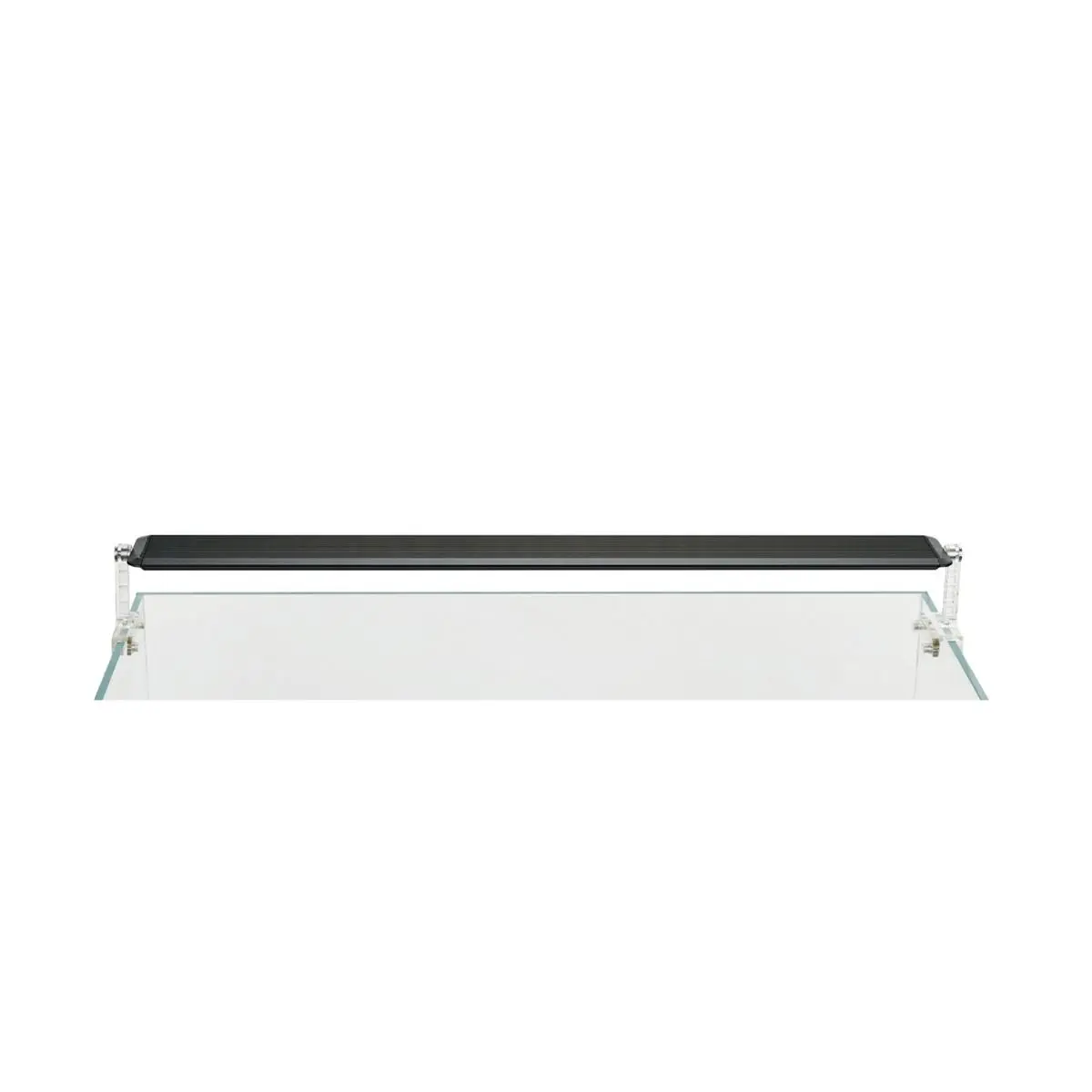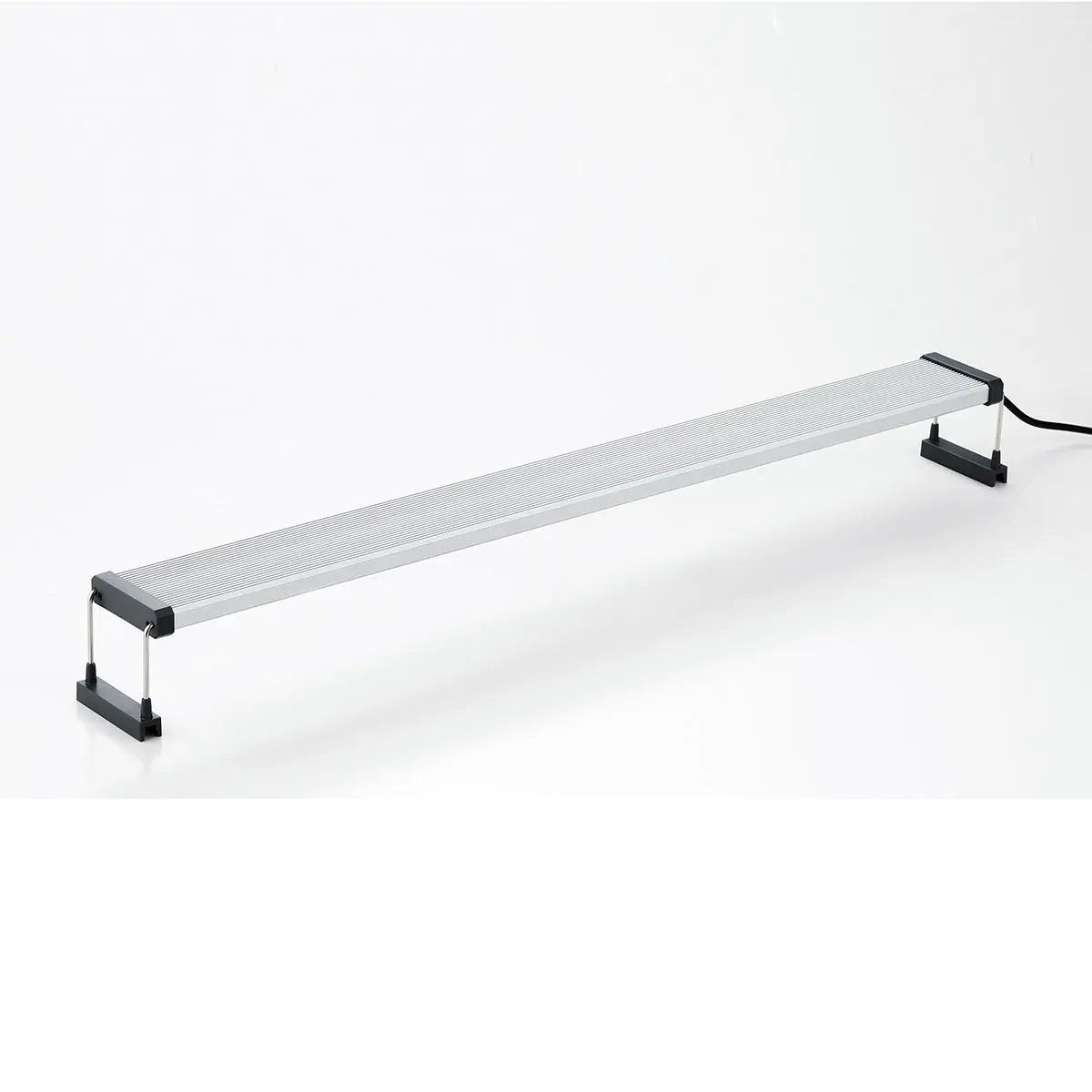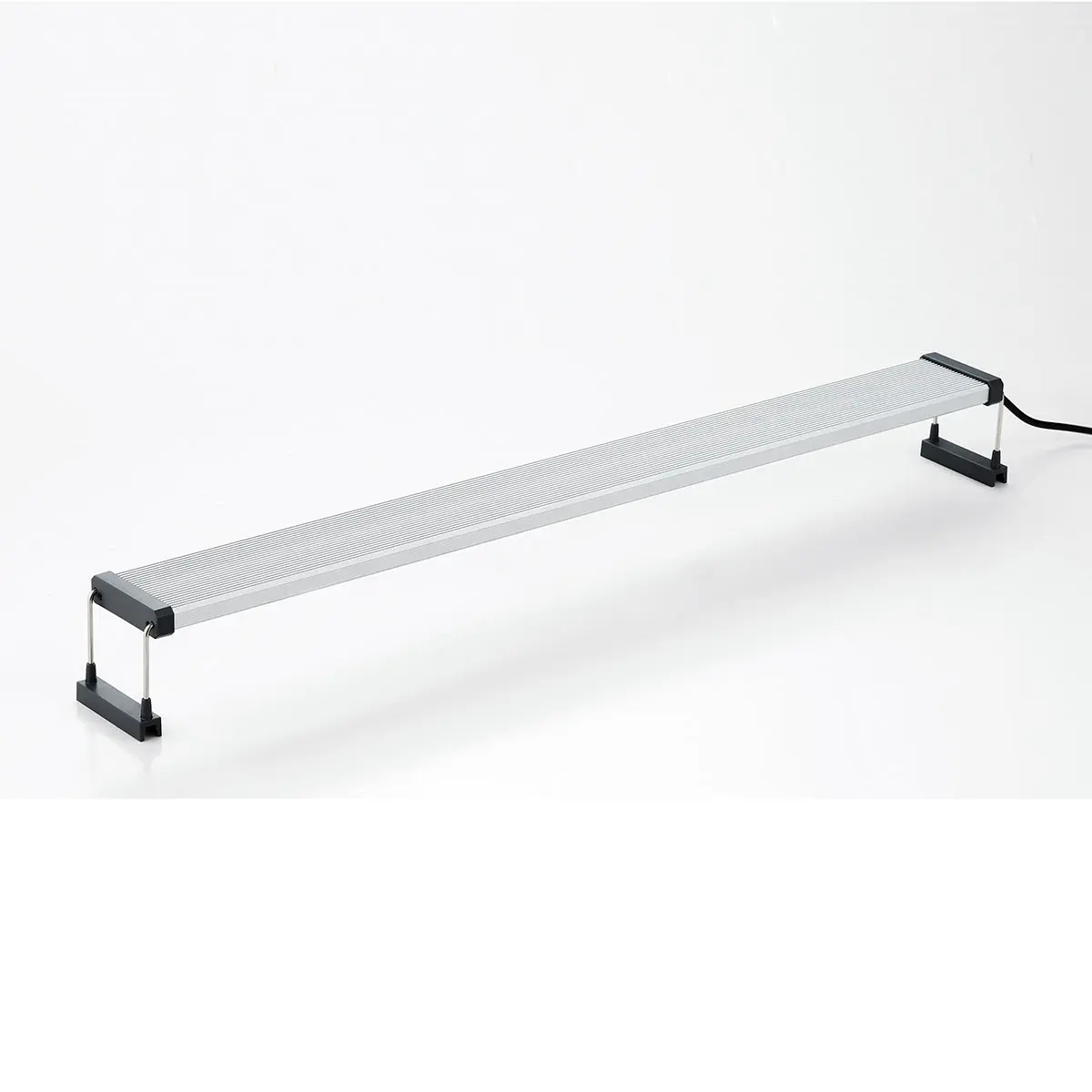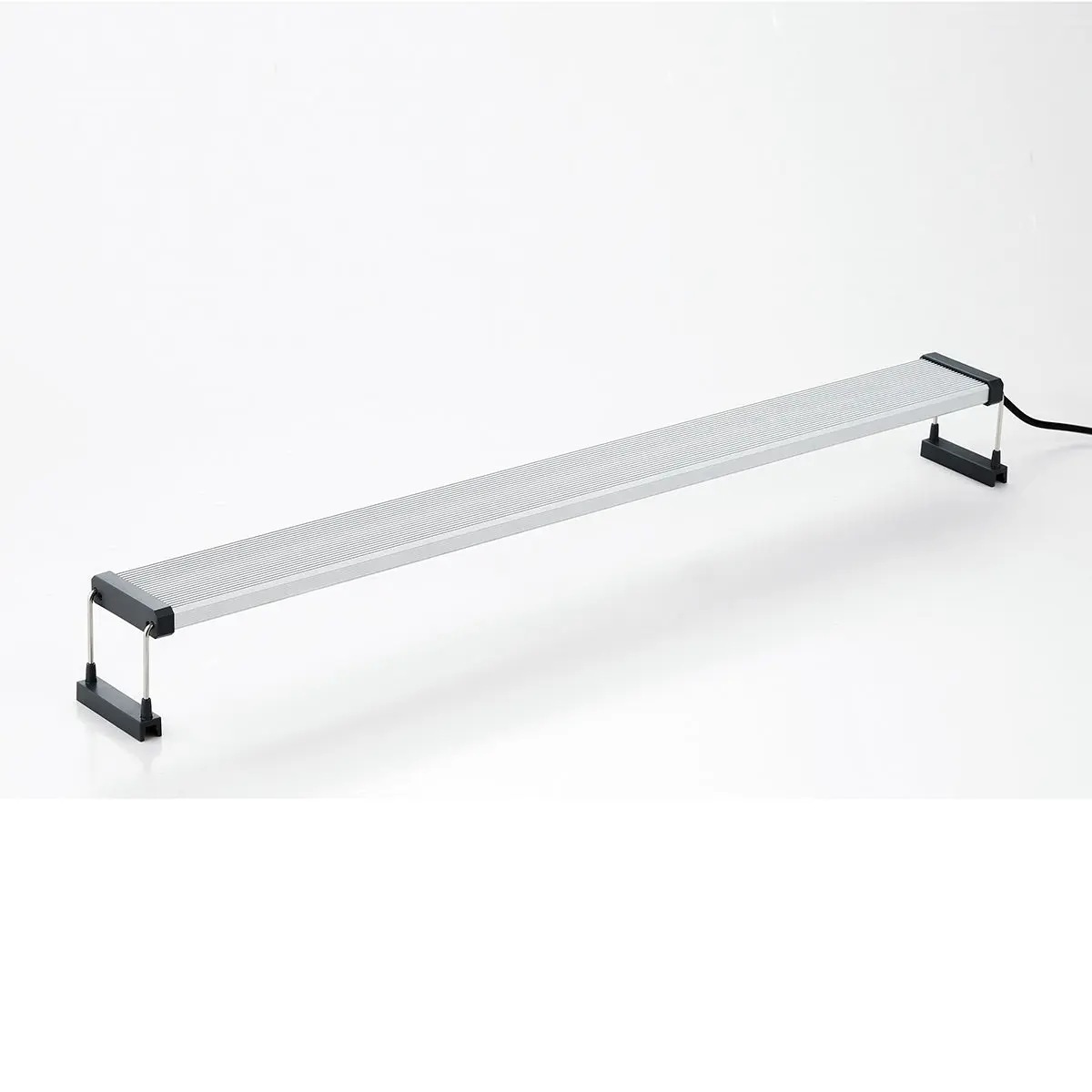
Illustrative images
Myriophyllum 'Guyana'
Myriophyllum 'Guyana'
Overview
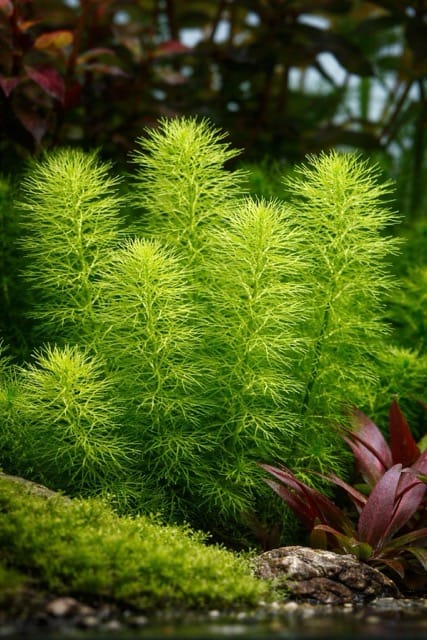
Myriophyllum 'Guyana' is a popular aquatic plant among aquarium enthusiasts. Known for its lush, feathery leaves, this plant adds a vibrant green color to the tank and serves as excellent cover for fish. Its unique appearance makes it suitable for both beginners and experienced hobbyists alike.
Natural Habitat
This species is native to the waters of Guyana, where it thrives in slow-moving streams and shallow lakes. In its natural habitat, it is often found in sandy or muddy substrates, making it a resilient plant well-suited to various aquarium environments.
Care Requirements
Myriophyllum 'Guyana' is relatively easy to care for, although it benefits from certain conditions to flourish:
- Light: This plant requires moderate to high light levels for optimal growth. Insufficient light will hinder its development and growth rate.
- CO2: While it can survive without additional CO2, providing CO2 supplementation will encourage stronger growth and lushness.
- Fertilization: Regular fertilization with liquid fertilizers can significantly enhance growth and vibrancy, particularly in nutrient-deficient substrates.
Tank Setup
When setting up a tank for Myriophyllum 'Guyana', consider the following:
- Substrate: A nutrient-rich substrate will promote healthy root development and overall plant health. Sand or fine gravel mixed with nutrient-rich soil works well.
- Water Parameters: This plant prefers a pH range of around 6.5 to 7.5, with temperature ranges between 22°C to 28°C. Regular water changes will help maintain water quality.
Compatibility
Myriophyllum 'Guyana' is compatible with a wide range of freshwater fish and invertebrates. It provides excellent hiding places for small fish and fry, making it suitable for community tanks. However, larger fish, particularly those known to nibble on plants, may pose a threat to its foliage.
Feeding and Growth
This plant can benefit from regular feeding practices. While it primarily absorbs nutrients through its leaves, adding root tabs in the substrate can provide the necessary nutrients to the roots. Myriophyllum 'Guyana' typically exhibits a medium growth rate, meaning it will require regular pruning to maintain its desired shape and prevent it from overtaking the tank.
How to care for Myriophyllum 'Guyana'
- 1
Set up the tank
Ensure a mature, cycled aquarium with stable water parameters: temperature 22-28°C (72-82°F), pH 6.0-7.5.
- 2
Plant the stems
Insert individual stems or small bunches into the substrate, spacing them to allow adequate water flow and light penetration.
- 3
Provide lighting
Use medium to high light intensity; higher light levels (90+ PAR) encourage denser, more compact growth.
- 4
Add CO₂
Implement CO₂ injection to promote dense, bushy growth and faster development.
- 5
Fertilize regularly
Use a nutrient-rich substrate and provide liquid column fertilization to support rapid growth and vibrant coloration.
- 6
Trim regularly
Perform regular 'topping' by cutting the top 3-4 inches and replanting; remove deteriorating lower portions as needed.
Frequently asked questions
What are the ideal water parameters for Myriophyllum 'Guyana'?▾
Maintain a temperature between 22-28°C (72-82°F) and a pH of 6.0-7.5 for optimal growth.
How much light does Myriophyllum 'Guyana' require?▾
Provide medium to high light intensity; higher light levels (90+ PAR) promote denser, more compact growth.
Is CO₂ injection necessary for Myriophyllum 'Guyana'?▾
While not strictly necessary, CO₂ injection is highly recommended to achieve dense, bushy growth and faster development.
What is the growth rate of Myriophyllum 'Guyana'?▾
It has a moderate to fast growth rate, especially under optimal conditions with adequate light and CO₂.
How should I propagate Myriophyllum 'Guyana'?▾
Propagate by cutting the top 3-4 inches of the stem and replanting; the lower parts may deteriorate over time.
Lighting that can support this plant
Suggested from plant care level and compatibility.