Illustrative images
Microsorum pteropus
Microsorum pteropus
Overview
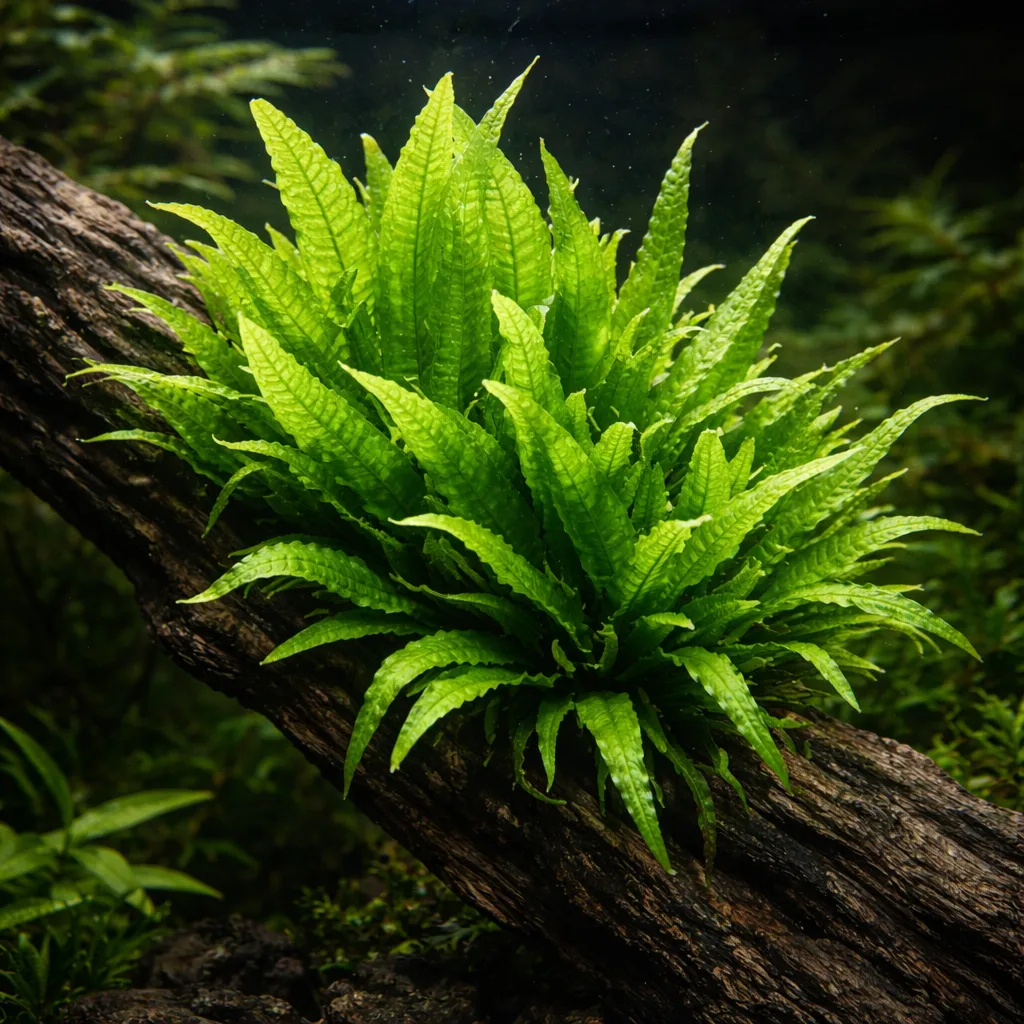
Java Fern, scientifically known as Microsorum pteropus, is a popular aquatic plant favored by aquarists for its hardiness and unique appearance. This versatile plant is native to Southeast Asia and is commonly found growing on rocks and submerged wood in rivers and streams. Java Fern is characterized by its lush, green, feathery leaves that can create a beautiful backdrop in aquascapes.
Natural Habitat
In the wild, Java Fern thrives in a variety of water conditions but is often found in areas with moderate flow and indirect light. The plant can attach itself to various surfaces, making it a suitable choice for different aquarium setups.
Care Requirements
Java Fern is considered an easy plant to care for, making it ideal for beginners. Here are some key care requirements:
- Light: Prefers low to moderate light conditions, although it can tolerate brighter light. Excessive light may lead to algae growth.
- Water Parameters: Adapts well to a range of water parameters but generally prefers a temperature between 20-28°C (68-82°F) and neutral to slightly acidic pH.
- Substrate: Does not require a specific substrate; it can be attached to rocks, driftwood, or left free-floating in the tank.
Tank Setup
When setting up an aquarium for Java Fern, consider the following tips:
- Attach the plant to decor such as rocks or wood using fishing line or plant glue. This mimics its natural growing conditions.
- Provide some shade or position it in a spot with indirect lighting to prevent algae growth.
- Introduce other aquatic plants that complement its appearance, such as Anubias or Brazilian Waterweed.
Compatibility
Java Fern is compatible with many freshwater fish and invertebrates. It makes an excellent addition to community tanks. Avoid placing it with herbivorous fish that might nibble on its leaves.
Feeding, Lighting, and CO2
Java Fern does not require CO2 injection, making it a great choice for low-tech setups. However, adding nutrients in the form of liquid fertilizer can enhance its growth. Light demands are low to moderate, allowing it to thrive in a variety of lighting situations.
Propagation
This plant propagates through the production of baby plants that grow on the leaves, known as plantlets. These can be gently removed and replanted in your aquarium for additional growth.
Conclusion
Overall, Java Fern is a resilient and beautiful plant that enhances the aesthetic appeal of any freshwater aquarium. Its ease of care makes it a staple for both novice and experienced aquarists alike.
How to care for Microsorum pteropus
- 1
Set up the tank
Ensure your aquarium has a stable temperature between 18–28°C (65–83°F), a pH of 5.5–7.0, and a general hardness (GH) of 0–30°dGH.
- 2
Attach the rhizome
Secure the rhizome of Microsorum pteropus to driftwood or rocks using black thread or fishing line, keeping the rhizome exposed to water flow to prevent rot.
- 3
Provide appropriate lighting
Place the plant in an area with low to moderate light; avoid high-intensity lighting to prevent leaf damage.
- 4
Monitor water quality
Regularly check water parameters, including temperature, pH, and hardness, to maintain optimal conditions for plant health.
- 5
Feed appropriately
While Microsorum pteropus can grow without CO2 supplementation, providing liquid fertilizers can support growth, especially in low-tech setups.
Frequently asked questions
What are the ideal water parameters for Microsorum pteropus?▾
Microsorum pteropus thrives in water temperatures between 18–28°C (65–83°F), with a pH range of 5.5–7.0, and a general hardness (GH) of 0–30°dGH.
How should I plant Microsorum pteropus in my aquarium?▾
Attach the rhizome of Microsorum pteropus to driftwood or rocks using black thread or fishing line, ensuring the rhizome remains exposed to water flow to prevent rot.
Does Microsorum pteropus require high light levels?▾
No, Microsorum pteropus does well in low to moderate light conditions and can even grow in low-light aquariums without CO2 supplementation.
How do I propagate Microsorum pteropus?▾
Microsorum pteropus propagates by producing plantlets on the tips of older leaves or by rhizome division, where sections of the rhizome with at least two to three leaves are cut and reattached.
Is Microsorum pteropus safe for aquarium fish?▾
Yes, Microsorum pteropus is generally safe for aquarium fish; its tough leaves are often unappealing to most fish, making it a good choice for planted tanks.
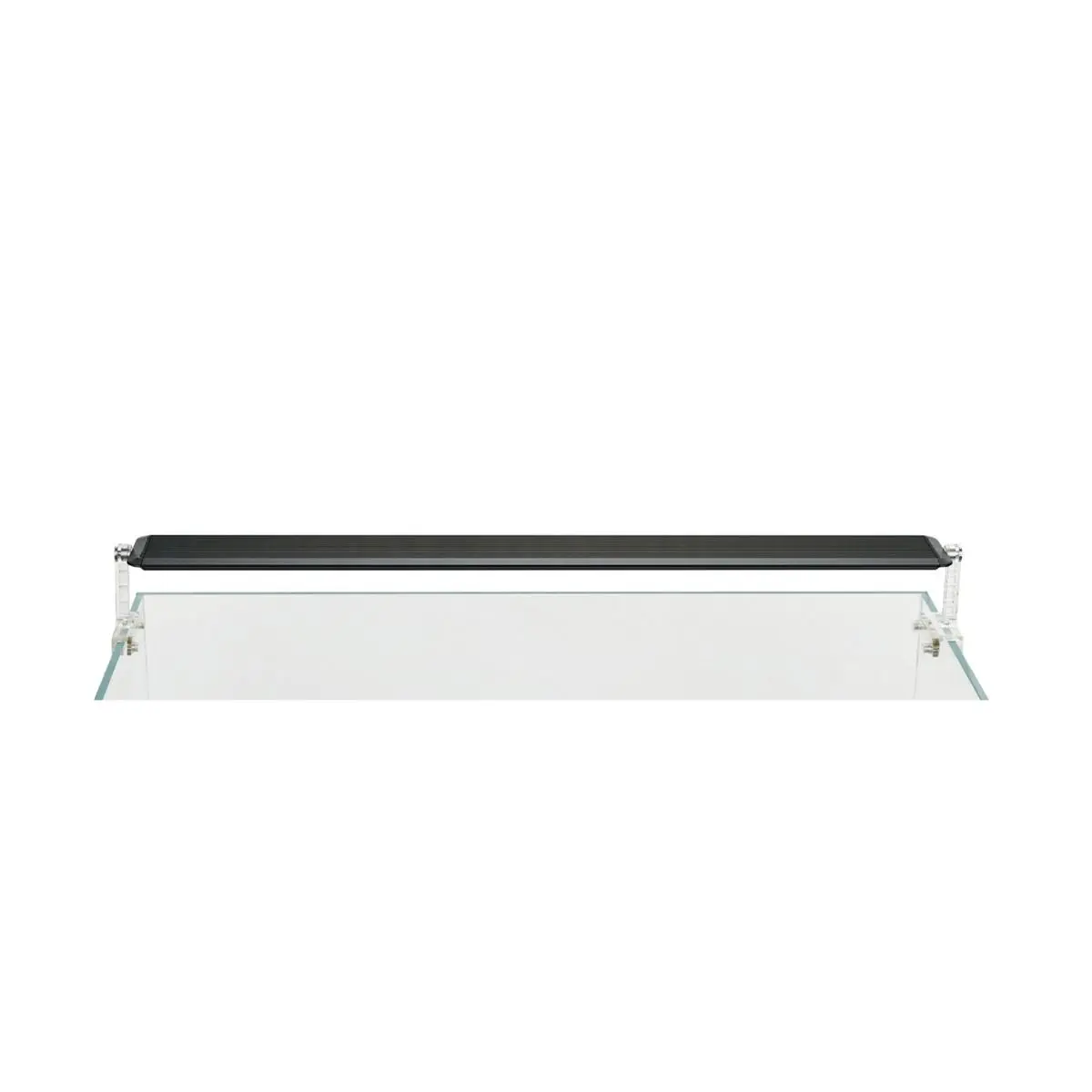
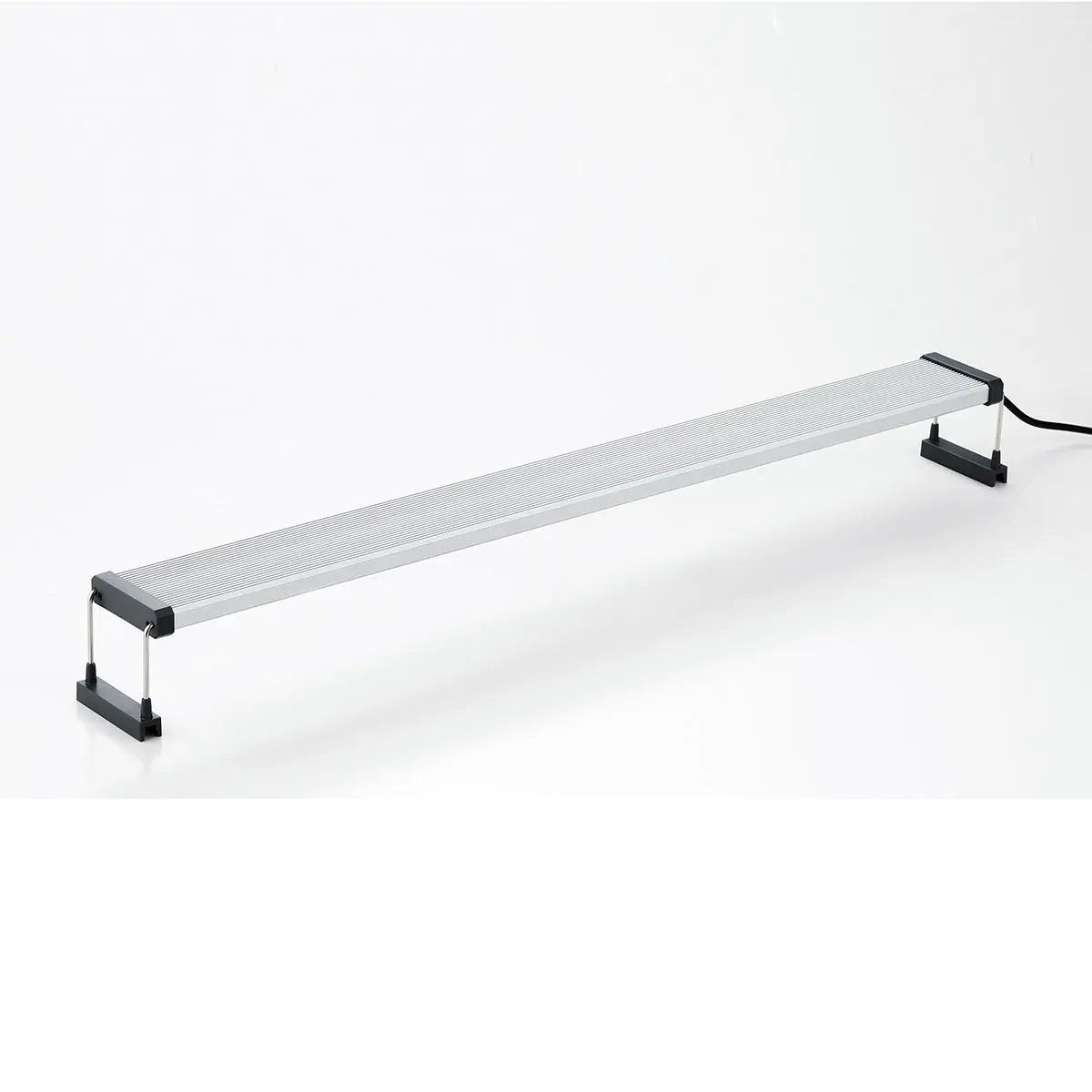
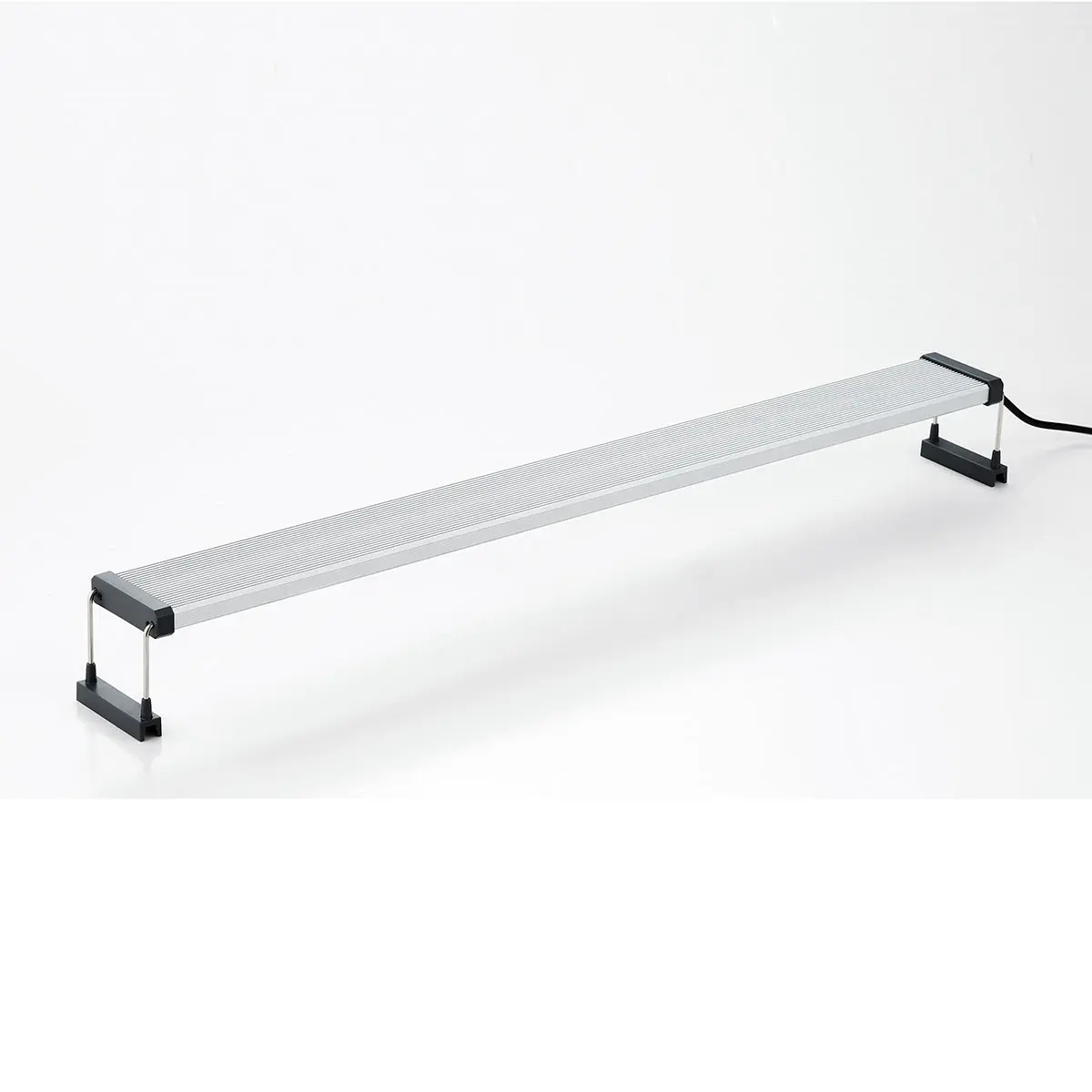
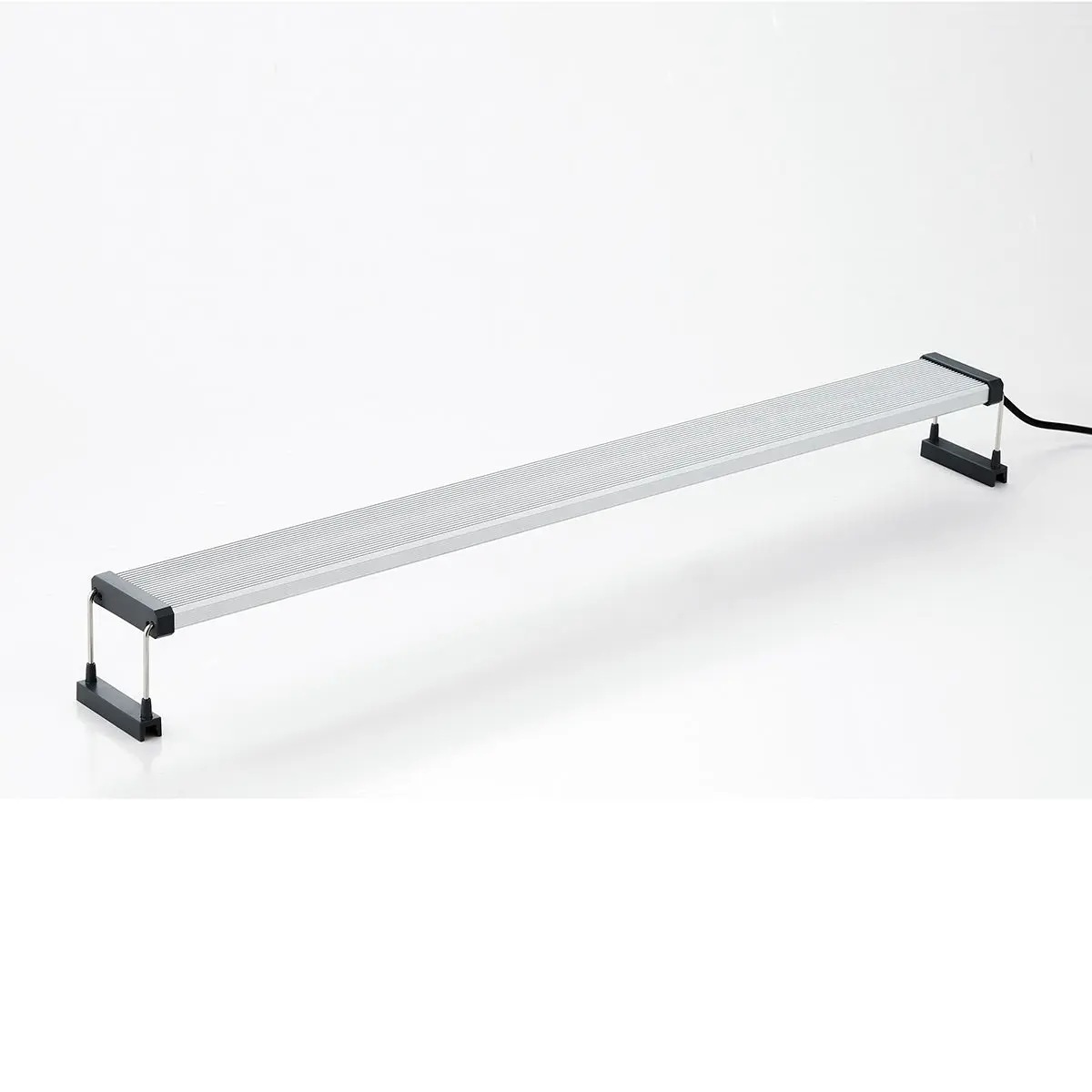
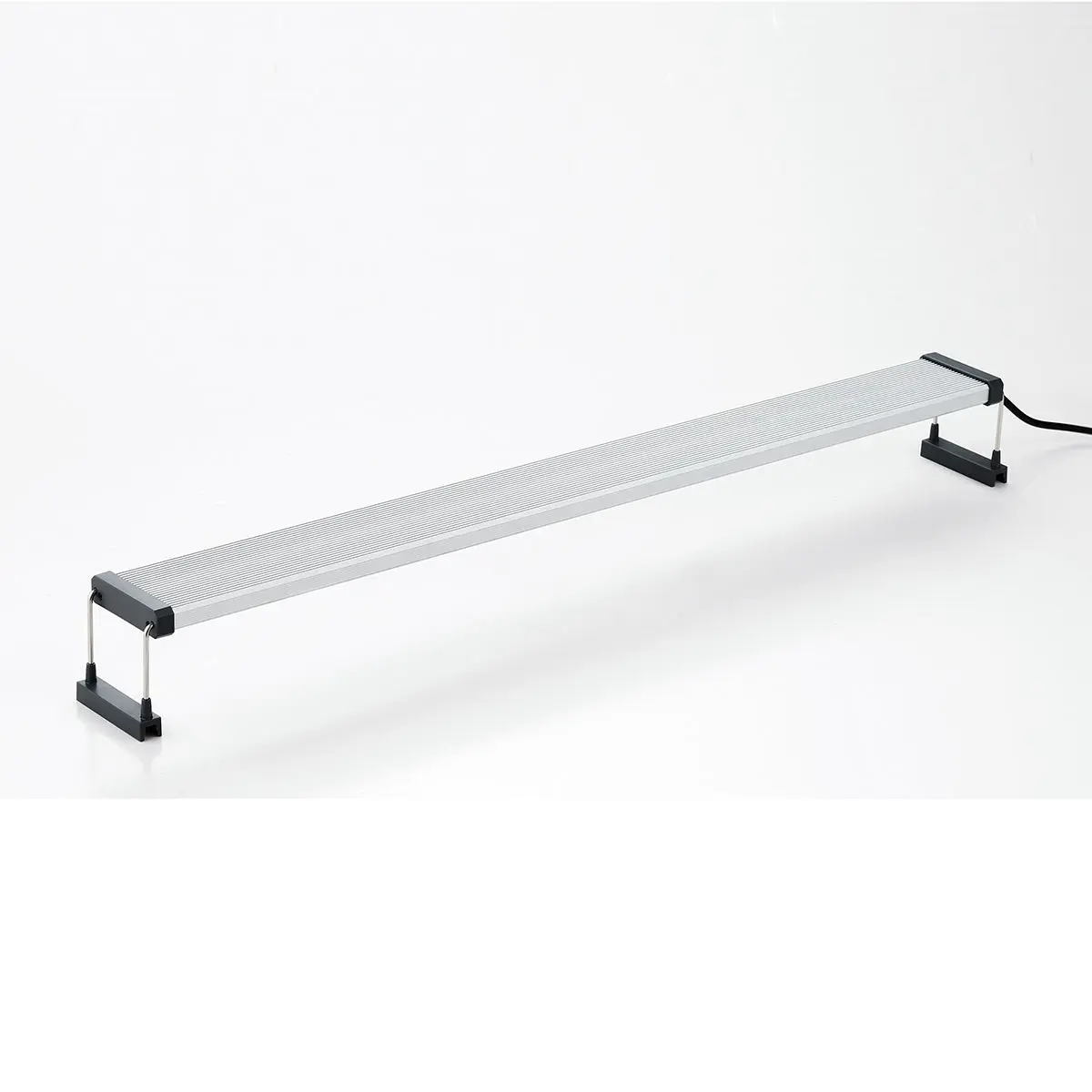
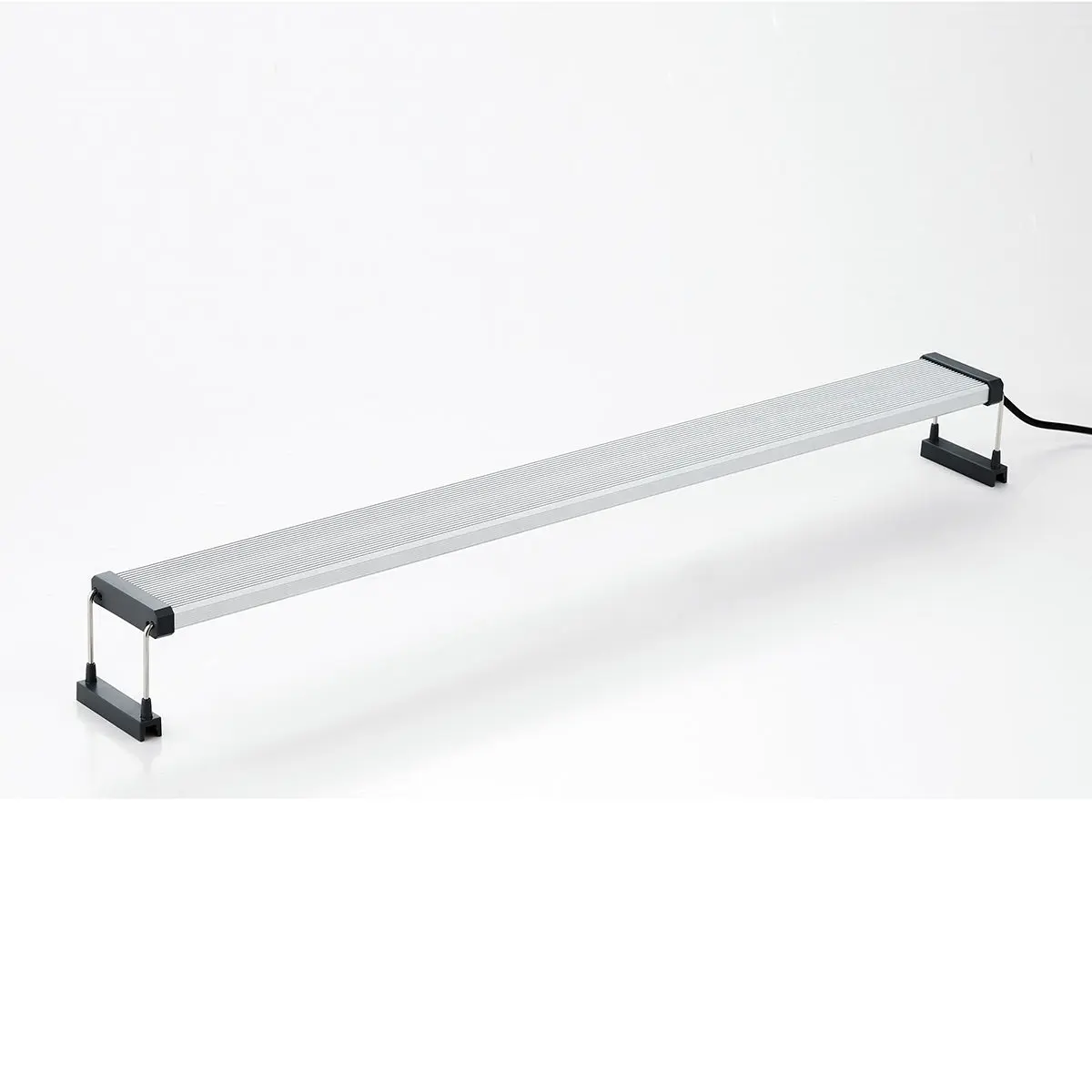
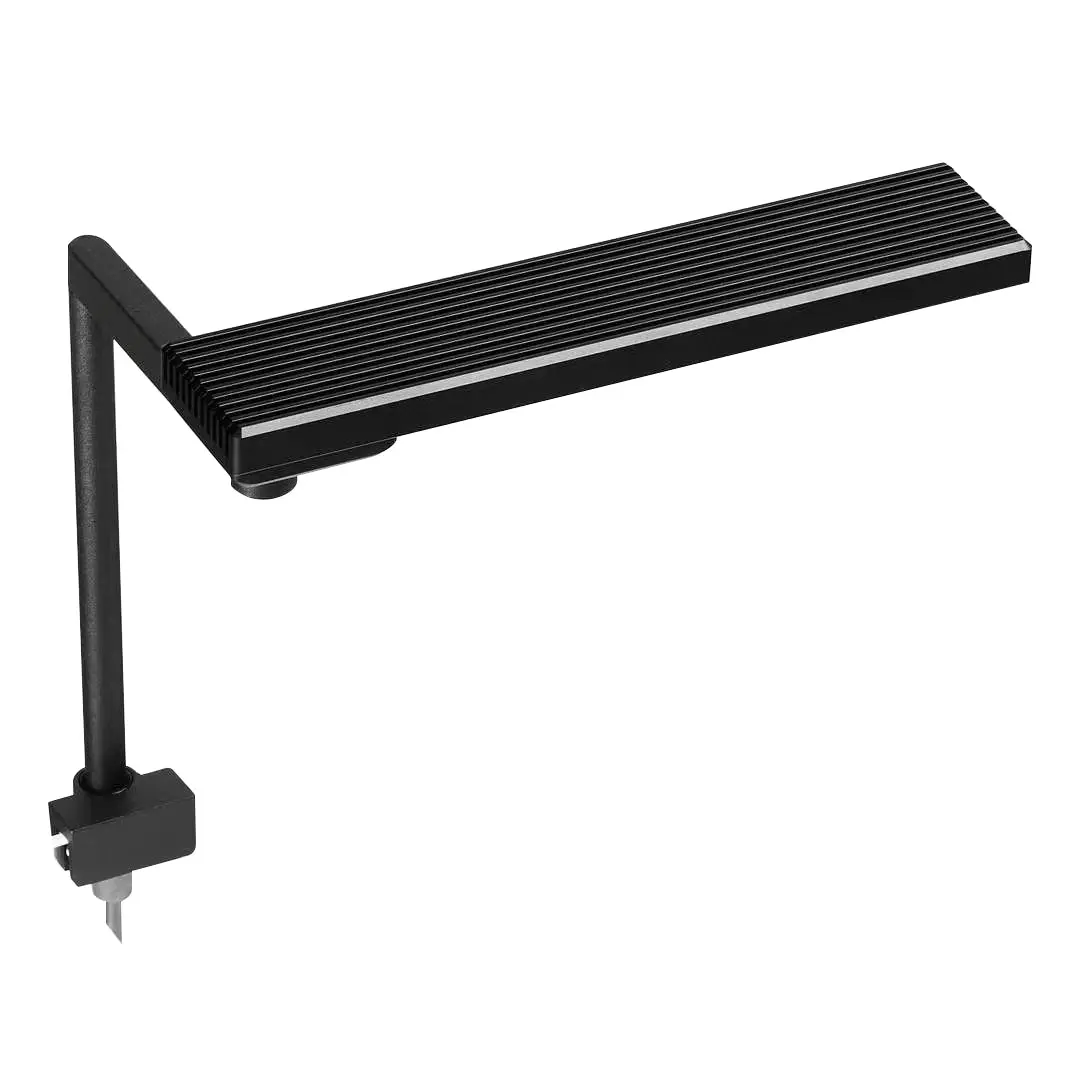
Lighting that can support this plant
Suggested from plant care level and compatibility.