Illustrative images
Marsilea hirsuta
Marsilea hirsuta
Overview
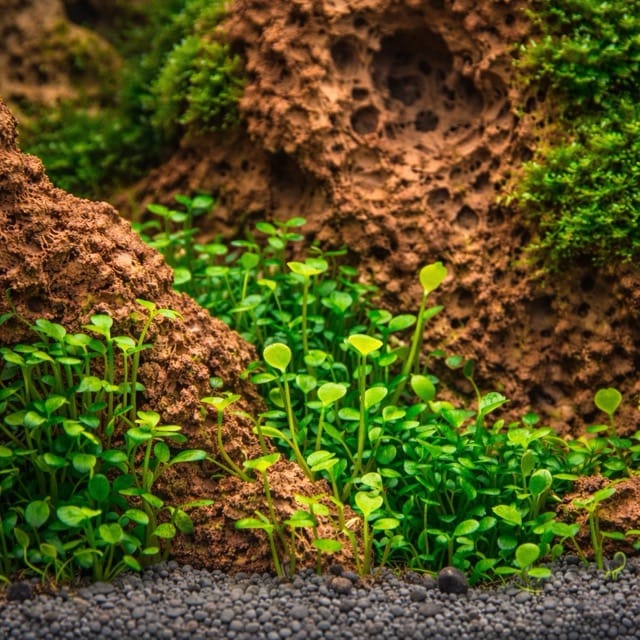
Marsilea hirsuta, commonly known as the water clover, is a unique aquatic plant that thrives in various freshwater environments. It features a distinctive green, clover-like leaf structure that adds visual interest to aquariums. This plant is esteemed for its adaptability and can flourish under varying conditions, making it a choice for both beginners and experienced aquarists.
Natural Habitat
In the wild, Marsilea hirsuta is typically found in shallow waters, swamps, and along the edges of wetlands. It is native to various regions, enjoying a warm climate and ample sunlight. Its natural habitat contributes to its resilient nature, allowing it to tolerate a range of water parameters.
Care Requirements
Marsilea hirsuta is regarded as an easy-to-care-for plant. It can thrive in both low and high light environments, though a moderate light level is recommended for optimal growth. Regular trimming may be required to maintain its appearance and encourage bushier growth. It's important to ensure the plant is well-aerated, as stagnation can lead to poor health.
Tank Setup
For the best results, Marsilea hirsuta should be planted in nutrient-rich substrate that can support its growth. A tank size of at least 20 gallons is recommended to provide enough space for it to spread. Incorporating CO2 can enhance its growth rate, but the plant also adapts well to low-CO2 conditions. Additionally, it benefits from a balanced fertilization routine.
Compatibility
This aquatic plant is compatible with a variety of fish and invertebrates, making it a great addition to community tanks. Its leaves provide shelter for small species and act as a food source for herbivores.
Feeding and Lighting
Feeding Marsilea hirsuta typically involves ensuring it receives adequate nutrients through the substrate or water column. A moderate amount of light will promote healthy growth, while too much light can encourage algae formation on the leaves.
Conclusion
In summary, Marsilea hirsuta is a versatile and beautiful aquatic plant that can enhance any aquarium layout. With its low maintenance needs and aesthetic appeal, it is suitable for hobbyists of all levels looking to enrich their underwater landscapes.
How to care for Marsilea hirsuta
- 1
Set up the tank
Choose a tank with a nutrient-rich substrate to support healthy root development. A minimum tank size of 10 gallons is recommended for optimal growth. ([aquariumbreeder.com](https://aquariumbreeder.com/marsilea-hirsuta-care-guide-planting-growing-and-propagation/?utm_source=openai))
- 2
Plant Marsilea hirsuta
Gently plant the runners into the substrate, ensuring they are anchored securely. Space them appropriately to allow for spreading and growth. ([aquariumbreeder.com](https://aquariumbreeder.com/marsilea-hirsuta-care-guide-planting-growing-and-propagation/?utm_source=openai))
- 3
Provide appropriate lighting
Install a lighting system that offers medium to high light intensity, as this promotes optimal growth and vibrant coloration. ([aquariumbreeder.com](https://aquariumbreeder.com/marsilea-hirsuta-care-guide-planting-growing-and-propagation/?utm_source=openai))
- 4
Maintain water parameters
Regularly monitor and adjust water temperature to 68-77°F (20-25°C) and pH to 6.0-7.5. Keep water hardness between very soft to medium (GH 2-12 dGH). ([aquariumbreeder.com](https://aquariumbreeder.com/marsilea-hirsuta-care-guide-planting-growing-and-propagation/?utm_source=openai))
- 5
Fertilize appropriately
Use a balanced liquid fertilizer to provide essential nutrients. Marsilea hirsuta can grow without CO2 supplementation, but adding CO2 can enhance growth. ([aquariumbreeder.com](https://aquariumbreeder.com/marsilea-hirsuta-care-guide-planting-growing-and-propagation/?utm_source=openai))
- 6
Monitor growth and health
Regularly check for signs of nutrient deficiencies or algae growth. Trim any overgrown areas to maintain a neat appearance and encourage healthy growth. ([aquariumbreeder.com](https://aquariumbreeder.com/marsilea-hirsuta-care-guide-planting-growing-and-propagation/?utm_source=openai))
Frequently asked questions
What are the ideal water parameters for Marsilea hirsuta?▾
Marsilea hirsuta thrives in water temperatures between 68-77°F (20-25°C) and a pH of 6.0-7.5. Water hardness should be very soft to medium, with a general hardness (GH) of 2-12 dGH. ([aquariumbreeder.com](https://aquariumbreeder.com/marsilea-hirsuta-care-guide-planting-growing-and-propagation/?utm_source=openai))
How do I propagate Marsilea hirsuta?▾
Marsilea hirsuta propagates through runners that spread horizontally, forming new plants. To propagate, gently separate the new plants from the main runner and replant them in the desired location. ([aquariumbreeder.com](https://aquariumbreeder.com/marsilea-hirsuta-care-guide-planting-growing-and-propagation/?utm_source=openai))
Does Marsilea hirsuta require CO2 supplementation?▾
Marsilea hirsuta can grow without CO2 supplementation, making it suitable for low-tech aquariums. However, providing CO2 can enhance its growth and health. ([aquariumbreeder.com](https://aquariumbreeder.com/marsilea-hirsuta-care-guide-planting-growing-and-propagation/?utm_source=openai))
What lighting conditions are best for Marsilea hirsuta?▾
Marsilea hirsuta prefers medium to high lighting conditions. Adequate lighting promotes healthy growth and vibrant green coloration. ([aquariumbreeder.com](https://aquariumbreeder.com/marsilea-hirsuta-care-guide-planting-growing-and-propagation/?utm_source=openai))
Is Marsilea hirsuta suitable for beginners?▾
Yes, Marsilea hirsuta is an excellent choice for beginners due to its low maintenance requirements and adaptability to various tank conditions. ([aquariumbreeder.com](https://aquariumbreeder.com/marsilea-hirsuta-care-guide-planting-growing-and-propagation/?utm_source=openai))
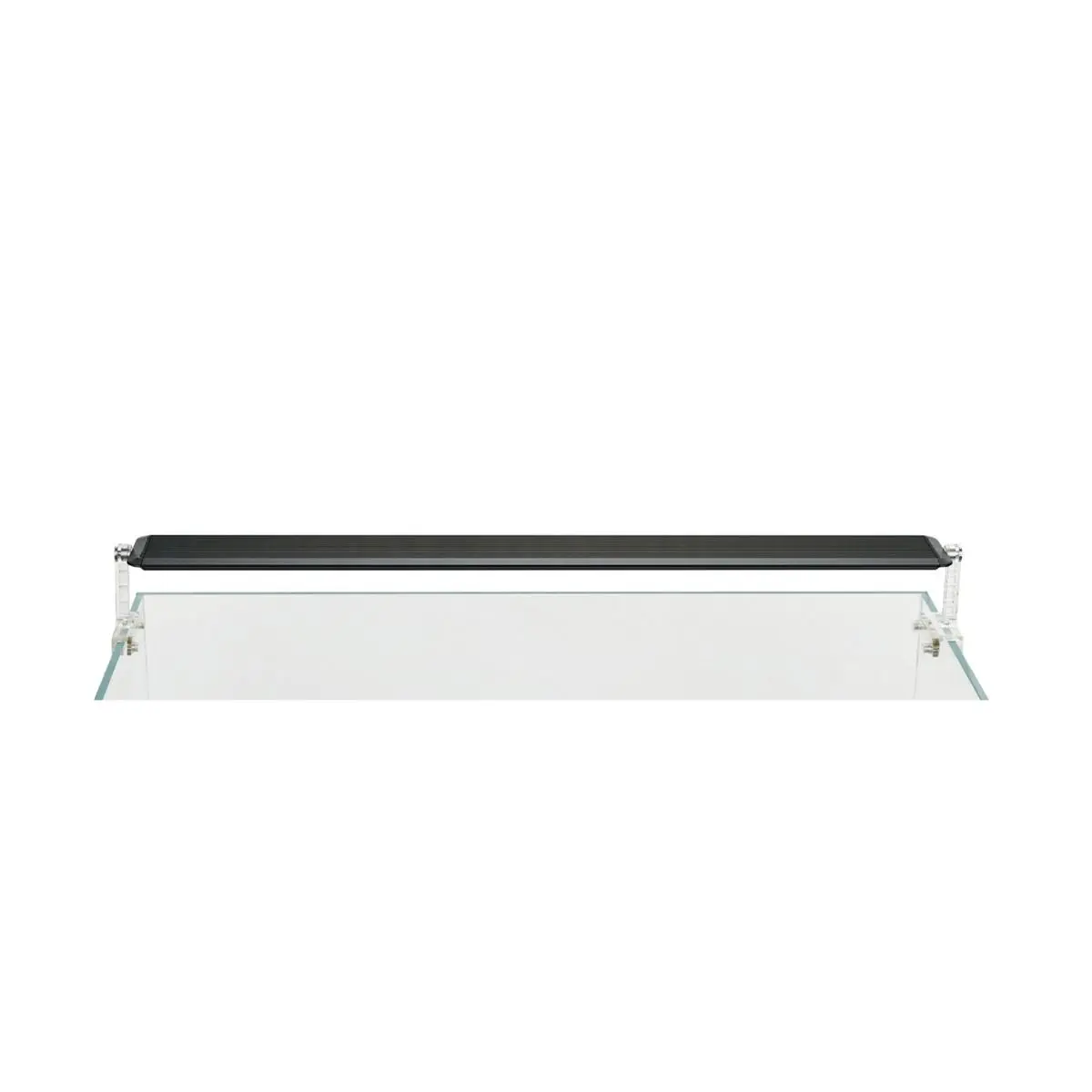
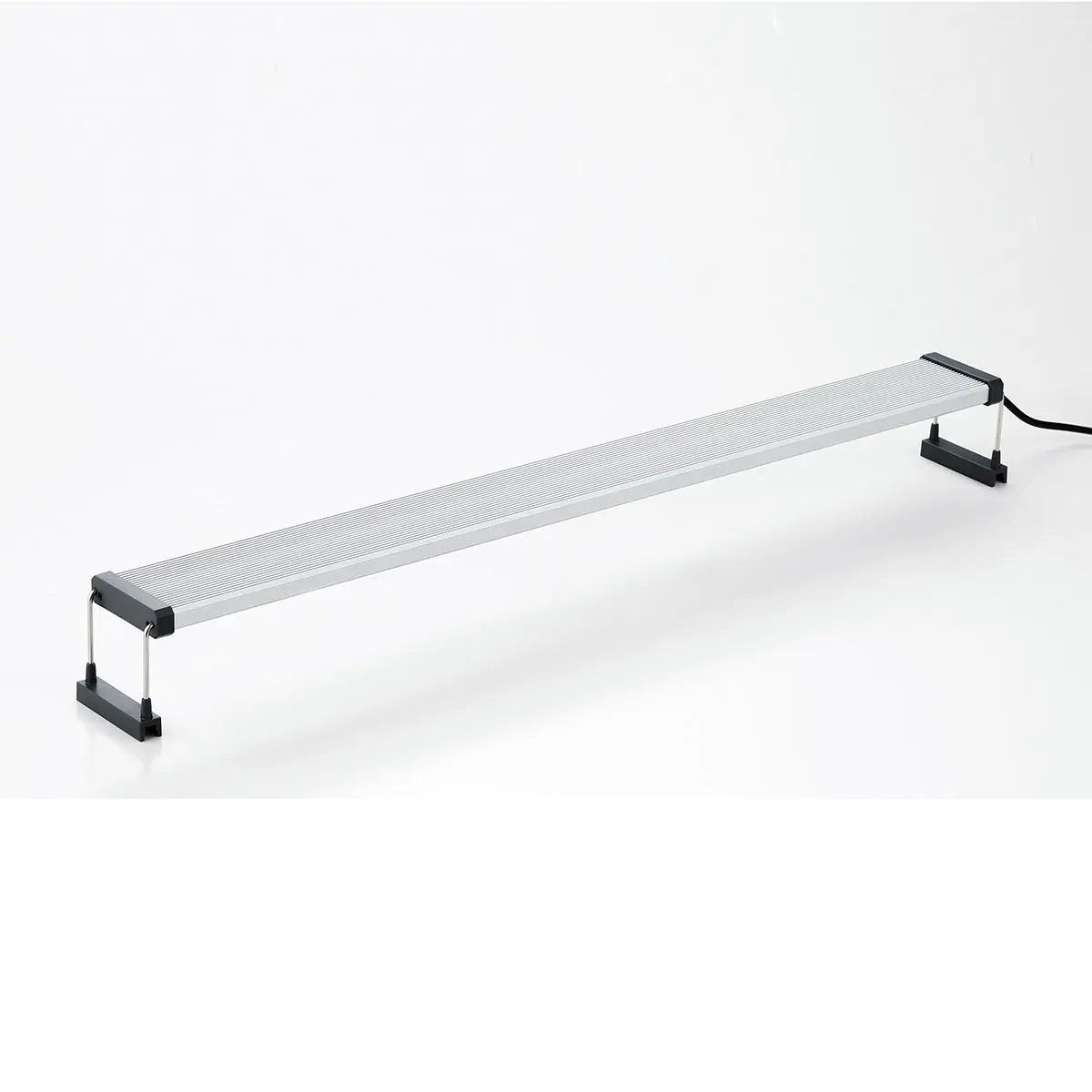
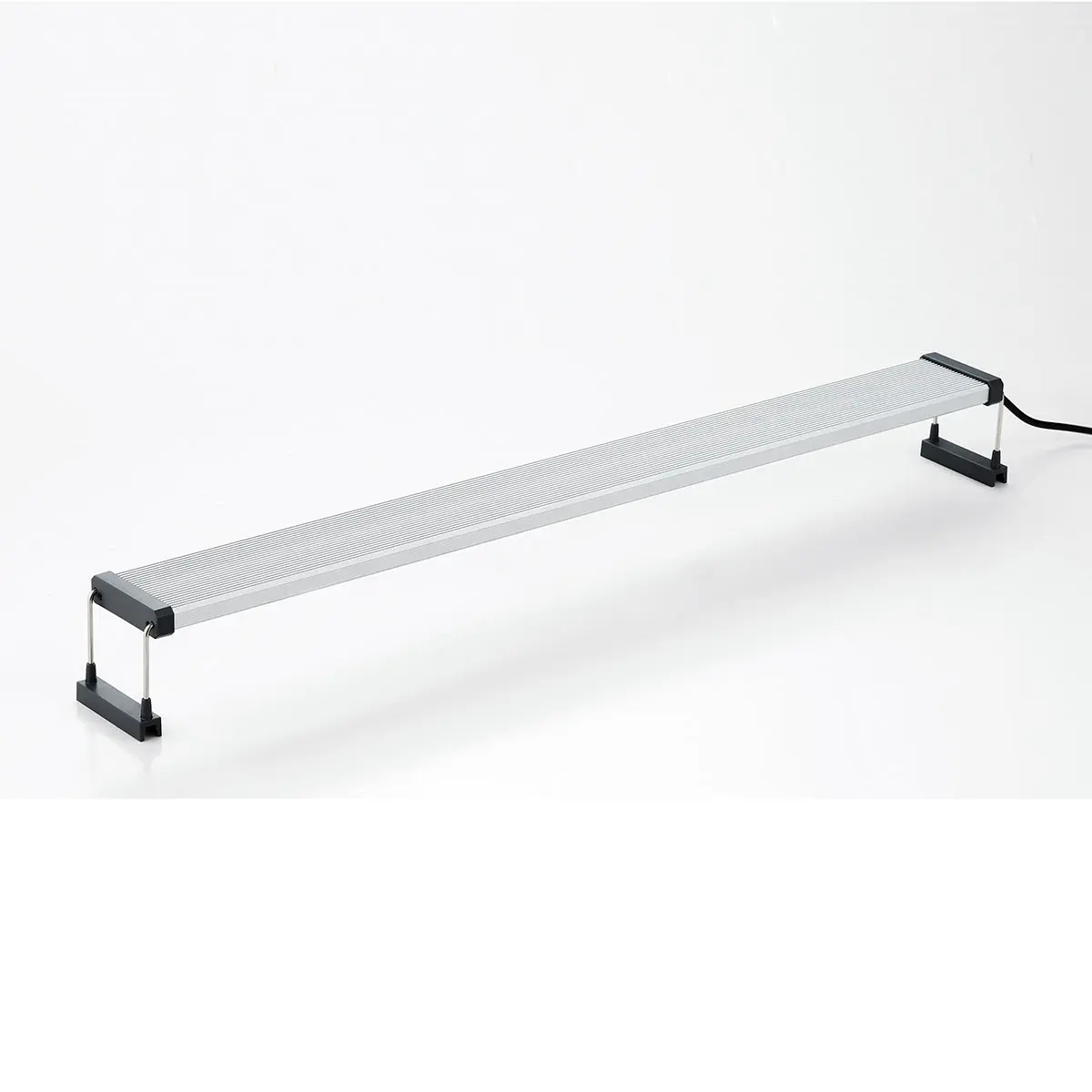
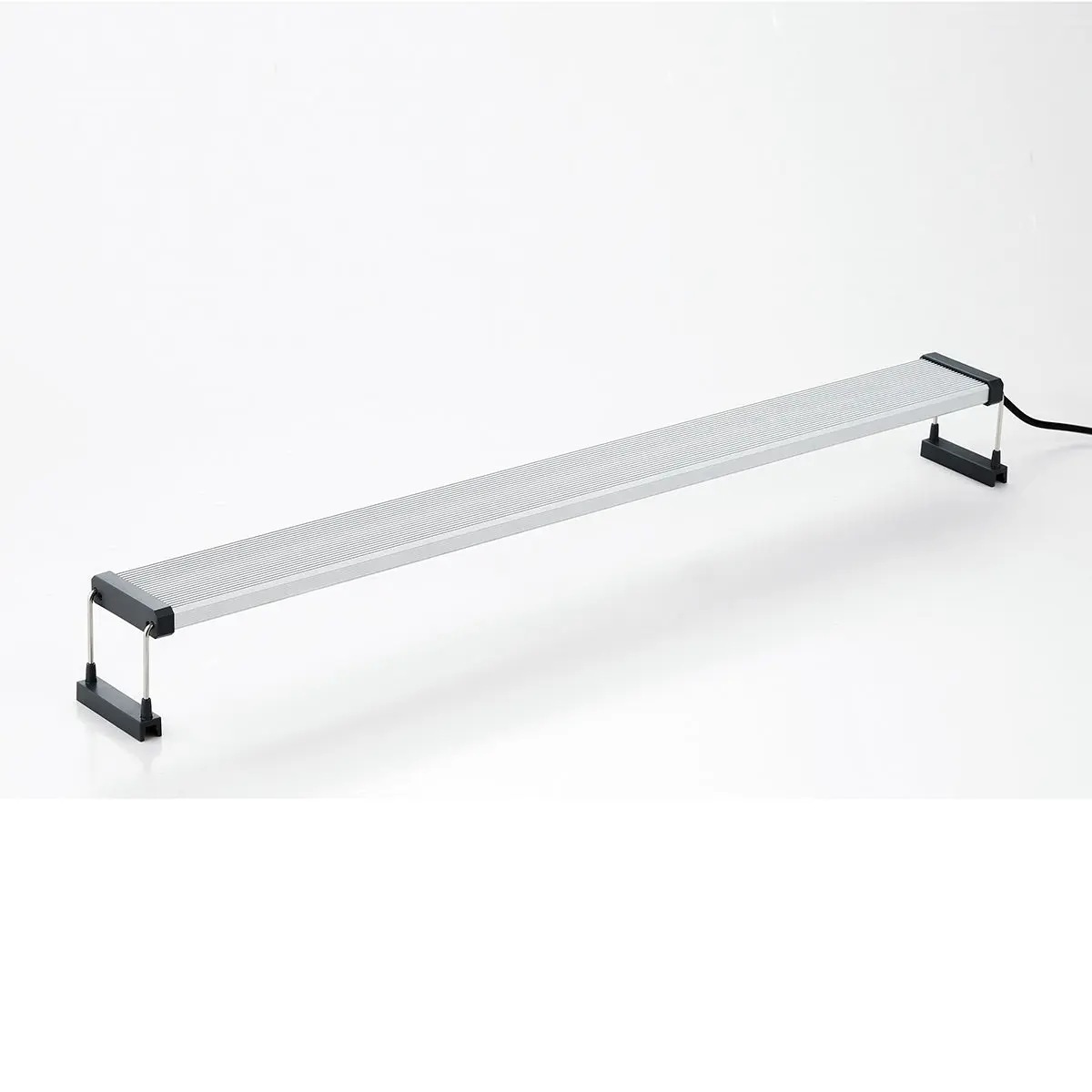
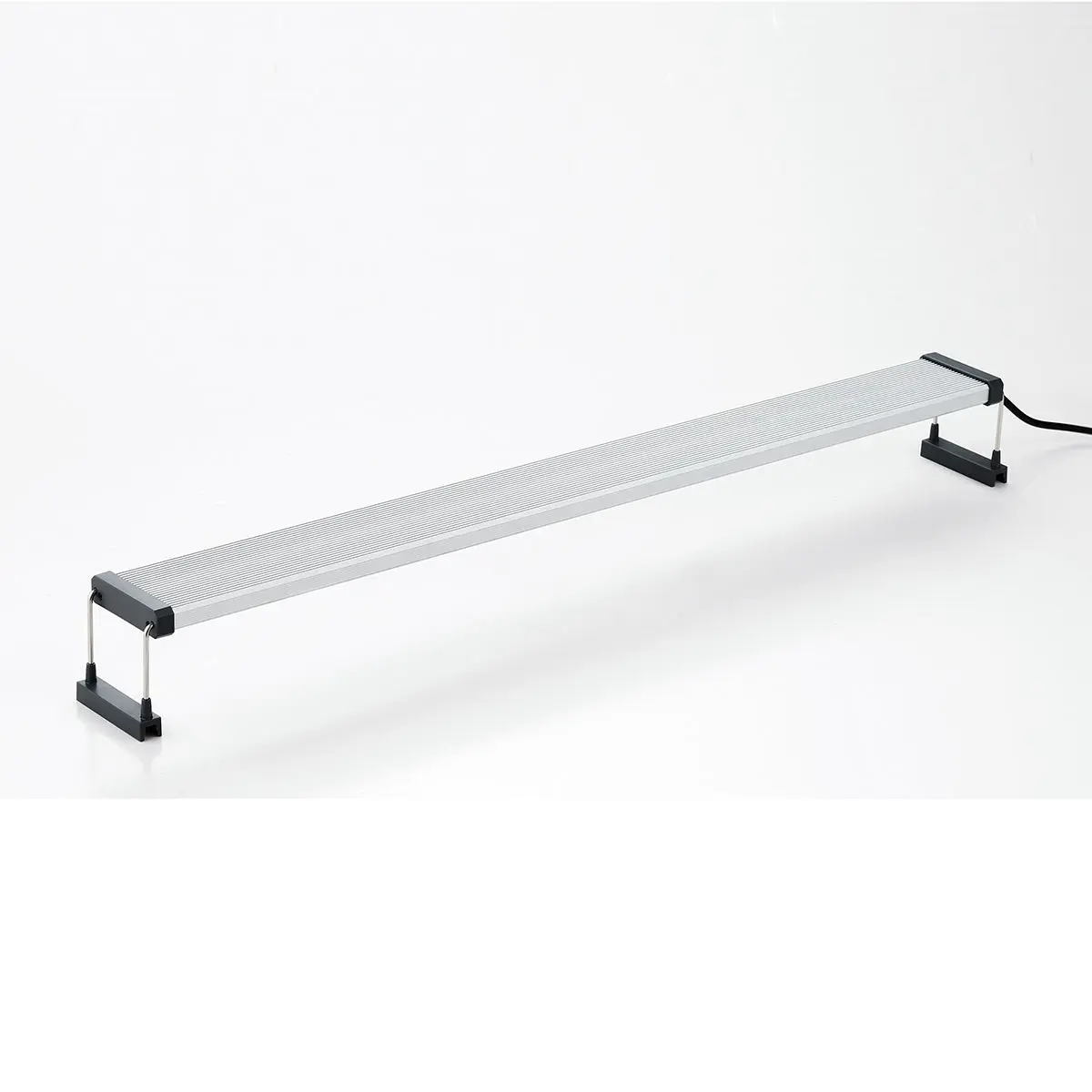
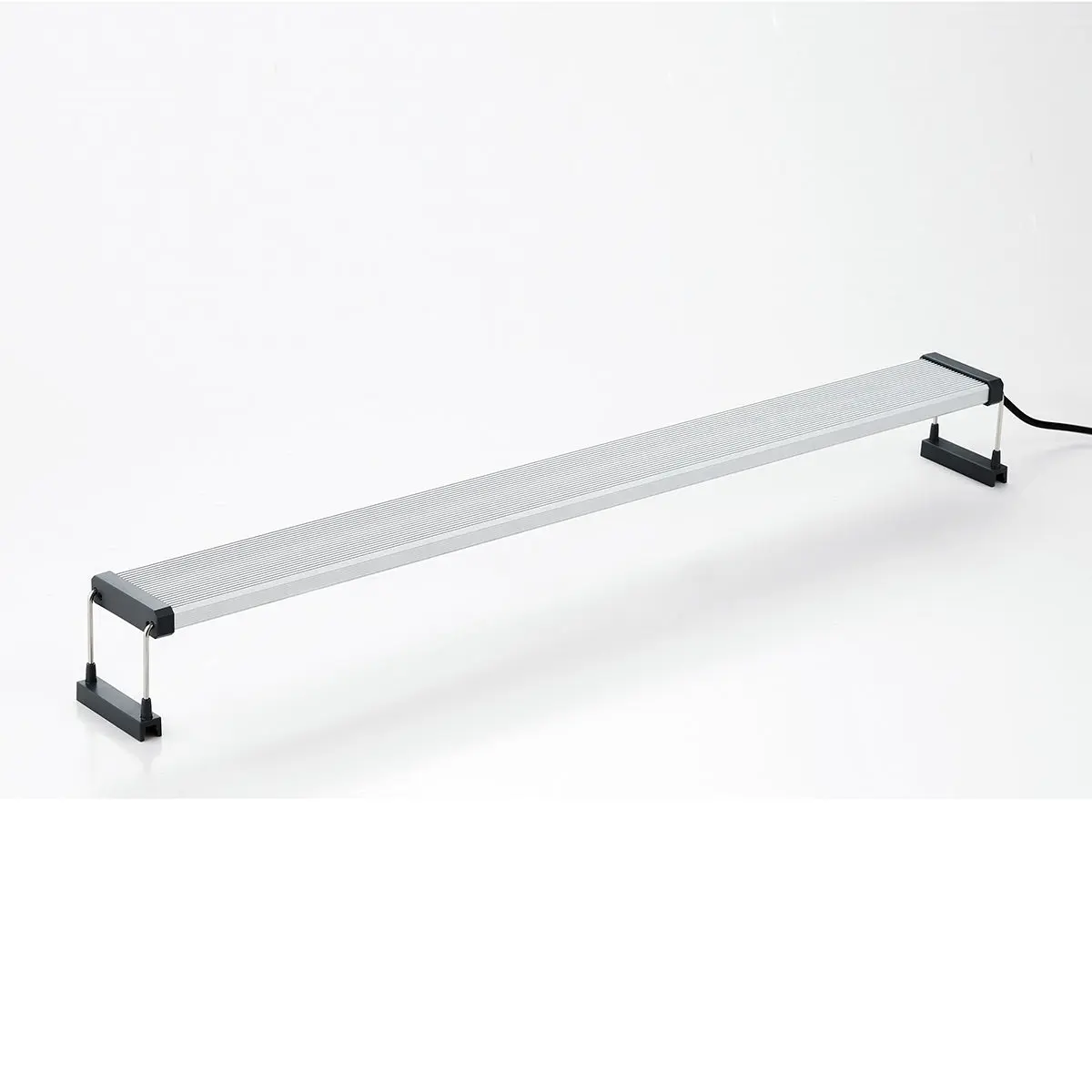
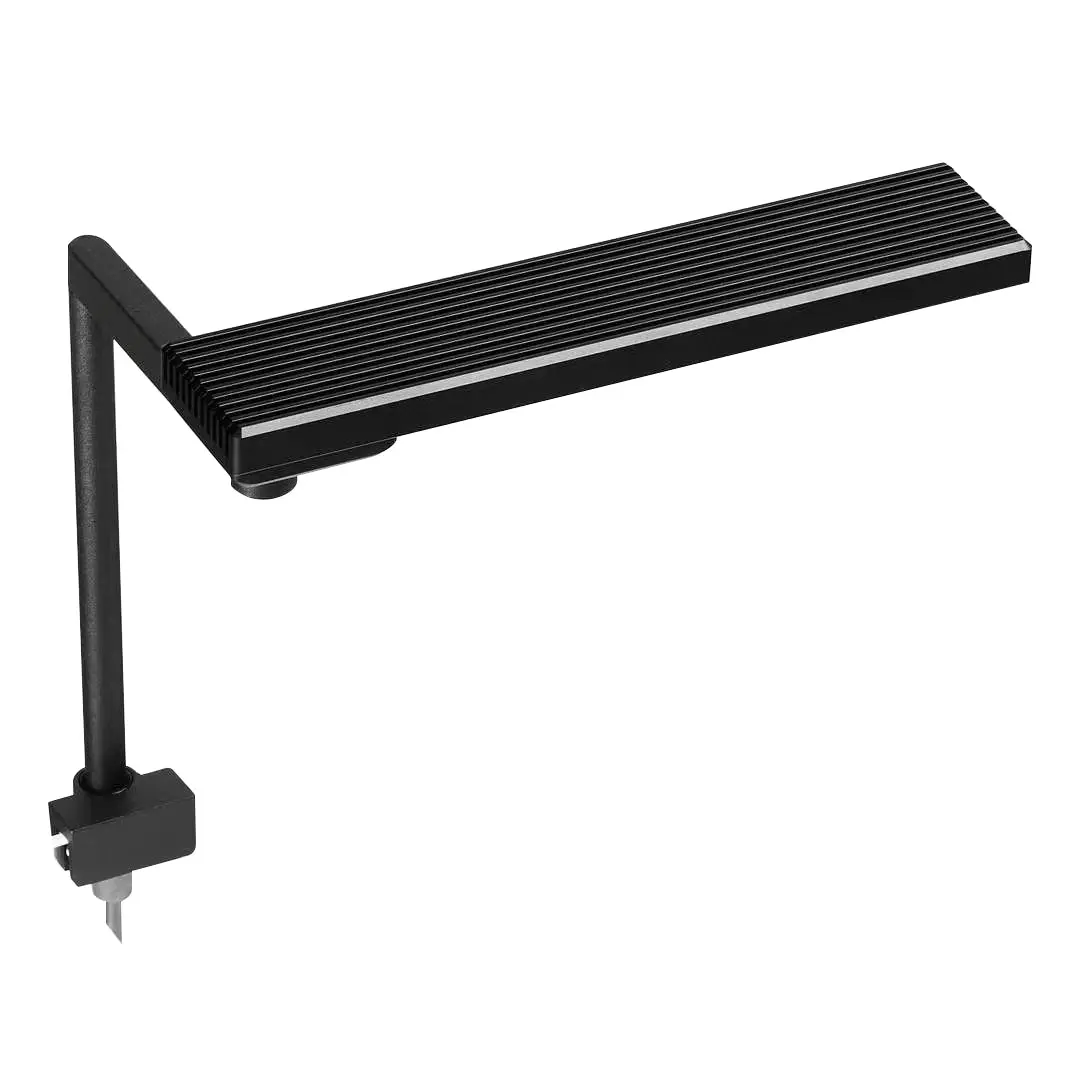
Lighting that can support this plant
Suggested from plant care level and compatibility.