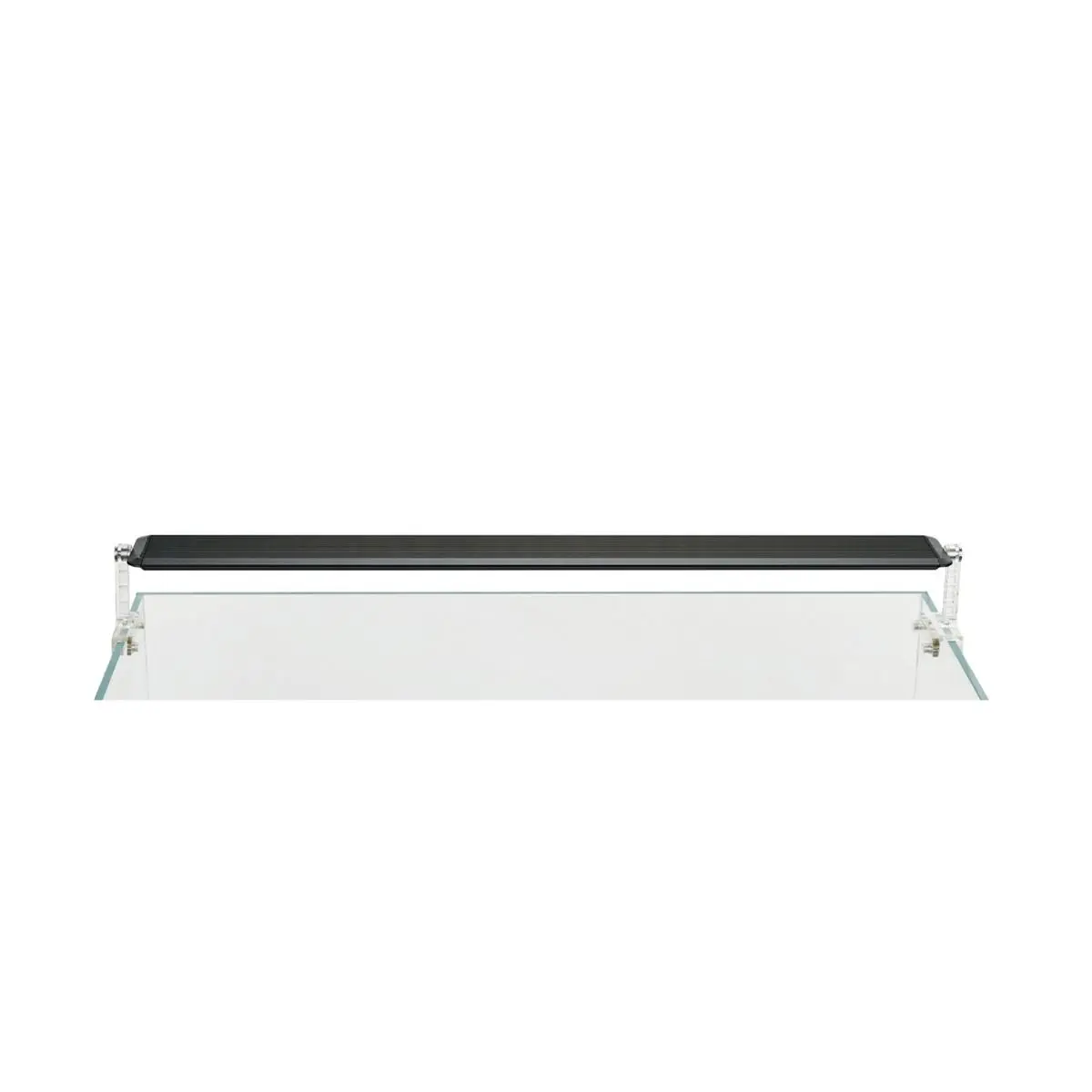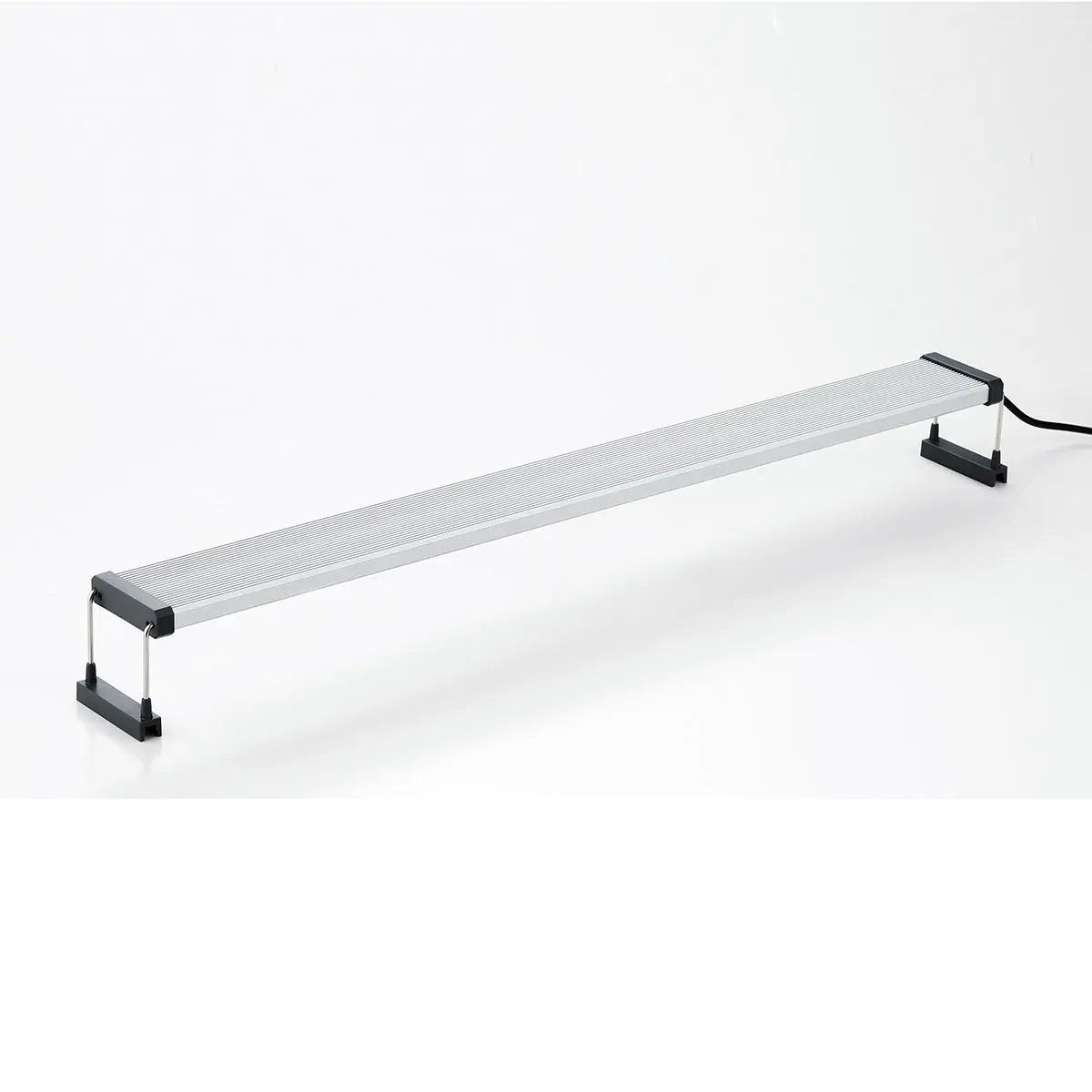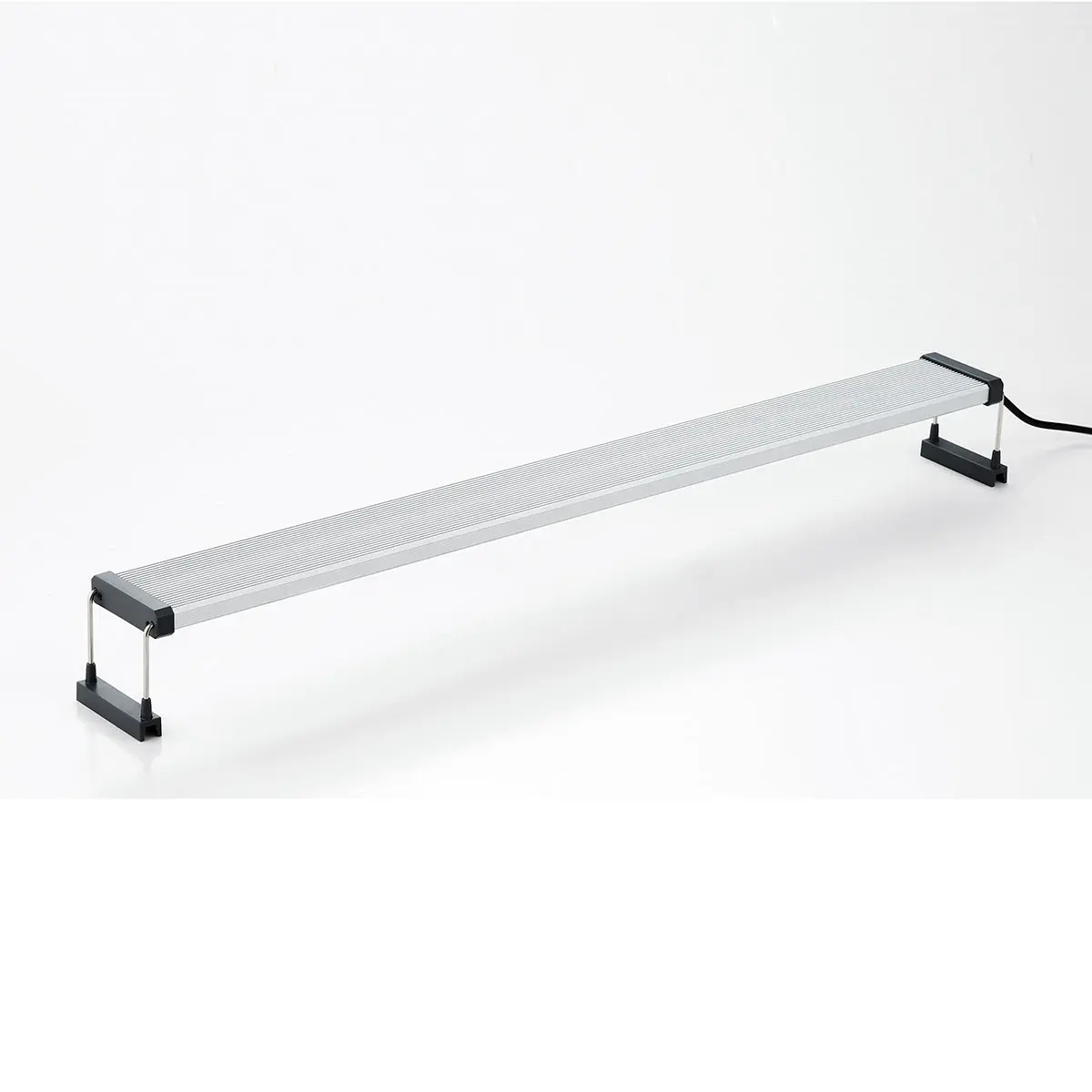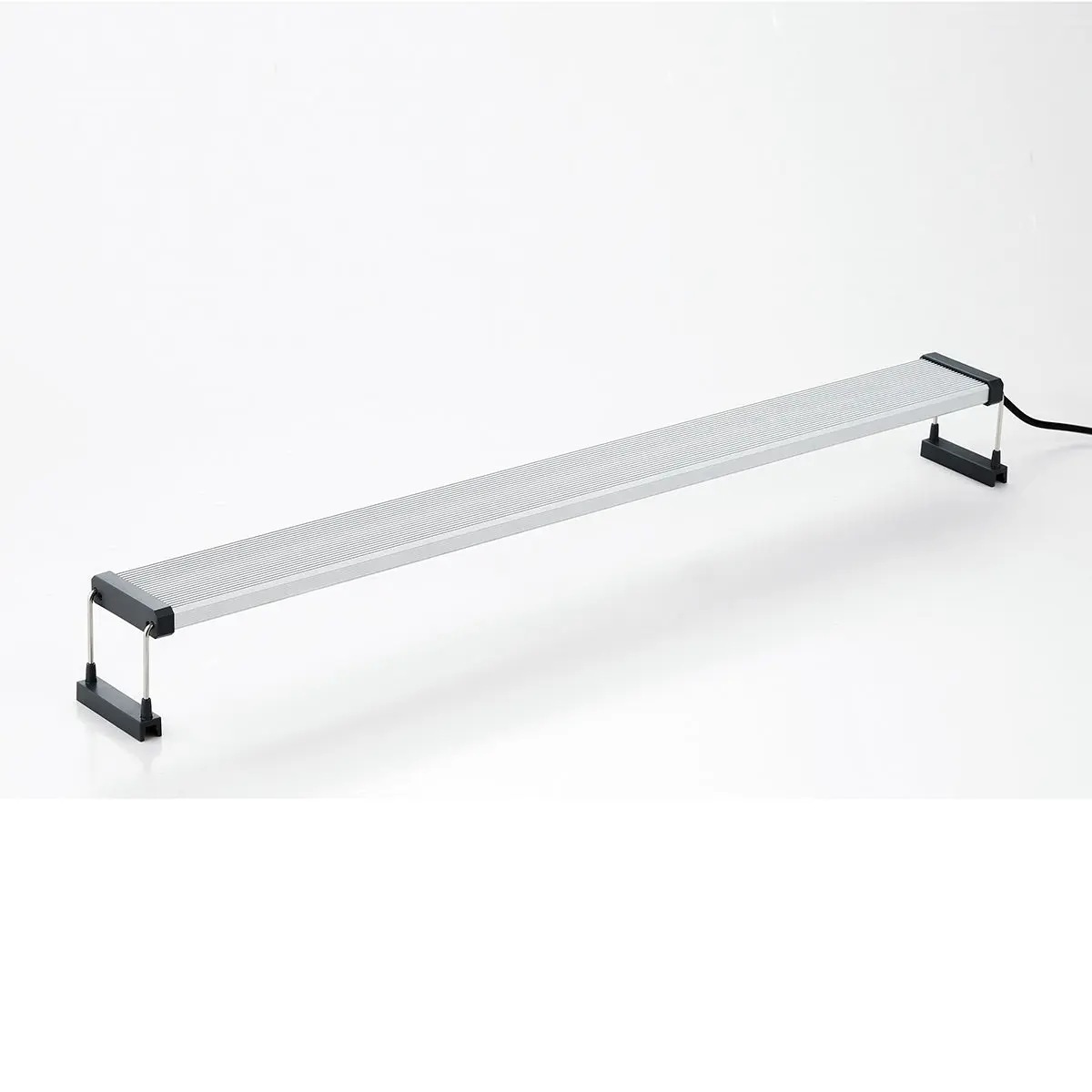
Illustrative images
Marsilea crenata
Marsilea crenata
Overview
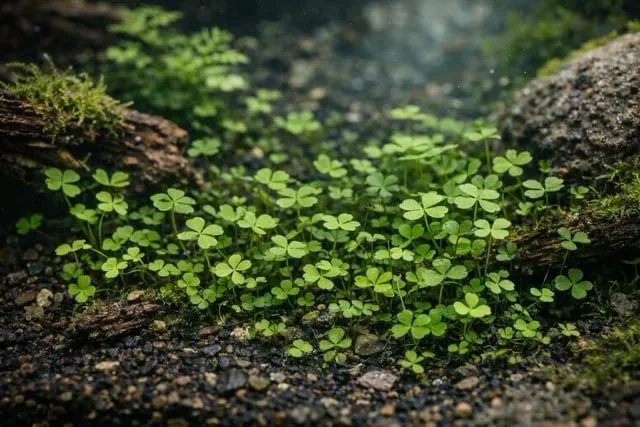
Marsilea crenata, commonly known as the Water Clover, is a fascinating aquatic plant that belongs to the Marsileaceae family. This unique fern-like plant is native to various water bodies in the Southern Hemisphere and is appreciated for its distinct clover-shaped leaves, which can enhance the aesthetic of any aquarium.
Natural Habitat
This species thrives in shallow waters, often found in wetlands, ponds, and slow-moving streams. Its ability to adapt to various environmental conditions makes it a resilient choice for aquarists.
Care Requirements
When keeping Marsilea crenata in an aquarium, certain care considerations are essential to ensure optimal growth:
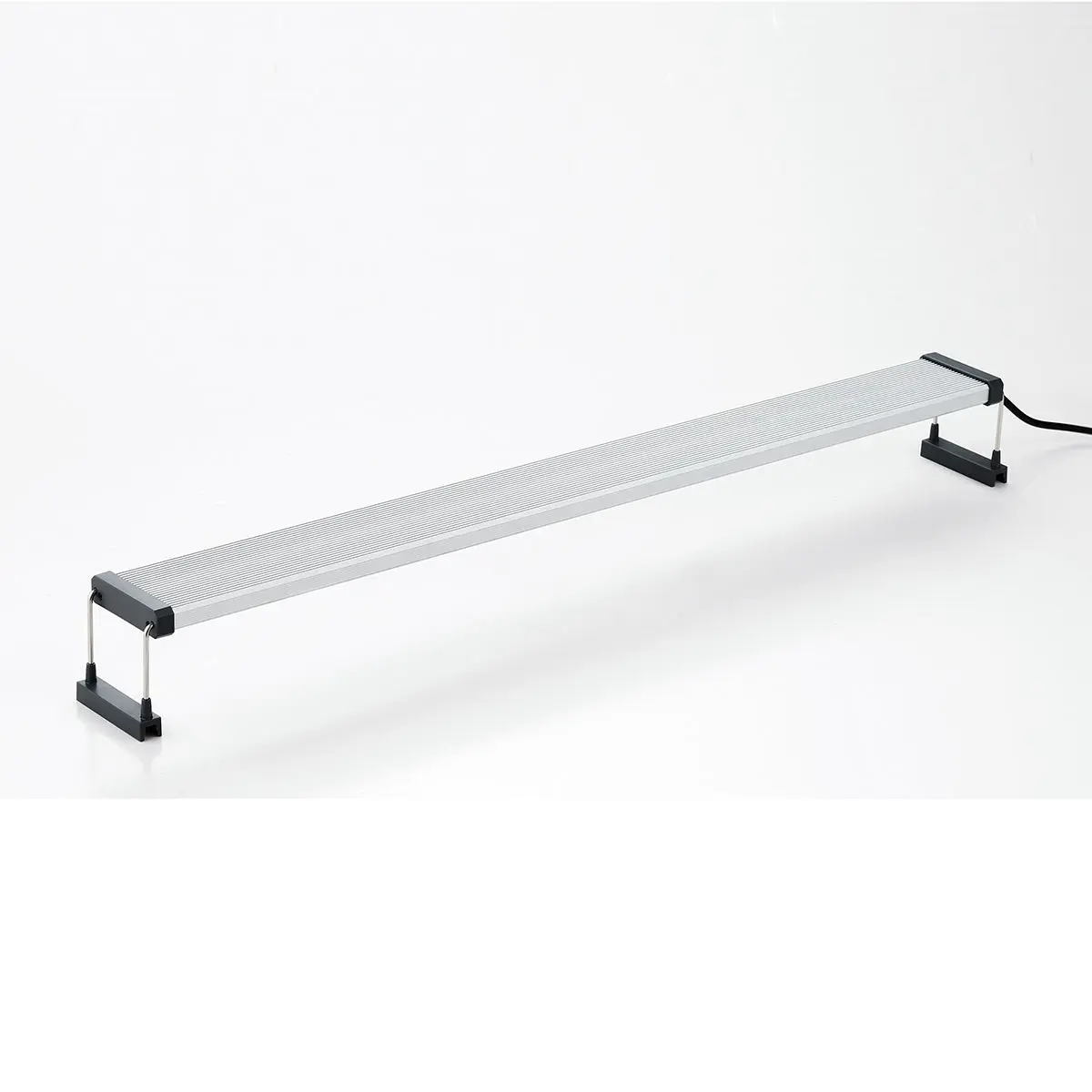
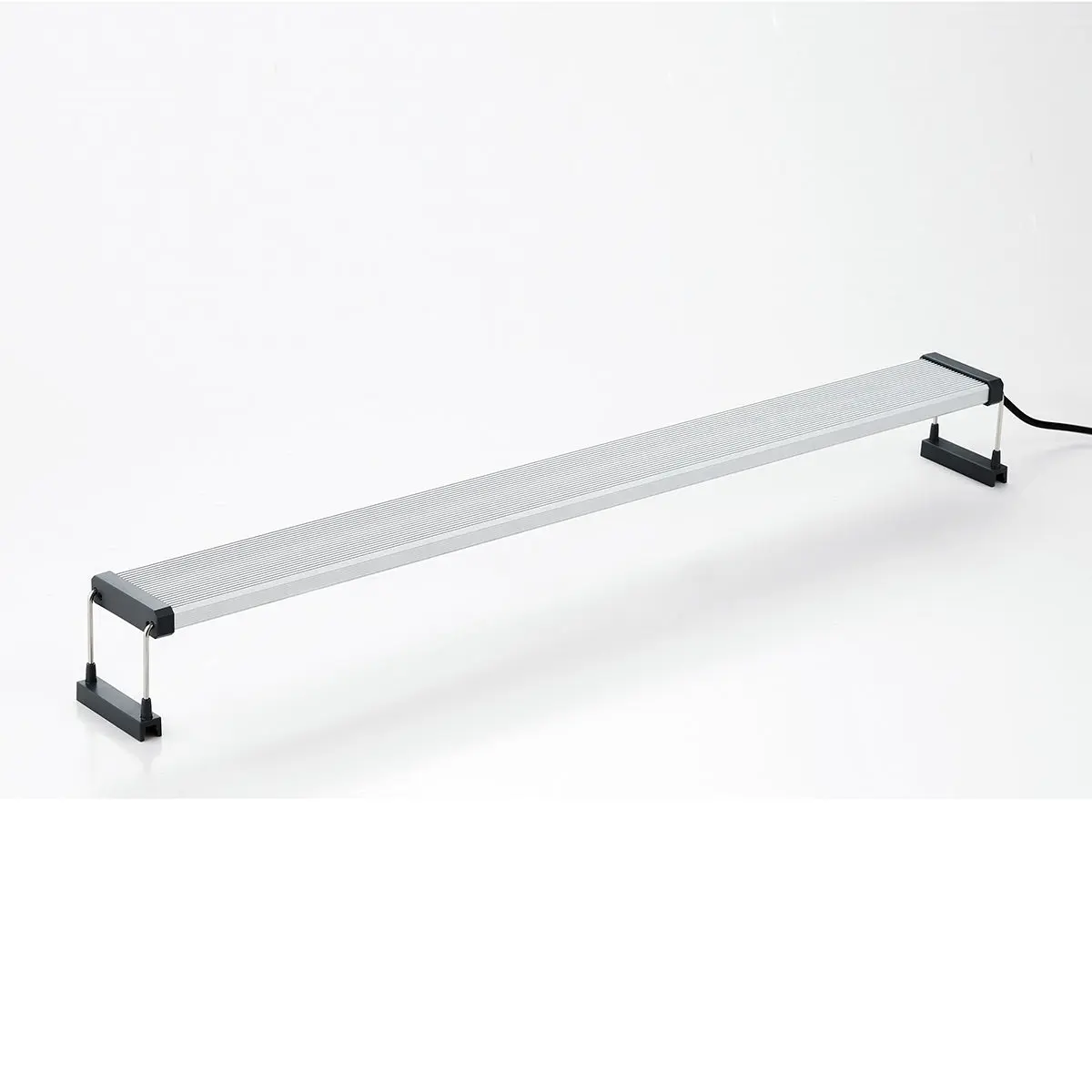
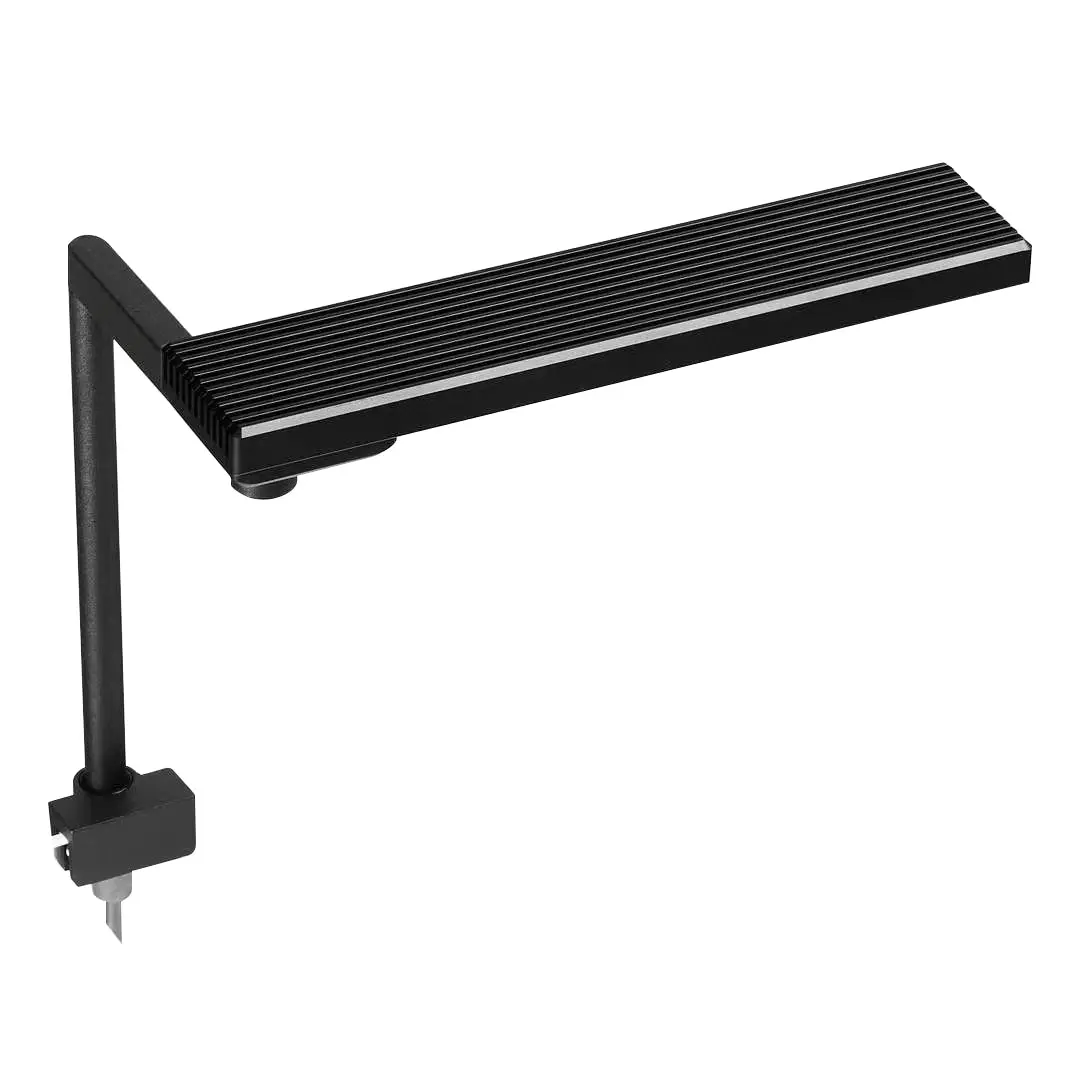
- Light Requirements: This plant typically prefers moderate to high light conditions. Insufficient lighting can lead to weak growth.
- Substrate: A nutrient-rich substrate can promote healthy growth, as Marsilea crenata benefits from available nutrients.
- Water Parameters: While it is adaptable, maintaining stable water conditions is beneficial for its development.
Tank Setup
Marsilea crenata can be arranged in various ways within the tank. It works well in both foreground and midground placements. A well-planted aquarium with a mix of substrate plants alongside Marsilea can create a lush, natural environment.
Compatibility
This aquatic plant is suitable for community tanks. It can coexist with a wide range of fish and invertebrates, provided that the tank mates are not overly aggressive or substrate disturbing species.
Feeding and CO2 Requirements
This plant does not require CO2 supplementation for healthy growth, but additional carbon can enhance its growth rate when provided. Regular fertilization, especially in a nutrient-poor substrate, might be needed to keep Marsilea crenata thriving.
Propagation
Marsilea crenata propagates through spores. Unlike many aquatic plants that propagate vegetatively, hobbyists might find it interesting to cultivate this species by allowing spores to grow in a suitable environment.
Conclusion
Overall, Marsilea crenata is a charming addition to any aquarium, offering both beauty and functionality. Its ability to adapt to varying conditions makes it a viable option for both beginner and experienced aquarists looking to enhance the underwater landscape.
How to care for Marsilea crenata
- 1
Set up the tank
Prepare your aquarium with a fine-grained substrate like aquasoil or fine sand, ensuring it's nutrient-rich to support Marsilea crenata's growth.
- 2
Plant the clumps
Separate the tissue culture into small clumps of two to three leaves each, spacing them 2 to 3 centimeters apart, and gently press each clump into the substrate to ensure contact with the soil.
- 3
Adjust lighting
Provide moderate to high lighting to encourage the leaves to flatten and simplify to a single lobe, promoting a dense carpet effect.
- 4
Add CO₂ if desired
While not strictly necessary, adding CO₂ at 15 to 25 ppm can accelerate growth and promote denser carpeting.
- 5
Maintain water parameters
Keep the water temperature between 20–28°C (68–82°F), pH between 6.0 and 7.5, and general hardness (GH) between 3 and 15 dGH.
- 6
Monitor growth
Regularly check the carpet's density and trim any leaves that grow taller than desired by cutting them at the base with sharp, curved scissors.
Frequently asked questions
What are the ideal water parameters for Marsilea crenata?▾
Marsilea crenata thrives in water with a pH of 6.0 to 7.5, a temperature range of 20–28°C (68–82°F), and a general hardness (GH) of 3 to 15 dGH.
How do I plant Marsilea crenata in my aquarium?▾
Plant Marsilea crenata by separating the tissue culture into small clumps of two to three leaves each, spacing them 2 to 3 centimeters apart, and gently pressing each clump into the substrate to ensure contact with the soil.
Does Marsilea crenata require CO₂ supplementation?▾
While Marsilea crenata can grow without CO₂ supplementation, adding CO₂ at 15 to 25 ppm can accelerate growth and promote denser carpeting.
What lighting conditions are best for Marsilea crenata?▾
Under low light, Marsilea crenata grows taller with multi-lobed clover-shaped leaves; under moderate to high light, the leaves flatten, simplify to a single lobe, and stay closer to the substrate, producing the most desirable carpet effect.
How do I propagate Marsilea crenata?▾
Marsilea crenata propagates by runners; to propagate, cut off pieces of rhizome and plant them in the substrate.
Lighting that can support this plant
Suggested from plant care level and compatibility.