

Illustrative images
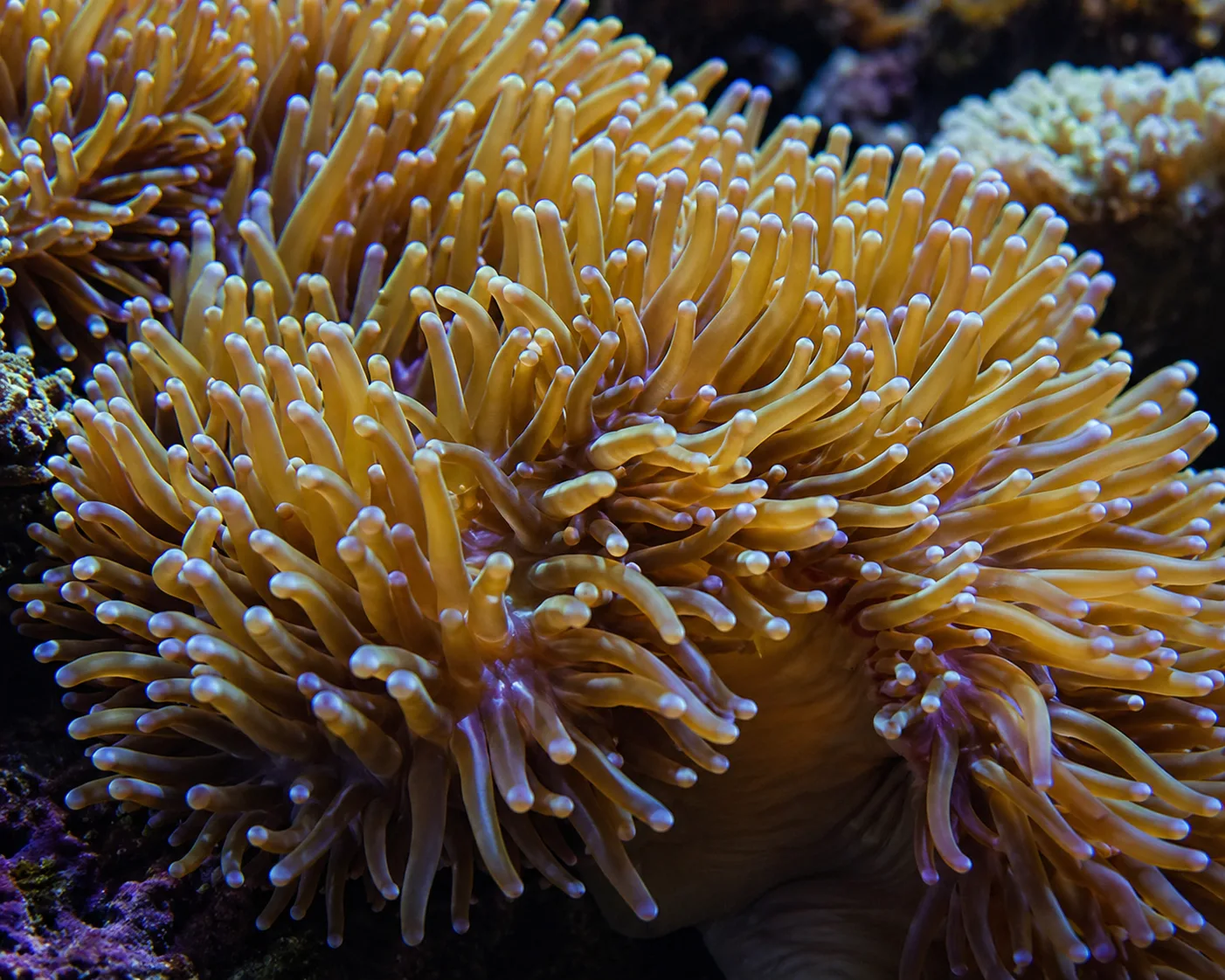
Magnificent Sea Anemone
Heteractis magnifica
Overview
The Magnificent Sea Anemone is not a fish, but rather a fascinating marine invertebrate that many aquarists love to keep in their saltwater tanks. Known for their vibrant colors and intricate shapes, these anemones can provide both aesthetic appeal and a natural habitat for certain fish species, such as clownfish. However, they require specific care and conditions to thrive.
Natural Habitat
In the wild, the Magnificent Sea Anemone is typically found in warm, shallow waters, often in coral reefs where they can attach to various surfaces. Their symbiotic relationships with clownfish and other marine life illustrate their role within their ecosystem.
Care Requirements
Maintaining the health of the Magnificent Sea Anemone in a home aquarium requires attention to water quality, lighting, and feeding. This species needs stable water parameters and a well-lit environment to promote photosynthesis, as they house algae that benefit from good lighting.
Tank Setup
When setting up a tank for the Magnificent Sea Anemone, consider the following:
- Tank Size: A larger tank is always better, as it provides ample space for the anemone to move and for other tank inhabitants.
- Substrate: A soft substrate is preferred, allowing the anemone to burrow slightly as it attaches.
- Coral and Rock Work: Ensure that there are places for them to attach and hide.
Compatibility
The Magnificent Sea Anemone is best suited for a tank with other peaceful marine species. Clownfish, for example, have a beneficial relationship with anemones and can help keep them healthy.
Feeding
In captivity, they thrive on a diet of meaty foods such as:
- Fish
- Mysis shrimp
- Other meaty marine foods
It’s essential to feed them regularly, but care should be taken not to overfeed to maintain water quality.
Lighting and Water Conditions
Lighting is crucial for the health of the Magnificent Sea Anemone. A high-intensity light source is recommended to encourage algae growth. Water conditions should mirror their natural habitat:
- Temperature: Maintain a stable, warm temperature.
- Salinity: Keep salinity levels consistent, reflecting natural seawater.
Conclusion
With dedicated care, the Magnificent Sea Anemone can be a stunning centerpiece in a saltwater aquarium. They require specific requirements and patience in establishing a proper environment, but for the right aquarists, they can be a rewarding addition.
How to care for Magnificent Sea Anemone
- 1
Set up the tank
Use a well-structured aquarium with rocky substrate for the anemone to cling to. Position it in a bright spot with strong, alternating currents.
- 2
Acclimate slowly
Gently acclimate the anemone to the tank water over several hours to minimize stress from changes in salinity and other water parameters.
- 3
Maintain water parameters
Regularly monitor and maintain salinity (1.020-1.025), pH (8.1-8.4), carbonate hardness (8-12 °dKH), and temperature (22-27°C or 72-81°F).
- 4
Provide strong lighting
Ensure intense lighting to support the symbiotic zooxanthellae, aiming for a PAR value of 200-400 at the anemone’s location.
- 5
Feed appropriately
Offer small pieces of meaty foods like mysis shrimp, chopped fish, or krill 1-2 times per week to supplement its diet.
- 6
Monitor health
Observe the anemone for signs of stress or disease, such as retraction or discoloration, and address any issues promptly.
Frequently asked questions
What are the ideal water parameters for Heteractis magnifica?▾
Maintain a salinity of 1.020-1.025, pH between 8.1-8.4, and carbonate hardness (KH) of 8-12 °dKH. Temperature should be kept between 22-27°C (72-81°F).
What size aquarium is suitable for a Magnificent Sea Anemone?▾
A minimum tank size of 189 liters (50 US gallons) is recommended, with larger tanks providing more stability. Some sources suggest a minimum of 200 liters (53 gallons).
Can Heteractis magnifica host clownfish?▾
Yes, it can host clownfish species such as Amphiprion percula, Amphiprion ocellaris, Amphiprion perideraion, and Amphiprion nigripes. These clownfish have a symbiotic relationship with the anemone, gaining protection while assisting in cleaning.
What is the feeding requirement for Heteractis magnifica?▾
While it derives energy from symbiotic zooxanthellae, it also requires supplemental feeding. Offer small pieces of meaty foods like mysis shrimp, chopped fish, or krill 1-2 times per week.
Is Heteractis magnifica reef-safe?▾
Yes, it is considered reef-safe and can host clownfish, but caution is advised due to its aggressive nature and potential to sting nearby corals.