Illustrative images
Limnobium laevigatum
Limnobium laevigatum
Overview
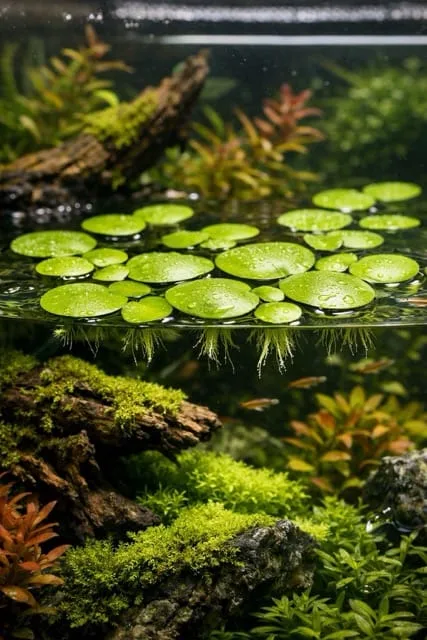
Limnobium laevigatum, commonly known as Smooth Water Hyacinth, is a floating aquatic plant that is native to the freshwater bodies of South America. This plant is distinguishable by its rounded leaves and ability to spread rapidly across the water surface, making it a popular choice among aquarium hobbyists.
Natural Habitat
This species thrives in slow-moving or still waters, particularly in shallow regions of rivers and lakes. It prefers warm temperatures and can be found in areas rich in organic debris and nutrients.
Care Requirements
Limnobium laevigatum is considered to be relatively easy to care for, making it suitable for beginners. Here are some key care requirements:
- Water Type: Freshwater
- Light Demand: Medium to high light levels are beneficial for optimal growth.
- CO2 Demand: This species does not require CO2 supplementation but will benefit from it if provided.
- Temperature Range: Ideal temperature is between 22°C to 28°C.
- pH Range: Best maintained between 6.0 and 7.5.
Tank Setup
For successful growth, ensure that Limnobium laevigatum is placed in a well-lit area of the aquarium. As it is a floating plant, it should be allowed to drift at the water's surface. A gentle filtration system is recommended to avoid pulling this plant out of position. The surface area created by its leaves can also provide shade and hiding spots for smaller fish and aquatic organisms.
Feeding
This plant will absorb nutrients directly from the water. Adding a balanced aquatic fertilizer can enhance its growth and health. Consider using fertilizers designed for aquatic plants to support optimal development.
Compatibility
Limnobium laevigatum can coexist with a variety of fish species, providing cover and shade. Larger fish may uproot or damage floating plants, so it's advisable to ensure that tank mates are gentle in their swimming habits. It pairs well with both small schooling fish and invertebrates.
Propagation
This plant propagates vegetatively by producing offshoots or runners. As these offshoots mature, they can be separated and planted in other areas of the aquarium or in separate tanks.
Conclusion
Limnobium laevigatum is an attractive and functional addition to any freshwater aquarium. Its ability to create shaded areas while providing cover for shy fish makes it valuable in community tanks. With proper care and attention, this plant can thrive and enhance the aesthetic appeal of your aquascape.
How to care for Limnobium laevigatum
- 1
Set up the tank
Ensure the aquarium has a stable temperature between 20–27°C, a pH of 5.5–7.5, and a hardness (GH) of 3–12 dGH.
- 2
Provide appropriate lighting
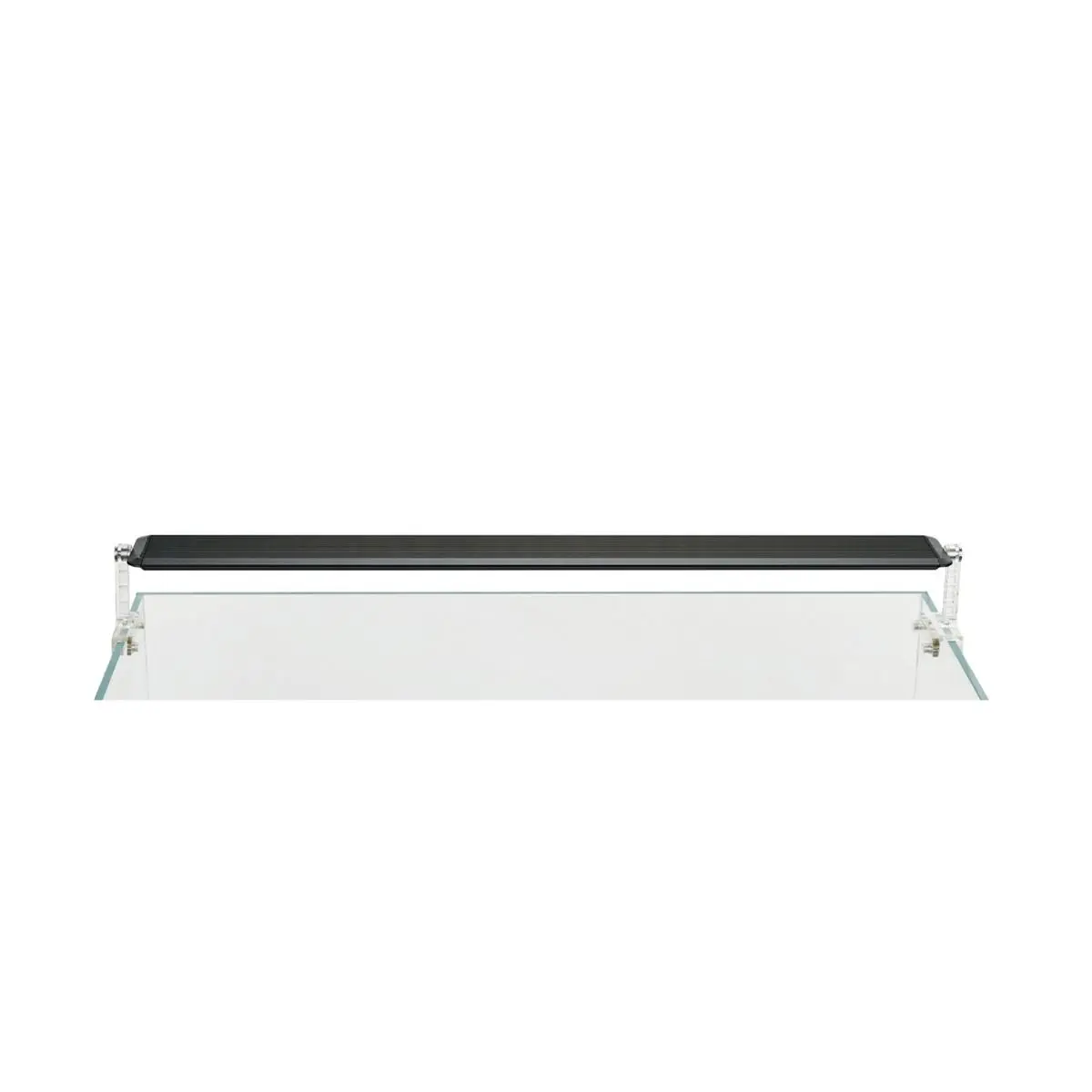
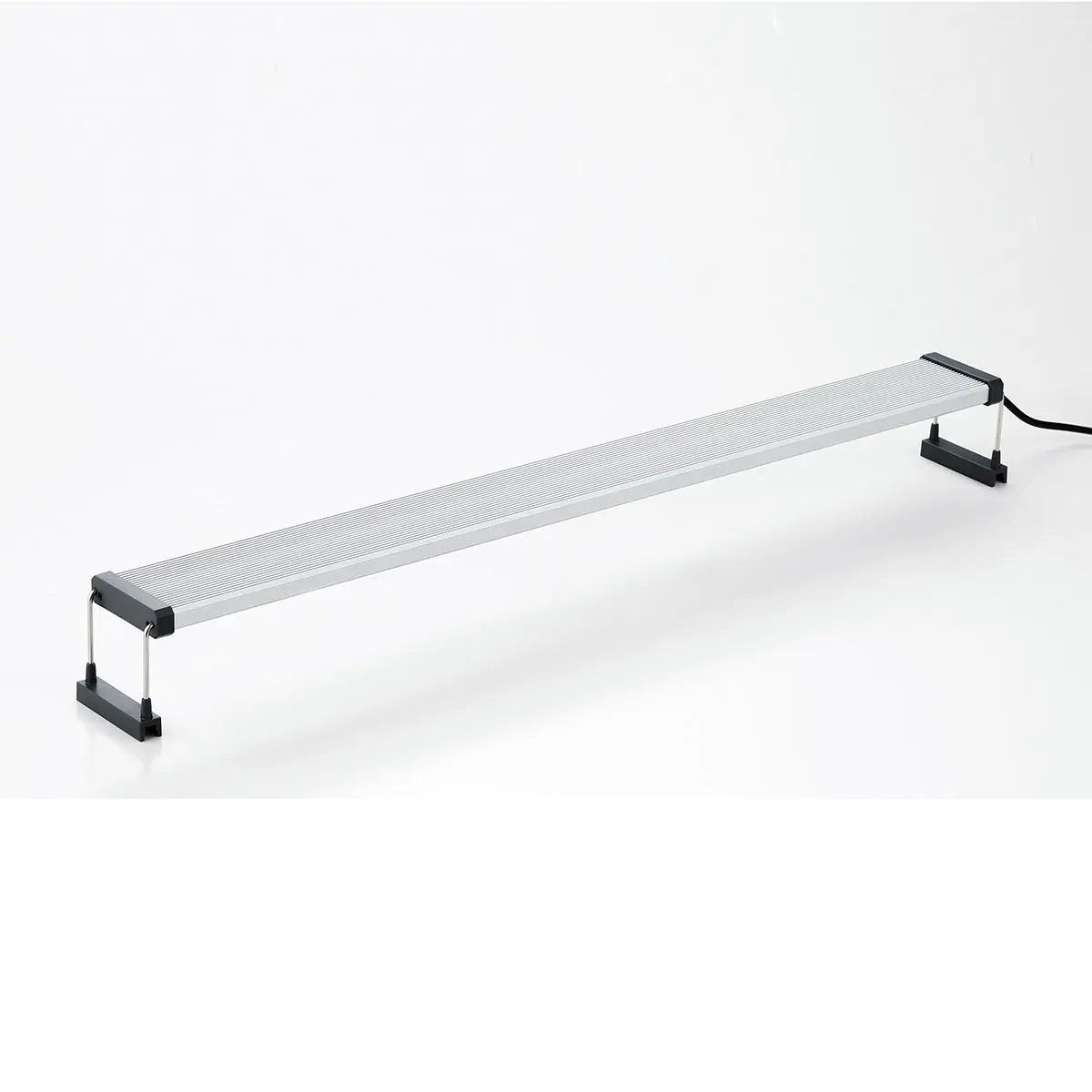
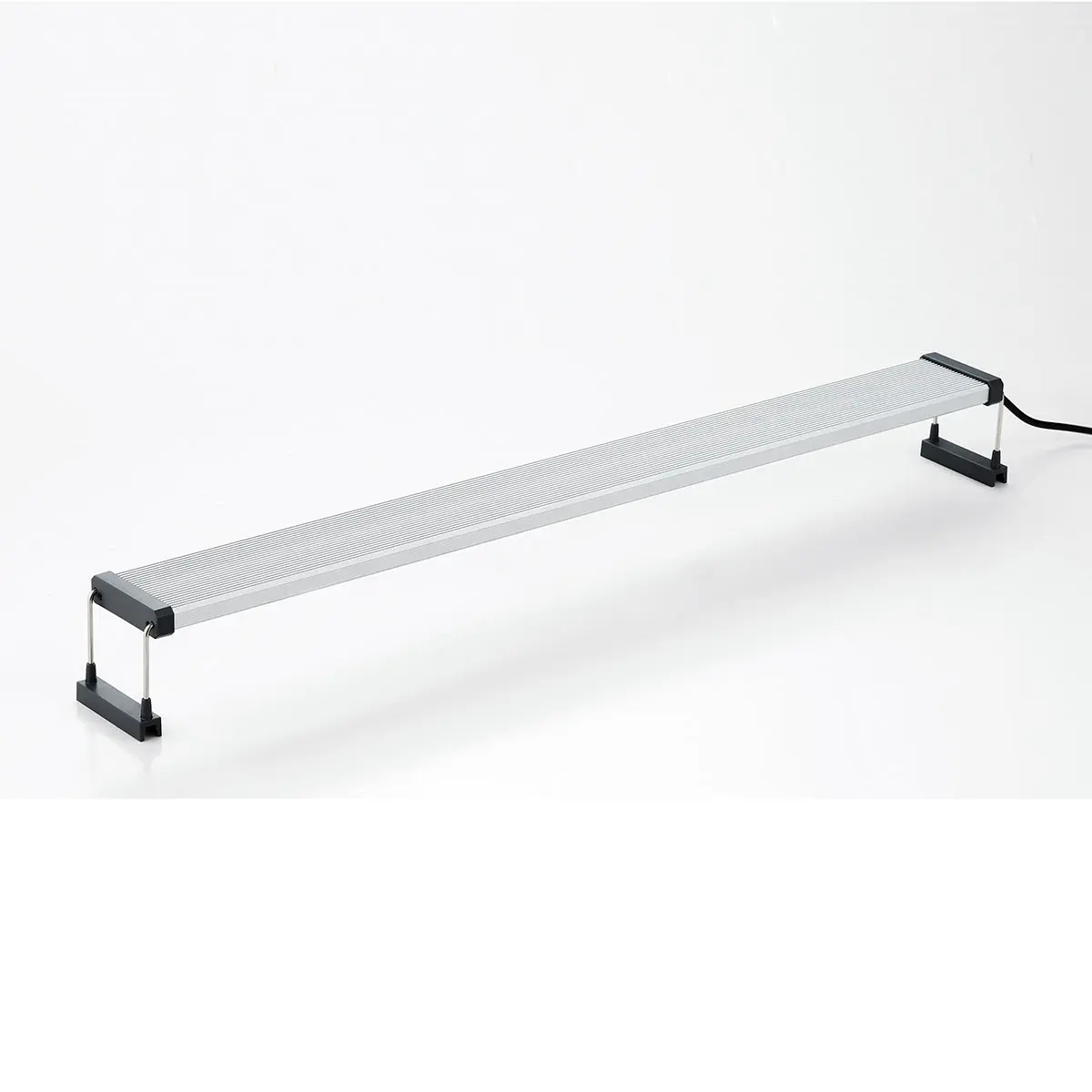
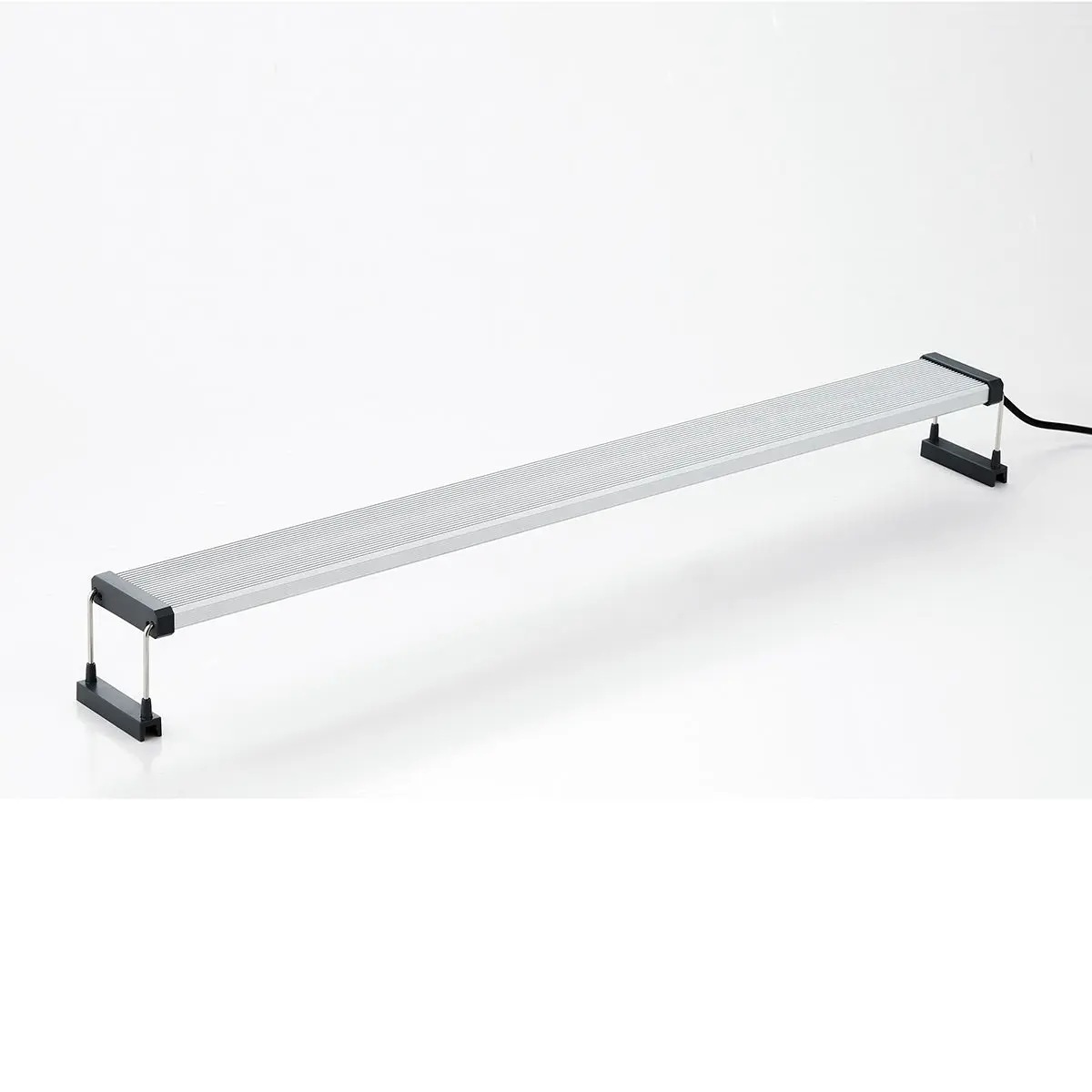
Install lighting with an intensity of 40–80 µmol/s/m² to support healthy growth.
- 3
Add CO₂ if desired
While not mandatory, supplementing with 10–15 mg/L of CO₂ can enhance plant development.
- 4
Introduce the plant
Place Limnobium laevigatum on the water's surface, allowing it to float freely.
- 5
Monitor growth
Regularly check for overgrowth; thin the plant as needed to prevent shading of other aquarium inhabitants.
Frequently asked questions
What are the ideal water parameters for Limnobium laevigatum?▾
Limnobium laevigatum thrives in water temperatures between 20–27°C, a pH of 5.5–7.5, and a hardness (GH) of 3–12 dGH.
How should I provide lighting for Limnobium laevigatum?▾
This plant requires moderate to high lighting, with an intensity of 40–80 µmol/s/m², to support its growth.
Does Limnobium laevigatum need CO₂ supplementation?▾
While it can grow without additional CO₂, supplementing with 10–15 mg/L can enhance its development.
How do I propagate Limnobium laevigatum?▾
Propagation occurs through stolons, which are lateral shoots that can be separated and planted to establish new plants.
What are the common issues with Limnobium laevigatum?▾
Overgrowth can lead to shading of other plants and reduced gas exchange; regular thinning is necessary to maintain balance.
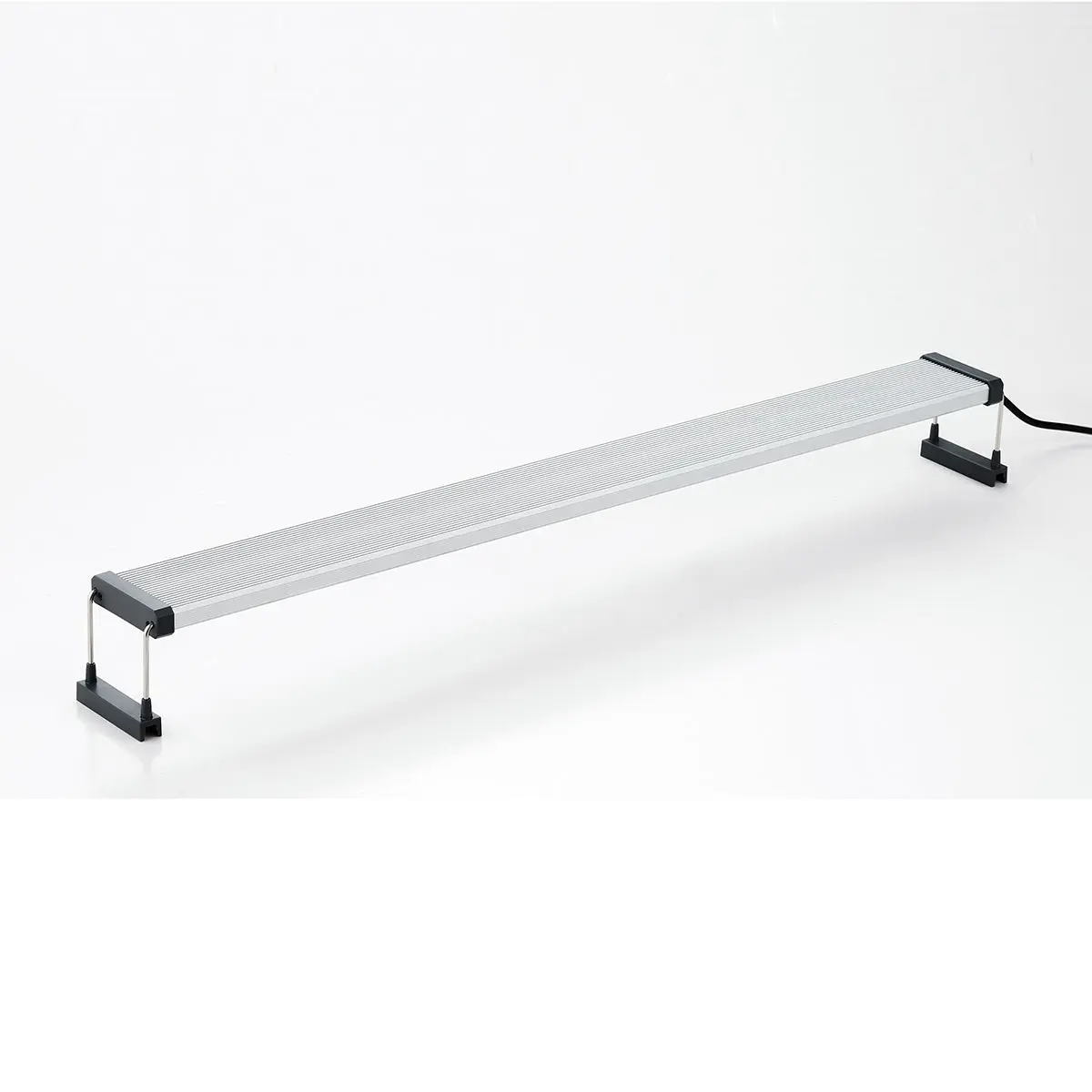
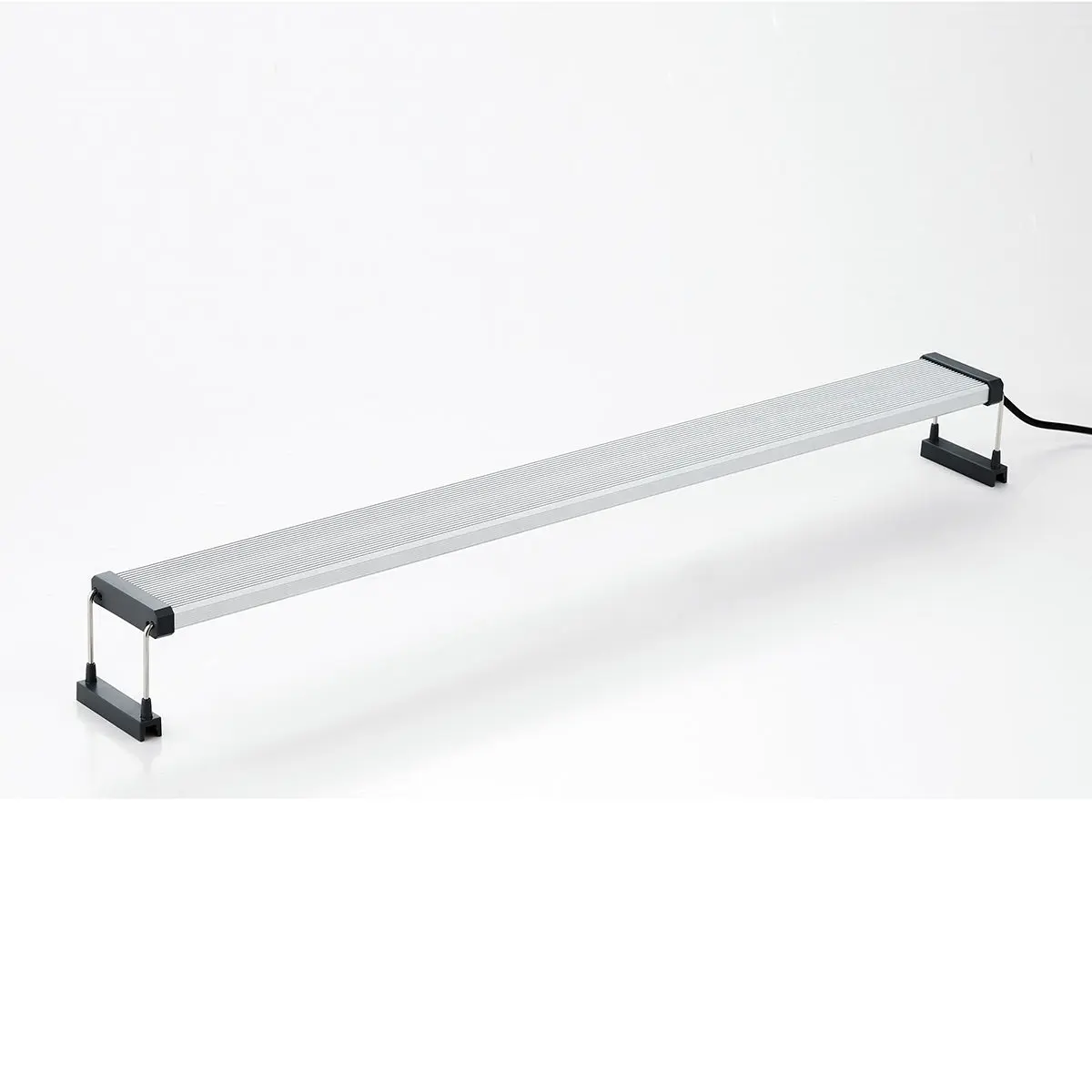
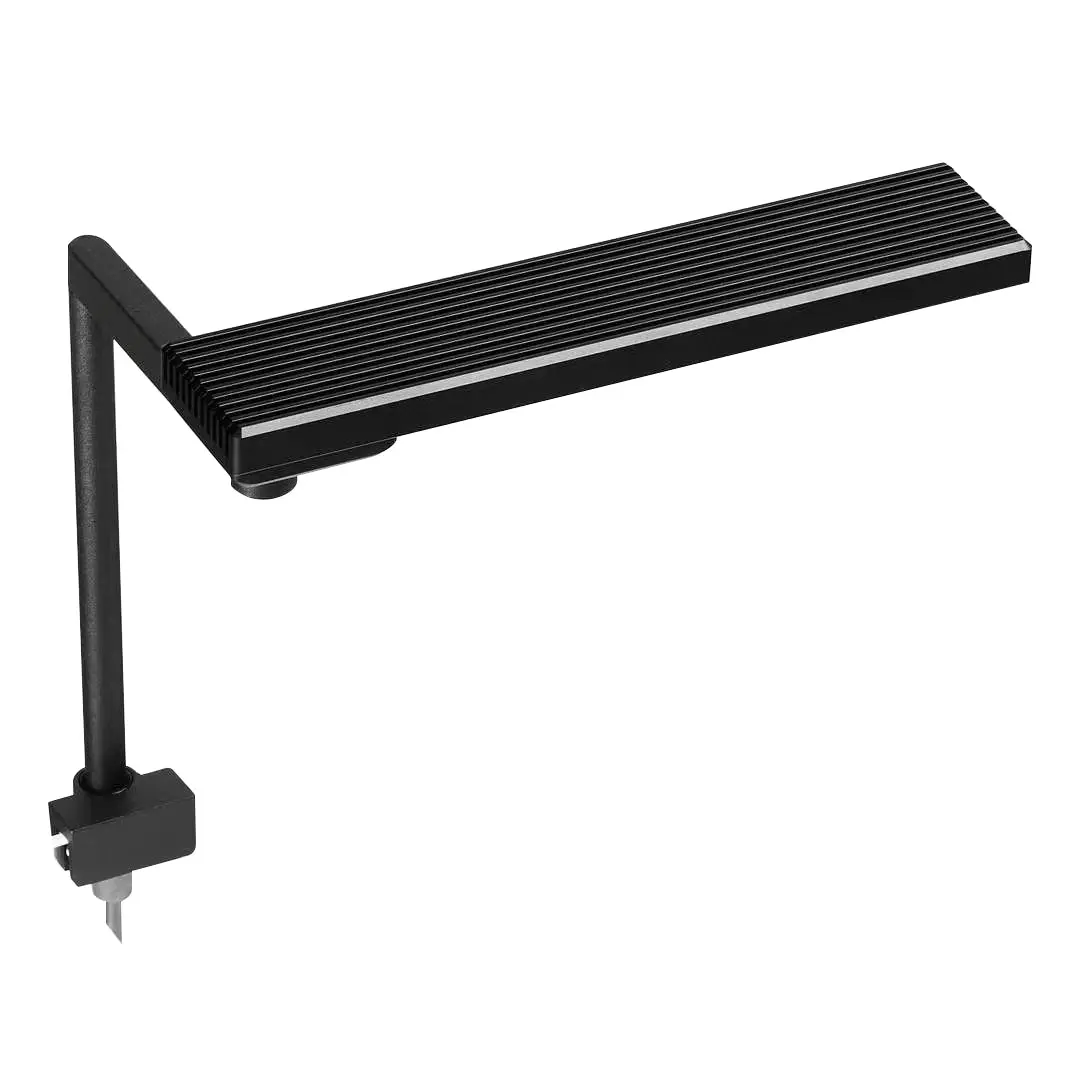
Lighting that can support this plant
Suggested from plant care level and compatibility.