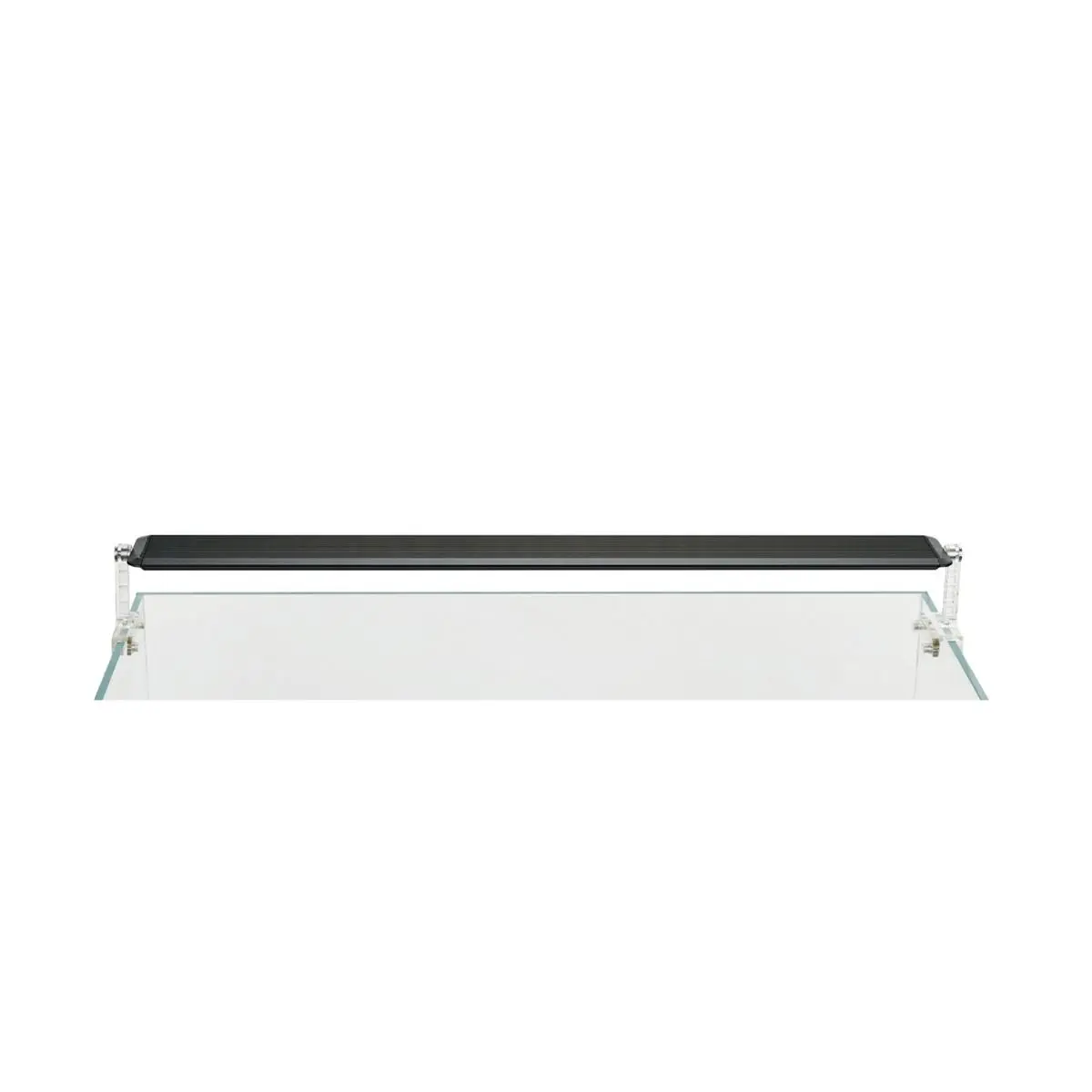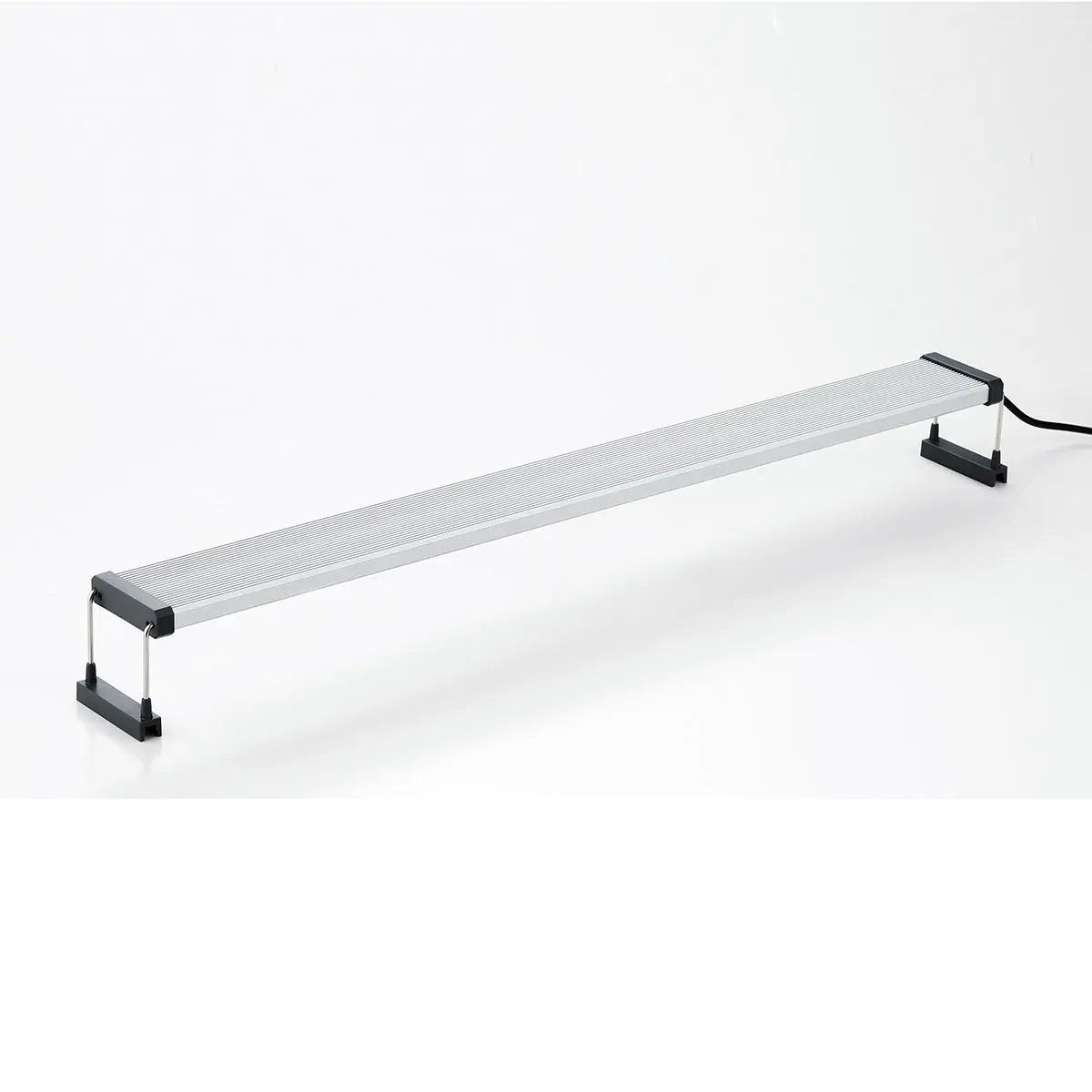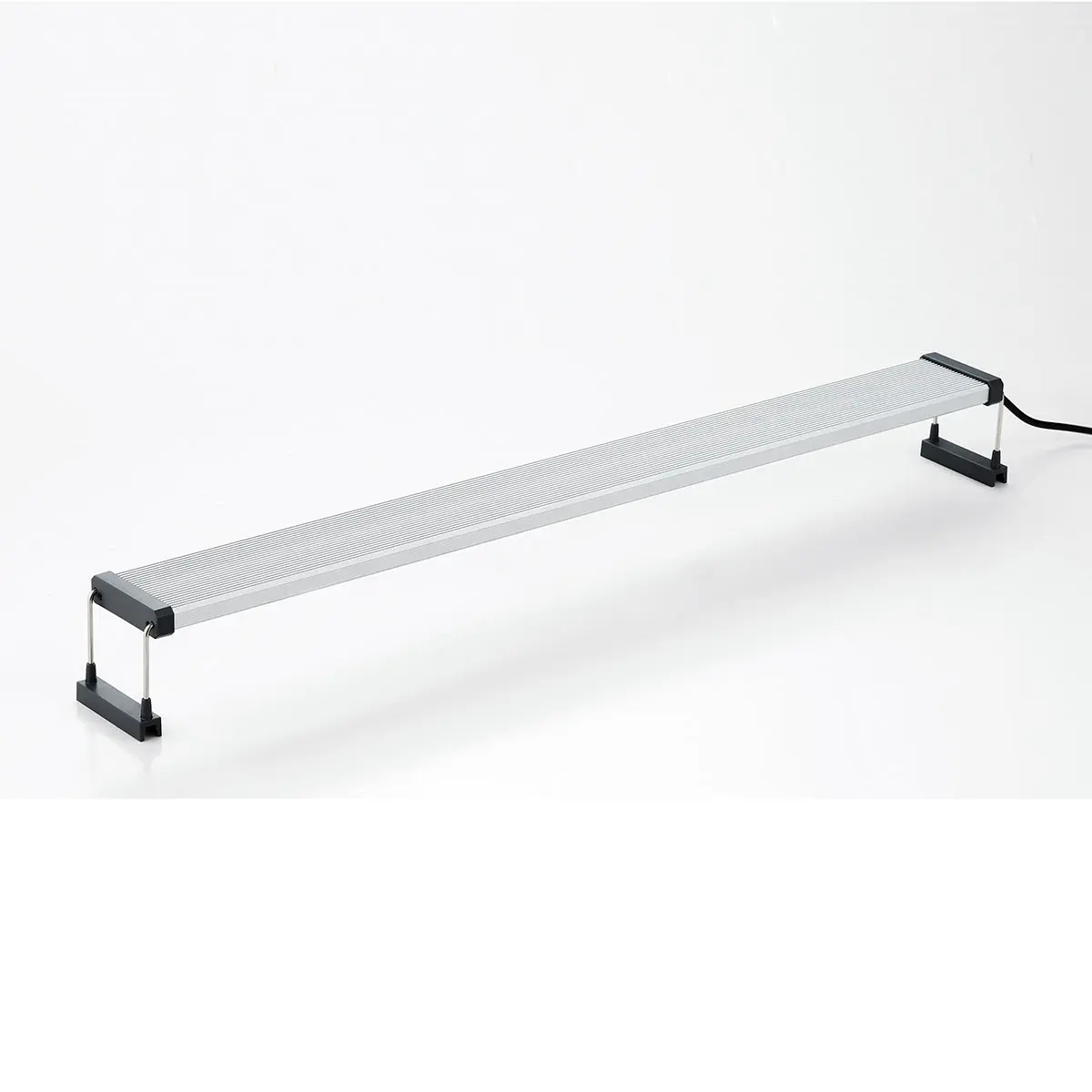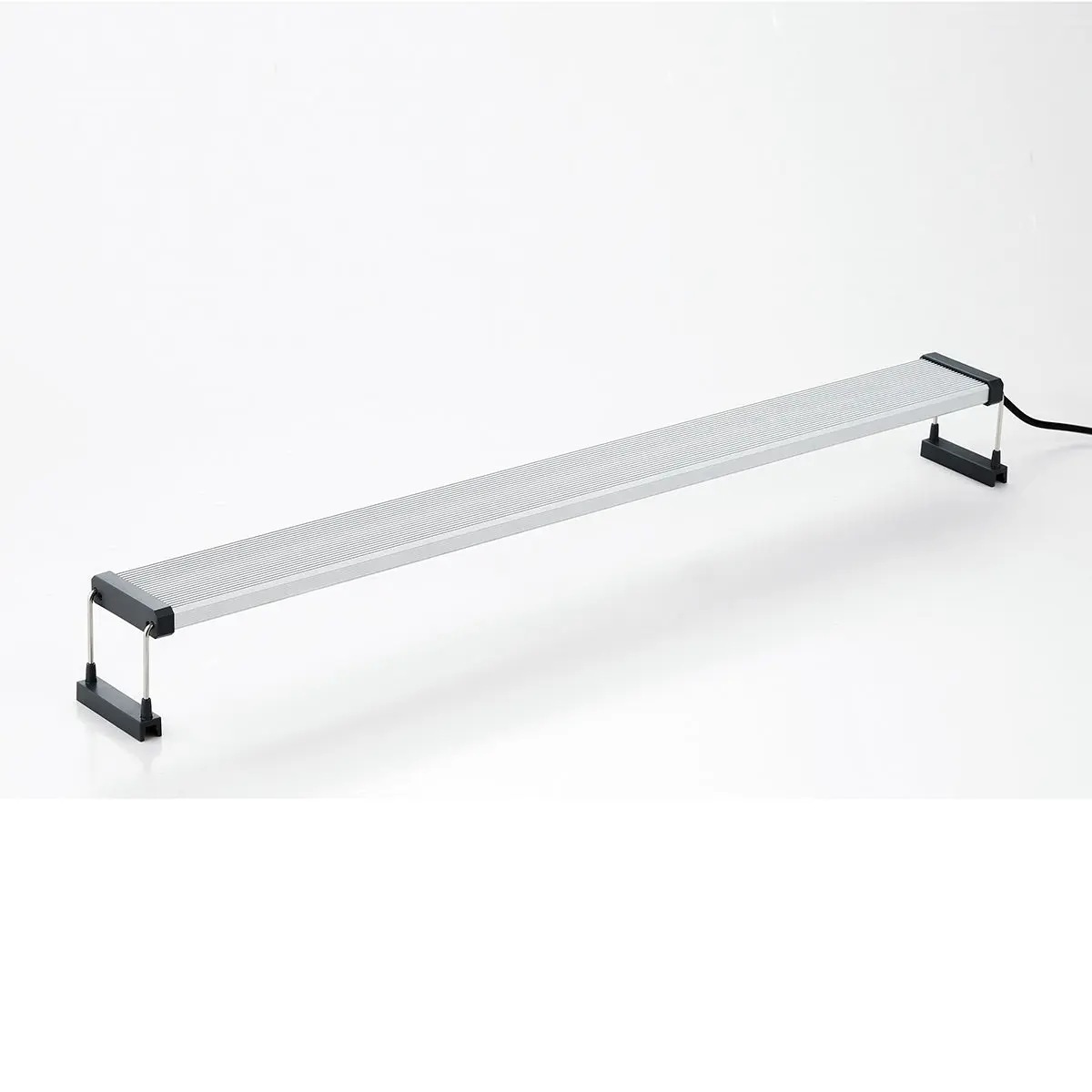
Illustrative images
Lilaeopsis brasiliensis
Lilaeopsis brasiliensis
Overview
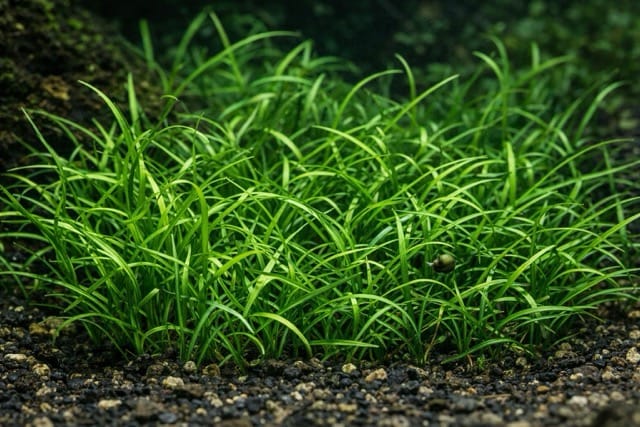
Lilaeopsis brasiliensis, commonly known as Micro Lilaeopsis or Brazilian Micro Sword, is a popular foreground plant in aquascaping. This aquatic plant is characterized by its fine, grassy leaves that provide a lush carpet effect when established properly. It is highly appreciated by aquarists for its ability to enhance the beauty of an aquarium while aiding in water quality by absorbing nutrients.
Natural Habitat
This species is native to the shallow waters of Brazil and can be found in areas with slow-flowing waters. In its natural habitat, it grows in sandy substrates and thrives under bright lighting conditions.
Care Requirements
Tank Setup
Lilaeopsis brasiliensis prefers a well-maintained aquarium with a soft substrate and good filtration. The plant thrives in a tank with ample lighting, which promotes its growth. A CO2 injection system, while not necessary, can enhance growth rates and overall health.
Water Parameters
This plant performs best in stable water parameters:
- Temperature: 20-28°C
- pH: 6.0-7.5
- Hardness: Soft to moderately hard water is preferable.
Compatibility
Lilaeopsis brasiliensis is compatible with a wide range of fish and invertebrates, making it a versatile choice for community tanks. However, care should be taken to ensure that any tank mates do not uproot the plant. Peaceful species are preferred, as they are less likely to disturb the delicate roots.
Feeding and Lighting
While Lilaeopsis brasiliensis can survive with low to moderate lighting, bright light is optimal for promoting healthy growth and vibrant coloration. Regular fertilization can also help, as this plant benefits from a balanced nutrient regimen, including macro and micronutrients to support its growth and overall health.
Lighting
Medium to high light is recommended for optimal growth, with at least 8-10 hours of light daily.
CO2 Demand
This plant can thrive in low to moderate CO2 levels, but additional CO2 supplementation is beneficial if the goal is fast growth and lush foliage.
Propagation
Propagation is relatively straightforward; Lilaeopsis brasiliensis can be propagated through runners, which can be cut and replanted to establish new plants. This allows hobbyists to expand their carpet over time without requiring additional plants to be purchased.
Placement in the Tank
Due to its low height and spreading nature, Lilaeopsis brasiliensis is best suited for the foreground of the aquarium. It creates a stunning carpet effect that enhances the aesthetic appeal of any aquascape.
Conclusion
Lilaeopsis brasiliensis is an excellent choice for aquarists looking to create a lush, green foreground in their aquarium. With proper care, it can thrive and contribute positively to the overall ecosystem of the tank.
How to care for Lilaeopsis brasiliensis
- 1
Set up the tank
Prepare a tank with a fine-grained substrate like sand or fine gravel, ensuring good water circulation and filtration. Maintain water temperature between 72°F and 82°F (22°C to 28°C) and a pH of 6.5 to 7.5.
- 2
Plant Lilaeopsis brasiliensis
Plant small clumps of Lilaeopsis brasiliensis a few centimeters apart in the foreground of the tank. Ensure they receive adequate light and are not shaded by other plants. ([tropica.com](https://tropica.com/en/plants/plantdetails/4459/4459?utm_source=openai))
- 3
Provide appropriate lighting
Install moderate to high-intensity full-spectrum lighting, aiming for at least 2 to 3 watts per gallon, to promote healthy growth and prevent leggy or pale foliage.
- 4
Maintain water parameters
Regularly monitor and adjust water parameters to keep the temperature between 72°F and 82°F (22°C to 28°C) and the pH between 6.5 and 7.5, ensuring optimal conditions for the plant.
- 5
Fertilize appropriately
Use liquid fertilizers or root tabs formulated for aquatic plants to provide essential nutrients, supporting robust growth and vibrant green coloration.
- 6
Monitor growth and propagate
Observe the plant's growth, and when runners develop new plantlets, separate them from the mother plant and transplant them to expand the carpet effect.
Frequently asked questions
What are the ideal water parameters for Lilaeopsis brasiliensis?▾
Lilaeopsis brasiliensis thrives in slightly acidic to neutral water with a pH range of 6.5 to 7.5. The water temperature should be maintained between 72°F and 82°F (22°C to 28°C).
How much light does Lilaeopsis brasiliensis need?▾
This plant requires moderate to high lighting conditions, with at least 2 to 3 watts per gallon of full-spectrum light to promote optimal growth. Insufficient light can lead to leggy or pale growth. ([hygronature.com](https://hygronature.com/blogs/plant-care-guid/care-guide-lilaeopsis-brasiliensis?utm_source=openai))
What type of substrate is best for Lilaeopsis brasiliensis?▾
A fine-grained substrate, such as sand or fine gravel, is ideal for Lilaeopsis brasiliensis. This allows the roots to anchor firmly and absorb nutrients effectively. ([hygronature.com](https://hygronature.com/blogs/plant-care-guid/care-guide-lilaeopsis-brasiliensis?utm_source=openai))
Does Lilaeopsis brasiliensis require CO2 supplementation?▾
While not mandatory, injecting CO2 into the aquarium can enhance the growth of Lilaeopsis brasiliensis, promoting faster and denser growth. However, the plant can still thrive with proper lighting and nutrient supplementation without CO2 injection. ([hygronature.com](https://hygronature.com/blogs/plant-care-guid/care-guide-lilaeopsis-brasiliensis?utm_source=openai))
How do you propagate Lilaeopsis brasiliensis?▾
Lilaeopsis brasiliensis propagates by sending out runners that form new plantlets at intervals. Once the young plants develop sufficient roots, the runner can be cut to separate them from the mother plant and transplanted elsewhere in the aquarium. ([en.aqua-fish.net](https://en.aqua-fish.net/plants/lilaeopsis-brasiliensis?utm_source=openai))
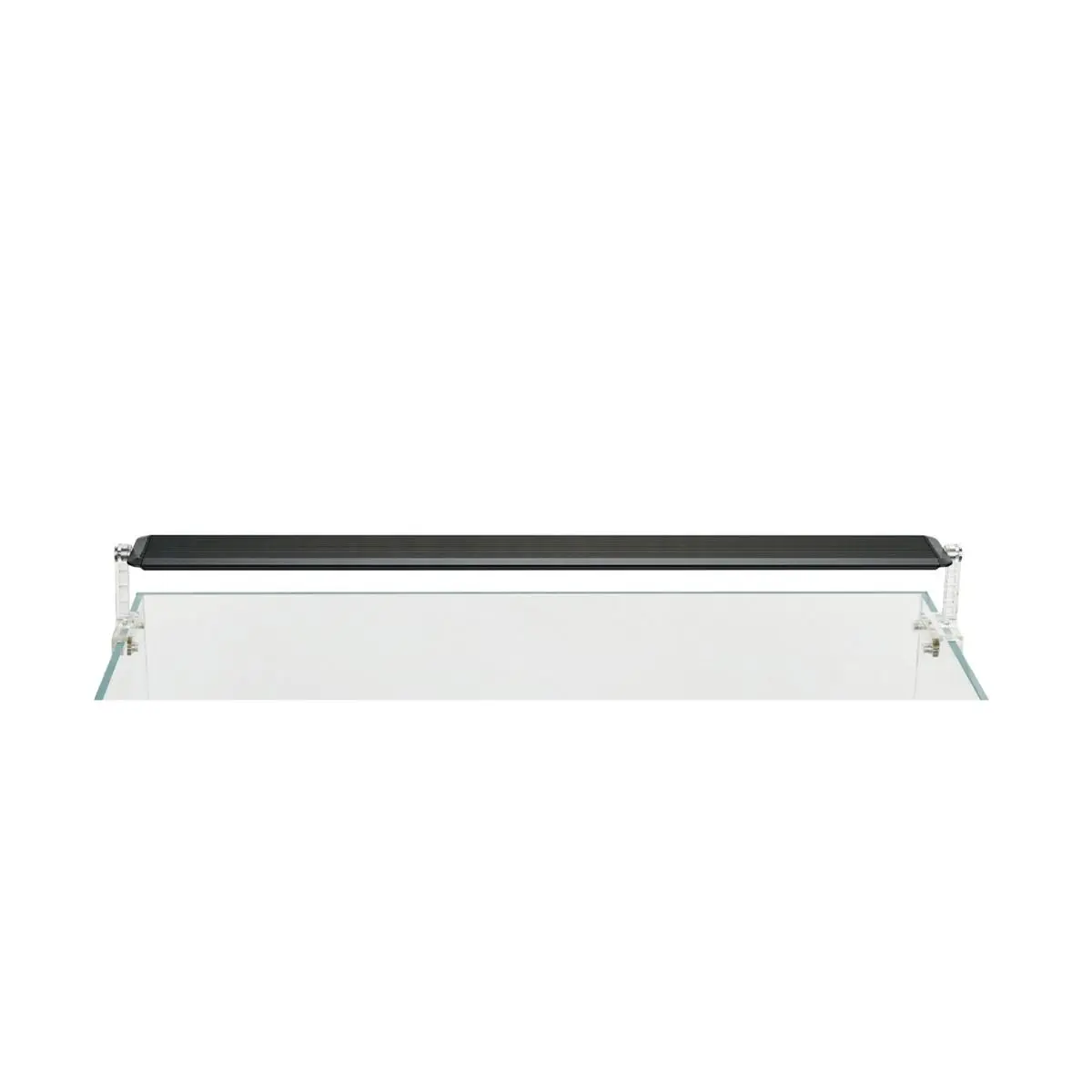
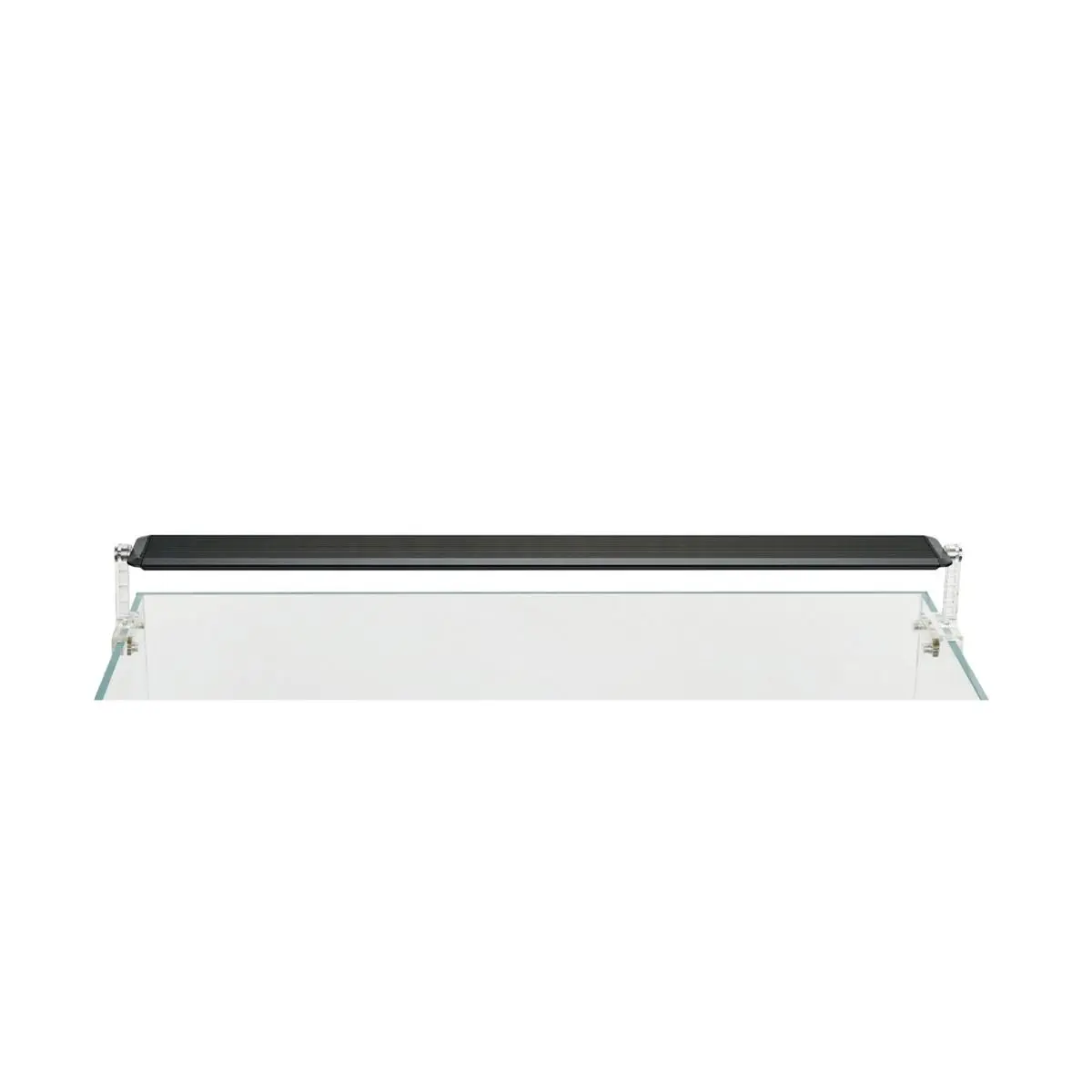
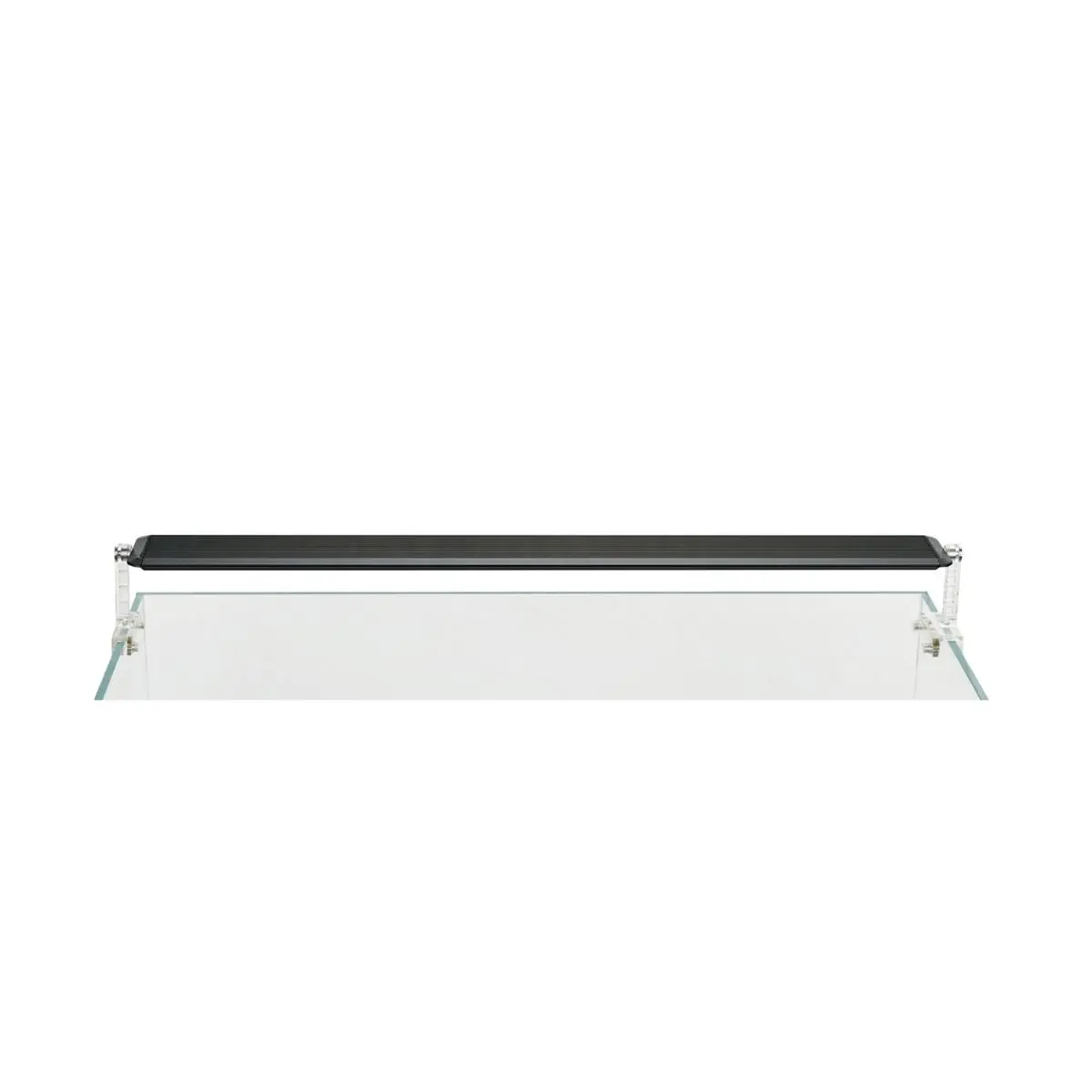
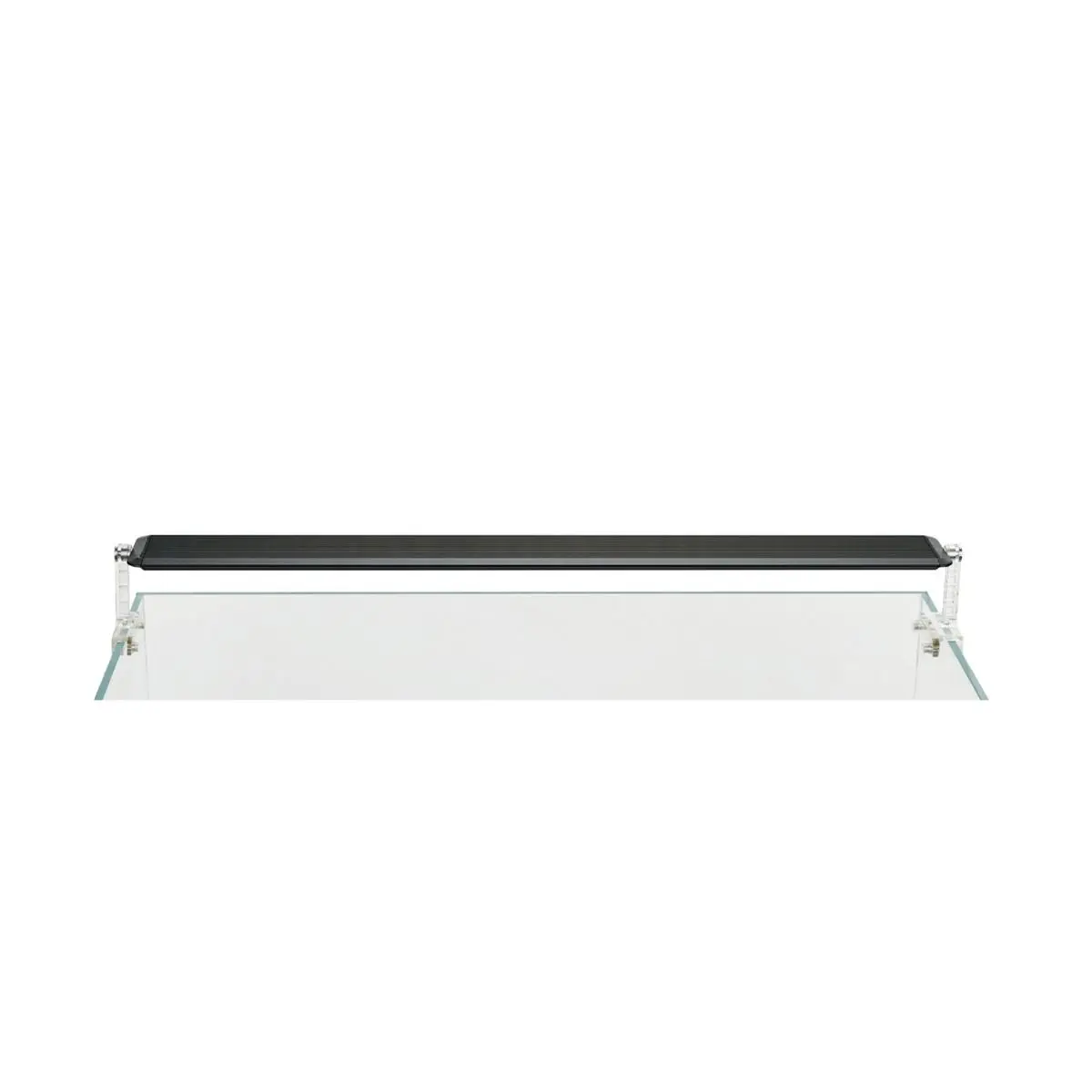
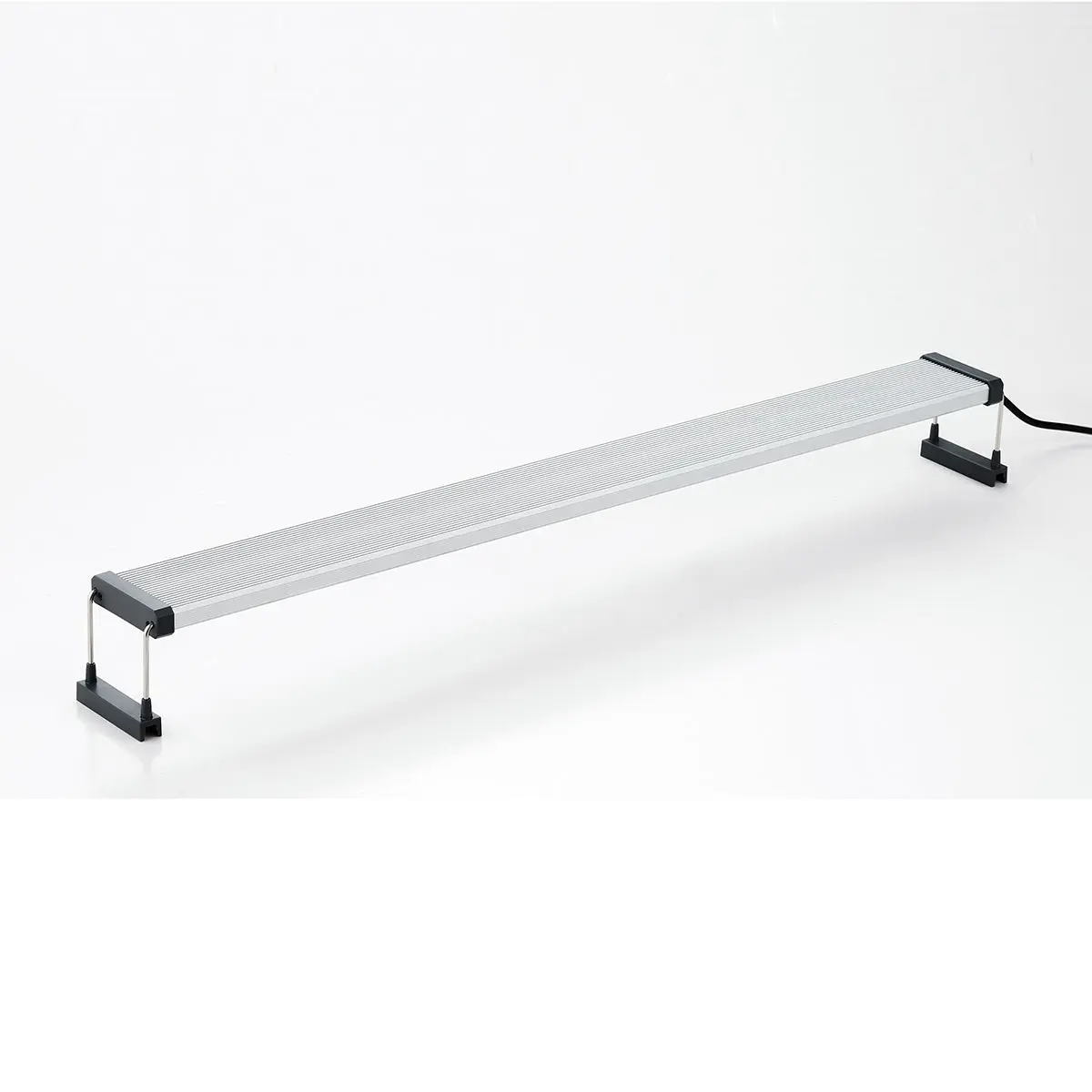
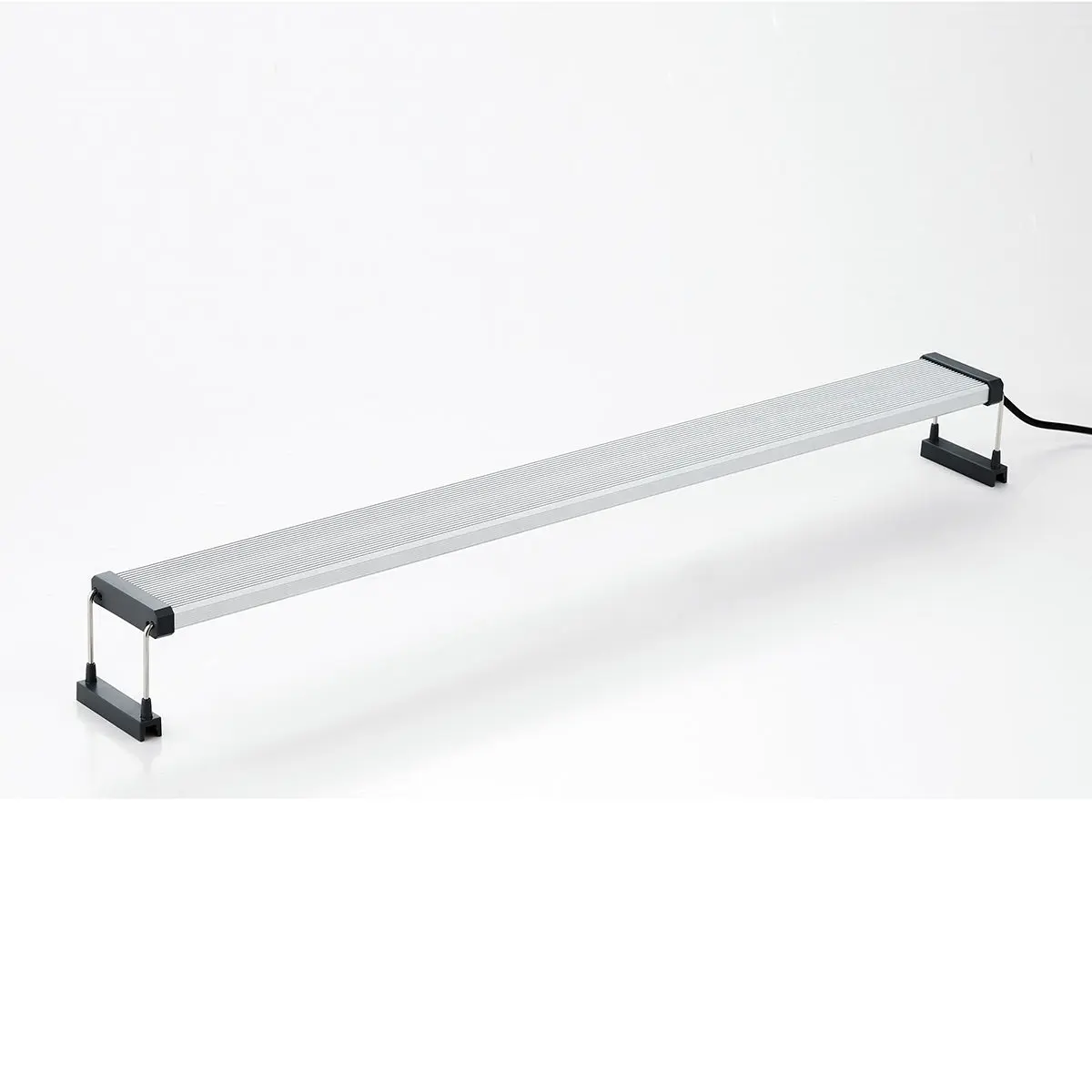
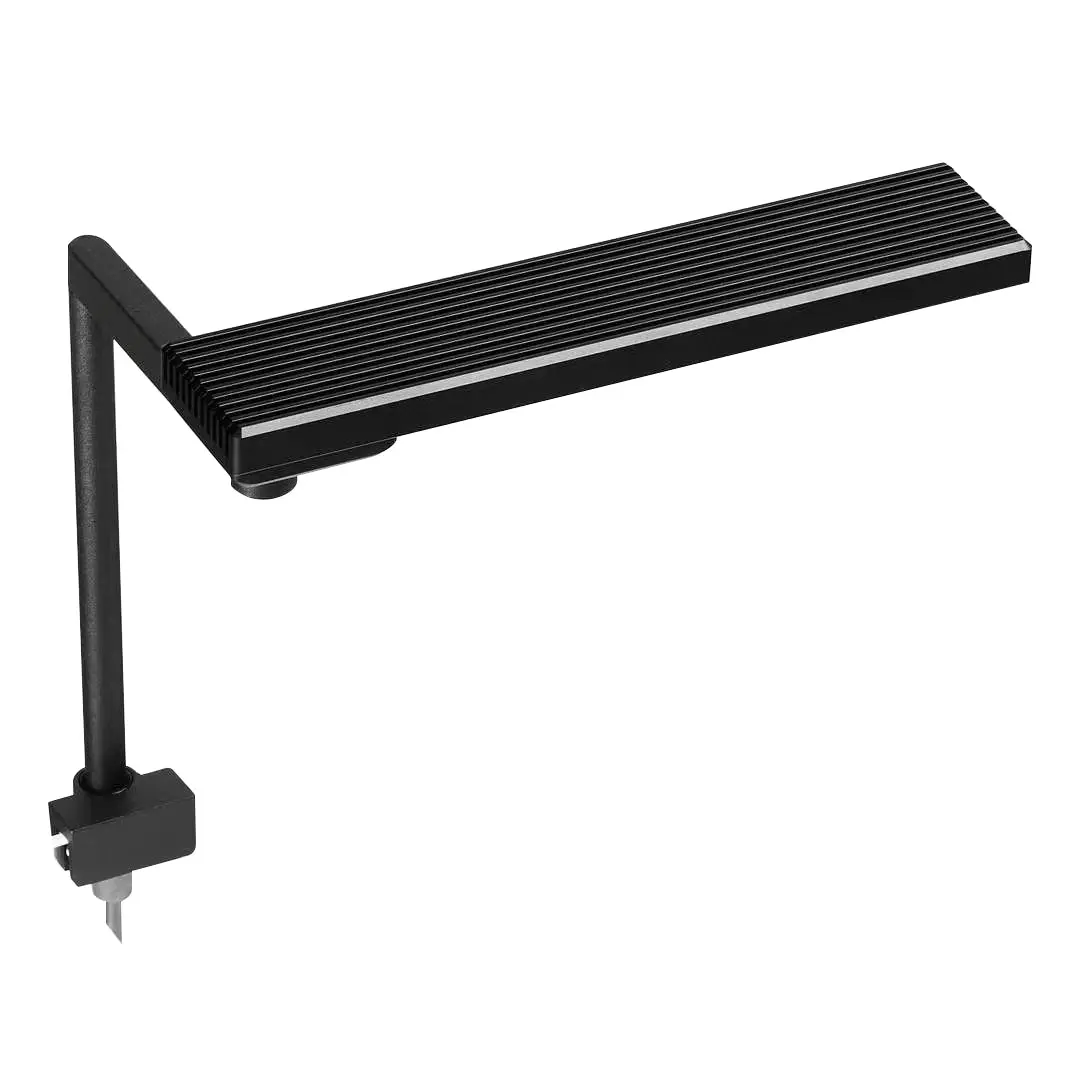
Lighting that can support this plant
Suggested from plant care level and compatibility.