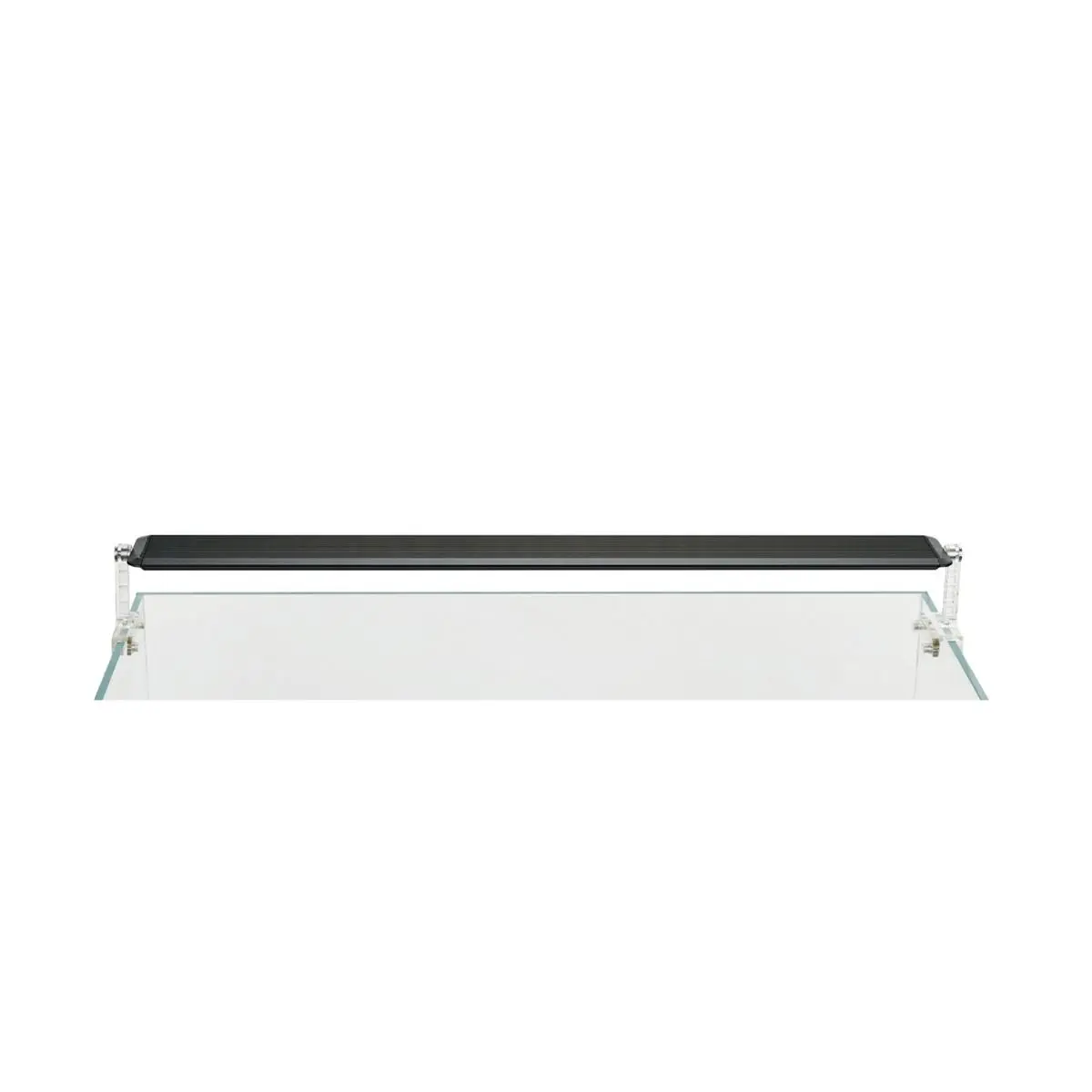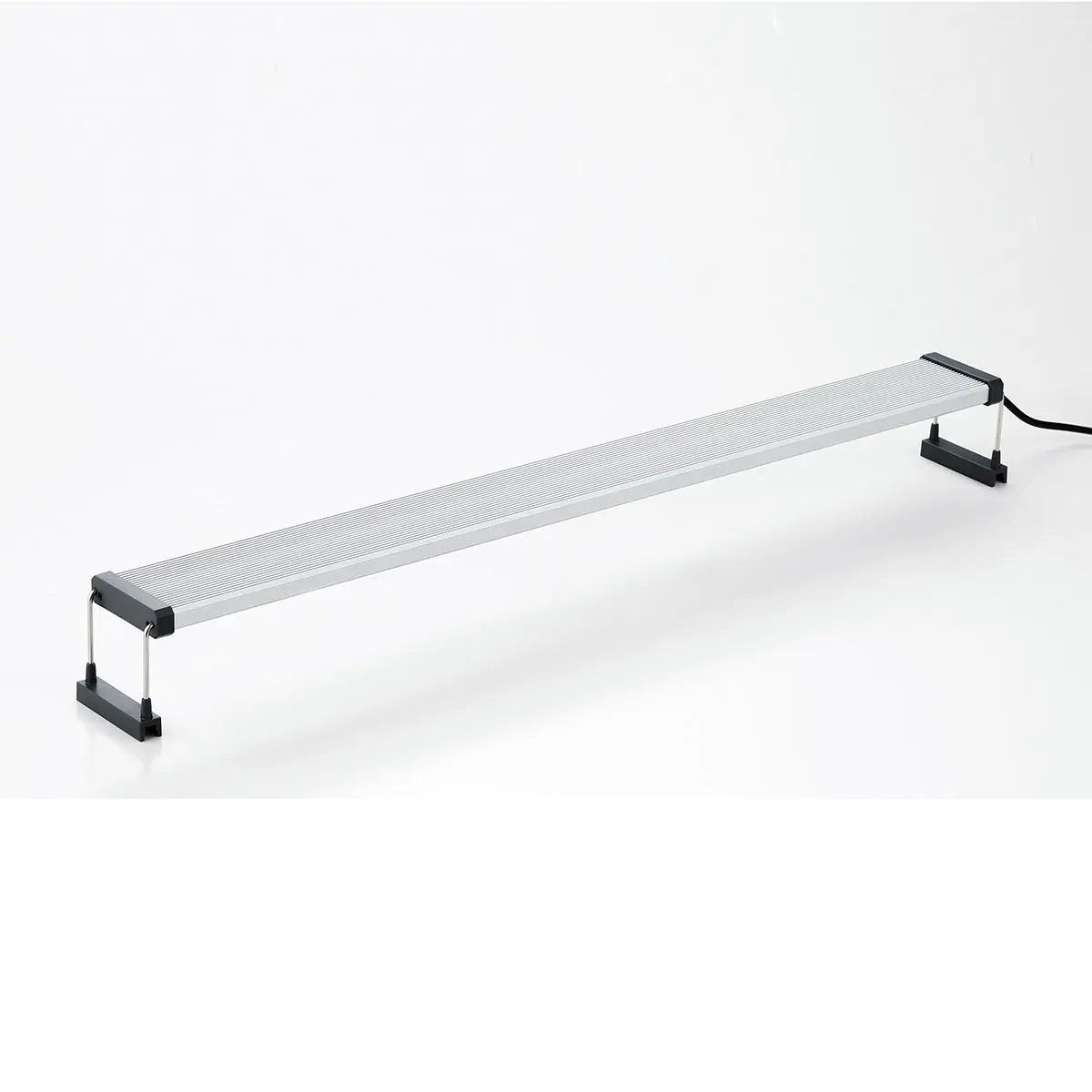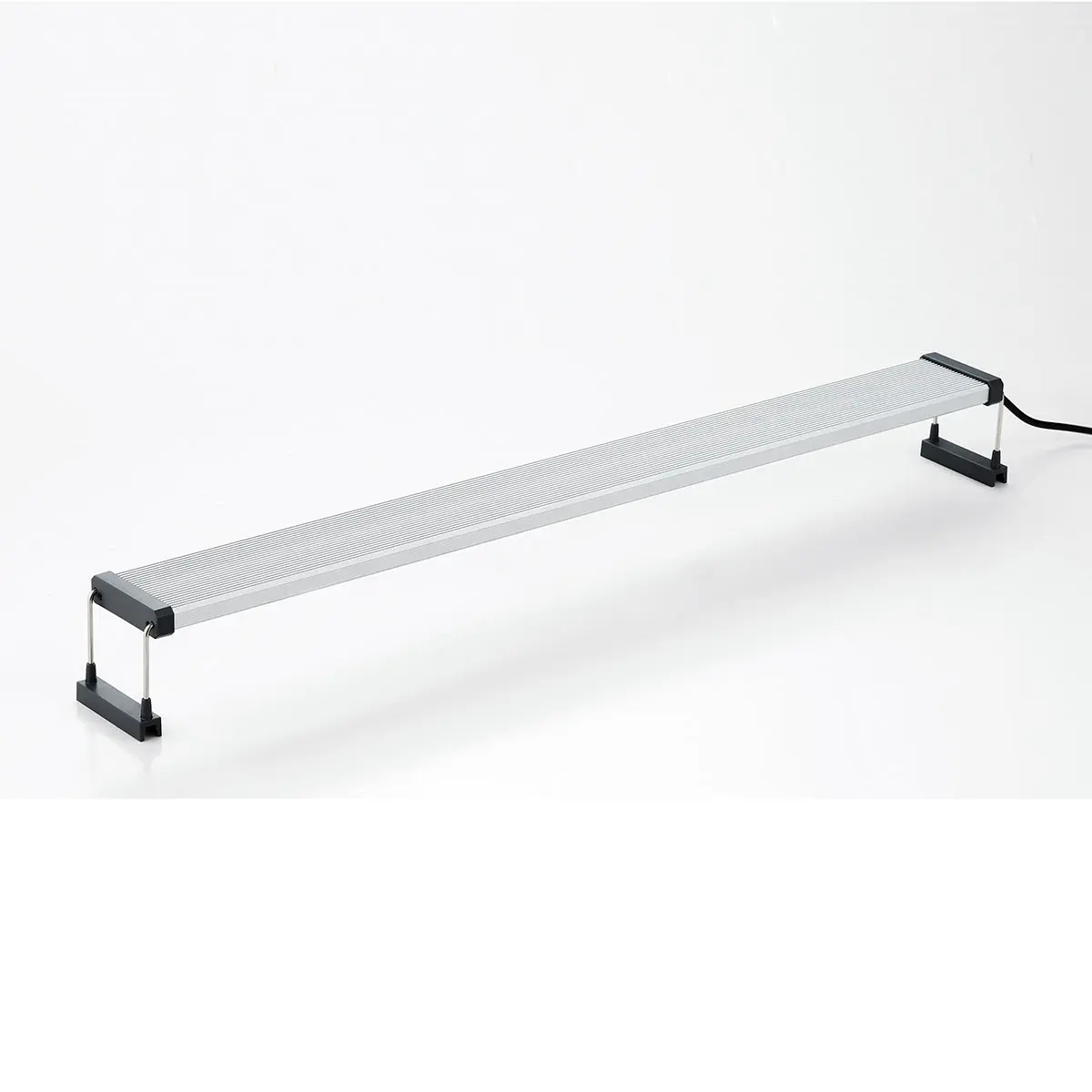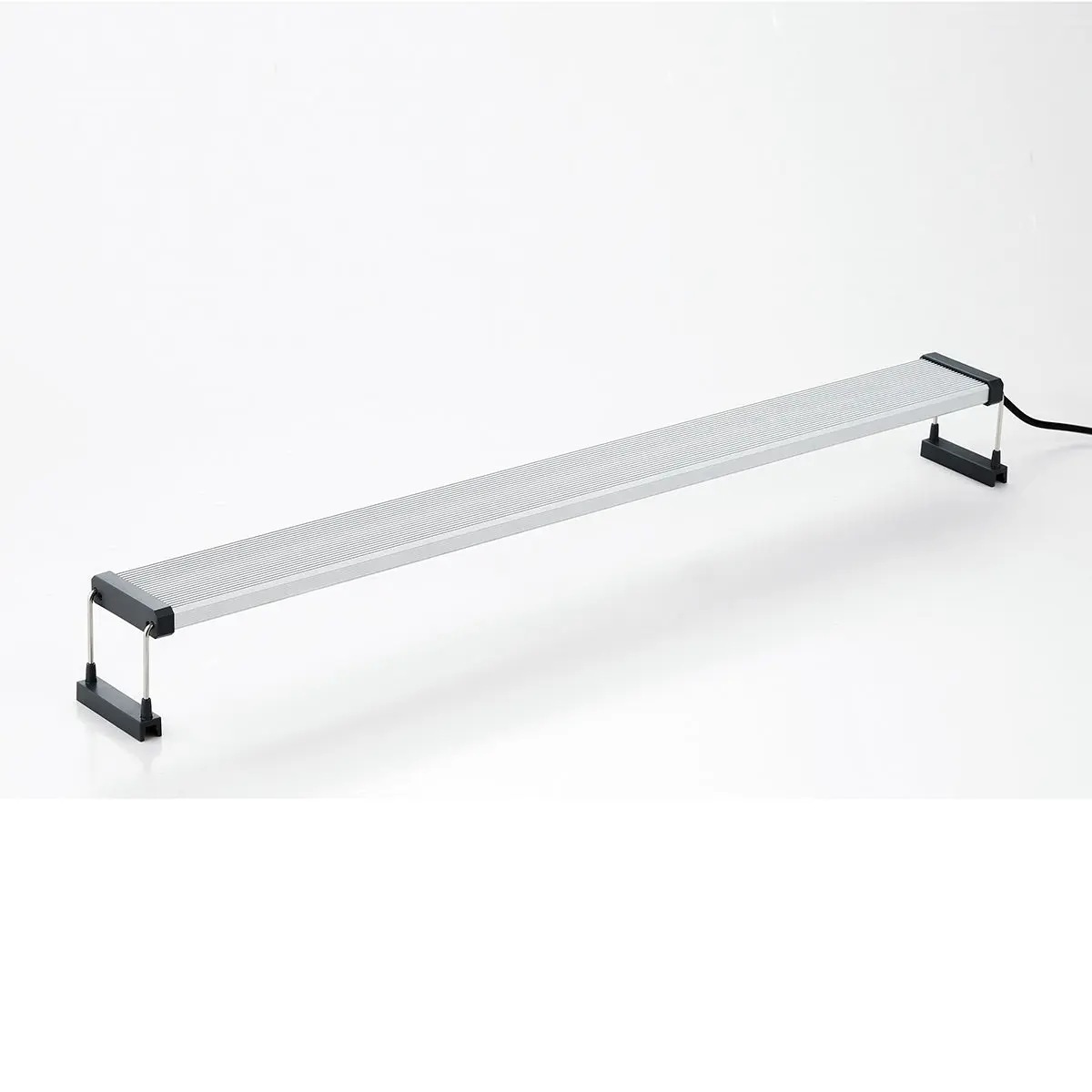
Illustrative images
Hygrophila pinnatifida
Hygrophila pinnatifida
Overview
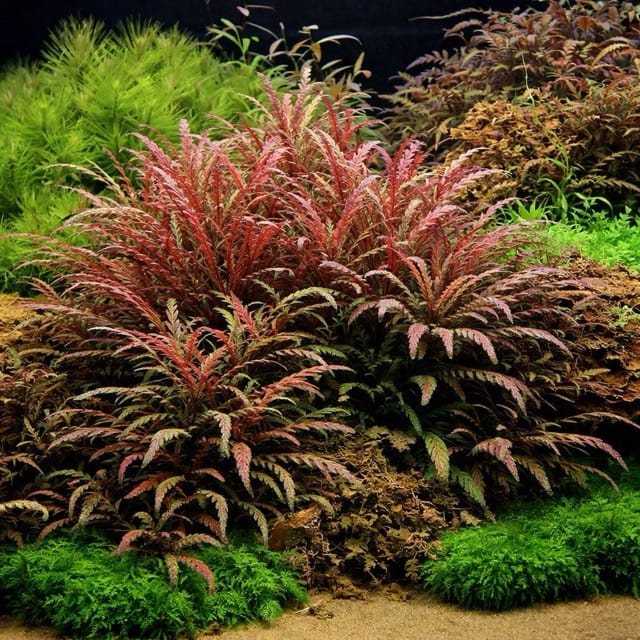
Hygrophila pinnatifida is a popular aquatic plant known for its unique leaf structure and adaptability in various aquarium settings. This stem plant features finely divided leaves that create a bushy appearance, making it an attractive addition to both planted tanks and aquascaping projects.
Natural Habitat
This species primarily originates from the tropical regions of Southeast Asia, particularly from the waterways of India and surrounding areas. In nature, it thrives in slow-moving waters, often in the shade of other plants, which gives it its preference for softer lighting conditions.
Care Requirements
Hygrophila pinnatifida is considered a relatively easy plant to care for, making it suitable for both beginner and experienced aquarists. Here are some key care requirements:
- Light: It grows well under moderate lighting conditions. High light can enhance its growth rate but may also lead to algae issues if not managed properly.
- CO₂: While it can survive with minimal CO₂, injecting CO₂ will significantly boost its growth and enhance foliage color.
- Nutrients: This plant benefits from a nutrient-rich substrate and can also utilize liquid fertilizers for optimal growth.
Tank Setup
When setting up a tank for Hygrophila pinnatifida, consider the following:
- Substrate: A nutrient-rich aquarium soil is recommended to support roots.
- Placement: This plant does well in the midground or background of the aquarium, as it can reach a height of approximately 30-40 cm (12-16 inches).
- Water Conditions: Ideally, maintain a temperature range between 22-28°C (72-82°F) with a pH around 6.0 to 7.5.
Compatibility
Hygrophila pinnatifida is generally compatible with a wide range of fish species, including community tanks. However, it is important to avoid overly aggressive fish that may disrupt the plant's growth or habitat.
Feeding and Maintenance
Regular trimming of Hygrophila pinnatifida is essential to prevent it from becoming too leggy. Removal of excess leaves can also boost its bushy growth pattern. Ensure to monitor nutrient levels in your aquarium and adjust as necessary to keep the plant healthy.
Propagation
This plant can be propagated through cuttings. Simply take a stem cutting below a node and replant it into the substrate. It will grow roots and establish itself in a new location.
How to care for Hygrophila pinnatifida
- 1
Set up the tank
Prepare a tank with a nutrient-rich substrate and ensure the water temperature is between 68°F and 82°F (20°C – 28°C) with a pH of 6.0 to 7.5.
- 2
Provide appropriate lighting
Install medium to high-intensity lighting, aiming for approximately 70–140 µmol m⁻² s⁻¹, and maintain a light cycle of 8–10 hours per day.
- 3
Add CO₂ if desired
If using CO₂ injection, aim for levels of 15–25 mg/L to promote vibrant colors and denser growth.
- 4
Plant Hygrophila pinnatifida
Place the plant in the midground of the tank, either rooted in the substrate or attached to hardscape elements like rocks or driftwood.
- 5
Maintain water parameters
Regularly monitor and adjust water parameters to maintain a temperature of 68°F to 82°F (20°C – 28°C) and a pH of 6.0 to 7.5.
- 6
Fertilize regularly
Provide regular dosing with iron and micronutrients to support healthy foliage and vibrant coloration.
- 7
Prune and propagate
Regularly trim the plant to encourage compact growth and propagate by trimming and replanting healthy stems or allowing side shoots to develop.
Frequently asked questions
What are the ideal water parameters for Hygrophila pinnatifida?▾
Hygrophila pinnatifida thrives in water temperatures between 68°F and 82°F (20°C – 28°C) and a pH range of 6.0 to 7.5. It can tolerate both soft and hard water, but a moderate water hardness of 3 to 8 dKH is recommended for optimal growth.
How much light does Hygrophila pinnatifida need?▾
Hygrophila pinnatifida requires medium to high-intensity lighting, approximately 70–140 µmol m⁻² s⁻¹. Under lower light intensity, growth continues but tends to be more sparse, with greener leaf coloration and less compact structure. Under higher light, the plant displays stronger contrast, particularly with deeper red tones on the underside of the leaves, along with denser growth.
Does Hygrophila pinnatifida need CO₂ injection?▾
While Hygrophila pinnatifida can grow without CO₂ injection, adding CO₂ promotes more vibrant colors and denser growth. Aim for CO₂ levels of 15–25 mg/L if using CO₂ injection.
How do you propagate Hygrophila pinnatifida?▾
Hygrophila pinnatifida can be propagated by trimming and replanting healthy stems or allowing side shoots to develop. Regular pruning encourages compact growth and a tidy appearance.
Is Hygrophila pinnatifida safe for shrimp?▾
Yes, Hygrophila pinnatifida is safe for shrimp and can be a beneficial addition to shrimp tanks, providing hiding spots and contributing to the tank's aesthetic.
Lighting that can support this plant
Suggested from plant care level and compatibility.