Illustrative images
Hygrophila corymbosa
Hygrophila corymbosa
Overview
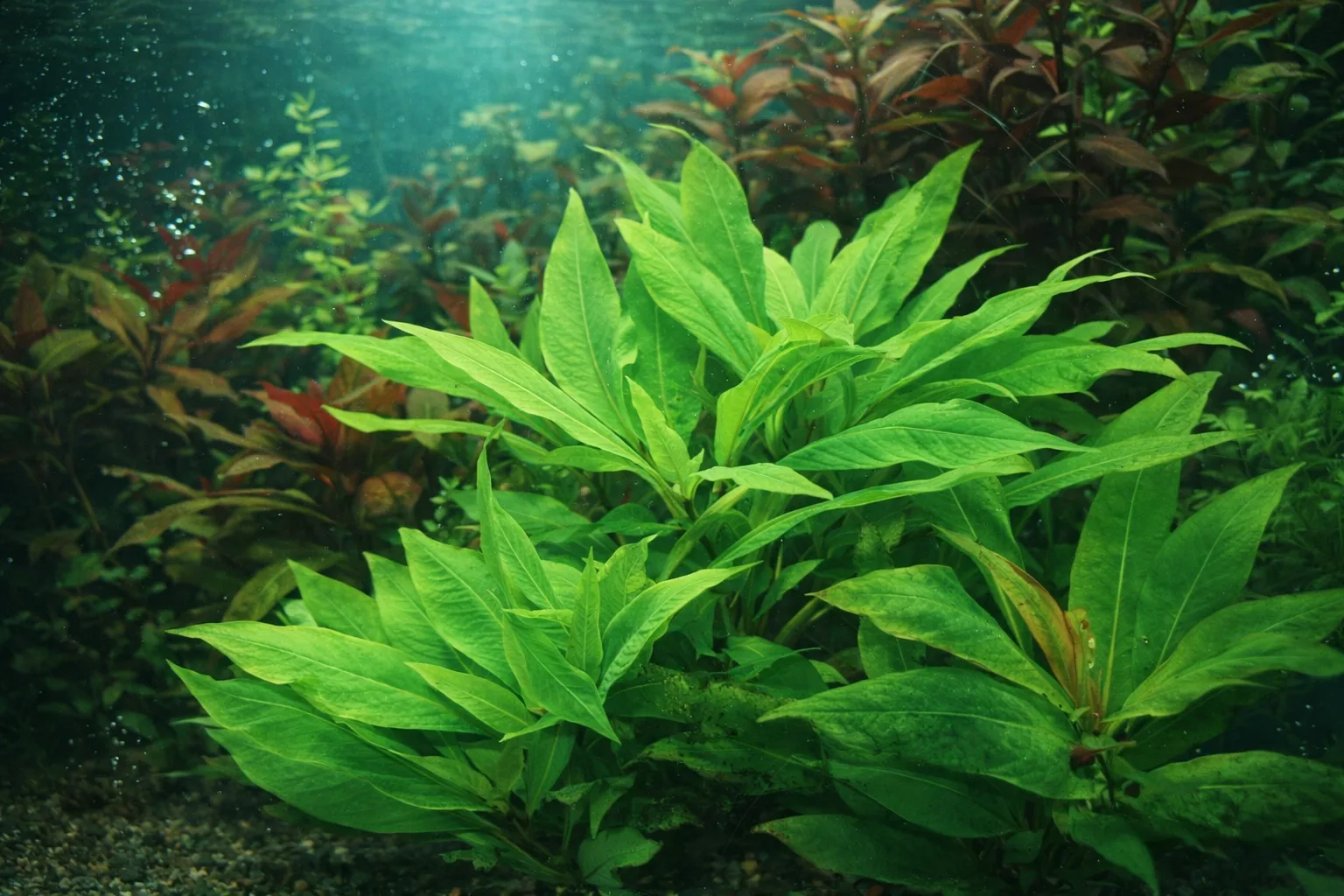
Hygrophila corymbosa, commonly known as Water Wisteria, is a fast-growing aquatic plant valued for its aesthetic appeal and versatility in freshwater aquariums. This hardy species is native to South Asia and is often sought after for its ability to thrive in various conditions, making it suitable for both beginner and experienced aquarists.
Natural Habitat
In its natural environment, Hygrophila corymbosa typically grows in shallow waters of rivers and streams, where it is exposed to moderate to bright light. The plant can adapt well to a variety of water parameters, which is advantageous for aquarium setups.
Care Requirements
Water Wisteria is relatively easy to care for, requiring only moderate attention. Here are the basic care requirements:
- Lighting: Medium to high lighting is recommended to promote optimal growth.
- CO2 Requirement: Adding CO2 can enhance growth but is not strictly necessary; however, it helps achieve lush, healthy foliage.
- Water Parameters: Prefers a temperature range of 22-28°C (72-82°F) and neutral to slightly acidic pH.
Tank Setup
For optimal growth, it's advisable to plant Hygrophila corymbosa in nutrient-rich substrate. It can also be grown floating or as a background plant, depending on the aquarium design. The plant tends to grow tall, reaching heights of around 50 cm (19 inches), making it suitable for midground to background placement in aquascapes.
Compatibility
Hygrophila corymbosa is generally compatible with a wide variety of fish and invertebrates. It provides hiding spots and cover, which can reduce stress for fish. However, it's best to avoid keeping it with herbivorous species that may nibble on its leaves.
Feeding and Maintenance
This plant benefits from regular fertilization due to its rapid growth. Supplementing with liquid fertilizers and keeping an eye on nutrient levels can support robust foliage development. Regular trimming is necessary to prevent it from overtaking the tank and to maintain a manageable size.
Propagation
Water Wisteria can be easily propagated by cuttings. Simply cut healthy stems and replant them into the substrate, and new roots will develop, allowing for quick reproductive expansion in the aquarium. This makes it an excellent choice for those looking to expand their plant stock.
How to care for Hygrophila corymbosa
- 1
Set up the tank
Prepare a tank with a nutrient-rich substrate like fine gravel, ensuring a pH of 6.3-7.5, hardness between 4-18°dGH, and a temperature range of 20-28°C (68-82°F).
- 2
Plant Hygrophila corymbosa
Place individual stems about 5 cm apart in the background or midground of the tank to allow for growth. ([tropica.com](https://tropica.com/en/plants/plantdetails/4490/4490?utm_source=openai))
- 3
Provide appropriate lighting
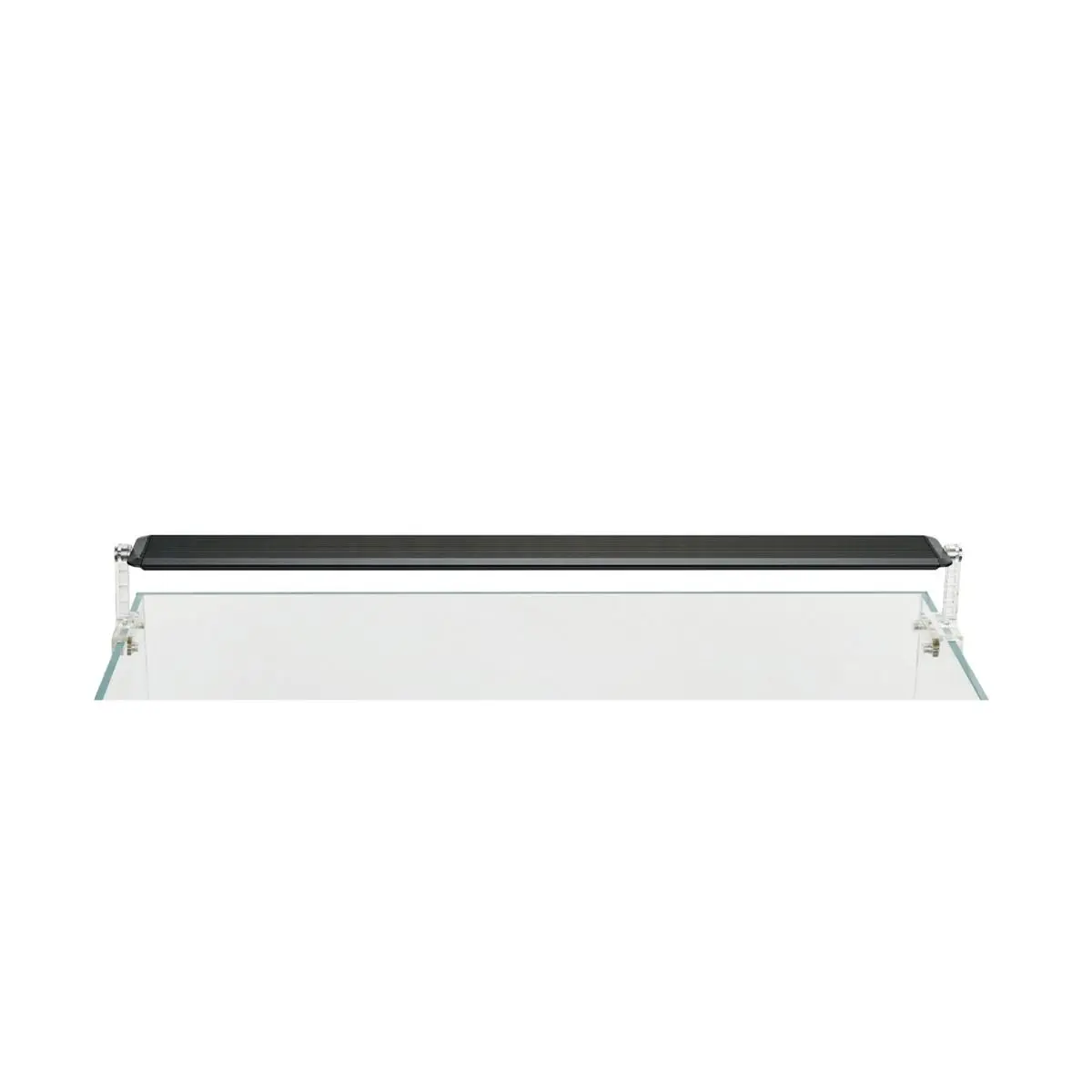
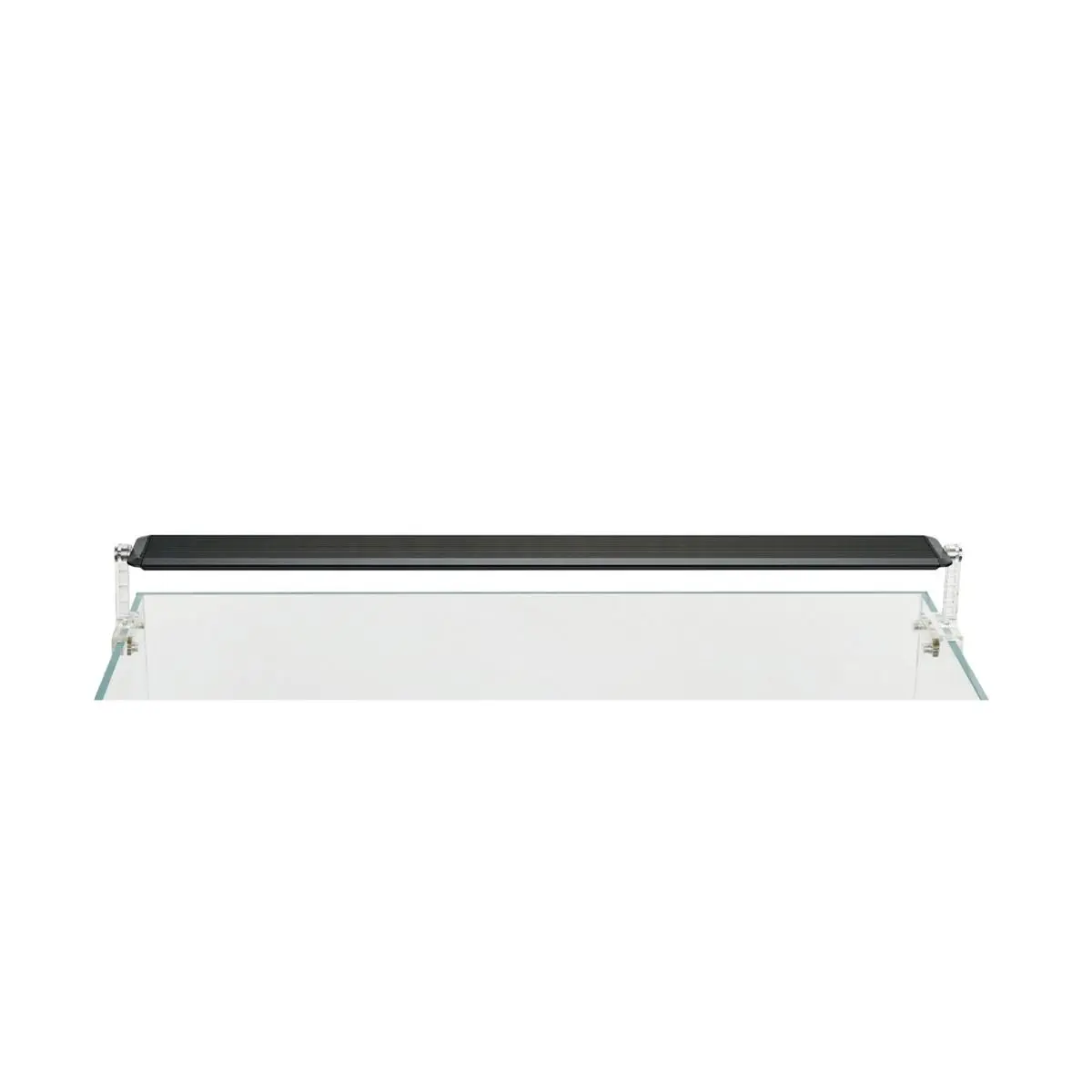
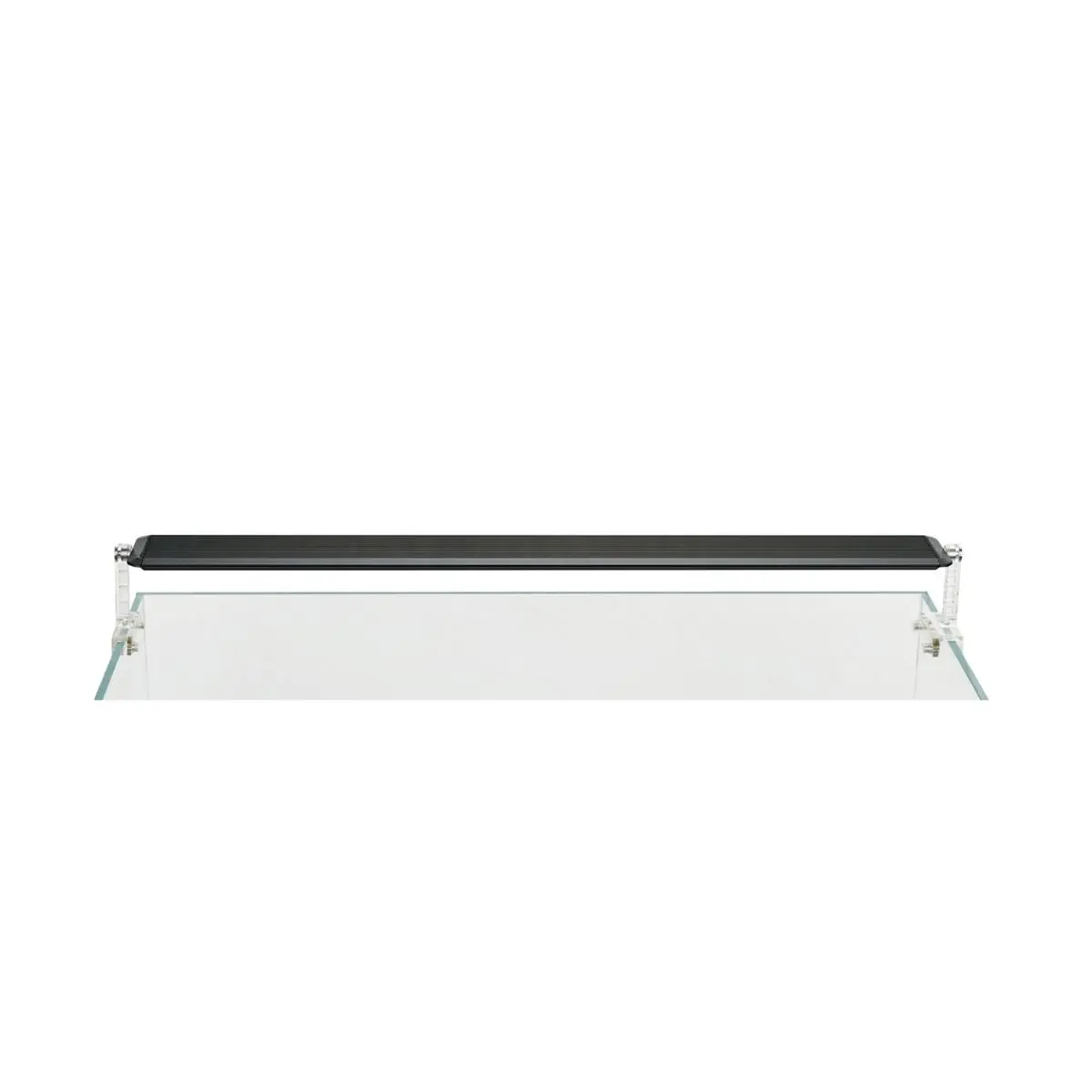
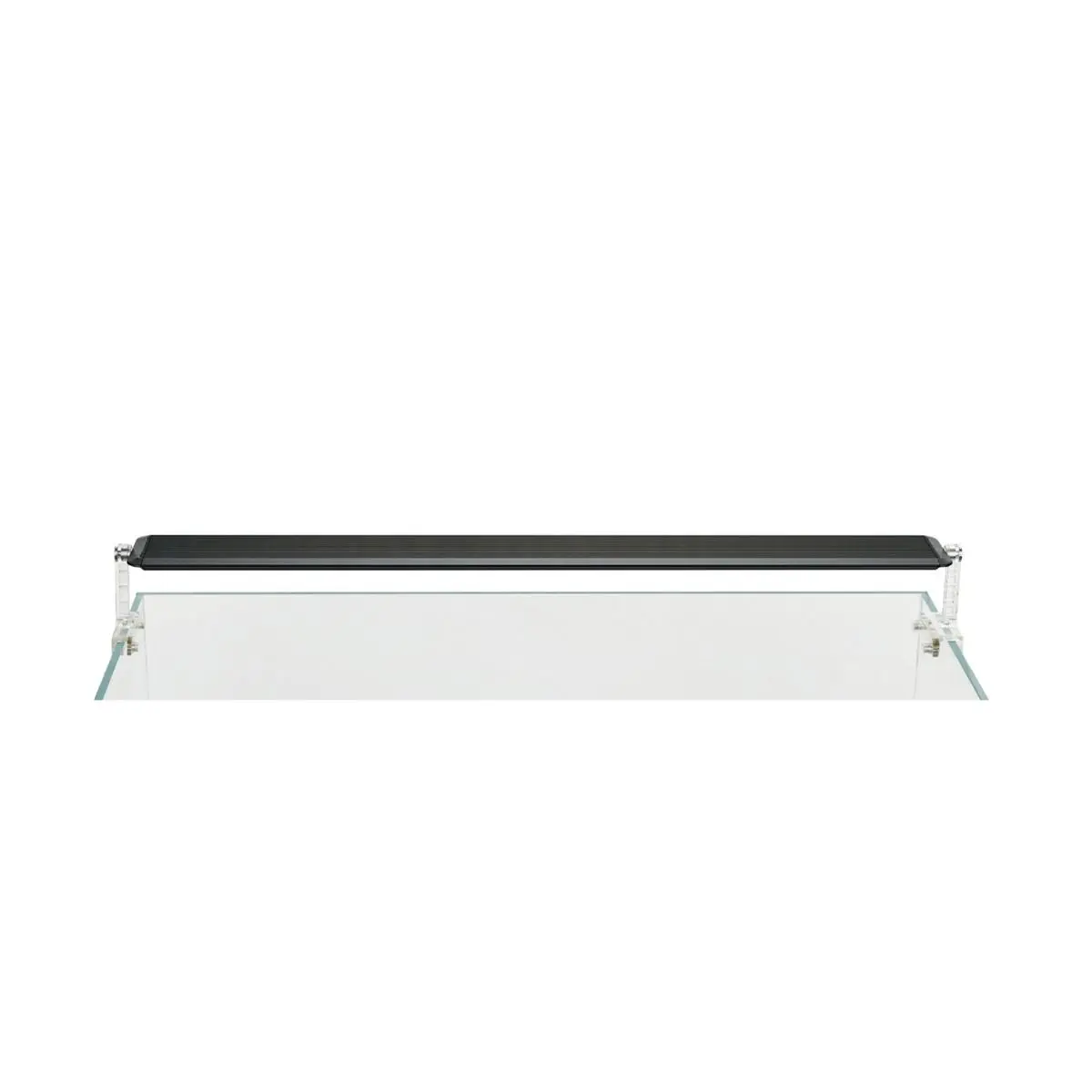
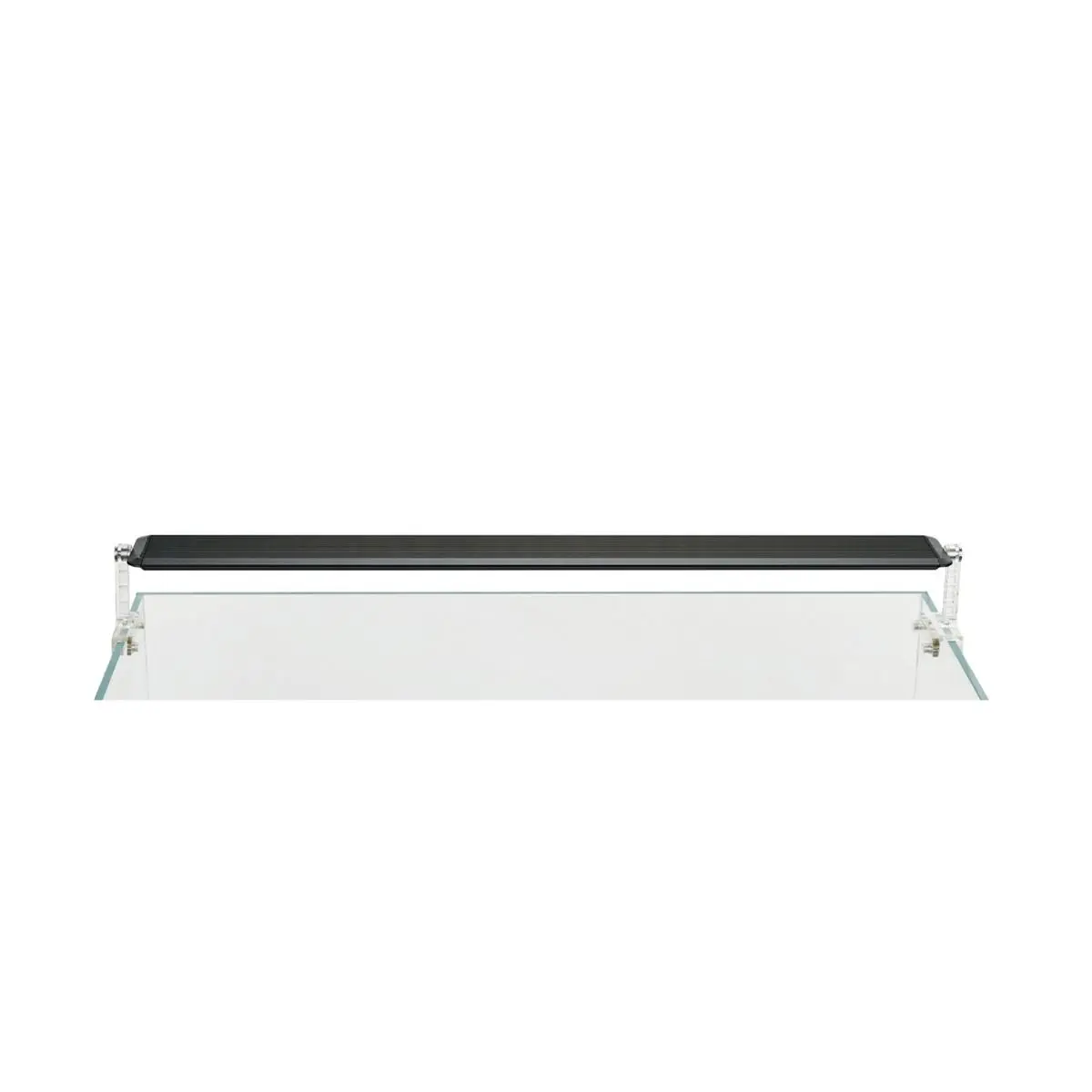
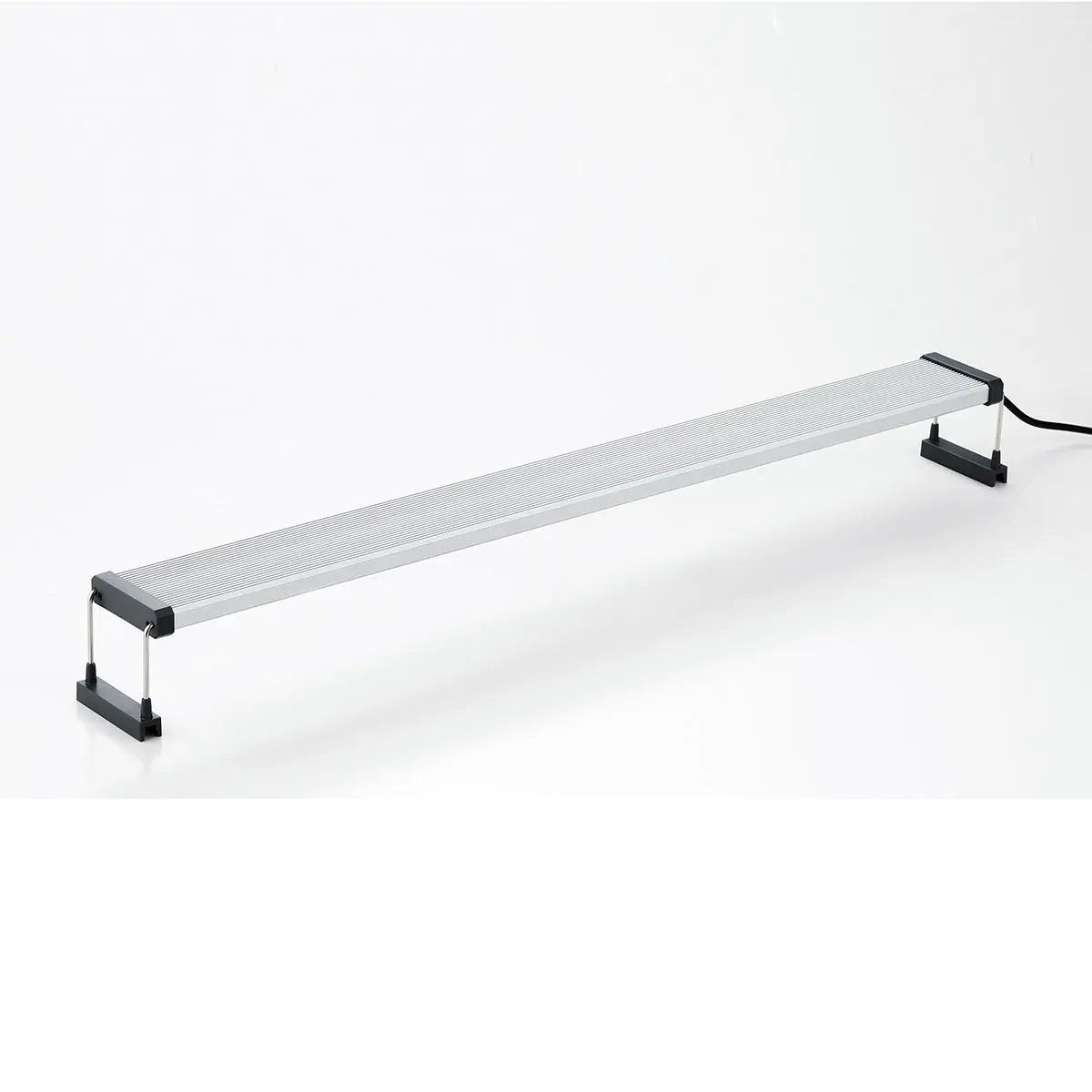
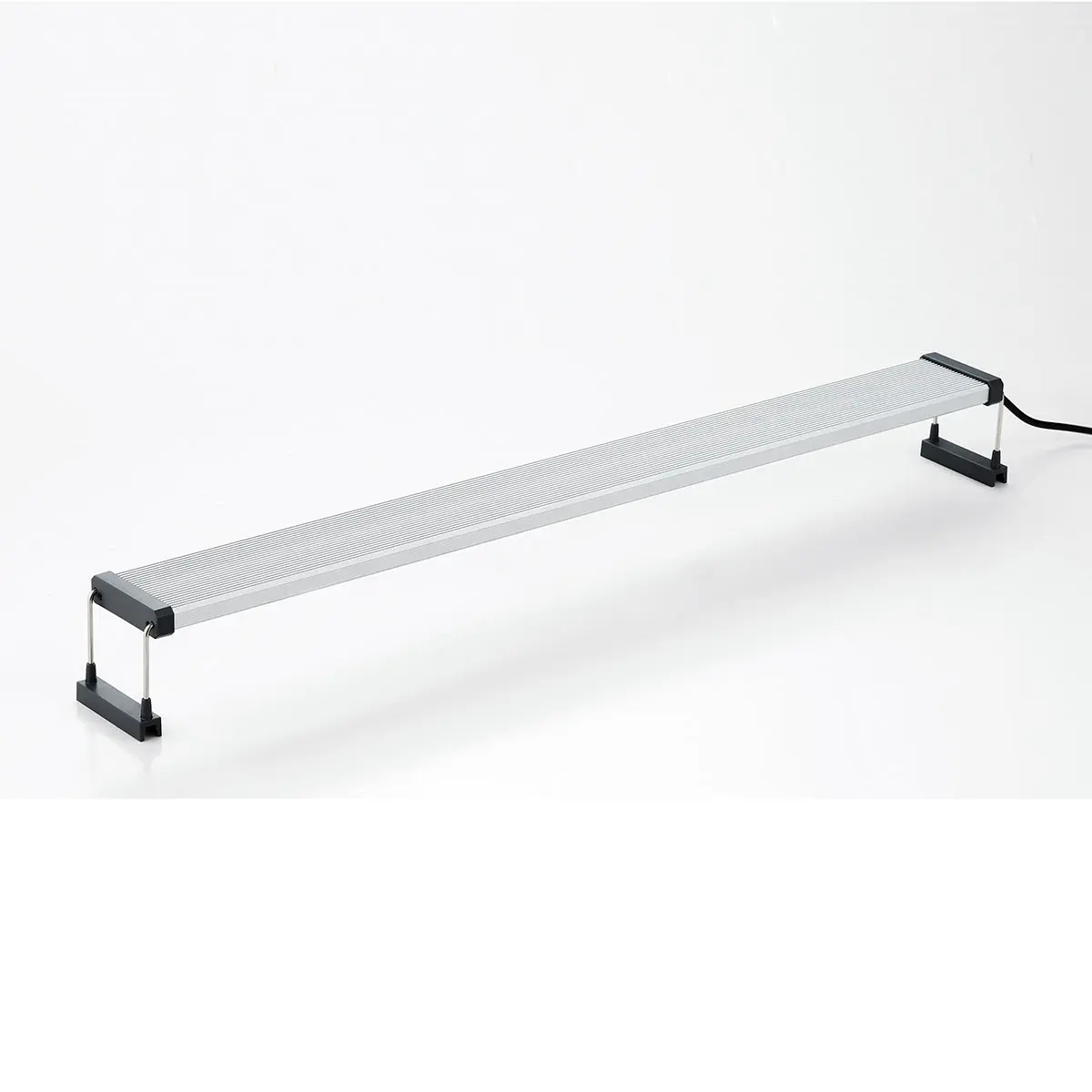
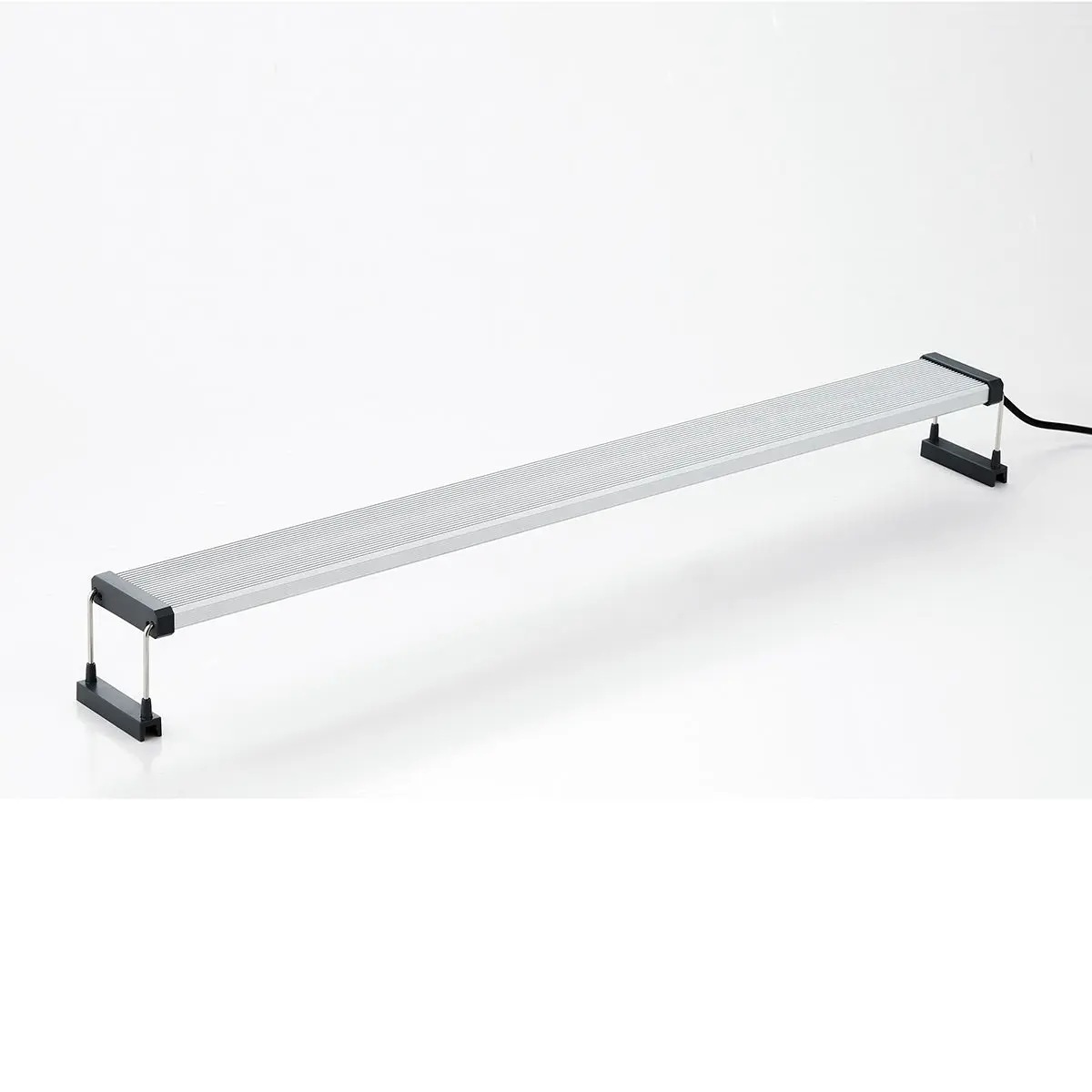
Install moderate to high lighting with an intensity of 0.5 to 1.0 watts per liter, and maintain a light duration of 10-12 hours per day. ([studioscaped.com](https://www.studioscaped.com/knowledge-base/plants/hygrophila-corymbosa?utm_source=openai))
- 4
Supplement with CO2
While optional, adding CO2 can enhance growth rate and leaf size. If using CO2, aim for a stable level between 20-30 mg/L. ([studioscaped.com](https://www.studioscaped.com/knowledge-base/plants/hygrophila-corymbosa?utm_source=openai))
- 5
Fertilize regularly
Use a balanced liquid fertilizer or substrate fertilization regime, dosing weekly to provide essential nutrients. ([gensou.sg](https://gensou.sg/hygrophila-corymbosa-care-guide/?utm_source=openai))
- 6
Prune regularly
Trim back leggy stems to encourage bushier growth and prevent overshadowing of other plants. ([studioscaped.com](https://www.studioscaped.com/knowledge-base/plants/hygrophila-corymbosa?utm_source=openai))
- 7
Monitor water parameters
Regularly check pH, hardness, and temperature to ensure they remain within the optimal ranges for Hygrophila corymbosa. ([tropica.com](https://tropica.com/en/plants/plantdetails/4490/4490?utm_source=openai))
- 8
Check for nutrient deficiencies
If leaves turn yellow, it may indicate an iron deficiency. Ensure regular dosing of liquid fertilizers containing iron. ([aquariadise.com](https://www.aquariadise.com/hygrophila/?utm_source=openai))
Frequently asked questions
What are the ideal water parameters for Hygrophila corymbosa?▾
Hygrophila corymbosa thrives in water with a pH of 6.3-7.5, hardness between 4-18°dGH, and a temperature range of 20-28°C (68-82°F).
How should I plant Hygrophila corymbosa in my aquarium?▾
Plant Hygrophila corymbosa in the background or midground using a nutrient-rich substrate like fine gravel. Space individual stems about 5 cm apart to allow for growth. ([tropica.com](https://tropica.com/en/plants/plantdetails/4490/4490?utm_source=openai))
Does Hygrophila corymbosa require CO2 supplementation?▾
While Hygrophila corymbosa can grow without CO2 supplementation, providing additional CO2 enhances growth rate and leaf size. ([gensou.sg](https://gensou.sg/hygrophila-corymbosa-care-guide/?utm_source=openai))
How often should I prune Hygrophila corymbosa?▾
Regular pruning of Hygrophila corymbosa encourages bushier growth and prevents it from overshadowing other plants. Trim back any leggy stems to maintain its shape. ([studioscaped.com](https://www.studioscaped.com/knowledge-base/plants/hygrophila-corymbosa?utm_source=openai))
What lighting conditions are best for Hygrophila corymbosa?▾
Hygrophila corymbosa thrives under moderate to high lighting conditions, with a light intensity of around 0.5 to 1.0 watts per liter. Ensure the light duration ranges between 10-12 hours per day. ([studioscaped.com](https://www.studioscaped.com/knowledge-base/plants/hygrophila-corymbosa?utm_source=openai))
How do I propagate Hygrophila corymbosa?▾
Propagate Hygrophila corymbosa by cutting side shoots where they meet the stem and planting them deep into your substrate. ([petco.com](https://www.petco.com/content/content-hub/home/articlePages/caresheets/hygrophila-plant-care.html?utm_source=openai))
What are common signs of nutrient deficiencies in Hygrophila corymbosa?▾
Yellowing leaves in Hygrophila corymbosa often indicate iron deficiency. Ensure regular dosing of liquid fertilizers containing iron to maintain vibrant green leaves. ([aquariadise.com](https://www.aquariadise.com/hygrophila/?utm_source=openai))
Is Hygrophila corymbosa compatible with other aquarium inhabitants?▾
Hygrophila corymbosa is compatible with a wide range of aquarium inhabitants, including small to medium-sized fish like tetras, rasboras, and guppies, as well as shrimp species such as Neocaridina and Caridina. ([studioscaped.com](https://www.studioscaped.com/knowledge-base/plants/hygrophila-corymbosa?utm_source=openai))
Lighting that can support this plant
Suggested from plant care level and compatibility.