

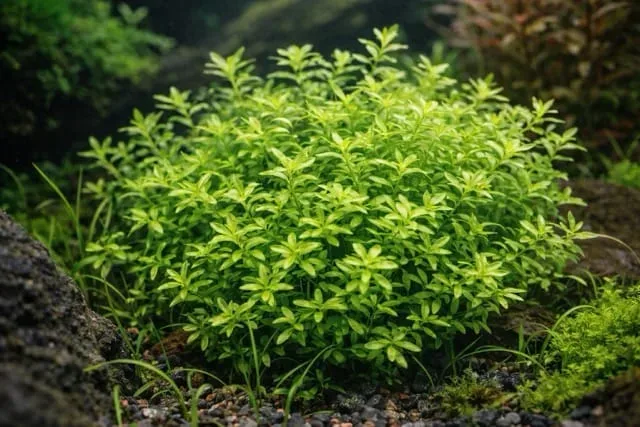
Illustrative images
Hemianthus micranthemoides
Hemianthus micranthemoides
Overview
Hemianthus micranthemoides, commonly known as Baby Tears, is a charming aquatic plant that is widely favored in aquascaping for its delicate, lush appearance. This small-leaved, carpet-forming plant originates from North America, specifically in shallow freshwater habitats such as marshes and lakes.
Natural Habitat
In its natural environment, Hemianthus micranthemoides thrives in areas with bright sunlight, where it can establish dense growth patterns. It prefers nutrient-rich substrates and is often found in slow-moving or still waters, which allows it to flourish.
Care Requirements
This plant is typically seen as easy to medium in terms of care level, making it suitable for both beginners and more experienced aquarists. While it does not demand extreme conditions, certain guidelines will help it thrive:
- Lighting: Hemianthus micranthemoides prefers medium to high lighting. This helps promote bushy growth and maintains its compact form.
- Substrate: A nutrient-rich substrate is highly beneficial. Incorporating root tabs can enhance growth.
- Water Conditions: Stable water parameters are preferable, with a temperature range of approximately 22-28°C (72-82°F) and a pH level between 6.0 to 7.5.
- CO2 Supplementation: While not strictly necessary, providing CO2 can significantly enhance its growth and overall health.
Tank Setup
For optimal growth, Hemianthus micranthemoides is best positioned in the foreground of the aquarium, creating a lush carpet effect. It can also be used to highlight hardscape features within an aquascape. Regular trimming is essential to maintain its desired height and encourage denser growth.
Compatibility
Hemianthus micranthemoides can coexist peacefully with most fish species and invertebrates. However, care should be taken with herbivorous fish that may nibble on its leaves. Small and peaceful tank inhabitants such as tetras or rasboras will coexist well with this plant.
Feeding and Maintenance
This plant benefits from regular fertilization, utilizing a liquid fertilizer can help in maintaining vibrant growth. A balanced approach to algae control is also important, as high nutrient levels may lead to algal blooms.
Propagation
Propagation of Hemianthus micranthemoides is straightforward and can be achieved through cuttings. By simply trimming a portion of the plant and replanting it in the substrate, it will generate new roots and establish itself.
How to care for Hemianthus micranthemoides
- 1
Set up the tank
Ensure the aquarium has a fine-gravel substrate and is equipped with a reliable filtration system to maintain water quality.
- 2
Plant the stems
Insert stem cuttings into the substrate, spacing them 1-1.5 inches apart for dense coverage or 2-3 inches for a more open layout.
- 3
Provide appropriate lighting
Install bright lighting to promote compact growth; inadequate lighting may lead to leggy growth.
- 4
Maintain water parameters
Keep water temperature between 66-82°F (19-28°C), pH at 6.5-7.5, and water hardness between 4-18°dGH (71.43-321.43 ppm).
- 5
Monitor growth and trim
Regularly trim the plant to maintain desired shape and prevent it from becoming too tall or leggy.
Frequently asked questions
What are the ideal water parameters for Hemianthus micranthemoides?▾
Hemianthus micranthemoides thrives in water temperatures between 66-82°F (19-28°C), a pH of 6.5-7.5, and water hardness ranging from 4-18°dGH (71.43-321.43 ppm).
Does Hemianthus micranthemoides require CO₂ supplementation?▾
While not essential, CO₂ supplementation can enhance growth and promote a denser, more vibrant appearance in Hemianthus micranthemoides.
How should Hemianthus micranthemoides be planted in an aquarium?▾
Plant Hemianthus micranthemoides in small groups with stems spaced 1-1.5 inches apart to achieve dense foreground coverage. For open midground layouts, allow 2-3 inches between stems.
What lighting conditions are best for Hemianthus micranthemoides?▾
Provide bright lighting to encourage compact growth. Inadequate lighting may result in leggy growth as the plant seeks more light.
How do you propagate Hemianthus micranthemoides?▾
Propagate by cutting healthy stem sections, removing lower leaves, and replanting the cuttings into the substrate. Roots will develop, and new plants will establish within a few weeks.
Lighting that can support this plant
Suggested from plant care level and compatibility.

Chihiros A II 1201
Chihiros

Chihiros A II 301
Chihiros

Chihiros A II 601
Chihiros

Chihiros B120
Chihiros

Chihiros B20
Chihiros

Chihiros B90
Chihiros
Chihiros Nova 1
Chihiros

Chihiros RGB Vivid 2
Chihiros
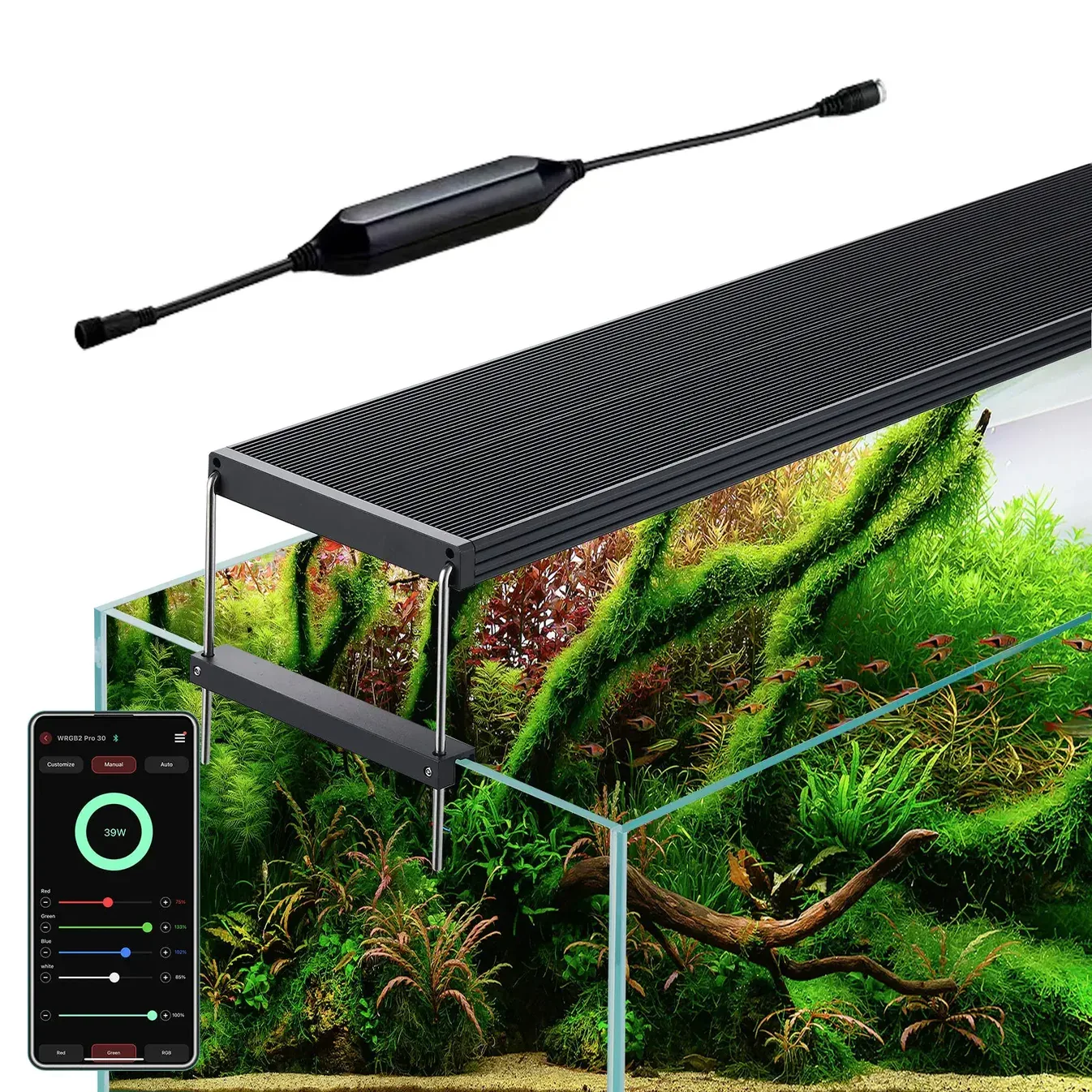
Chihiros WRGB II Pro 120
Chihiros

Chihiros WRGB II Pro 30
Chihiros
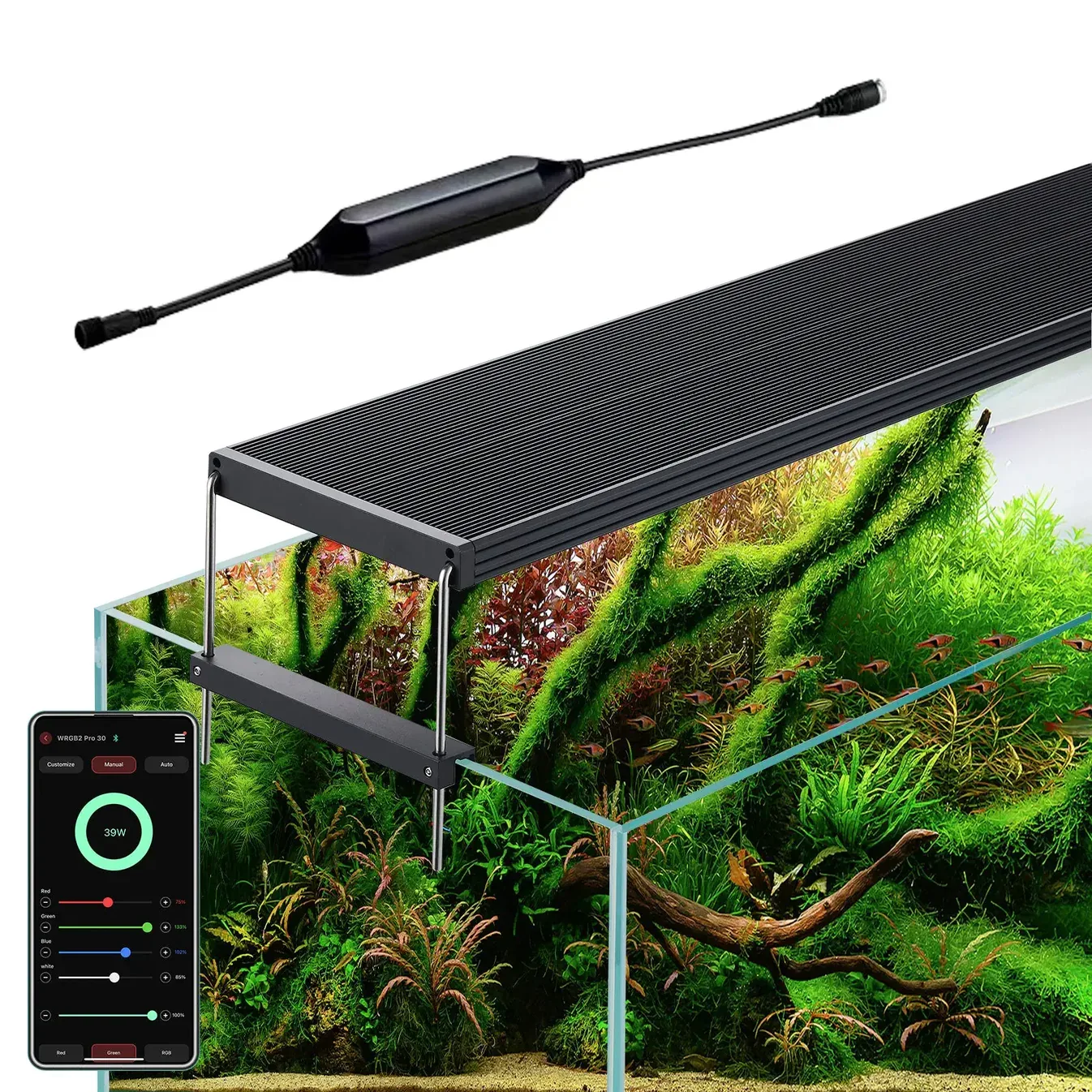
Chihiros WRGB II Pro 45
Chihiros
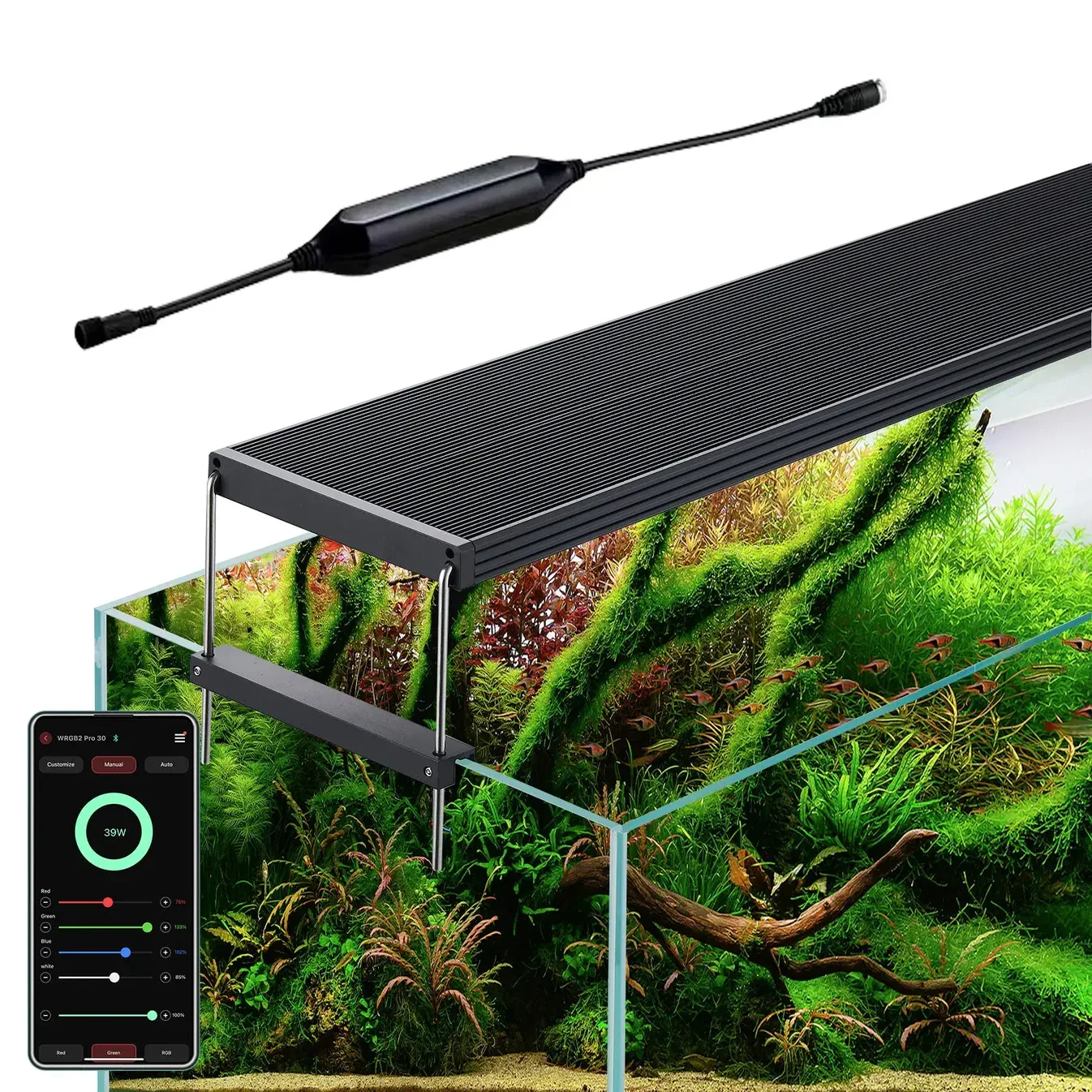
Chihiros WRGB II Pro 60
Chihiros