Illustrative images
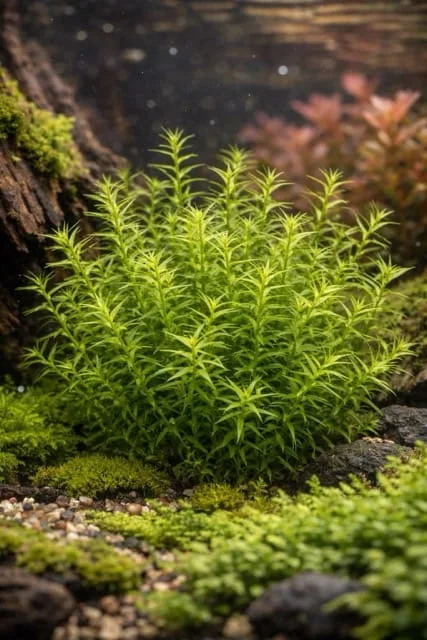
Gratiola viscidula
Gratiola viscidula
Overview
Gratiola viscidula, commonly known as the Sticky-Seeded Hedeoma, is a perennial aquatic plant found in various freshwater habitats. This plant is characterized by its slender stems and small, bright green leaves that can create a lush, green backdrop in an aquarium setting.
Natural Habitat
In its natural environment, Gratiola viscidula can be found growing in wetland areas, marshes, and along the banks of rivers. It thrives in nutrient-rich soils and benefits from full to partial sunlight, making it a flexible choice for different tank setups.
Care Requirements
Gratiola viscidula is considered a medium care plant, suitable for intermediate aquarists. It can tolerate a range of water parameters but prefers slightly acidic to neutral pH and softer water.
Tank Setup
When setting up a tank for Gratiola viscidula, consider the following:
- Minimum Tank Size: A minimum of 40 liters is recommended to allow for adequate growth and establishment.
- Placement: This plant works well in the midground or background of the tank, where its height can complement other flora.
Compatibility
Gratiola viscidula is generally compatible with most community fish and invertebrates that do not excessively disturb the substrate. Its delicate leaves make it less suitable for tanks with very active or large fish that may uproot or tear the plant.
Feeding, Lighting, and CO2 Requirements
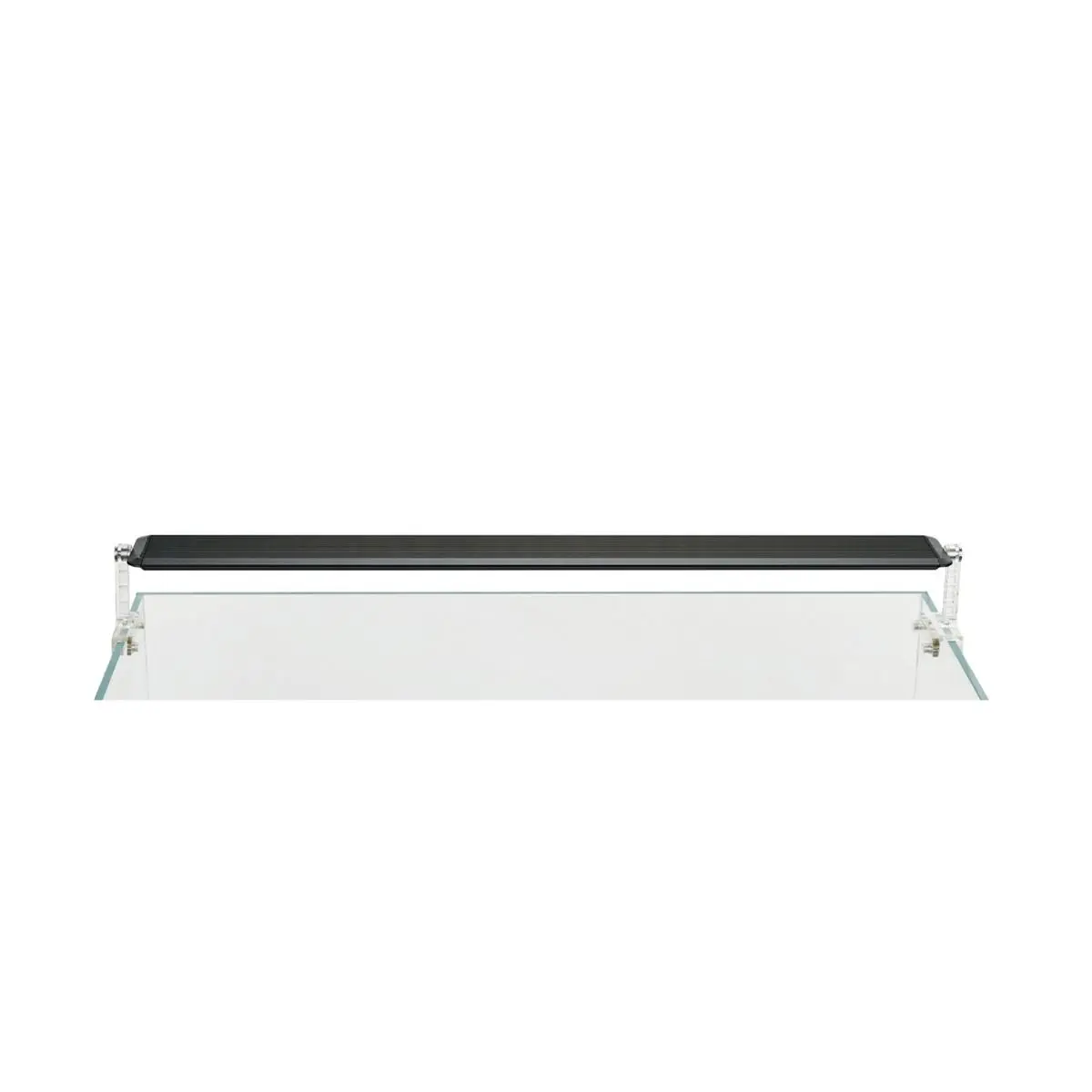
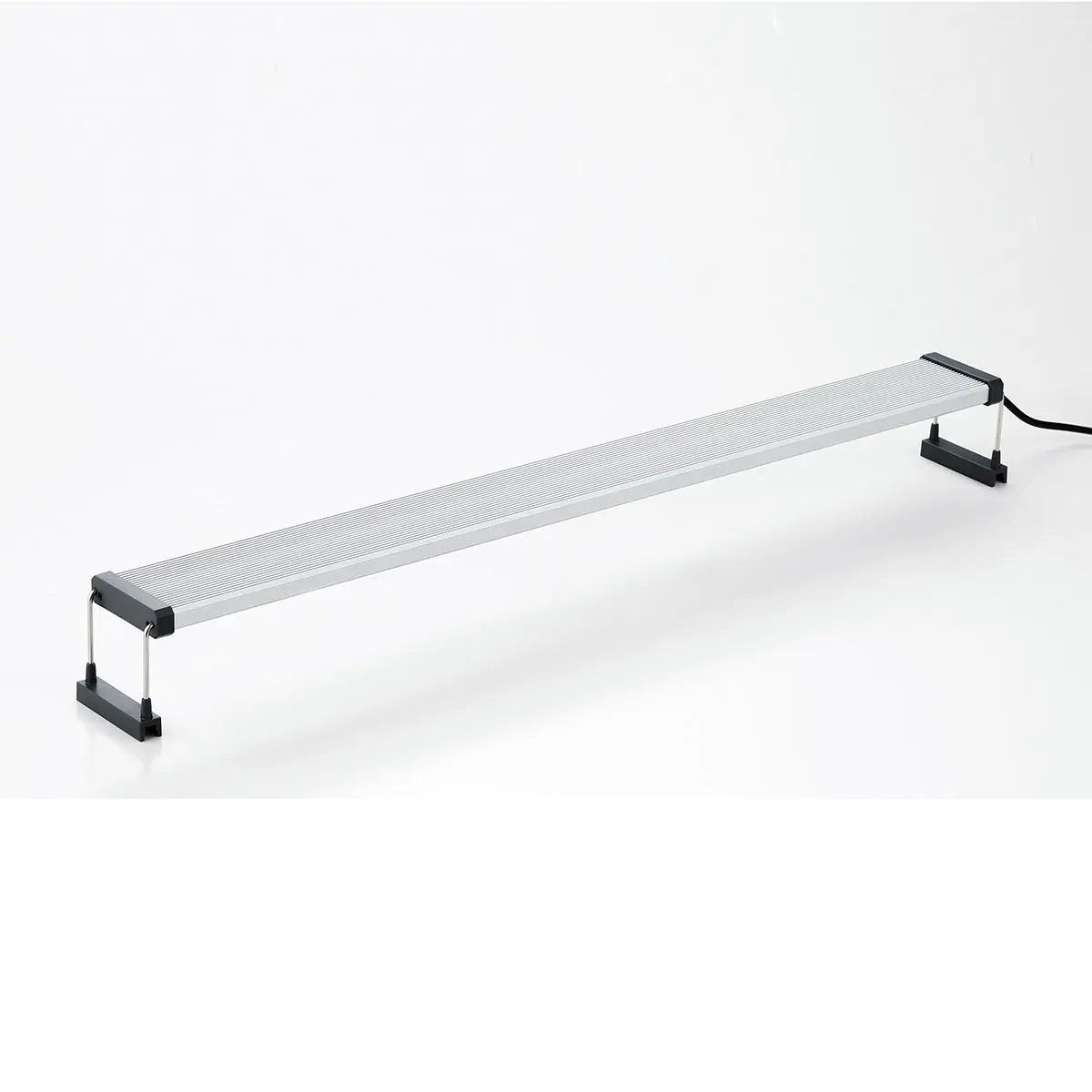
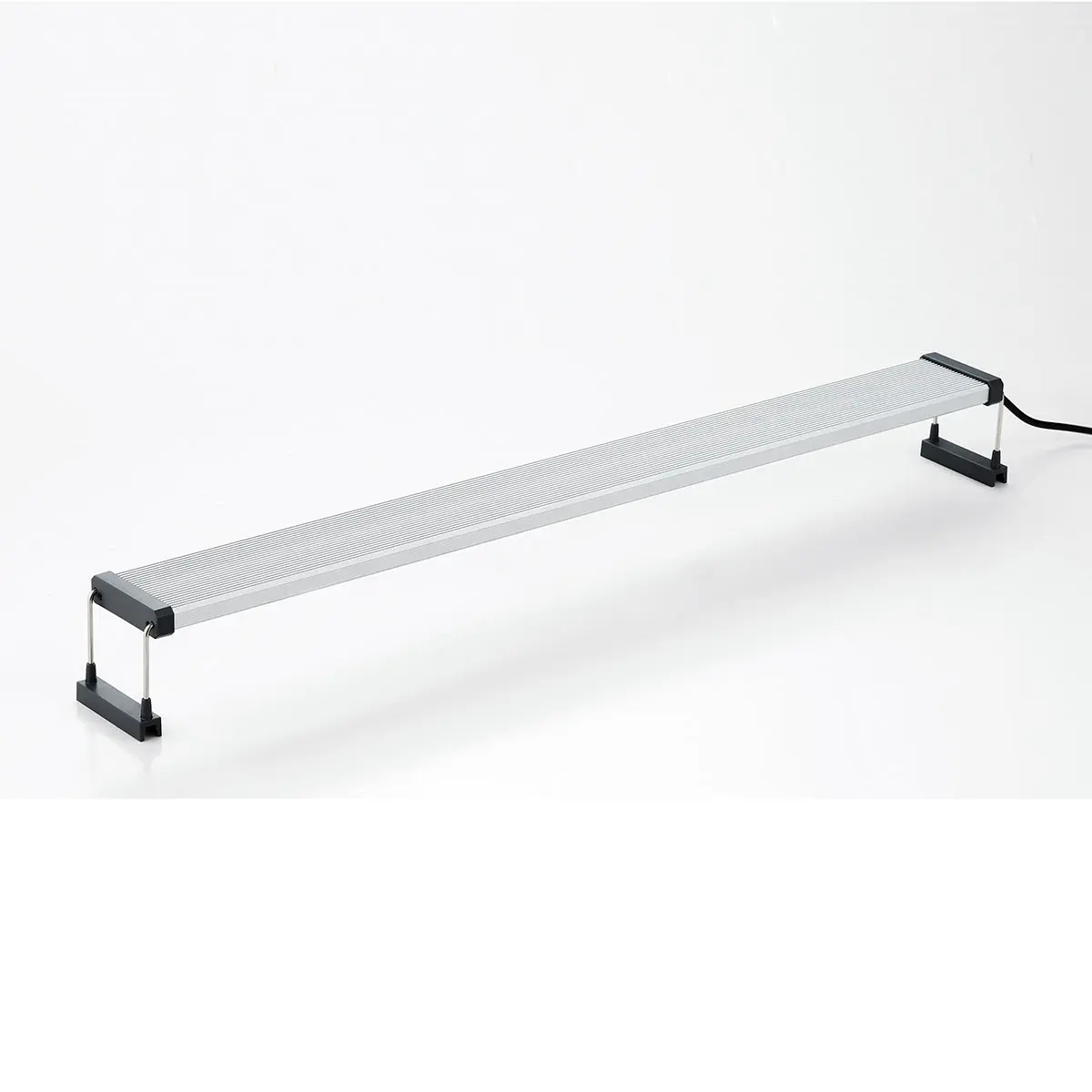
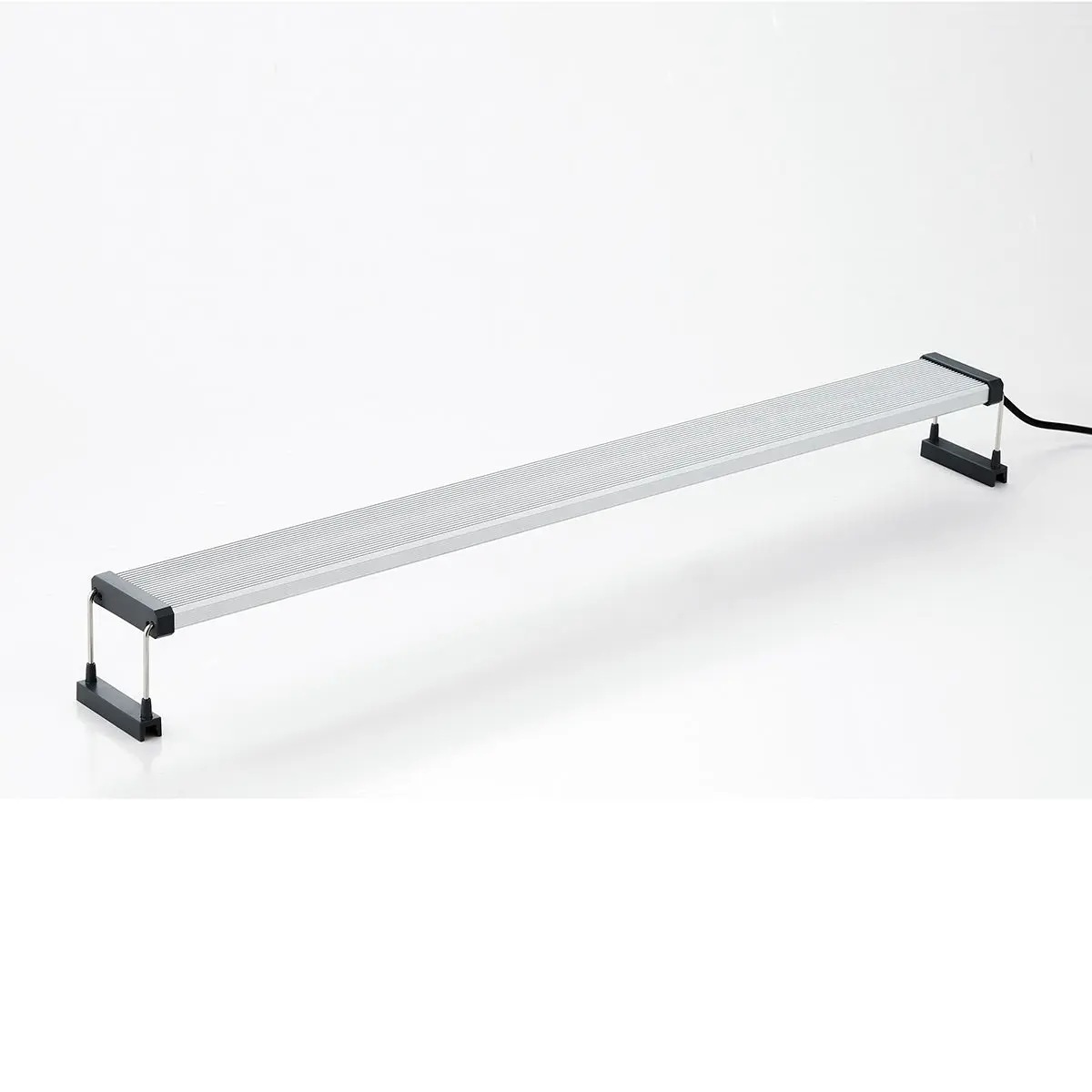
For optimal growth, moderate lighting is ideal, providing around 8-10 hours of light daily. While Gratiola viscidula can survive without CO2 supplementation, enriched CO2 can significantly enhance its growth rate and overall health.
Propagation
This plant propagates primarily through cuttings. You can take healthy stem cuttings and plant them directly into the substrate, where they will root and establish new growth.
Conclusion
Gratiola viscidula is a valuable addition to a planted aquarium, offering aesthetic appeal and contributing to a balanced ecosystem. With proper care and environment, it can thrive and provide a beautiful backdrop for your aquatic life.
How to care for Gratiola viscidula
- 1
Set up the tank
Prepare a tank with a nutrient-rich substrate and ensure stable water parameters: pH 6.0-7.5, temperature 15-28°C, and medium to high lighting.
- 2
Plant the stems
Using fine tweezers, plant individual stems separately in the substrate to encourage dense growth.
- 3
Provide CO₂ supplementation
While optional, adding CO₂ can enhance growth rate and density.
- 4
Maintain lighting
Ensure medium to high lighting to support healthy growth and prevent legginess.
- 5
Regular trimming
Trim the plant regularly to maintain a compact, bushy appearance and prevent overgrowth.
Frequently asked questions
What are the ideal water parameters for Gratiola viscidula?▾
Gratiola viscidula thrives in soft, slightly acidic to neutral water with a pH of 6.0-7.5 and temperatures between 15-28°C.
How do I propagate Gratiola viscidula?▾
Propagate Gratiola viscidula by cutting healthy stems and replanting them in the substrate; they will root and grow into new plants.
Does Gratiola viscidula require CO₂ supplementation?▾
While Gratiola viscidula can grow without CO₂, adding it promotes faster and denser growth.
What lighting conditions does Gratiola viscidula need?▾
Gratiola viscidula prefers medium to high lighting to maintain its compact growth habit.
Can Gratiola viscidula be grown emersed?▾
Yes, Gratiola viscidula can be grown emersed in terrariums, Wabi Kusa, or paludariums, where it forms a more compact and robust appearance.
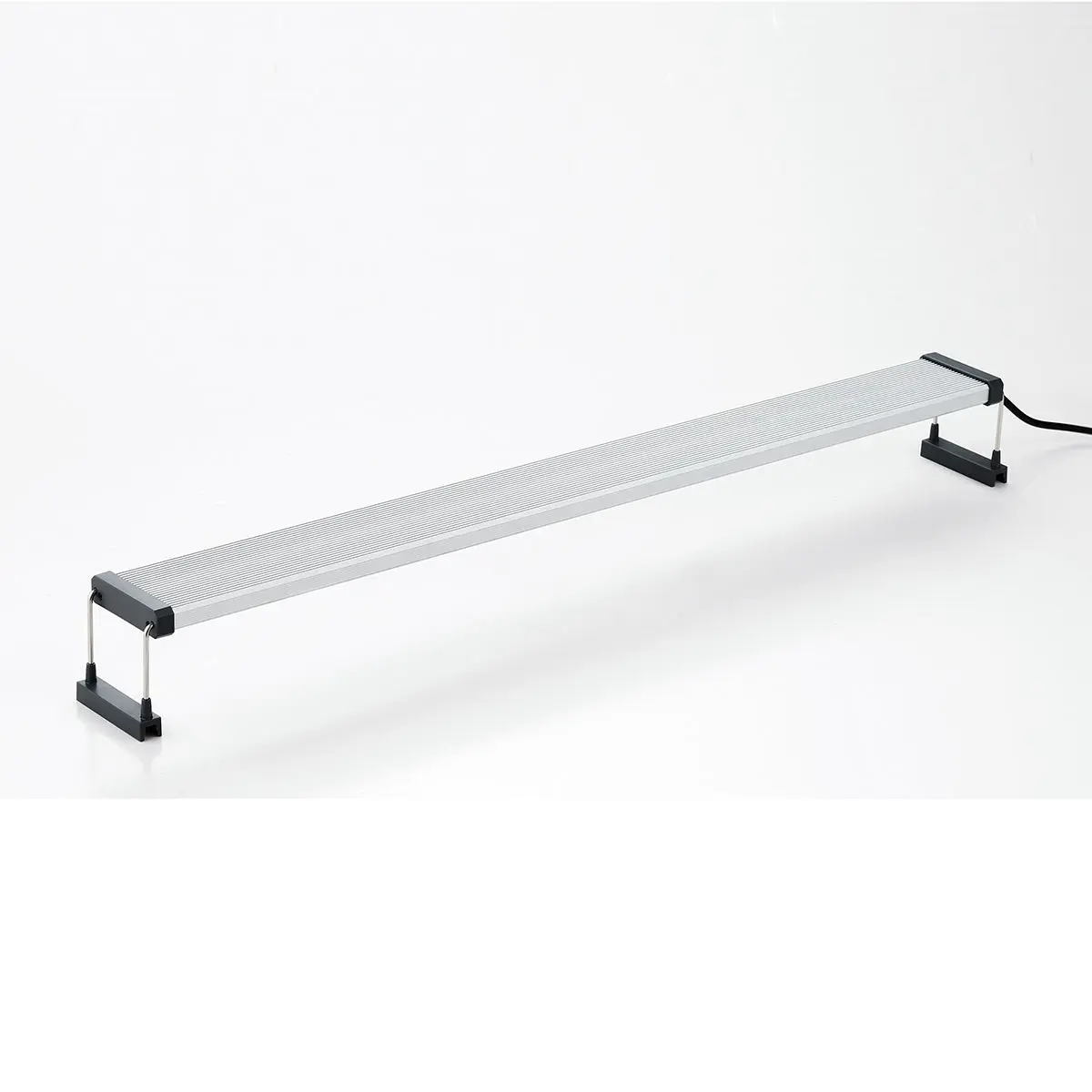
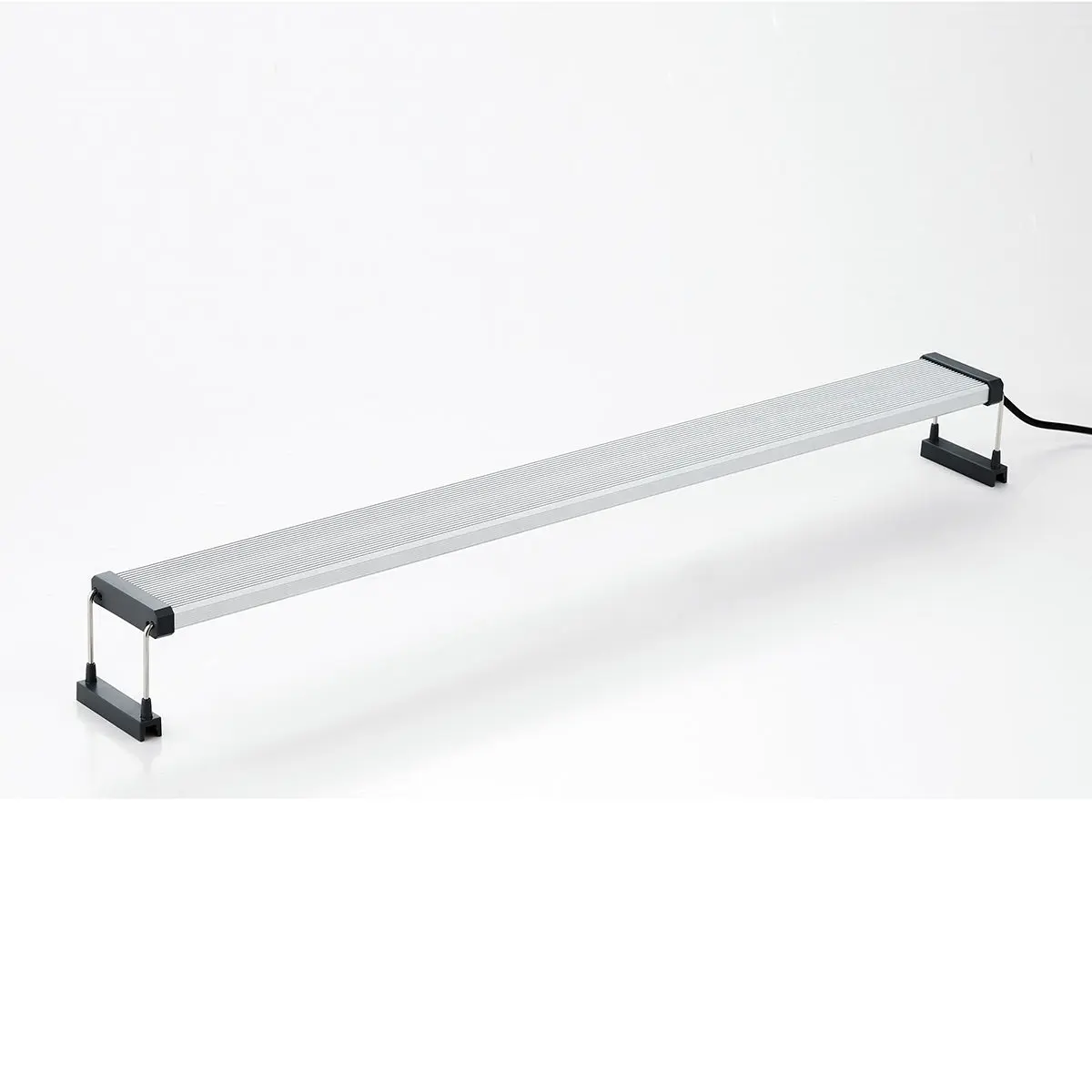
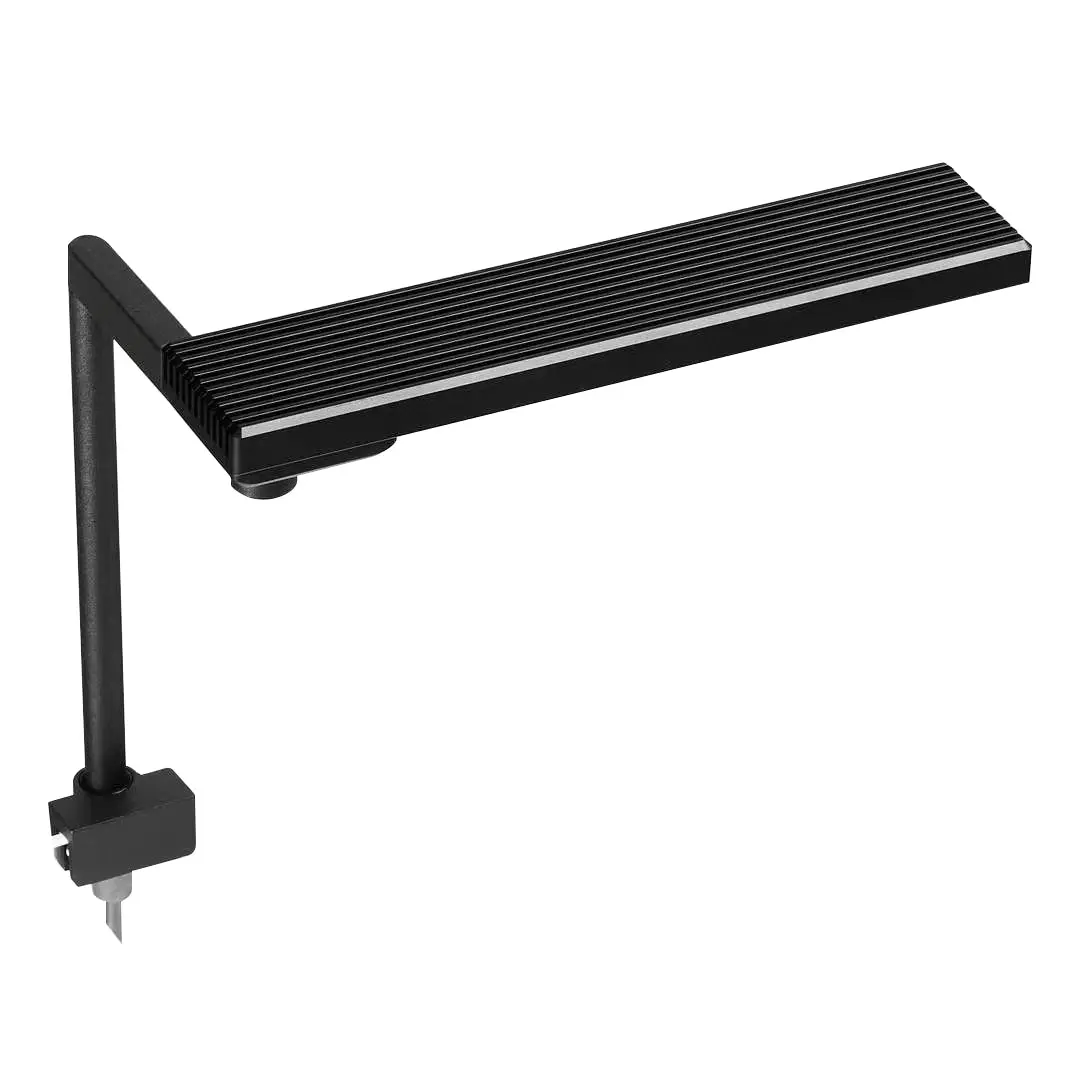
Lighting that can support this plant
Suggested from plant care level and compatibility.