

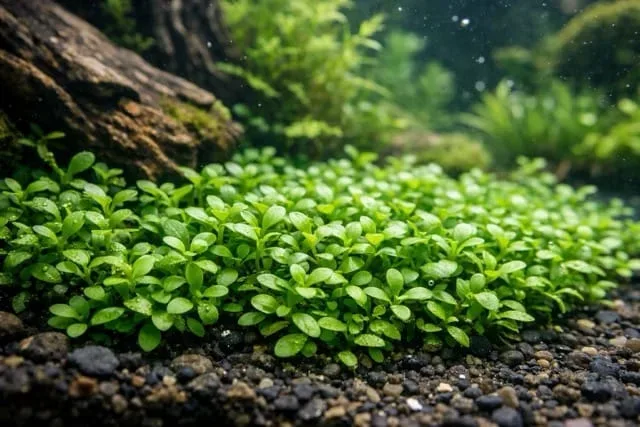
Illustrative images
Glossostigma elatinoides
Glossostigma elatinoides
Overview
Glossostigma elatinoides, commonly known as Glossostigma, is a popular aquatic plant among aquascapers and hobbyists due to its lush green carpet-forming abilities. This small, herbaceous plant has tiny leaves that grow close to the substrate, making it an ideal choice for the foreground in an aquascape. It thrives when given appropriate care and can create a stunning visual effect in a well-planned aquarium.
Natural Habitat
Glossostigma elatinoides is native to Australia and is typically found in shallow waters and wetlands. It grows submerged or emersed, where it gets its nutrient supply directly from the water column as well as sediment. This habitat influences its preference for specific water conditions when kept in aquariums.
Care Requirements
Tank Setup
For optimal growth, Glossostigma requires a well-planted tank with good lighting and substrate. It can be planted directly in the substrate by cutting small sections from the main plant and placing them into the substrate where they will start to grow roots.
Light Requirements
Glossostigma elatinoides thrives in high light conditions. A strong light source is necessary to promote robust growth and to maintain the vibrant green color of the leaves. Low light conditions can lead to slow growth and, eventually, the decline of the plant.
CO2 Requirements
This plant benefits from CO2 injection in the aquarium. While it can survive without supplementary CO2, providing it will greatly enhance growth rates and overall vitality. With CO2, Glossostigma will produce denser growth and a healthier appearance.
Water Conditions
The ideal water parameters for Glossostigma include a pH range of 6.0 to 7.5, temperature between 20°C and 28°C, and moderately soft to moderately hard water. It is important to maintain stable conditions as fluctuations can stress the plant.
Compatibility
Glossostigma elatinoides is considered a suitable plant for community tanks. It generally coexists peacefully with most fish species provided that the tank mates do not disturb the substrate, as this could uproot young plants. It works especially well in tanks with small fish and invertebrates, which are less likely to disturb the delicate roots.
Feeding
A nutrient-rich substrate coupled with regular fertilization will benefit Glossostigma enormously. Liquid fertilizers can be used to supplement nutrients in the water column, and root tabs can be placed in the substrate to support healthy growth.
Propagation
Glossostigma elatinoides can be propagated easily by cutting healthy sections of the plant and replanting them in the substrate. Each cutting typically develops its roots and begins to grow into a full plant.
Placement in the Aquarium
As a foreground plant, Glossostigma should be planted in the front section of the aquarium. It pairs well with taller plants in the background to create a layered aquascape, maximizing visual appeal.
How to care for Glossostigma elatinoides
- 1
Set up the tank
Use a nutrient-rich substrate like ADA Aquasoil and ensure the tank has high-intensity, full-spectrum lighting for 10-12 hours daily.
- 2
Plant the Glossostigma
Plant small portions about 2–3 cm apart in the foreground to encourage horizontal growth and form a dense carpet.
- 3
Add CO₂ supplementation
Install a CO₂ system to provide the necessary carbon for optimal growth and maintain a lush, green carpet.
- 4
Maintain water parameters
Keep the water temperature between 68-82°F (20-28°C) and pH between 5.5-7.5, with hardness of 2-10 dKH.
- 5
Monitor growth
Regularly trim and remove any leggy or unhealthy growth to maintain a dense, attractive carpet.
Frequently asked questions
What are the ideal water parameters for Glossostigma elatinoides?▾
Glossostigma elatinoides thrives in water temperatures between 68-82°F (20-28°C) and a pH range of 5.5-7.5. It prefers soft to moderately hard water with a hardness of 2-10 dKH.
How much light does Glossostigma elatinoides require?▾
This plant requires high-intensity lighting, with at least 2-3 watts per gallon of full-spectrum light for 10-12 hours daily to promote dense carpeting.
Is CO₂ supplementation necessary for Glossostigma elatinoides?▾
Yes, CO₂ injection is recommended to support optimal growth and maintain a lush, green carpet.
What is the growth rate of Glossostigma elatinoides?▾
Glossostigma elatinoides is a fast-growing plant that can form a dense carpet in a matter of weeks under optimal conditions.
How should Glossostigma elatinoides be propagated?▾
Propagation is achieved through runners; planting small portions about 2–3 cm apart in fine-grain substrate encourages horizontal growth.
Lighting that can support this plant
Suggested from plant care level and compatibility.
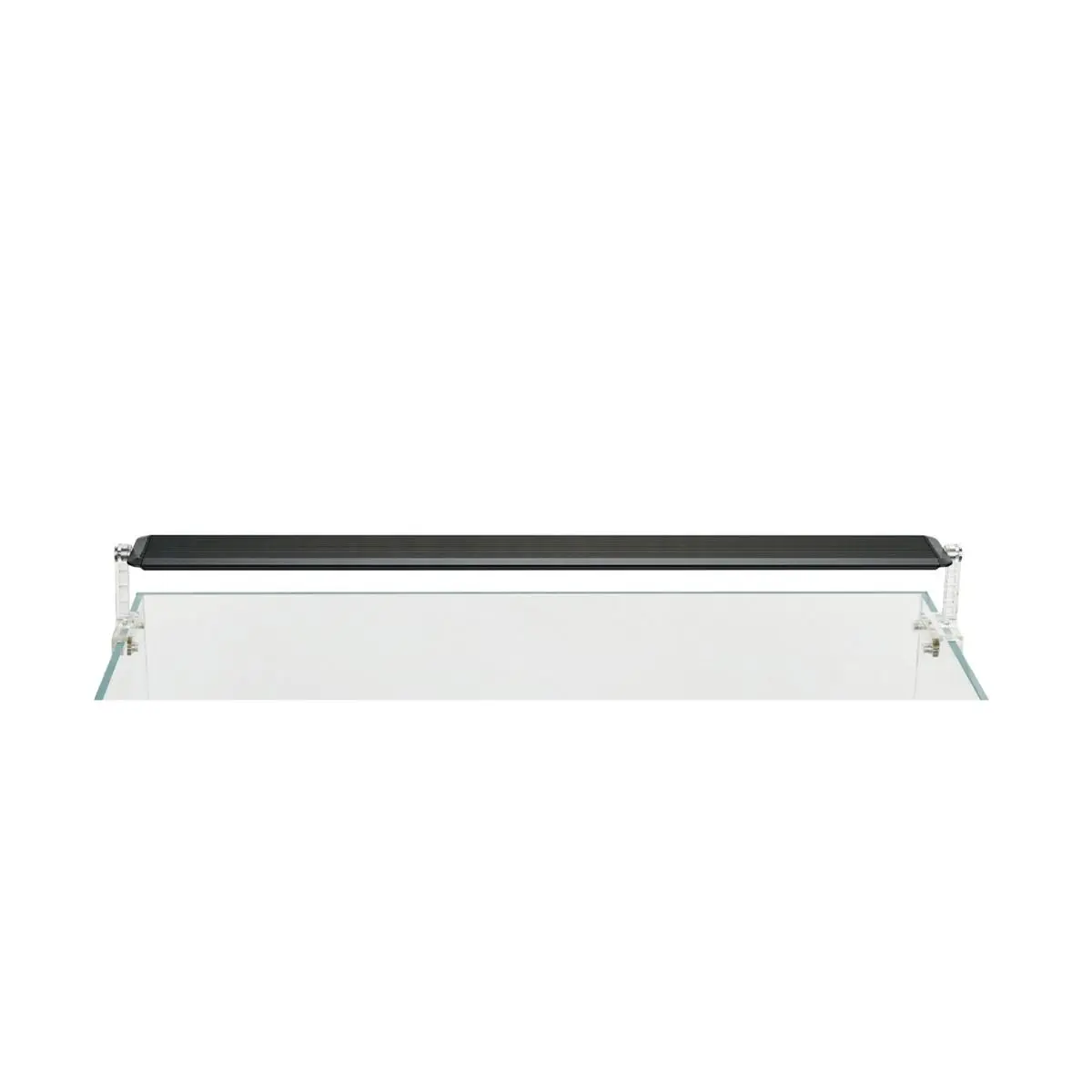
Chihiros A II 1201
Chihiros
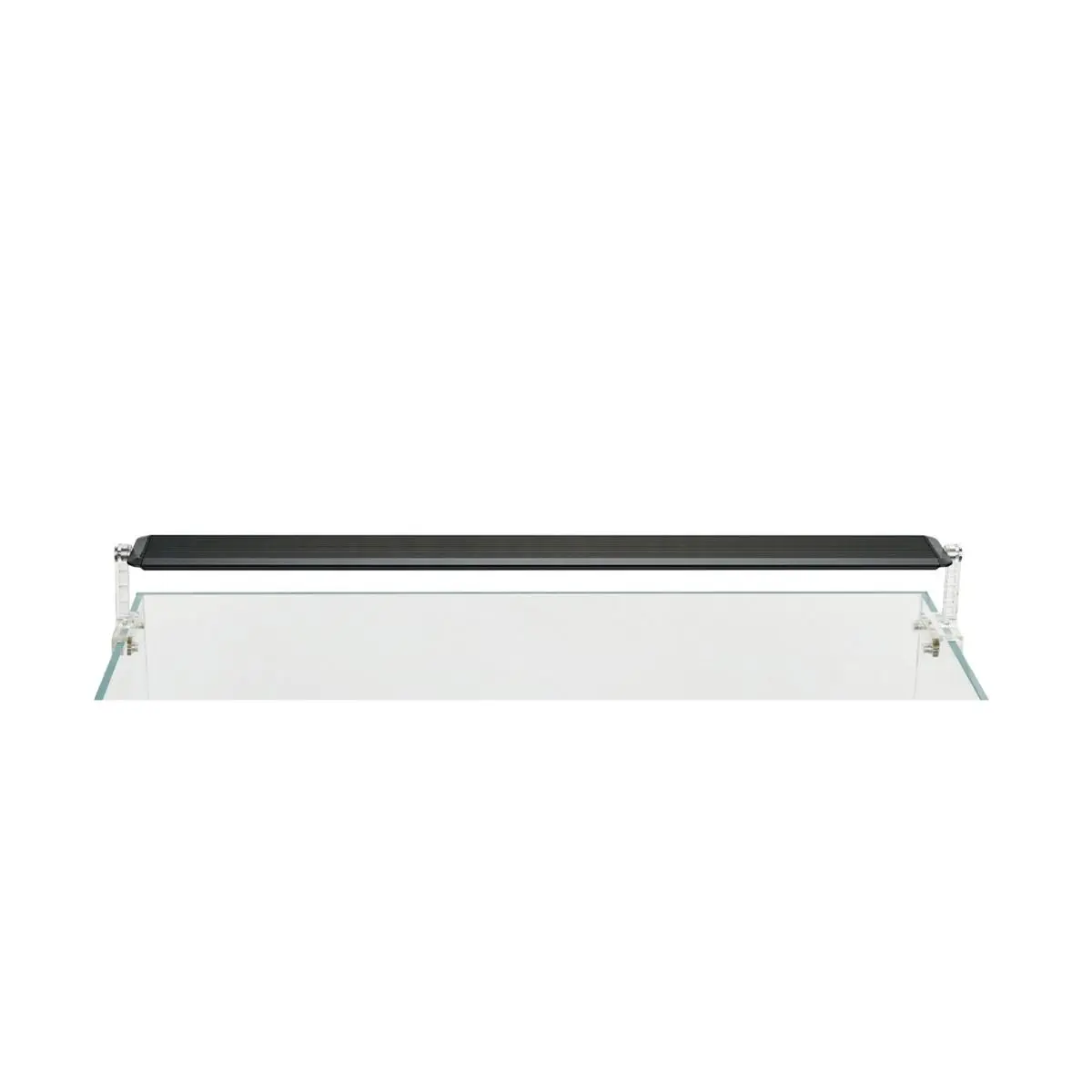
Chihiros A II 301
Chihiros
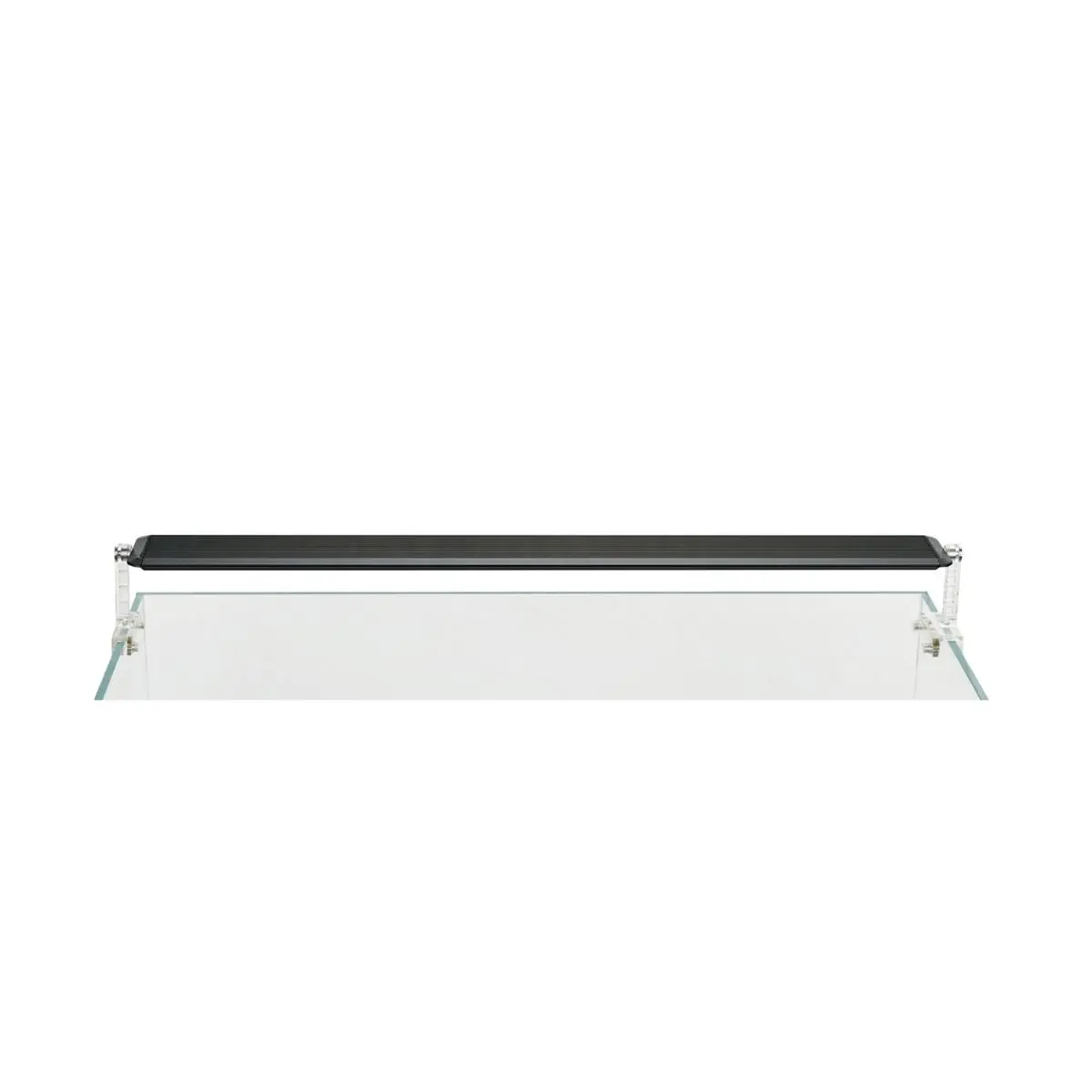
Chihiros A II 601
Chihiros
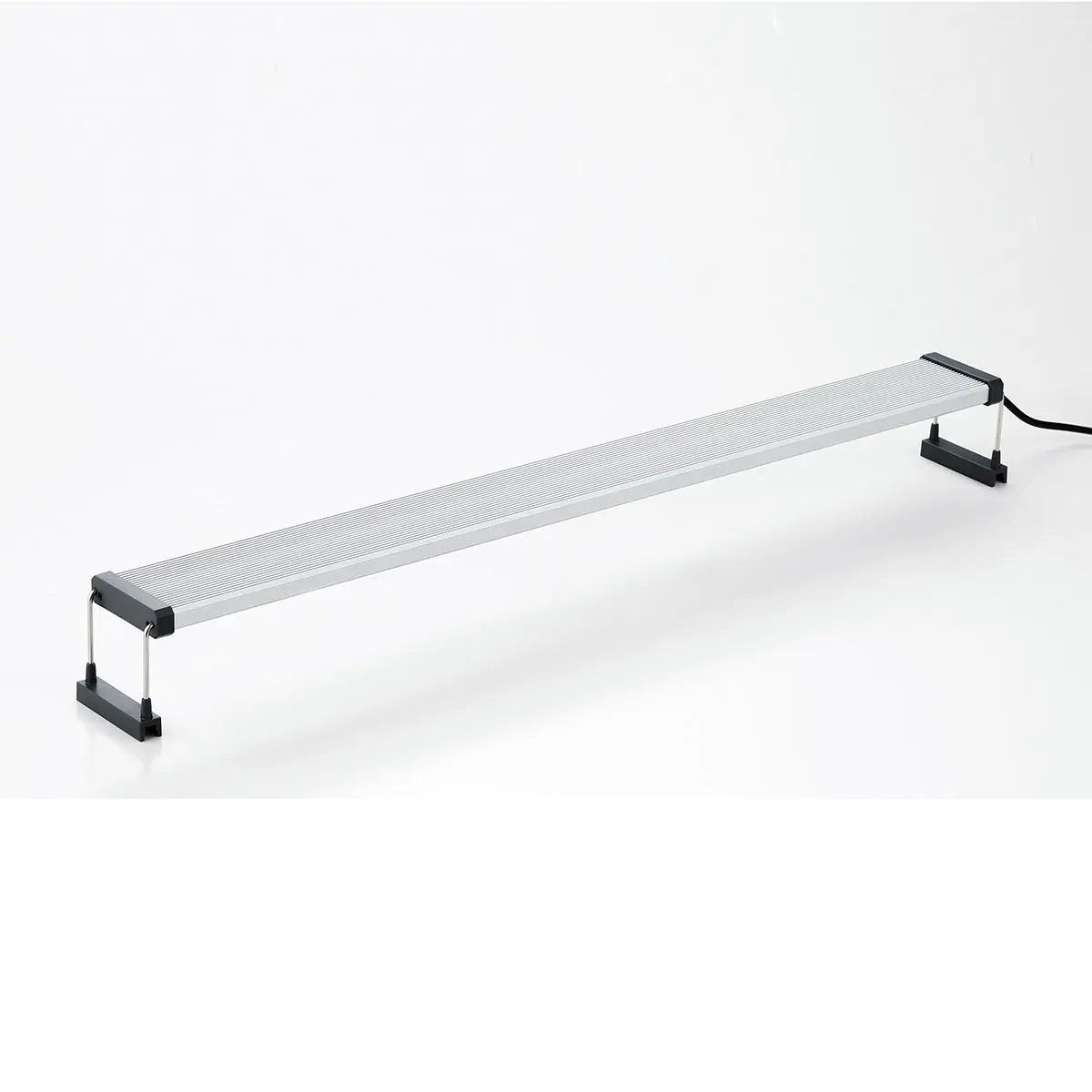
Chihiros B120
Chihiros
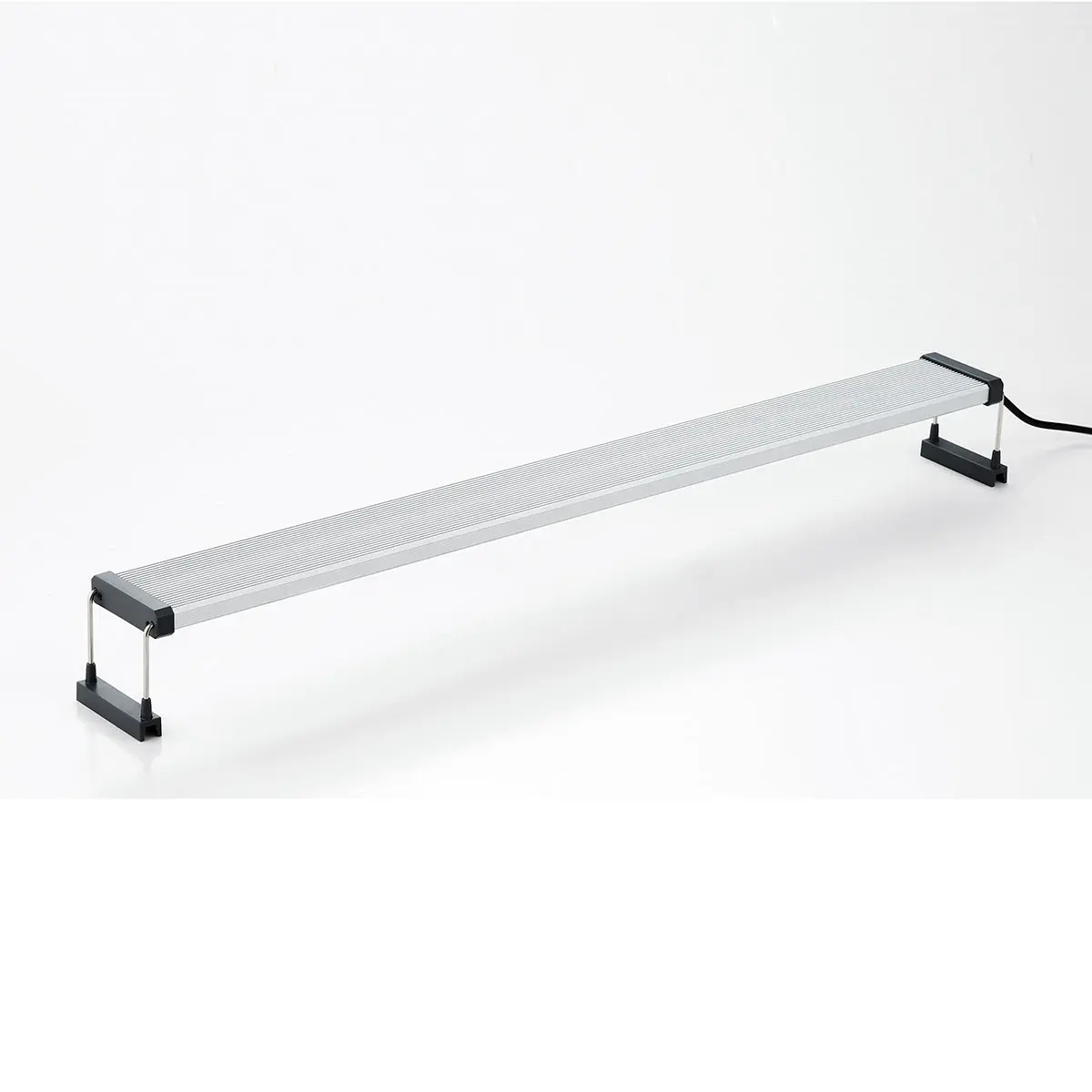
Chihiros B20
Chihiros
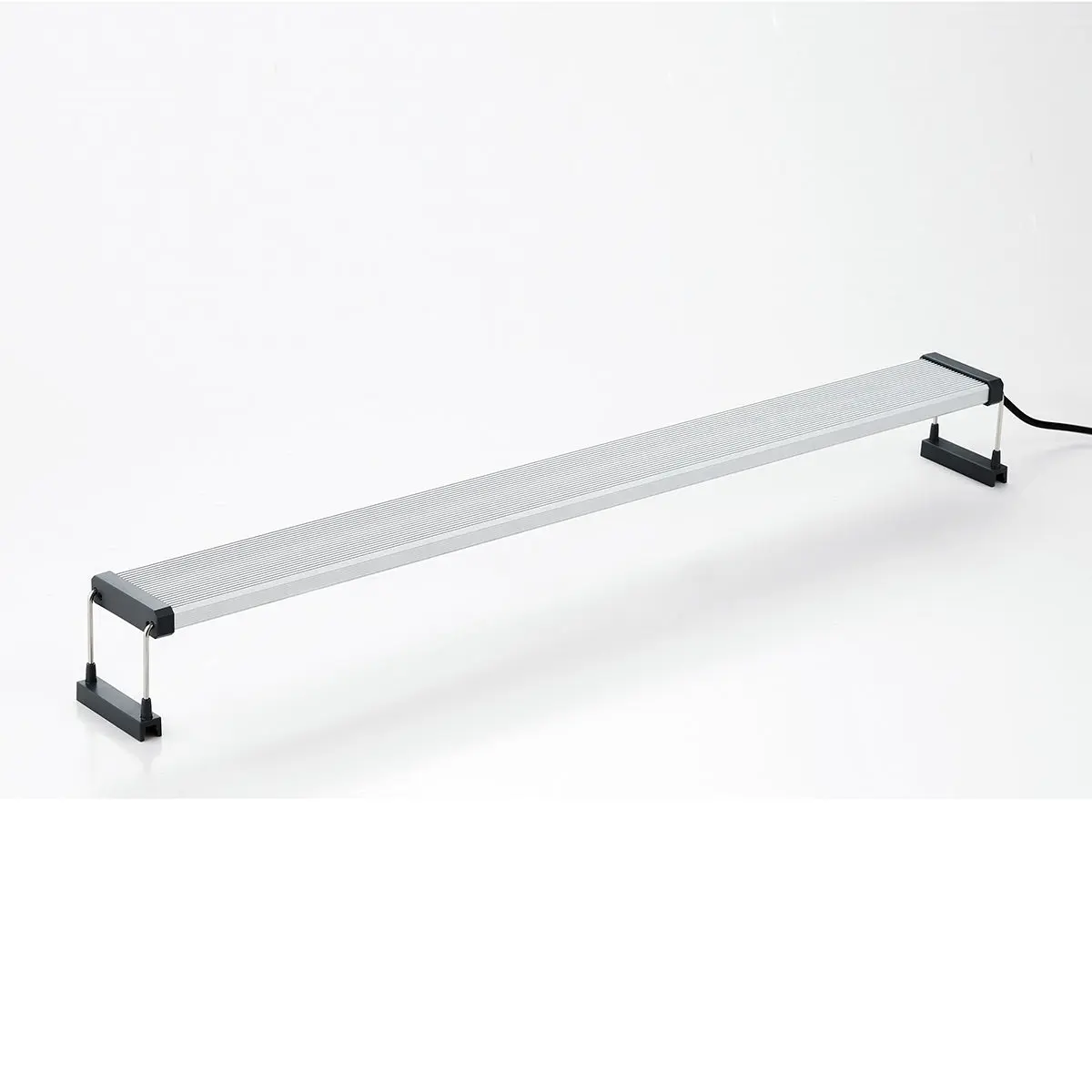
Chihiros B90
Chihiros
Chihiros Nova 1
Chihiros

Chihiros RGB Vivid 2
Chihiros
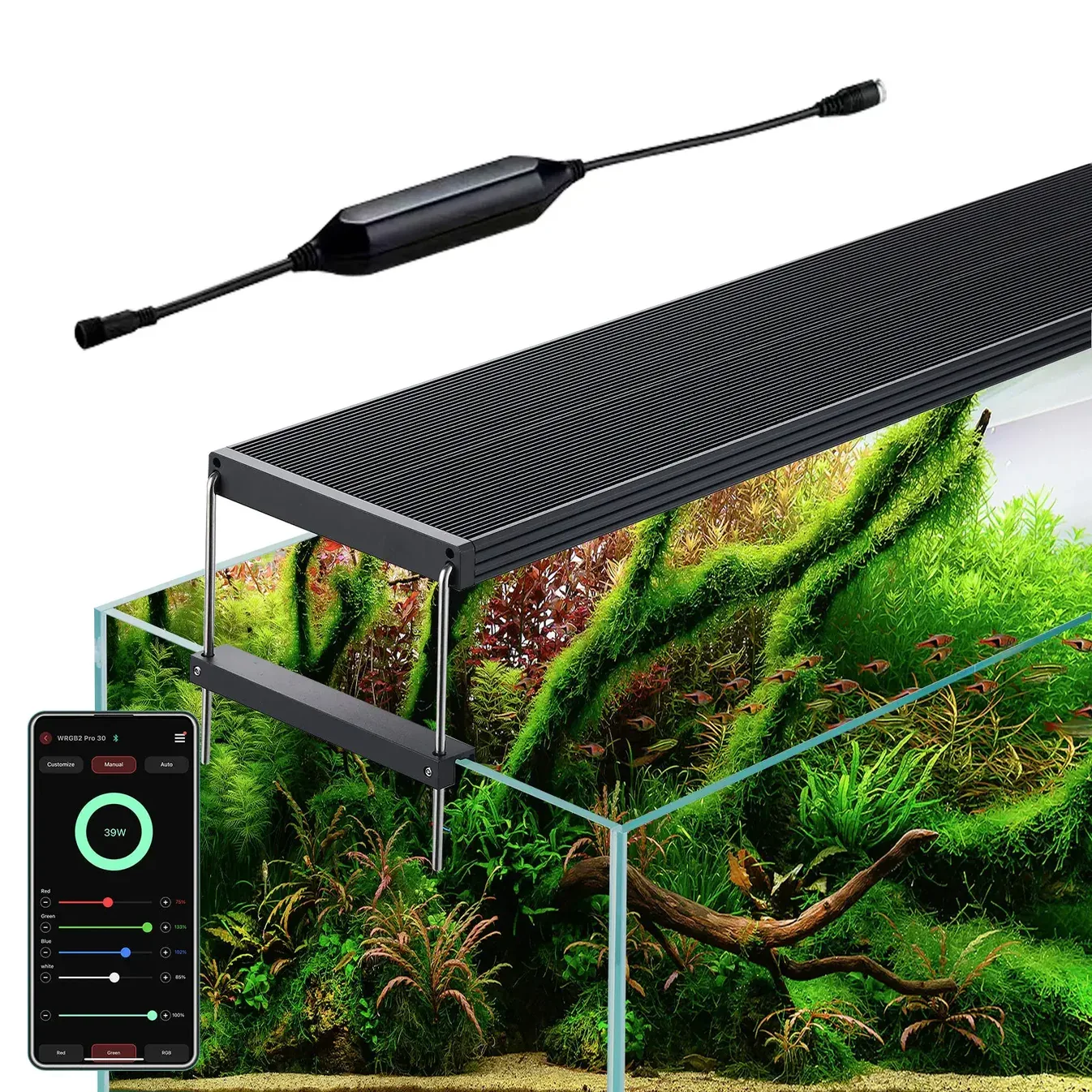
Chihiros WRGB II Pro 120
Chihiros

Chihiros WRGB II Pro 30
Chihiros
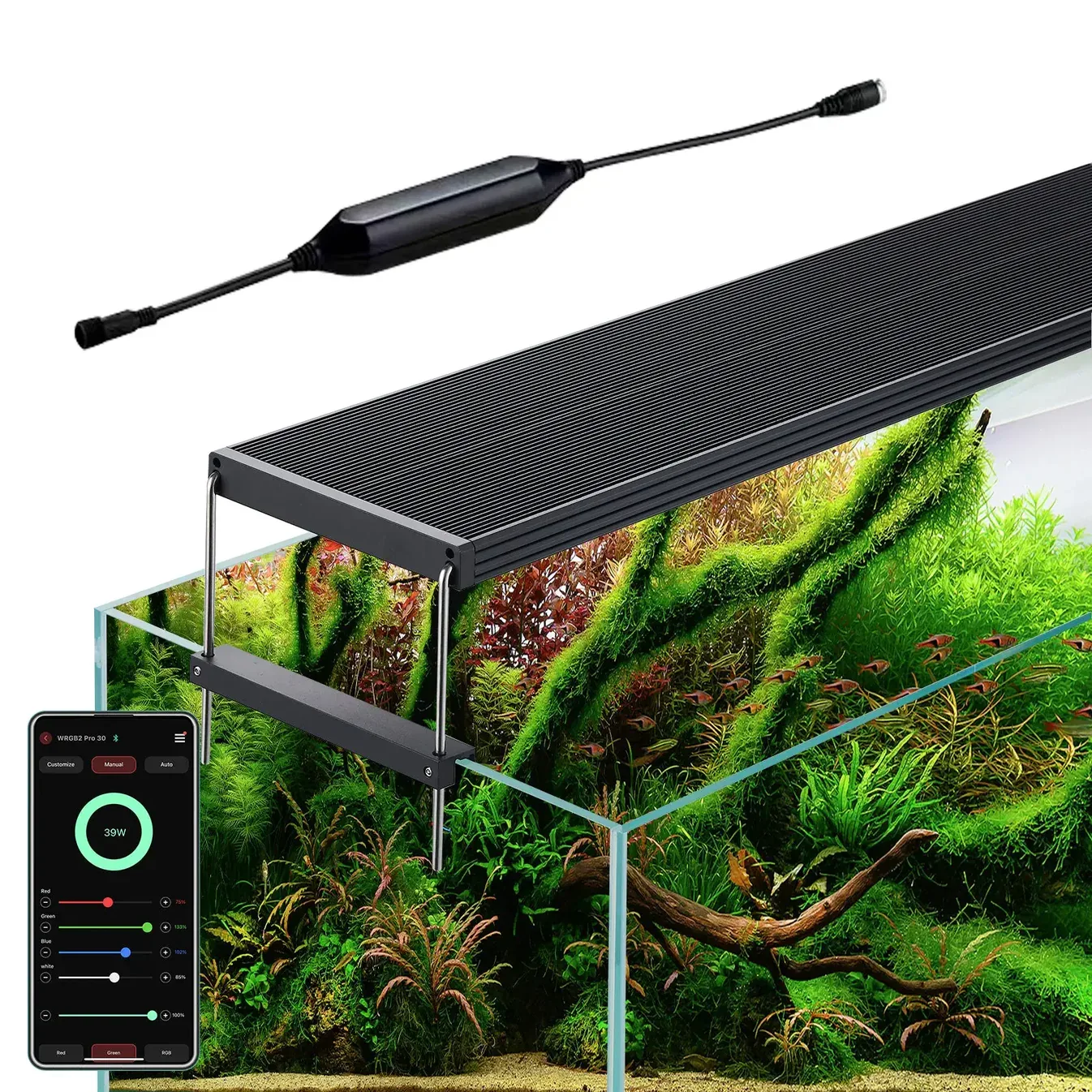
Chihiros WRGB II Pro 45
Chihiros
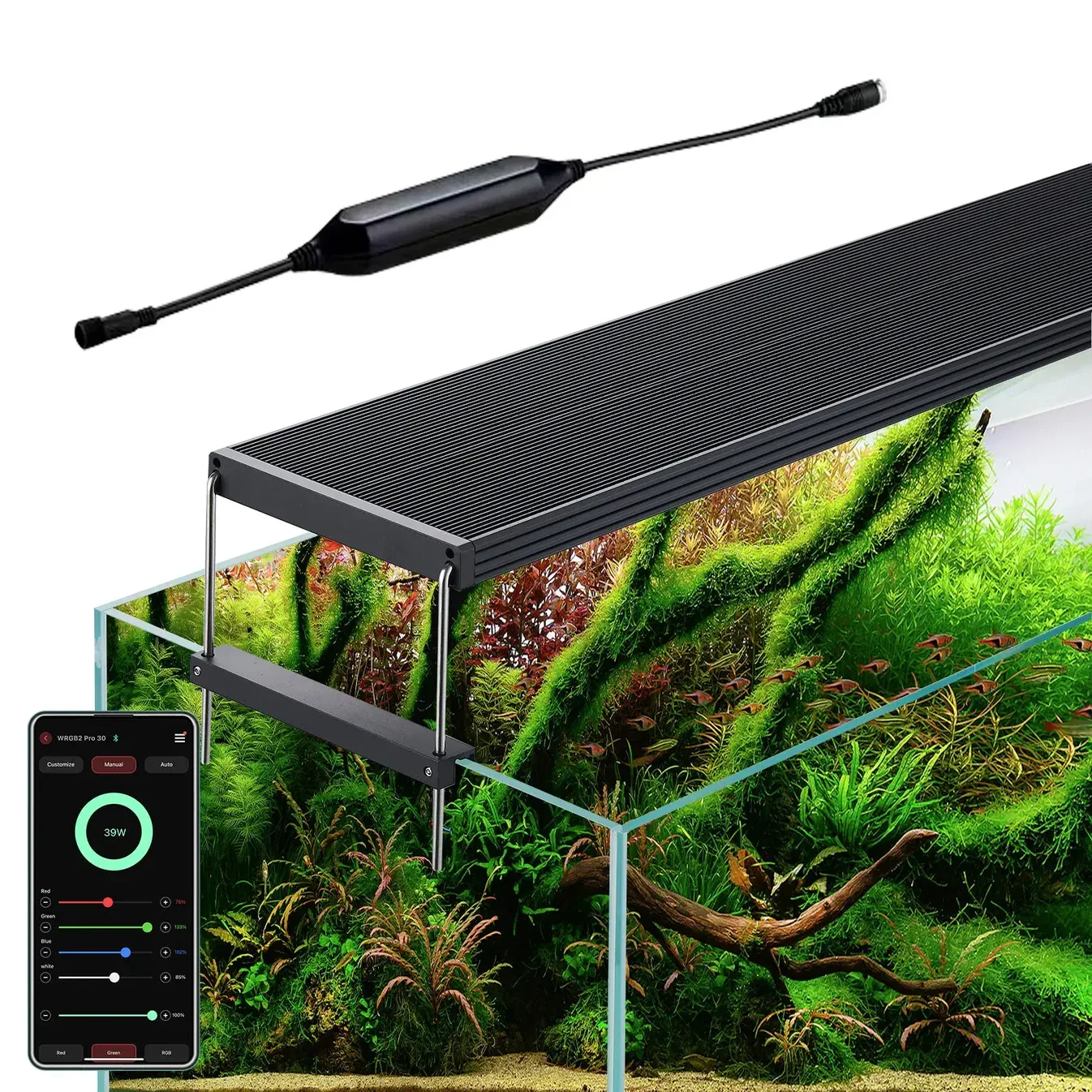
Chihiros WRGB II Pro 60
Chihiros