

Illustrative images
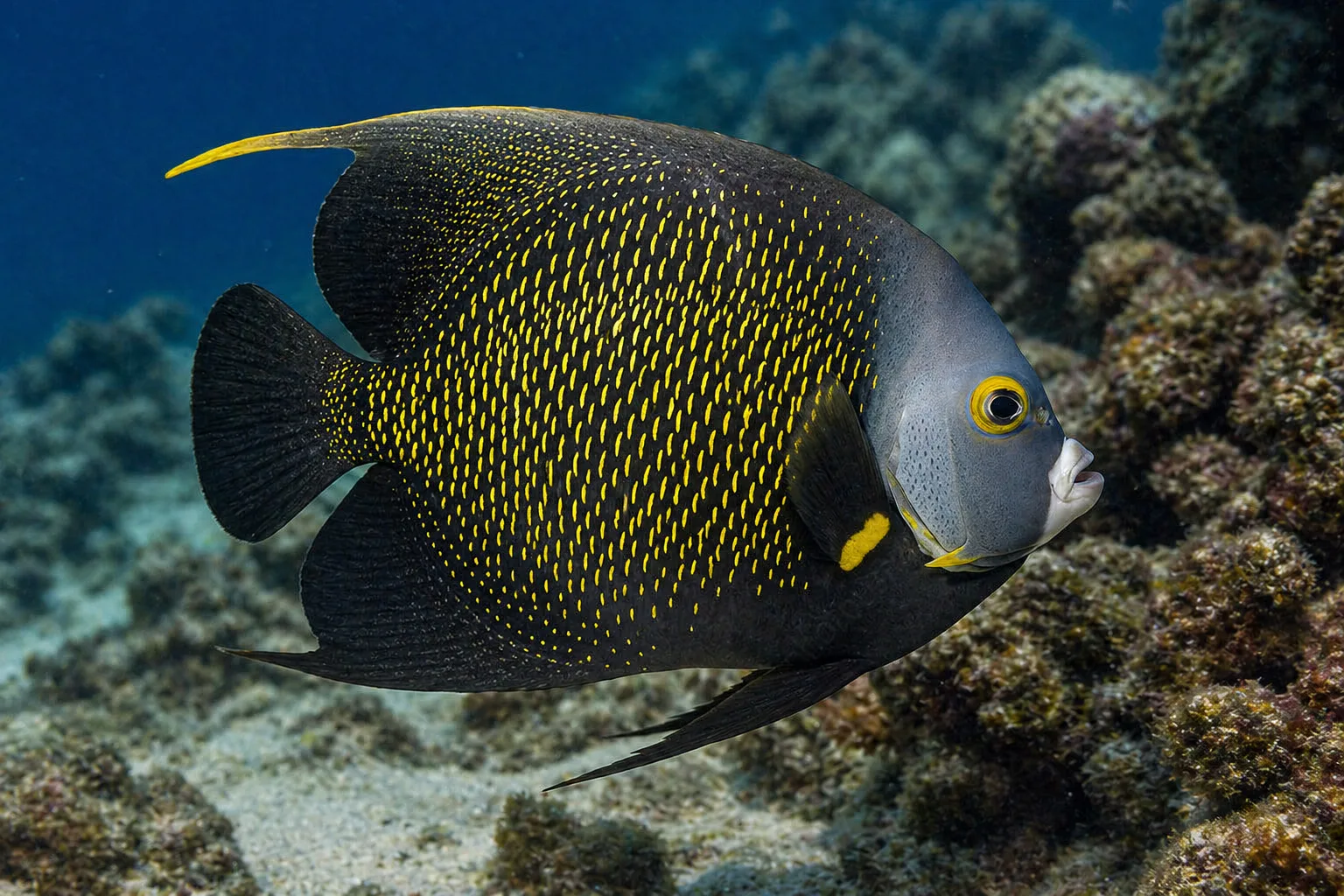
French Angelfish
Pomacanthus paru
Overview
The French Angelfish, scientifically known as Pomacanthus paru, is a striking marine species recognized for its vibrant coloration and unique body shape. This fish is popular among marine aquarium enthusiasts for its beauty and engaging behavior. Native to the warmer waters of the Atlantic Ocean, they are often found in coral reefs and rocky environments, making them a vital part of their natural ecosystem.
Natural Habitat
In the wild, French Angelfish are commonly found in shallow reefs, typically at depths of up to 30 meters. They thrive in areas rich in coral and sponges, which provide both shelter and food. Their habitat ranges from the Caribbean Sea to the southeastern coast of the United States and along the coasts of South America.
Care Requirements
Caring for French Angelfish requires specific knowledge and setup due to their size and territorial nature. Here are key elements to consider:
- Minimum Tank Size: It is recommended to have a minimum tank size of 200 liters to accommodate their swimming needs and territorial behavior.
- Water Type: French Angelfish are suited to marine tanks.
- Temperature: They thrive in water temperatures between 24°C to 28°C.
- pH Levels: A stable pH between 8.1 and 8.4 is ideal for maintaining their health.
- Lighting: Moderate to bright lighting is preferable to simulate their natural habitat.
Tank Setup
A well-planned aquarium setup is vital. Include plenty of hiding spots using rocks and corals. Live rock can help maintain stable water conditions and provide essential grazing opportunities. Make sure to leave open swimming space, as French Angelfish enjoy exploring their environment.
Compatibility
French Angelfish can be somewhat territorial, especially as they mature, so careful consideration of tank mates is essential. They do well with larger, non-aggressive fish but may harass smaller or more timid species. It's best to keep them with other fish of similar size and temperament.
Feeding
In the wild, French Angelfish are omnivorous, primarily feeding on corals, sponges, and algae. In captivity, they require a varied diet that includes high-quality flakes, pellets, and frozen or live food such as brine shrimp and spirulina. Regular feeding of a balanced diet will promote their bright coloration and overall health.
Lifespan
French Angelfish can live for 15 years or more in a well-maintained aquarium, making them a long-term commitment for aquarists.
Conclusion
The French Angelfish is a captivating species that can add beauty and interest to a marine aquarium. With proper care and attention to tank conditions, they can thrive and be a delightful addition to any experienced aquarist's collection.
How to care for French Angelfish
- 1
Set up a large tank
Provide a minimum of 250 gallons (946 liters) of water with ample swimming space and live rock for hiding and grazing.
- 2
Acclimate slowly
Introduce the French Angelfish to the tank gradually to reduce stress and allow it to adjust to the new environment.
- 3
Maintain water parameters
Keep the water temperature between 72-78°F (22-25.5°C), pH between 8.1-8.4, and salinity at 1.020-1.025 specific gravity.
- 4
Feed a balanced diet
Offer a variety of foods, including high-quality angelfish preparations, marine algae, and meaty items like brine shrimp, clams, or krill.
- 5
Monitor behavior
Observe the French Angelfish for signs of aggression, especially towards other angelfish, and ensure it has sufficient space to establish territory.
Frequently asked questions
What size tank does a French Angelfish need?▾
A French Angelfish requires a minimum tank size of 250 gallons (946 liters).
What are the ideal water parameters for a French Angelfish?▾
Maintain water temperature between 72-78°F (22-25.5°C), pH between 8.1-8.4, and salinity at 1.020-1.025 specific gravity.
What do French Angelfish eat?▾
French Angelfish are omnivores, feeding on sponges, algae, bryozoans, zoantharians, gorgonians, and tunicates in the wild. In captivity, provide a balanced diet of high-quality angelfish preparations, marine algae, and meaty items like brine shrimp, clams, or krill.
Are French Angelfish reef-safe?▾
French Angelfish are not considered reef-safe; they may nip at sessile invertebrates, including soft and stony corals, and clam mantles.
Can French Angelfish be kept with other angelfish?▾
French Angelfish can be territorial and may be aggressive towards other angelfish, especially those of similar size. It's advisable to keep them as the only angelfish in the tank.