Illustrative images
Cryptocoryne crispatula
Cryptocoryne crispatula
Overview
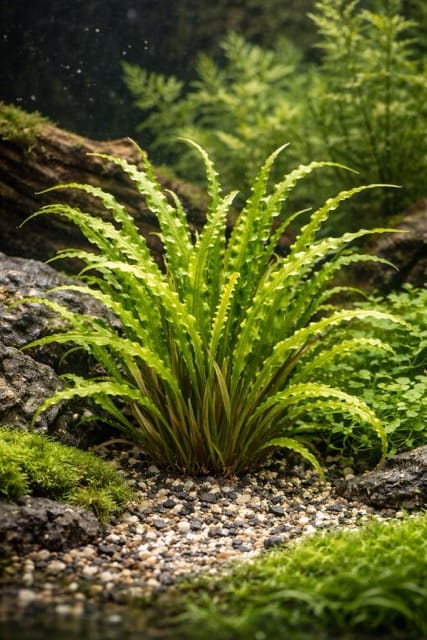
Cryptocoryne crispatula, commonly known as the Crisp Leaf Crypt, is a popular aquatic plant among aquarium enthusiasts. This plant is known for its unique, wavy leaves that can add an intriguing visual element to your aquascape. It is a hardy plant that can thrive in a variety of water conditions, making it suitable for both beginners and experienced aquarists.
Natural Habitat
In its native environment, Cryptocoryne crispatula can be found in the lowland streams and swamps of Southeast Asia, particularly in areas with slow-moving water and rich sediment. This plant naturally grows emerged in shallow water, which allows it to adapt well to both submerged and emergent situations in aquariums.
Care Requirements
Lighting
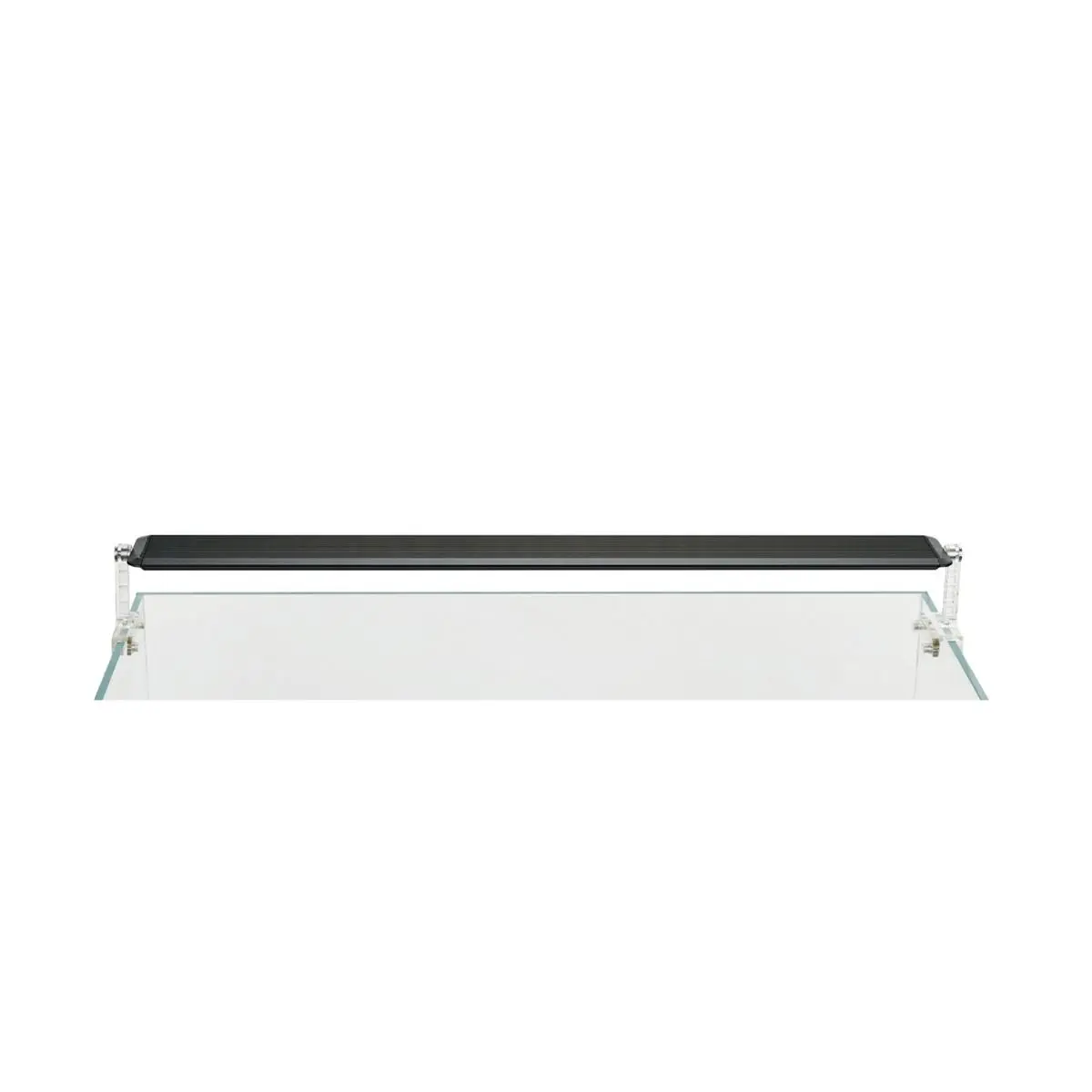
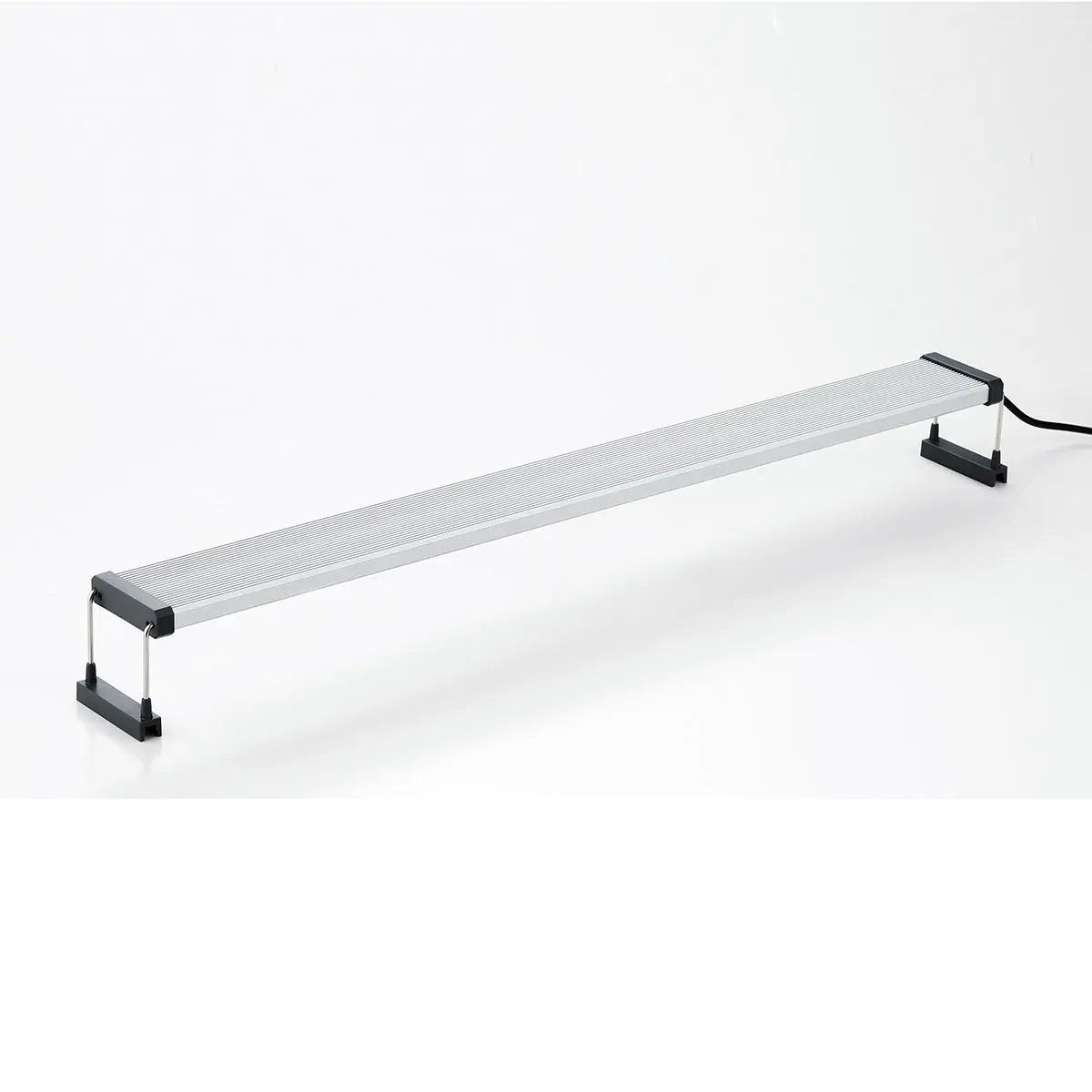
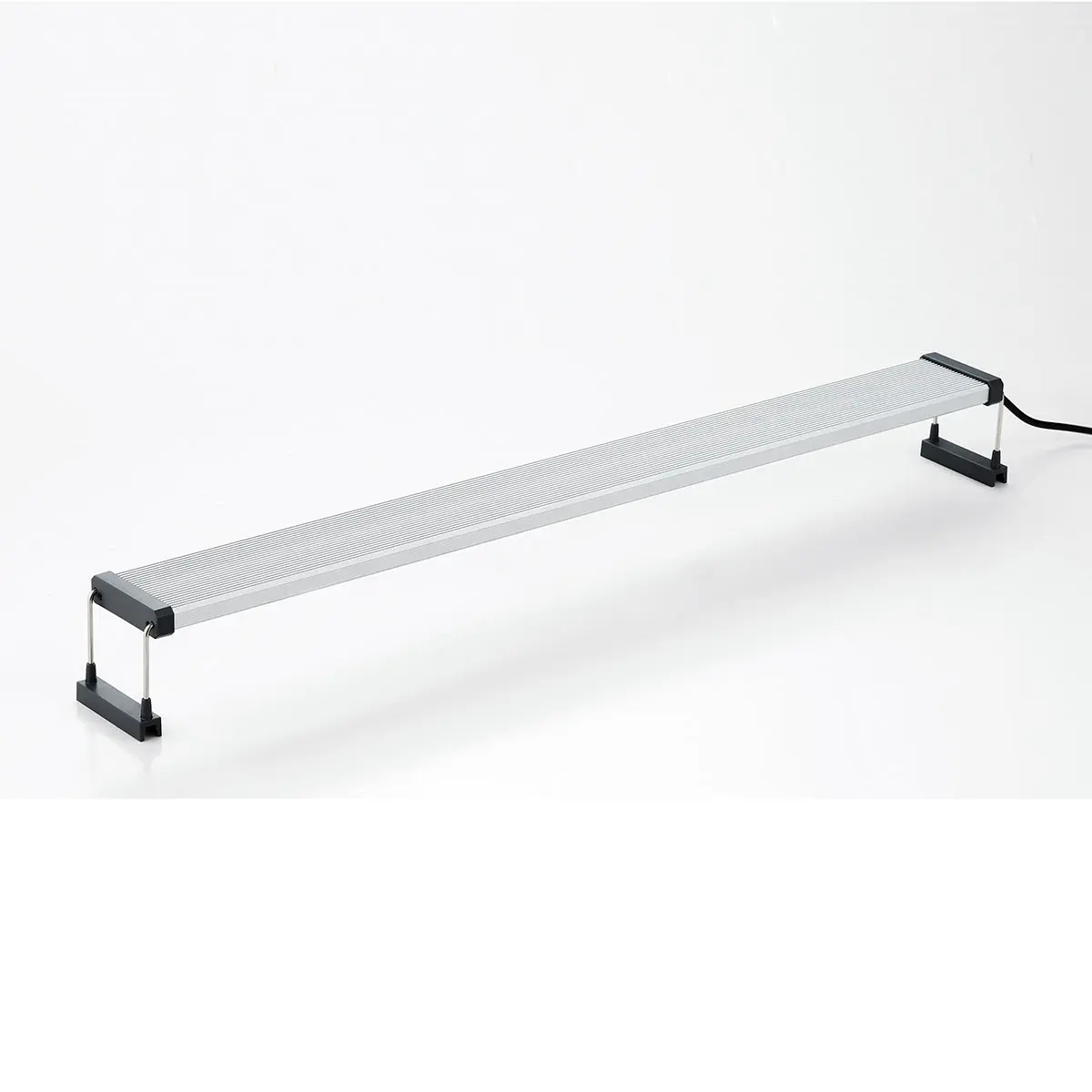
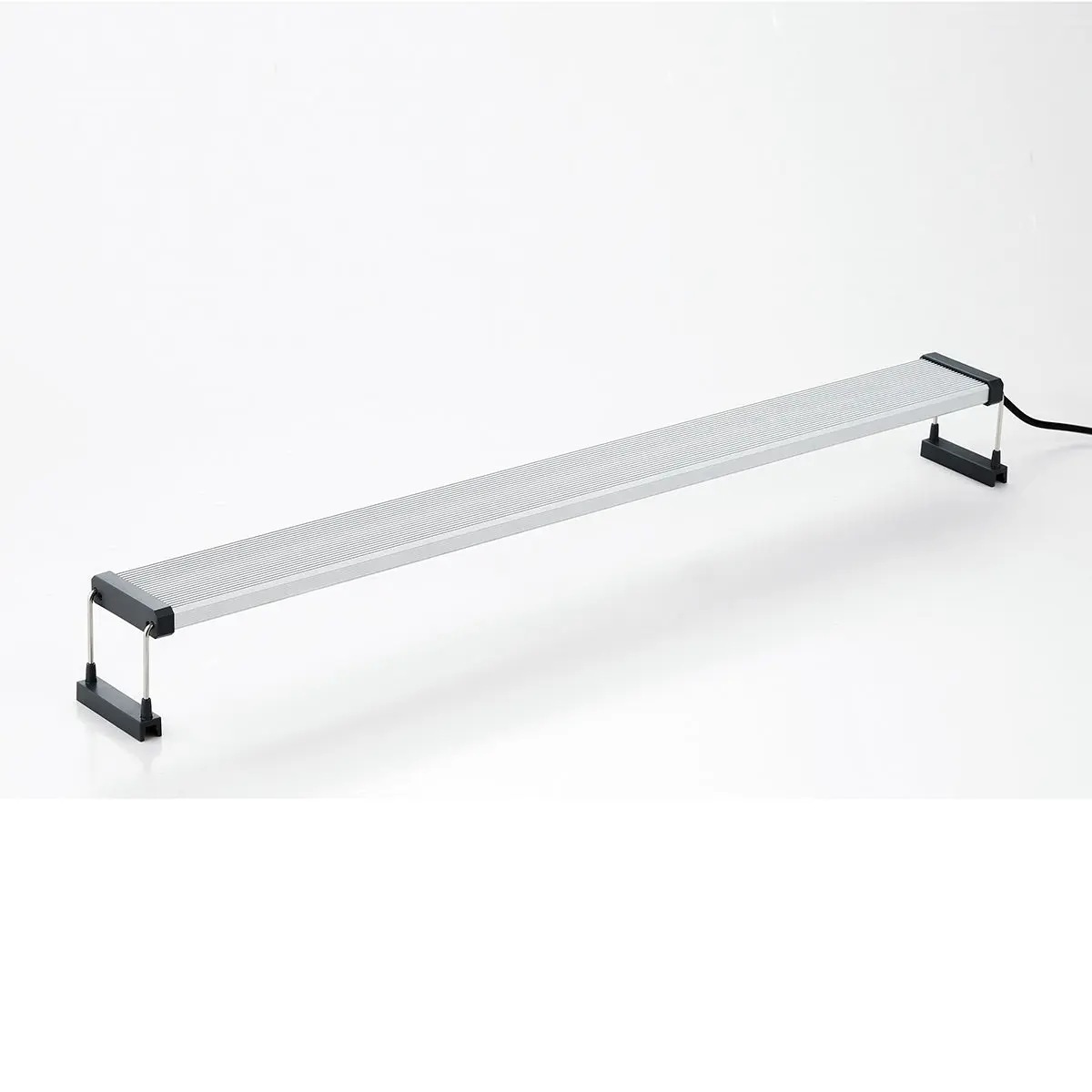
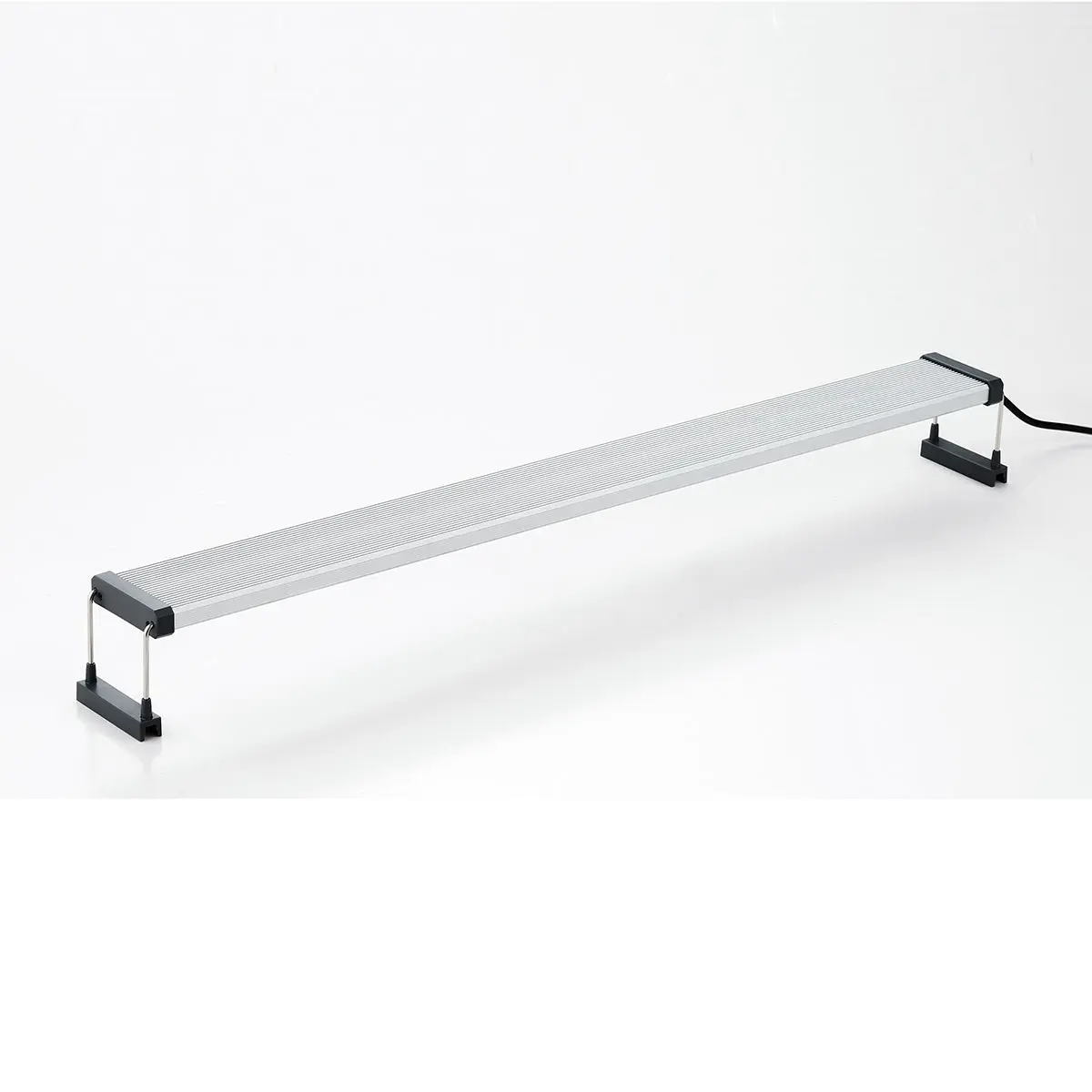
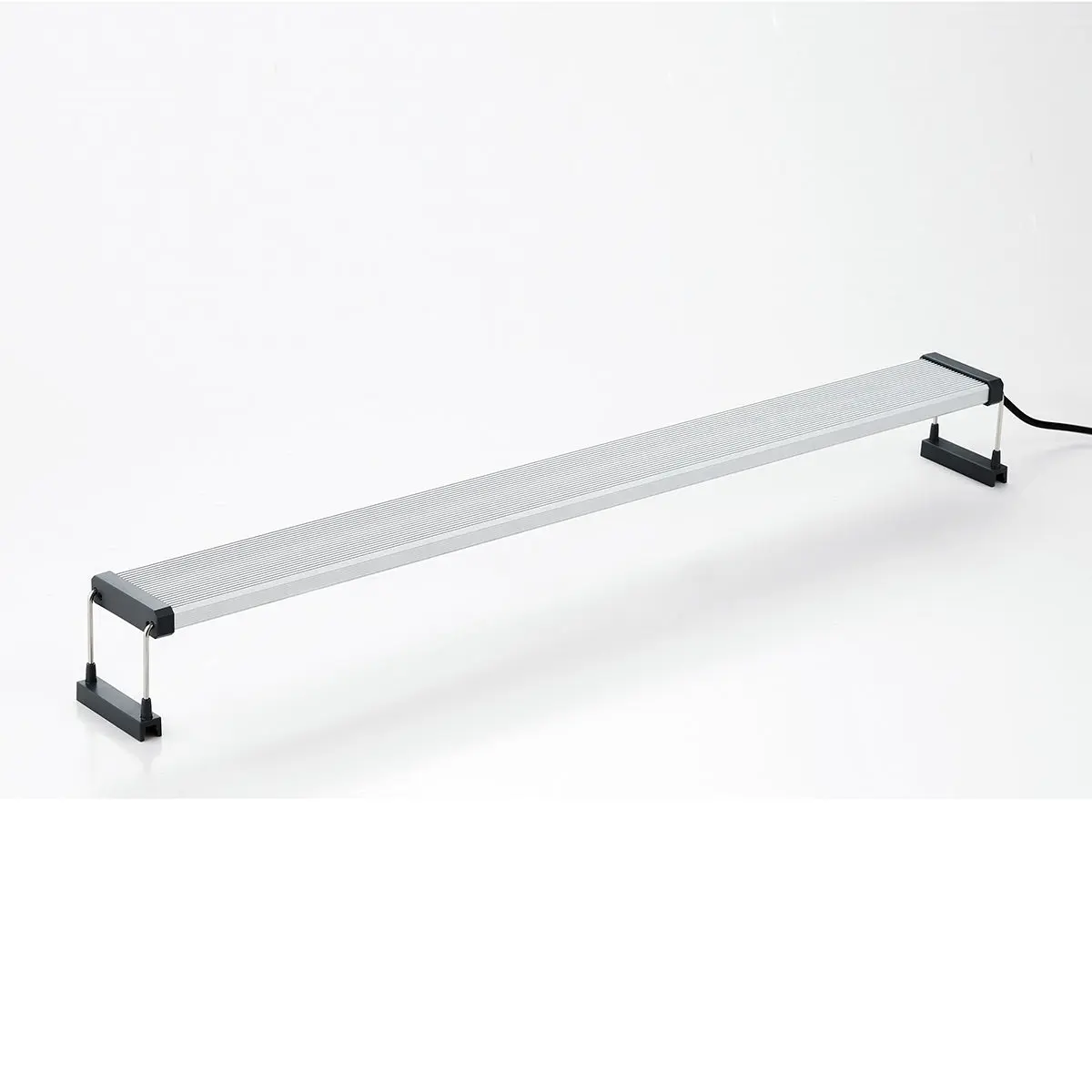
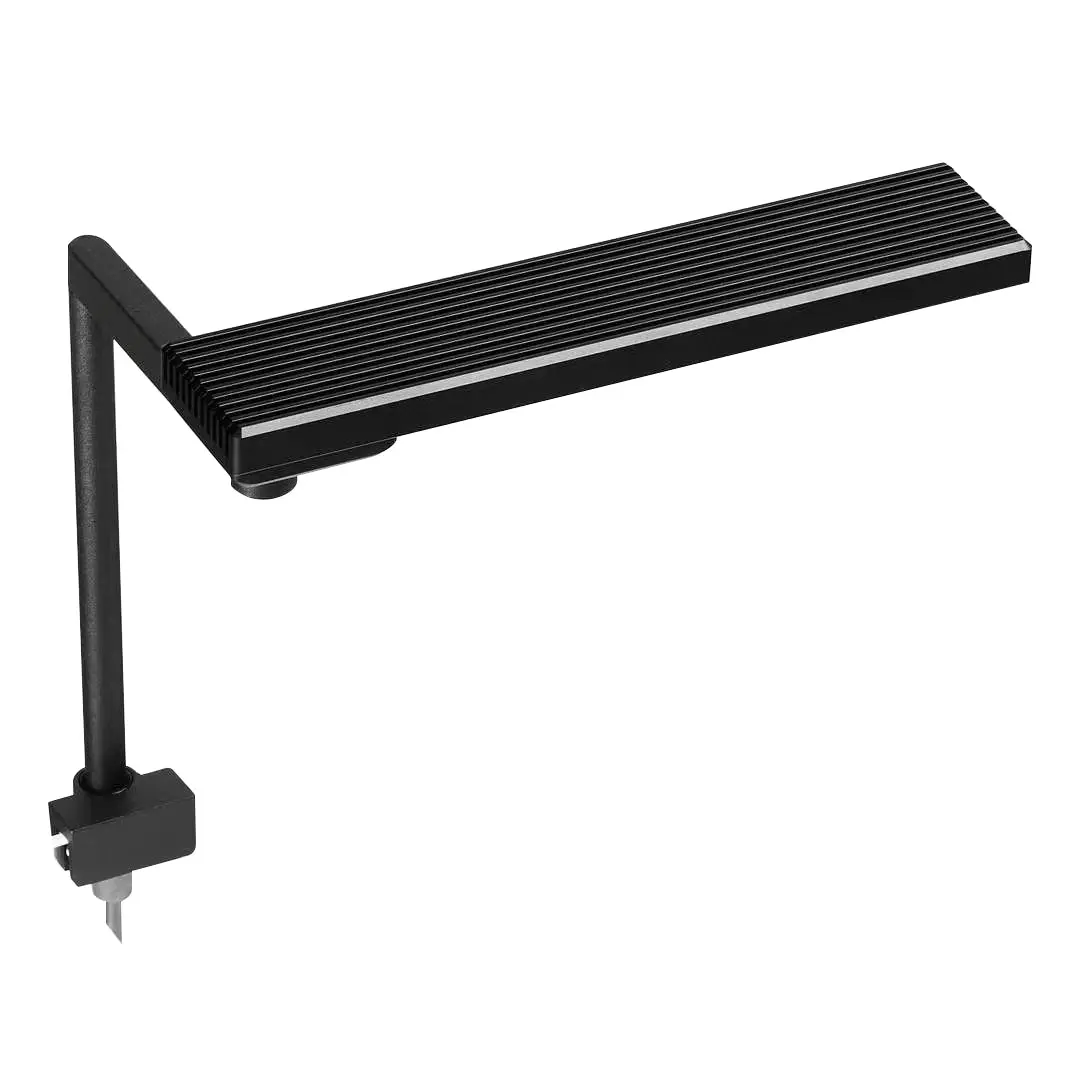
Cryptocoryne crispatula prefers low to medium lighting conditions. Excessive light may cause algae growth on its leaves, so it is better to provide a more moderate light setup, such as fluorescent or LED lights that simulate natural sunlight.
Water Parameters
This plant is adaptable to a range of water conditions, but it typically thrives best with the following parameters:
- Temperature: 22-28 °C (72-82 °F)
- pH: 6.0-7.5
- Hardness: 2-15 dGH
CO2 and Fertilization
While Cryptocoryne crispatula can grow without CO2 injection, providing CO2 can enhance growth and promote healthier leaves. Regular fertilization with a balanced liquid fertilizer will also help in keeping the plant vibrant.
Tank Setup
A well-planned aquascape is essential for the health of Cryptocoryne crispatula. This plant works well in a variety of setups, but it is best positioned in the midground or background of your aquarium. A substrate rich in nutrients is ideal as it supports the root system. Additionally, including other plants can add diversity to the environment and reduce stress on this plant.
Compatibility
Cryptocoryne crispatula is compatible with a wide range of fish and invertebrate species. It provides shelter for small fish and shrimp, making it a favored choice in community tanks. However, be cautious of aggressive species that may uproot or damage the plant.
Propagation
This plant propagates through runners, which are offshoots that develop from the parent plant and establish new plants in the substrate. Once the new plants develop their own root systems, they can be separated and planted elsewhere in the tank.
Conclusion
Overall, Cryptocoryne crispatula is an excellent choice for aquarists looking to enhance the visual appeal of their tanks with minimal maintenance. Its adaptable nature and unique leaf structure can provide a lush, natural look to your aquatic environment.
How to care for Cryptocoryne crispatula
- 1
Set up the tank
Choose a tank with a height of at least 40 cm (16 inches) to accommodate the plant's growth. Ensure the substrate is nutrient-rich to support root development.
- 2
Plant carefully
Place the rosette so the crown sits just above the substrate line. Burying the crown can lead to rot. Space individual plants 5-8 cm (2-3 inches) apart to allow for spreading.
- 3
Provide appropriate lighting
Use low to moderate lighting to prevent excessive algae growth and maintain the plant's natural coloration.
- 4
Maintain stable water parameters
Keep the water temperature between 22-30°C (72-86°F), pH between 6.0-7.5, and general hardness (GH) between 6-15 dH. Regular water changes help maintain stability.
- 5
Monitor growth and health
Watch for signs of 'crypt melt,' where leaves may dissolve into mush. This is common during acclimation and usually resolves as the plant establishes itself.
- 6
Propagate as needed
When daughter plants appear 5-15 cm (2-6 inches) from the mother plant, separate them and replant to encourage healthy growth.
Frequently asked questions
What are the ideal water parameters for Cryptocoryne crispatula?▾
Cryptocoryne crispatula thrives in water temperatures of 22-30°C (72-86°F), a pH of 6.0-7.5, and a general hardness (GH) of 6-15 dH. It can adapt to a wide range of water conditions, making it suitable for various aquariums.
How tall does Cryptocoryne crispatula grow?▾
Cryptocoryne crispatula can grow leaves that reach lengths of 20-60 cm (8-24 inches), with the rosette width ranging from 15-20 cm (6-8 inches). This makes it an excellent choice for the background of aquariums.
Does Cryptocoryne crispatula require CO2 supplementation?▾
While Cryptocoryne crispatula can grow without CO2 supplementation, adding CO2 can accelerate its growth and enhance its appearance. However, it is not strictly necessary for its survival.
What lighting conditions are best for Cryptocoryne crispatula?▾
Cryptocoryne crispatula prefers low to moderate lighting conditions. Intense lighting may cause the leaves to develop reddish-brown tones, but growth does not increase proportionally, and algae risk rises.
How do you propagate Cryptocoryne crispatula?▾
Cryptocoryne crispatula propagates through runners that extend horizontally through the substrate. Daughter plants appear 5-15 cm (2-6 inches) from the mother plant. Once established, these can be separated and replanted.
Is Cryptocoryne crispatula suitable for beginners?▾
Yes, Cryptocoryne crispatula is considered a hardy plant that adapts well to various tank conditions, making it suitable for both beginners and experienced aquarists.
Lighting that can support this plant
Suggested from plant care level and compatibility.