

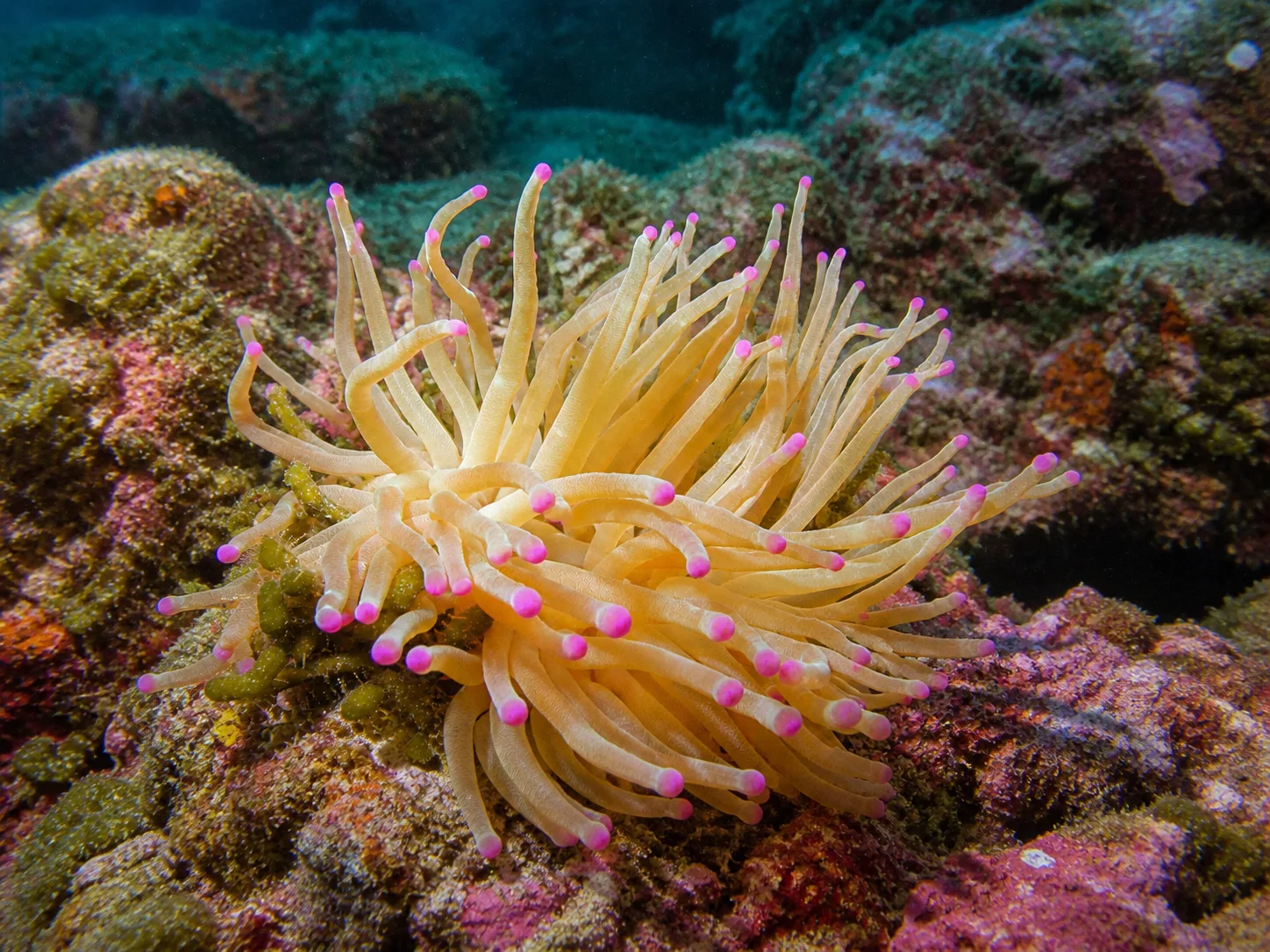
Illustrative images
Condy Anemone
Condylactis gigantea
Overview
The Condy Anemone, scientifically known as Condylactis gigantea, is a popular species among marine aquarium enthusiasts. Known for its vibrant colors and flowing tentacles, this anemone adds both beauty and movement to any reef setup. While they are often mistaken for simpler forms of marine life, they hold a unique charism in the aquarium hobby.
Natural Habitat
In the wild, Condy Anemones are typically found in the warmer waters of the Caribbean and along the eastern coast of the Americas. They thrive in sandy substrates and in areas where they can receive both light and moderate water flow. Their natural environment plays a significant role in their care in the aquarium setting.
Care Requirements
Maintaining a Condy Anemone requires specific conditions to ensure its health and longevity. Below are some key aspects of their care:
- Lighting: Condy Anemones require moderate to high lighting conditions. A well-lit aquarium helps them thrive and encourages their natural coloration.
- Water Flow: Moderate water movement is essential. An adequate flow prevents detritus buildup around the anemone and provides them with food particles.
- Water Quality: Keeping up with water quality is critical. Regular water changes and a good filtration system will help maintain optimal conditions.
Tank Setup
When setting up a tank for a Condy Anemone, consider the following:
- Minimum Tank Size: A minimum of 75 gallons is recommended for these anemones to have enough space to thrive.
- Substrate: A sandy substrate is ideal as it allows the anemone to burrow slightly for stability.
- Companionship: Many hobbyists choose to host clownfish with their Condy Anemones, as they share a symbiotic relationship. Ensure that any tank mates are compatible and that aggressive species are avoided.
Compatibility
While Condy Anemones can coexist with many species, they can sometimes exhibit aggressive behaviors toward other anemones or similar species. It’s crucial to observe their interactions closely, especially in smaller tanks. Ideal companions include:
- Clownfish
- peaceful reef fish
- hermit crabs
Feeding
Feeding the Condy Anemone typically involves providing them with a varied diet that includes:
- Marine pellets or flakes
- Chopped shrimp, fish, or other seafood
- Mysis or brine shrimp
Regular, small feedings every few days will help your anemone maintain its health and vibrancy.
Lifespan
With proper care, Condy Anemones can live for several years in captivity, providing enjoyment for tank owners.
How to care for Condy Anemone
- 1
Set up the tank
Choose a minimum 30-gallon tank with strong lighting and moderate to strong water flow. Ensure the tank is well-established with live rock to provide attachment points.
- 2
Acclimate slowly
Acclimate the Condy Anemone to your tank's water parameters over several hours to minimize stress and prevent shock.
- 3
Monitor water parameters
Regularly check and maintain water temperature between 72-78°F (22-26°C), salinity at 1.023-1.025, pH between 8.1-8.4, and alkalinity (dKH) between 8-12.
- 4
Feed appropriately
Offer a varied diet of chopped fish, mussels, shrimp, and other meaty foods every 2-3 days to ensure proper nutrition.
- 5
Select tank mates carefully
Avoid keeping small fish species that may be preyed upon. Be cautious with other invertebrates, as Condy Anemones can be aggressive.
- 6
Monitor health
Observe the anemone for signs of stress or disease, such as retraction or discoloration, and address any issues promptly.
Frequently asked questions
What are the ideal water parameters for Condy Anemones?▾
Maintain water temperature between 72-78°F (22-26°C), salinity at 1.023-1.025, pH between 8.1-8.4, and alkalinity (dKH) between 8-12. Regular water changes are essential to keep these parameters stable.
What size tank is suitable for a Condy Anemone?▾
A minimum tank size of 30 gallons (113 liters) is recommended to provide adequate space and water volume for stability.
Can Condy Anemones host clownfish?▾
Unlike some other anemone species, Condy Anemones do not typically form symbiotic relationships with clownfish. They are more likely to host cleaner shrimp and small fish species.
How do Condy Anemones reproduce?▾
Condy Anemones reproduce sexually by releasing eggs and sperm into the water column, leading to external fertilization. They can also reproduce asexually through pedal laceration, where pieces of the base detach and develop into new individuals.
What is the feeding behavior of Condy Anemones?▾
Condy Anemones are carnivorous, feeding on fish, mussels, shrimp, and other similar organisms. They use their stinging cells to capture prey, which is then ingested whole.
Are Condy Anemones reef-safe?▾
Condy Anemones are semi-aggressive and can sting nearby corals and other anemones, potentially causing harm. Caution is advised when keeping them in reef tanks.