

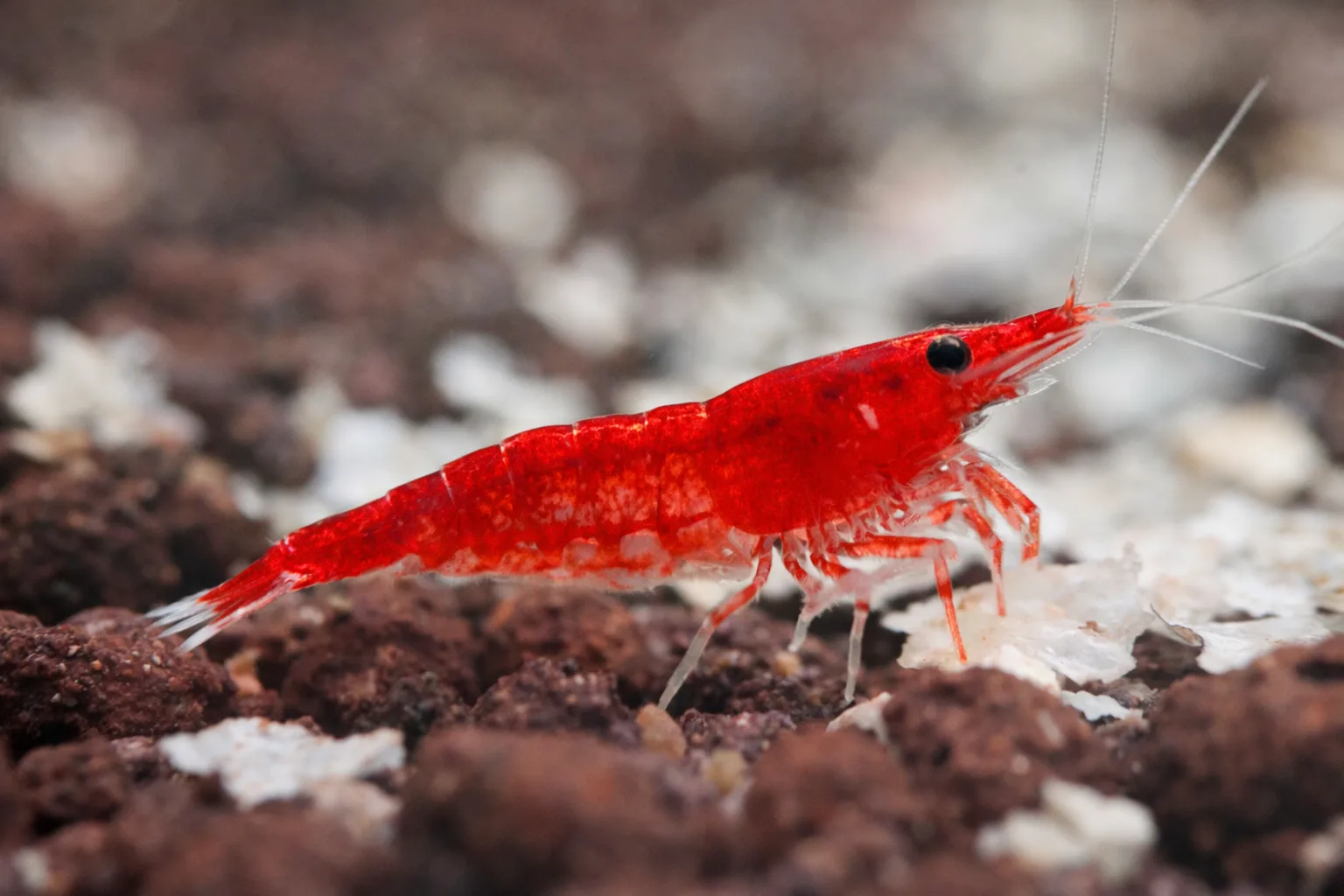
Illustrative images
Cherry Shrimp
Neocaridina davidi
Overview
The Cherry Shrimp, scientifically known as Neocaridina davidi, is a popular choice among freshwater aquarists. Known for their vibrant red coloration, these shrimps add both beauty and functionality to an aquarium. They are not only visually appealing but also serve as natural algae cleaners, making them ideal for maintaining a healthy tank environment.
Natural Habitat
Cherry Shrimp originate from the rivers and streams of Taiwan. They thrive in slow-moving waters with plenty of vegetation. This natural habitat provides them with both food sources and protection from predators. Mimicking these conditions in an aquarium helps keep them healthy.
Care Requirements
Cherry Shrimp are considered to be easy to care for, making them suitable for beginners. They can adapt to various water conditions, but optimal care includes stable water parameters, clean conditions, and suitable tank mates. A well-planted tank with hiding spots improves their quality of life.
Tank Setup
A tank size of at least 10 gallons is recommended for Cherry Shrimp. Ensure good filtration and perform regular water changes to maintain water quality. Temperatures should be kept between 20-26°C (68-79°F). Use a substrate that allows for plant growth and provides a suitable environment for the shrimp to forage.
Compatibility
Cherry Shrimp are generally peaceful and can be kept with many other fish and invertebrates. However, avoid larger, aggressive species that may view them as food. Ideal tank mates include small fish species, snails, and other peaceful invertebrates.
Feeding and Nutrition
In their natural habitat, Cherry Shrimp are scavengers, feeding on algae, decaying plant matter, and biofilm. In an aquarium, they can be fed a varied diet that includes specially formulated shrimp pellets, blanched vegetables, and algae wafers. It’s important not to overfeed, as uneaten food can deteriorate water quality.
Conclusion
Overall, Cherry Shrimp make an excellent addition to any freshwater aquarium. They are easy to care for, serve as natural algae eaters, and provide a pop of color. As long as their basic care requirements are met, they can thrive and breed in a well-maintained tank.
How to care for Cherry Shrimp
- 1
Set up the tank
Choose a tank of at least 5 gallons (19 liters) with a gentle filter to prevent shrimp from being sucked in. Use an inert substrate like sand or fine gravel.
- 2
Acclimate slowly
Acclimate Cherry Shrimp to the tank water by floating the bag in the aquarium for 15-20 minutes, then gradually mix tank water into the bag over an hour before releasing them.
- 3
Maintain water parameters
Keep water temperature between 65°F and 80°F (18°C to 27°C), pH between 6.5 and 8.0, and hardness (GH) between 4 and 8 dGH. Regularly test water parameters to ensure stability.
- 4
Provide hiding spots
Add live plants, moss, and decorations to offer hiding spots and surfaces for biofilm growth, which serves as a natural food source.
- 5
Feed appropriately
Offer a balanced diet of high-quality shrimp pellets, blanched vegetables, and occasional algae wafers. Feed small amounts 2-3 times a week to prevent overfeeding.
- 6
Monitor health
Regularly observe shrimp for signs of stress or disease, such as discoloration or lethargy. Perform regular water changes to maintain water quality.
Frequently asked questions
What water temperature is ideal for Cherry Shrimp?▾
Cherry Shrimp thrive in water temperatures between 65°F and 80°F (18°C to 27°C).
What pH level do Cherry Shrimp prefer?▾
Cherry Shrimp prefer a pH range of 6.5 to 8.0. Stability is more important than exact values within this range.
What is the minimum tank size for Cherry Shrimp?▾
A minimum tank size of 5 gallons (19 liters) is recommended for Cherry Shrimp to ensure stability and adequate space.
What do Cherry Shrimp eat?▾
Cherry Shrimp are omnivorous and feed on algae, biofilm, and detritus. They can also be offered high-quality shrimp pellets and blanched vegetables.
Can Cherry Shrimp live with fish?▾
Cherry Shrimp can live with small, peaceful fish that won't prey on them. Avoid larger or aggressive fish that may harm the shrimp.