Illustrative images
Bucephalandra sp. 'Red'
Bucephalandra sp. 'Red'
Overview
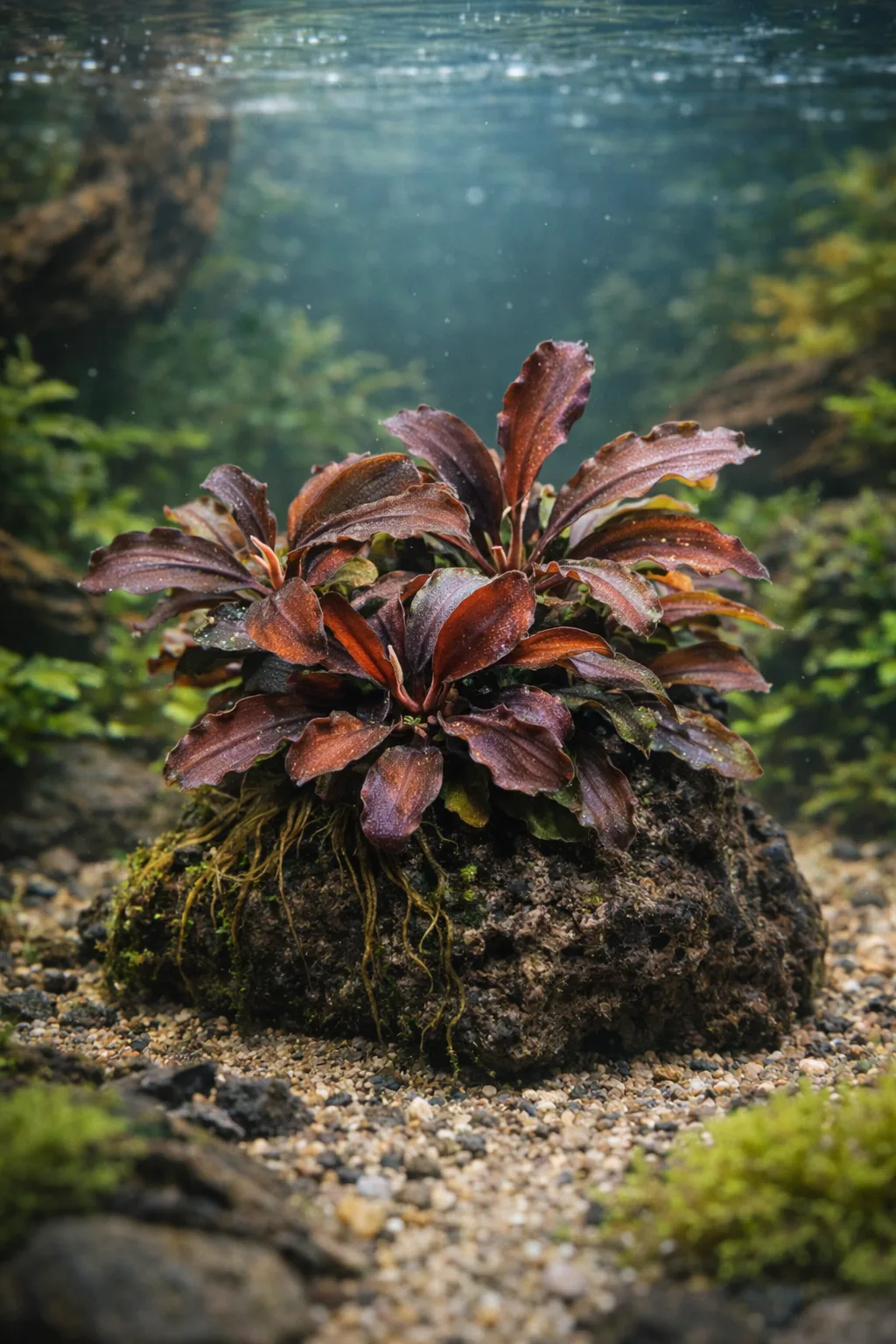
Bucephalandra sp. 'Red' is a popular aquatic plant among aquarium enthusiasts due to its vibrant red coloration and unique leaf structure. This plant is part of the Bucephalandra genus, which is known for its hardy nature and ability to thrive in various aquatic environments.
Natural Habitat
This species is native to the darker, slow-moving waters of Borneo, where it typically grows attached to rocks or as an epiphyte in nature. The low light conditions found in its natural habitat influence its growth and coloration, making it well-suited for low to moderate light aquarium setups.
Care Requirements
Bucephalandra sp. 'Red' is considered an easy to medium care plant, making it suitable for both beginner and experienced aquarists. Here are some key care parameters:
- Light: Prefers low to moderate light. High light may lead to unwanted algae growth and stress.
- Water Conditions: Thrives in stable water parameters. Ideal pH ranges from 6.0 to 7.5. Maintain temperatures between 22°C to 28°C (72°F to 82°F).
- Substrate: Can be planted in substrate but often does better when attached to rocks or driftwood.
- Water Movement: Enjoys gentle water movement, which helps transport nutrients and prevent detritus buildup around its base.
- Fertilization: While not absolutely necessary, a low dose of liquid fertilizer can enhance growth and color.
Tank Setup
When setting up a tank for Bucephalandra sp. 'Red', consider the following:
- Placement: Best suited for the midground of the aquascape, where its colors can stand out against the backdrop of green plants.
- Companions: Pairs well with other slow-growing plants and small fish species that do not disturb its delicate leaves.
- Lighting: Position the plant in areas of the tank that receive scattered or indirect light to mimic its natural habitat.
Compatibility
Bucephalandra sp. 'Red' is generally compatible with a wide variety of tank mates, including small schooling fish, shrimp, and other peaceful species. Care should be taken to avoid larger or aggressive fish that may uproot or damage the plant.
Feeding and CO2 Requirements
This plant does not have a high CO2 demand, but adding CO2 can promote better growth and leaf development. If you choose to inject CO2, maintain moderate levels to avoid excessive rapid growth, which may be challenging to manage in smaller tanks.
Propagation
Propagation of Bucephalandra sp. 'Red' is typically achieved through rhizome division. When the plant grows larger, you can carefully separate sections of the rhizome and replant them in your aquarium.
How to care for Bucephalandra sp. 'Red'
- 1
Prepare the tank
Set up your aquarium with a substrate suitable for epiphytic plants, such as nutrient-rich soil or inert gravel. Ensure the tank has rocks or wood to attach the plant.
- 2
Attach the plant
Secure the Bucephalandra sp. 'Red' rhizome to the hardscape using fishing line or aquarium-safe glue, ensuring the rhizome is not buried to prevent rot.
- 3
Adjust lighting
Provide low to moderate lighting to maintain the plant's red coloration and prevent excessive algae growth.
- 4
Maintain water parameters
Keep the water temperature between 22-28°C, pH between 6.0-7.5, and hardness between 0-30°dH. Regularly monitor these parameters to ensure optimal conditions.
- 5
Supplement CO₂
While not essential, adding CO₂ can promote healthier growth and more vibrant coloration.
- 6
Monitor growth
Observe the plant for signs of stress, such as yellowing leaves or stunted growth, and adjust care routines as needed.
Frequently asked questions
What are the ideal water parameters for Bucephalandra sp. 'Red'?▾
Bucephalandra sp. 'Red' thrives in water with a pH of 6.0-7.5, a temperature range of 22-28°C, and a hardness of 0-30°dH. It prefers slightly acidic to neutral conditions.
How should I plant Bucephalandra sp. 'Red' in my aquarium?▾
Attach Bucephalandra sp. 'Red' to rocks or wood using fishing line or glue, ensuring the rhizome is not buried to prevent rot.
What lighting conditions are best for Bucephalandra sp. 'Red'?▾
This plant prefers low to moderate lighting; intense light can intensify its red coloration, while low light may result in a dark green appearance.
Does Bucephalandra sp. 'Red' require CO₂ supplementation?▾
While Bucephalandra sp. 'Red' can grow without additional CO₂, supplementation can enhance its growth and coloration.
What is the growth rate of Bucephalandra sp. 'Red'?▾
Bucephalandra sp. 'Red' has a slow growth rate, making it suitable for aquariums where minimal maintenance is desired.
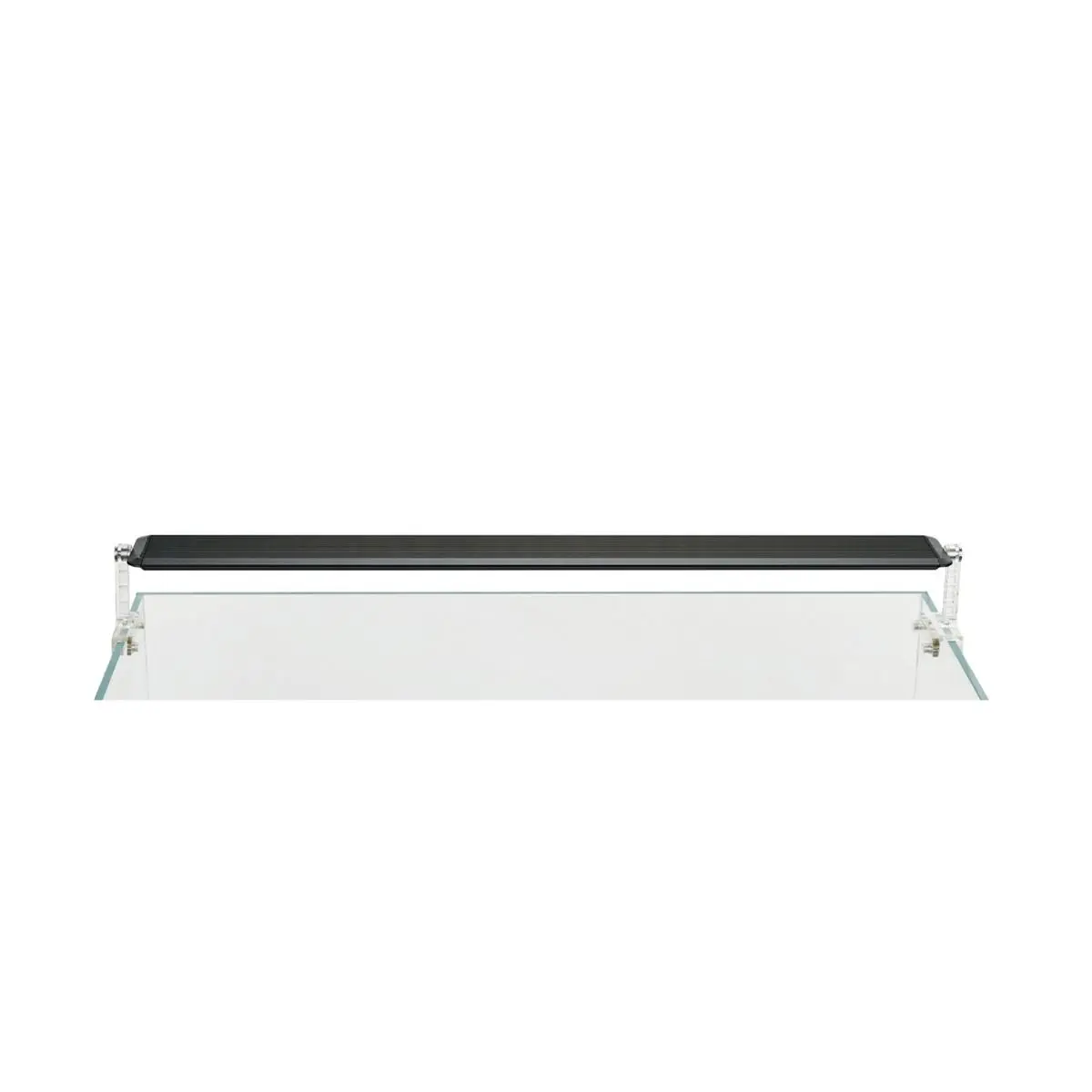
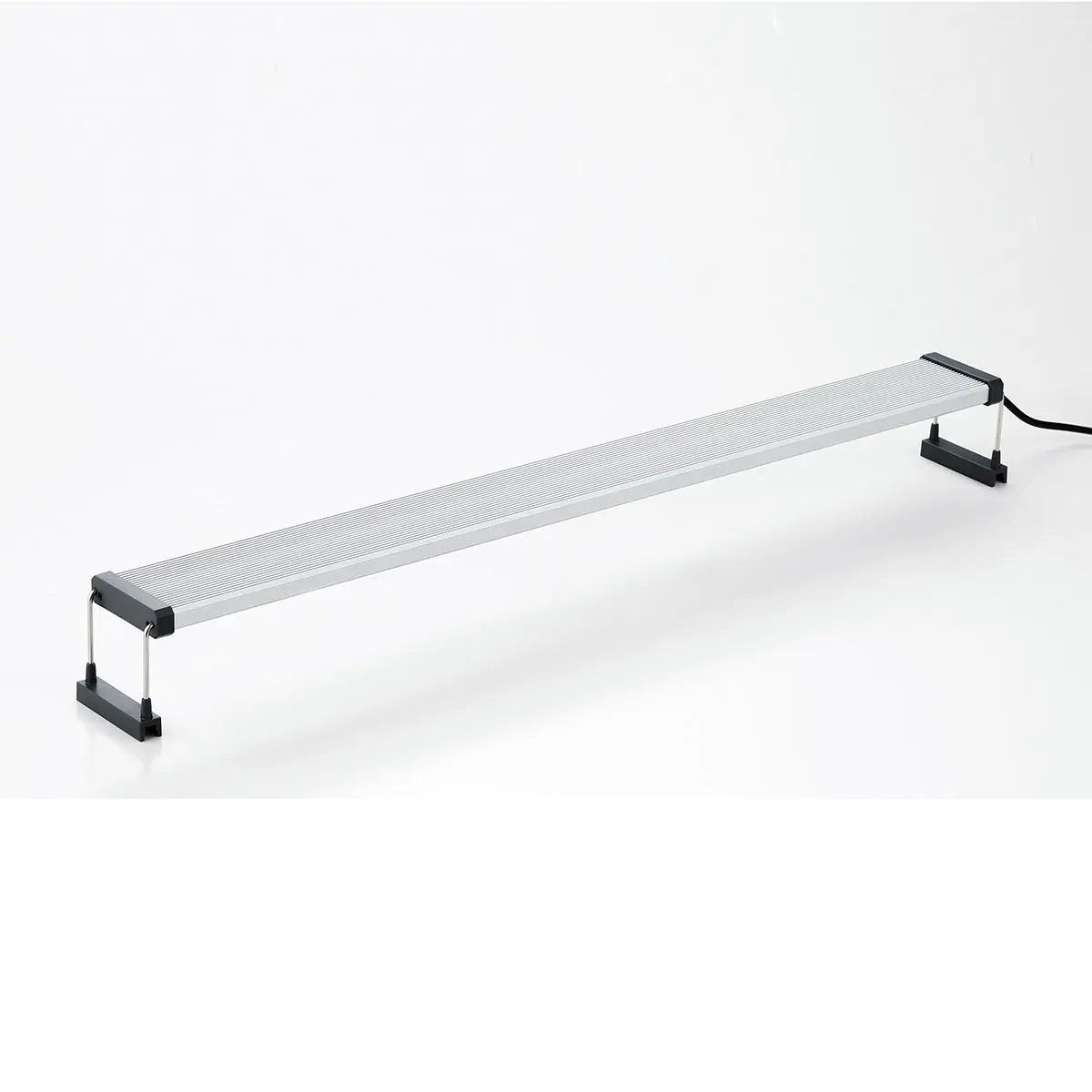
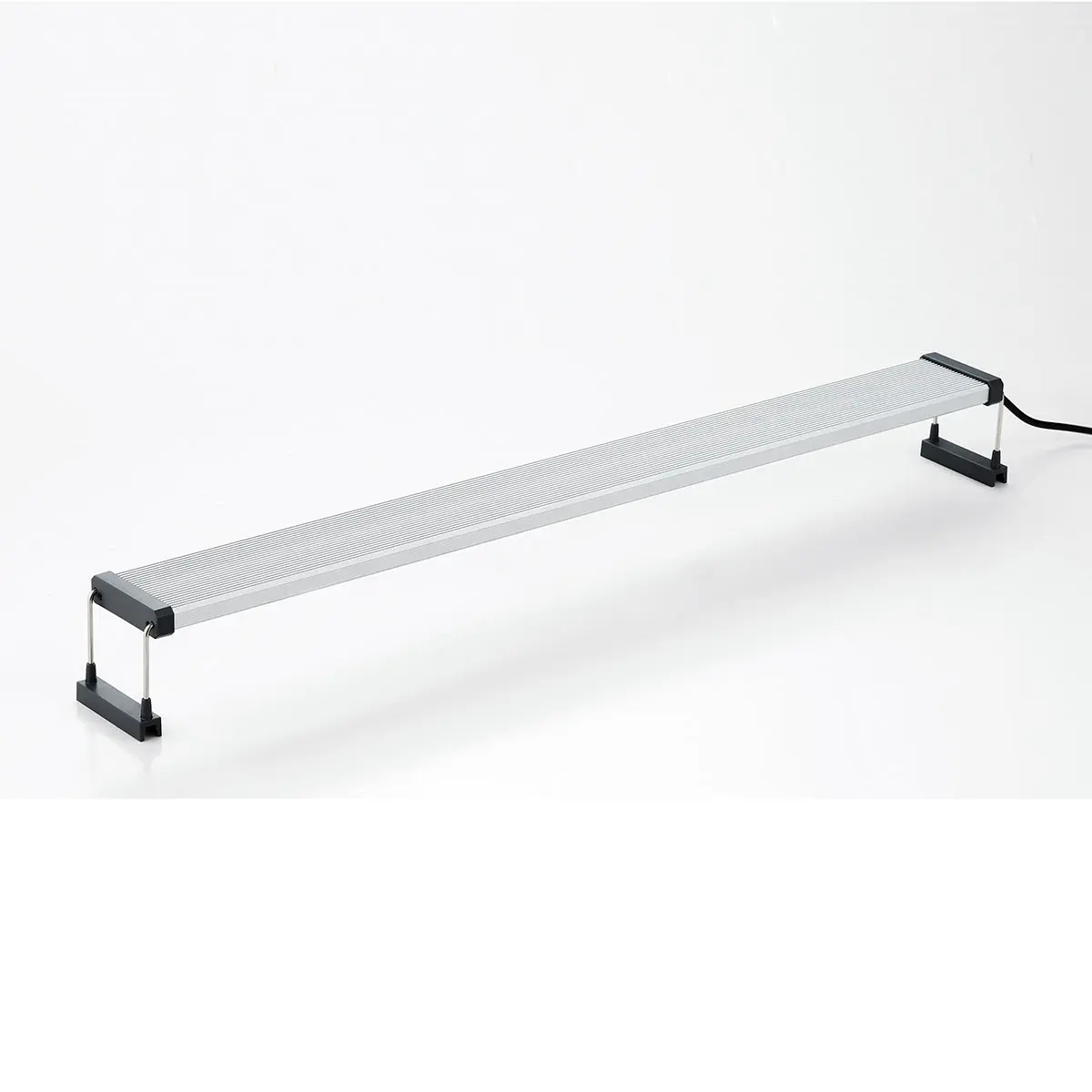
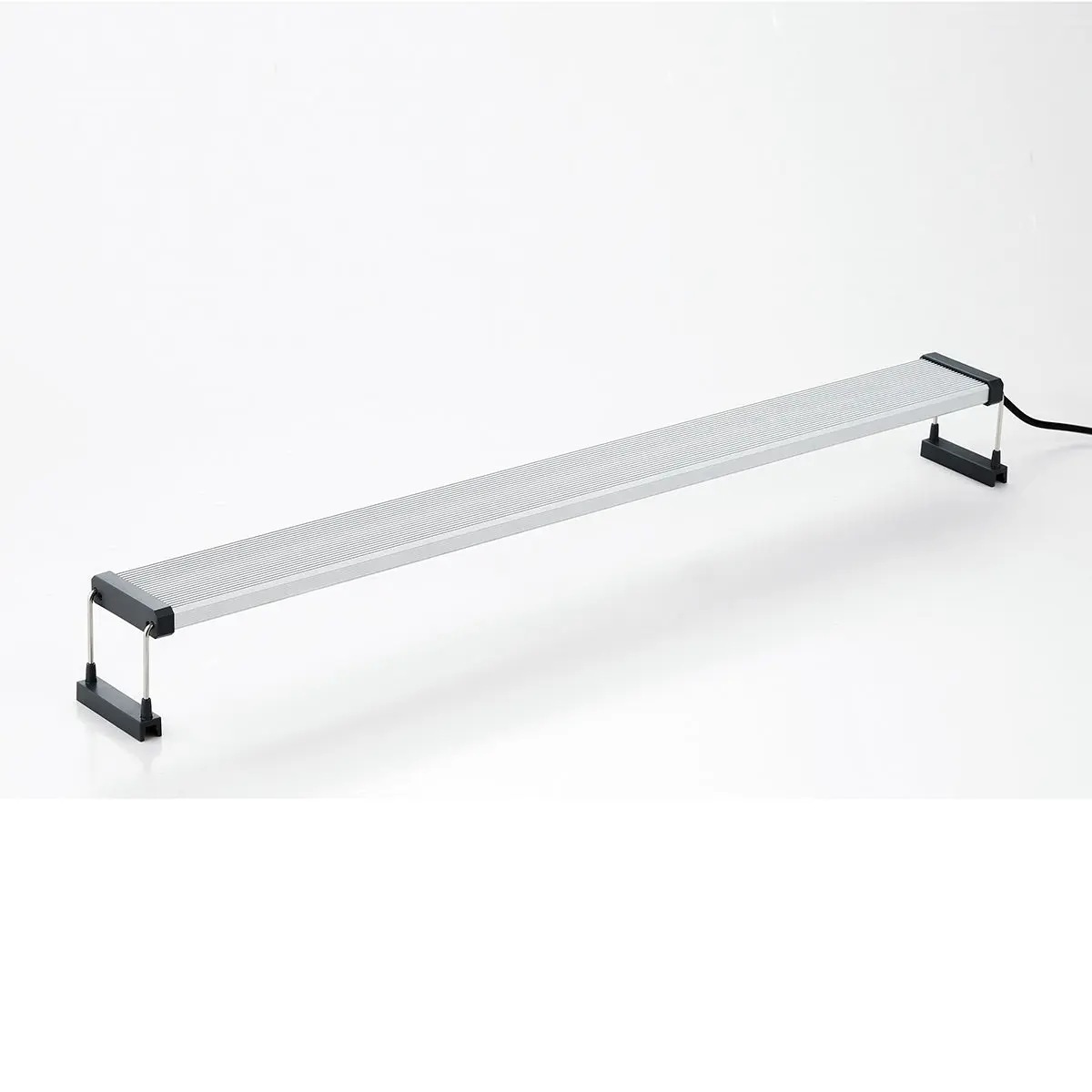
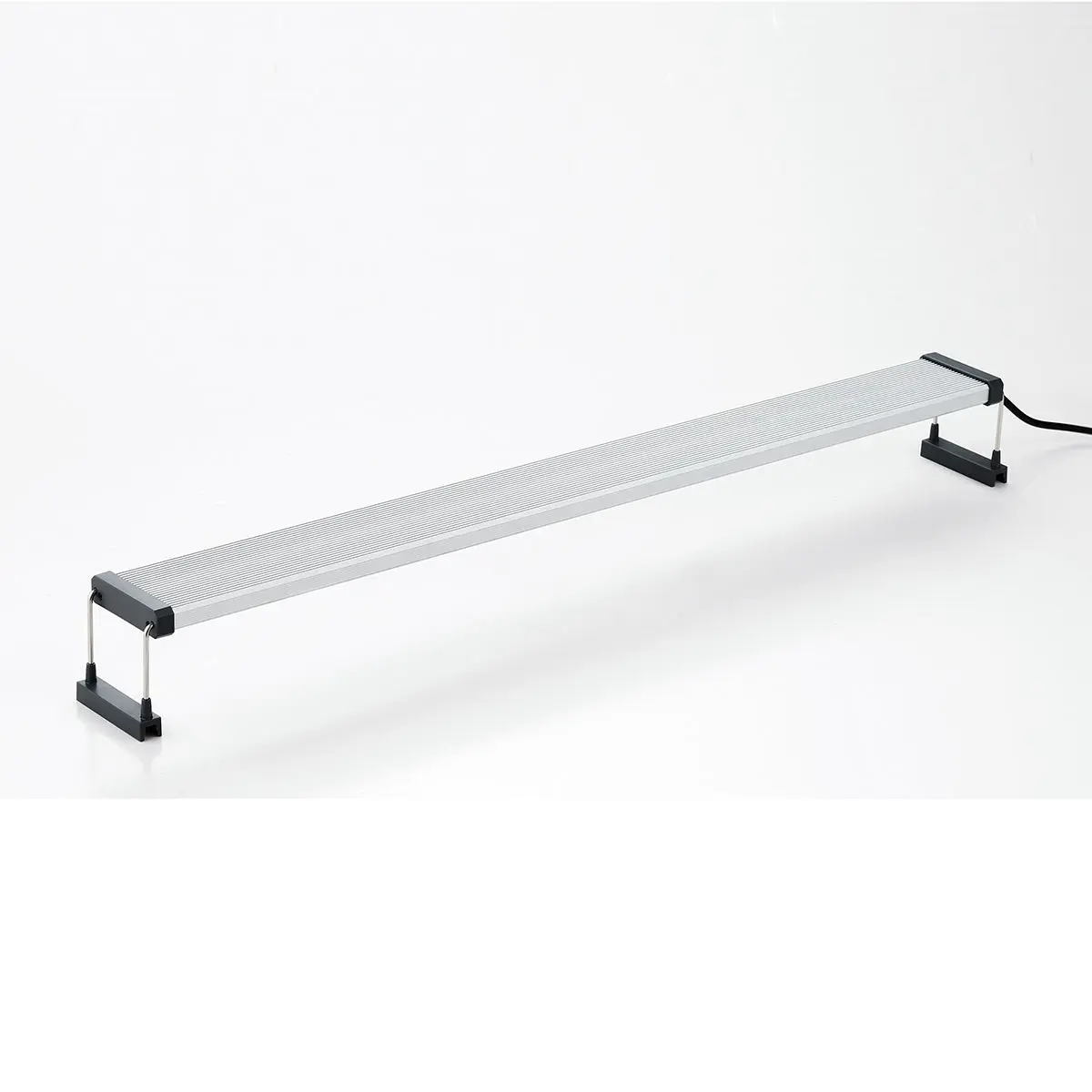
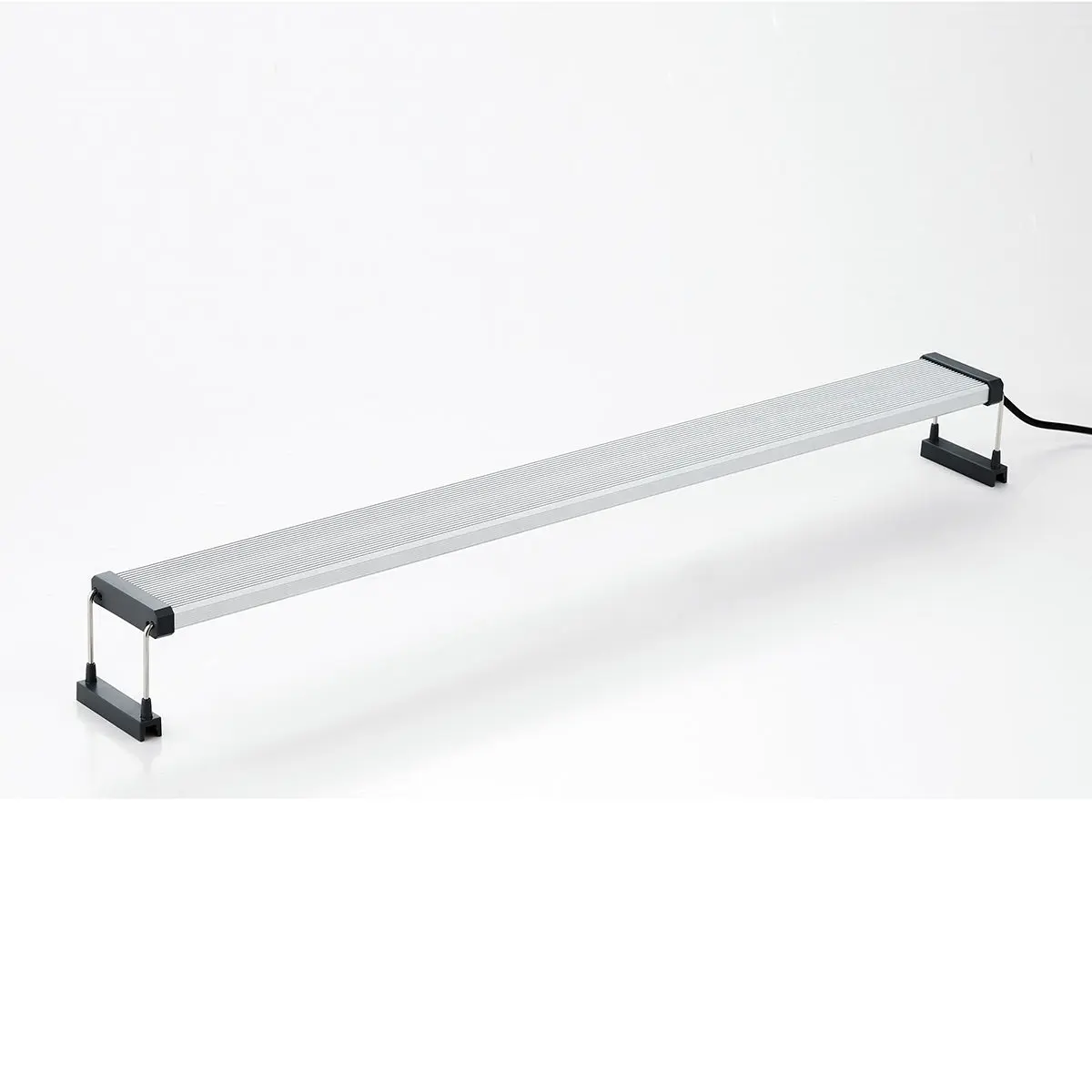
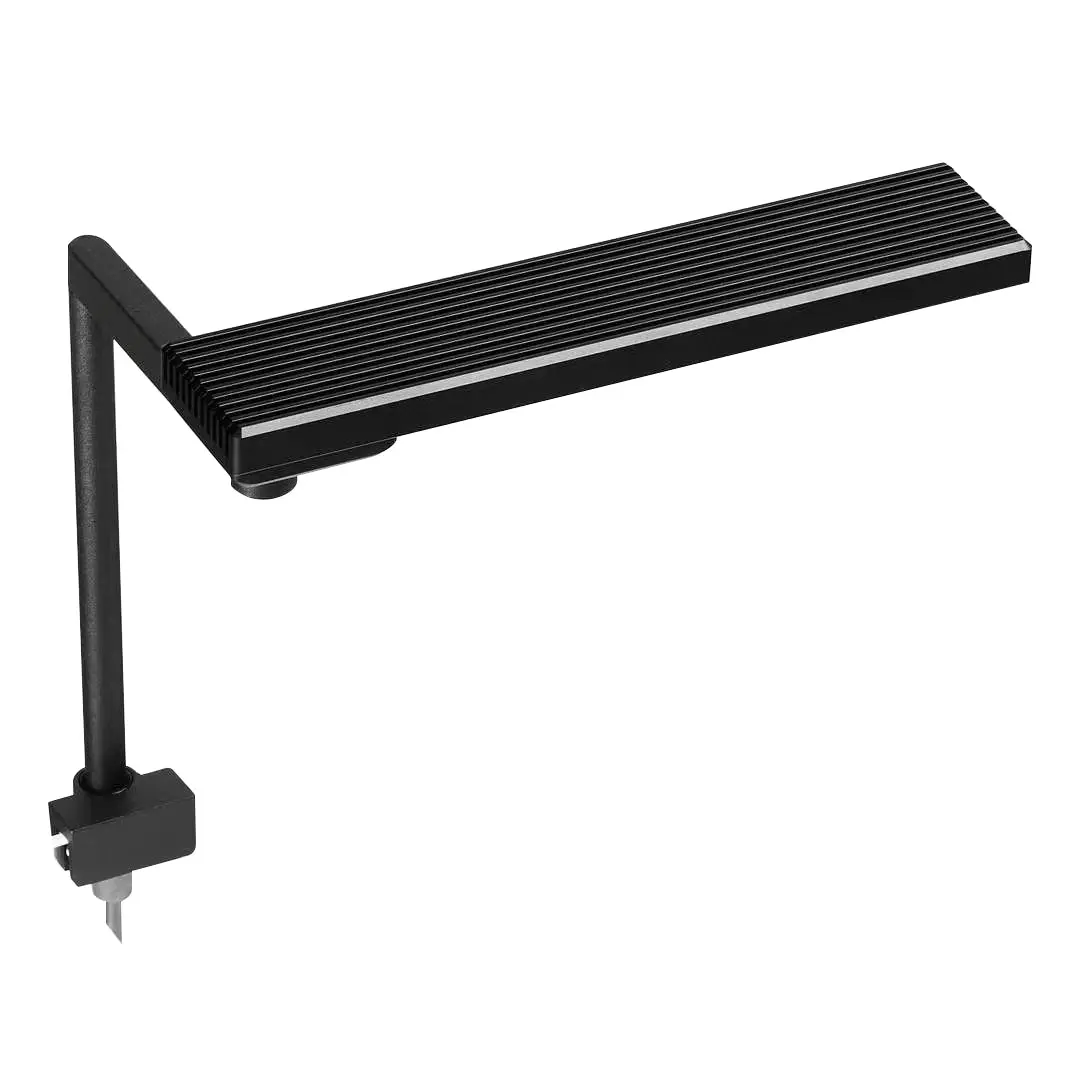
Lighting that can support this plant
Suggested from plant care level and compatibility.