Illustrative images
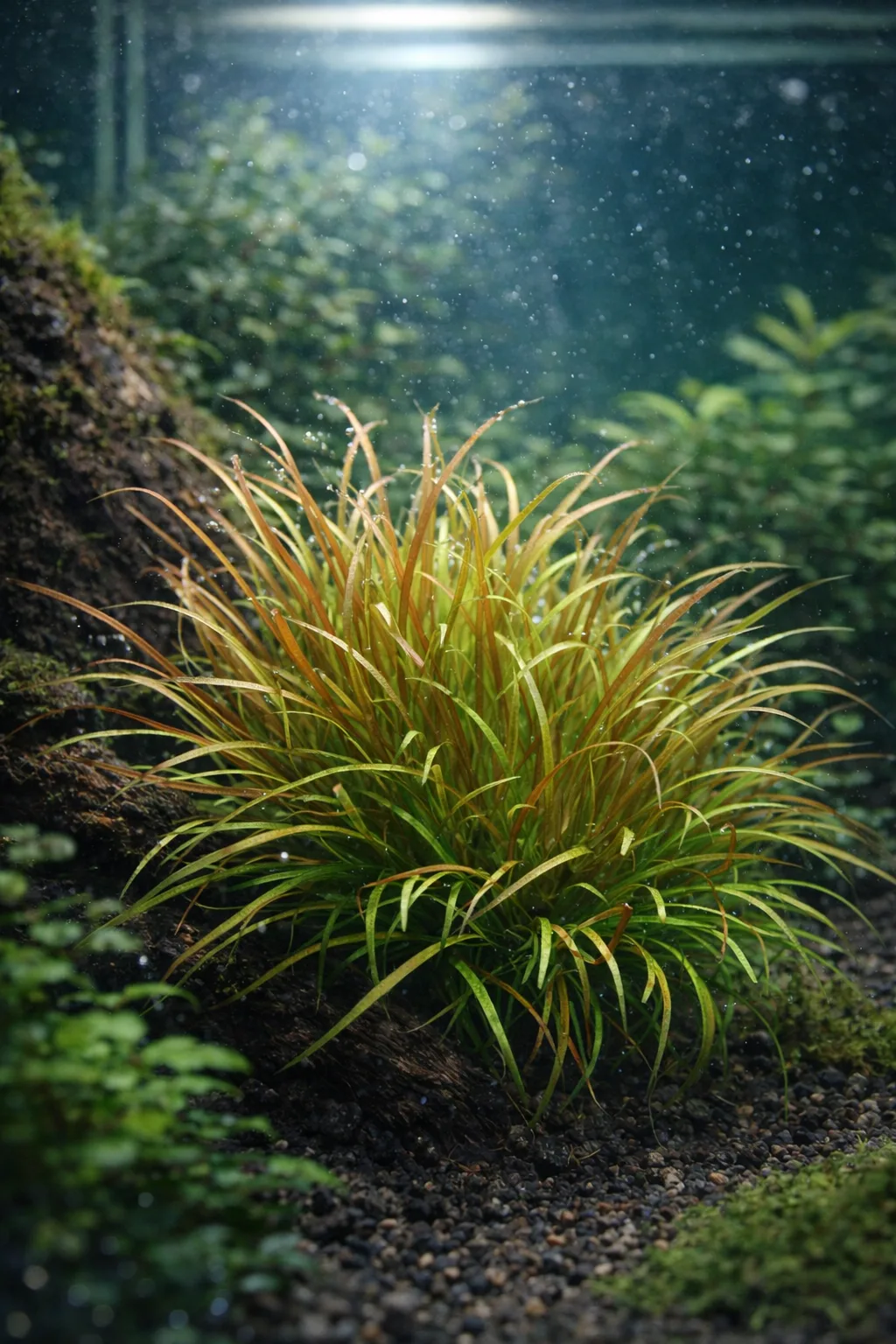
Blyxa japonica
Blyxa japonica
Overview
Blyxa japonica, commonly known as Japanese Blyxa, is an attractive aquatic plant native to Asia. This perennial herb is often favored in aquascaping for its lush appearance and ability to add depth to underwater landscapes. With its slender, grassy leaves and striking green coloration, Blyxa japonica can create a stunning focal point in any freshwater aquarium.
Natural Habitat
In the wild, Blyxa japonica typically grows in shallow waters, often found in slow-moving streams and ponds. It thrives in soft, nutrient-rich substrates and benefits from moderate light and stable water conditions. This background allows hobbyists to replicate similar environments in their aquariums for optimal growth.
Care Requirements
When introducing Blyxa japonica to your aquarium, it is essential to create a suitable environment to support its growth. Below are critical care considerations:
- Tank Size: A minimum tank size of 30 liters (approximately 8 gallons) is recommended to provide adequate space for growth.
- Lighting: Medium to high lighting is optimal for stimulating healthy growth and vibrant coloration.
- Substrate: A nutrient-rich substrate helps support root development. Consider using a mixed substrate that includes plant-specific fertilizers.
- Water Parameters: While specific parameters can vary, maintaining a slightly acidic to neutral pH and stable water temperature is ideal.
Tank Setup
When setting up your aquarium for Blyxa japonica, consider placing it in the midground or background of your aquascape. This plant can also be used in clusters to create a lush, natural look. Ensure that the plant has enough space to grow, as its stems can become quite tall if the conditions are favorable.
Compatibility
Blyxa japonica is generally compatible with a wide range of fish and invertebrates, making it a suitable choice for community tanks. It is important, however, to monitor for any species that may nibble on the leaves. Larger or more aggressive species may cause stress to the plant.
Feeding and Maintenance
To support healthy growth, consider fertilizing the tank with liquid fertilizers or using root tabs that release nutrients into the substrate. Regular water changes can also help maintain water quality and support plant health.
Conclusion
With its elegant appearance and minimal care needs, Blyxa japonica is a fantastic choice for aquarists looking to enhance their underwater landscape. By providing the right conditions for growth, this plant can thrive and become a beautiful addition to your aquarium.
How to care for Blyxa japonica
- 1
Set up the tank
Prepare a tank with a nutrient-rich substrate, ensuring water temperature is between 70–82°F (21–28°C), pH is 5.5–7.0, and hardness is 2–12 dGH.
- 2
Provide adequate lighting
Install medium to high lighting, aiming for 40–100 PAR at the substrate level, to promote compact growth and vibrant coloration.
- 3
Supplement with CO2
Introduce CO2 supplementation to enhance growth and coloration, aiming for 20–30 ppm CO2 concentration.
- 4
Plant Blyxa japonica
Plant the stems in the substrate, spacing them 2–3 inches apart, and ensure they are fully submerged.
- 5
Maintain water quality
Perform regular water changes to keep water parameters stable and remove excess nutrients.
- 6
Fertilize regularly
Use a balanced liquid fertilizer rich in iron and other trace elements to support healthy growth.
- 7
Monitor growth
Observe the plant for signs of stress, such as leggy growth or discoloration, and adjust care routines as needed.
Frequently asked questions
What are the ideal water parameters for Blyxa japonica?▾
Blyxa japonica thrives in water temperatures of 70–82°F (21–28°C), a pH of 5.5–7.0, and a hardness of 2–12 dGH.
How much light does Blyxa japonica need?▾
Blyxa japonica requires medium to high lighting, approximately 40–100 PAR at the substrate level, to maintain compact growth and vibrant coloration.
Is CO2 supplementation necessary for Blyxa japonica?▾
While not strictly necessary, CO2 supplementation is highly recommended for optimal growth and coloration in Blyxa japonica.
What is the recommended substrate for Blyxa japonica?▾
A nutrient-rich substrate, such as fine gravel or aqua soil, is ideal for Blyxa japonica to support healthy growth.
How do you propagate Blyxa japonica?▾
Blyxa japonica propagates through lateral shoots; separate and replant these side shoots to expand your colony.
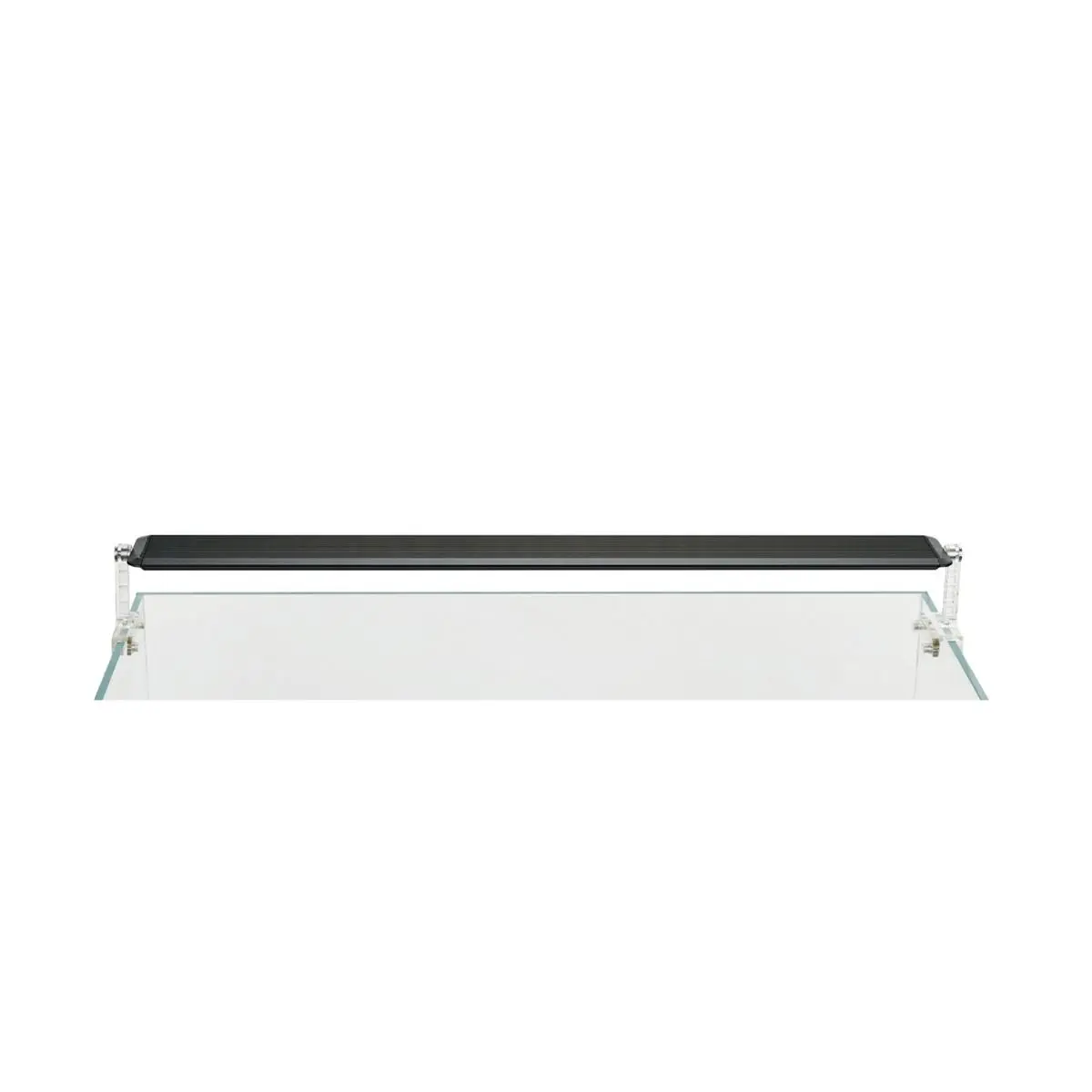
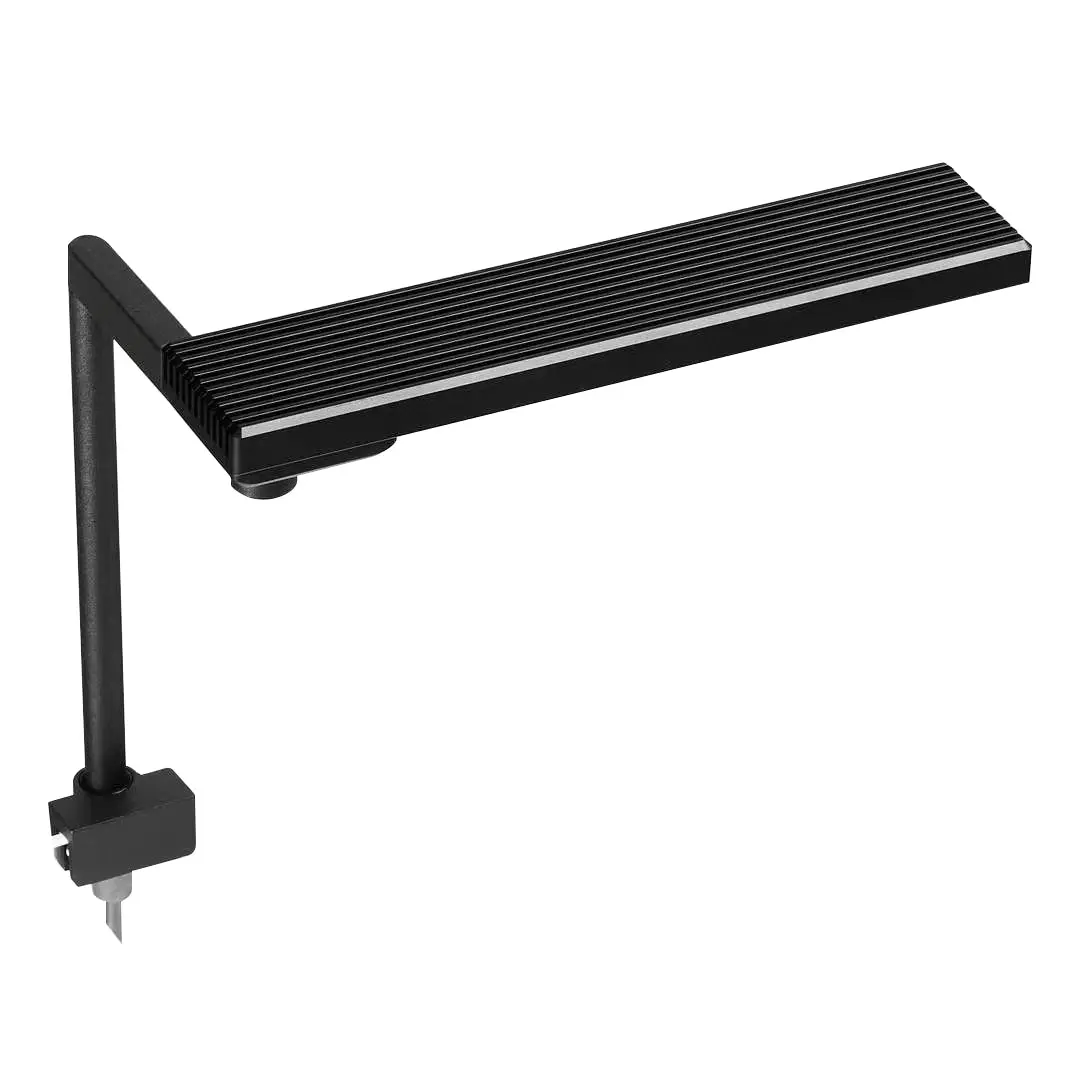
Lighting that can support this plant
Suggested from plant care level and compatibility.