

Illustrative images
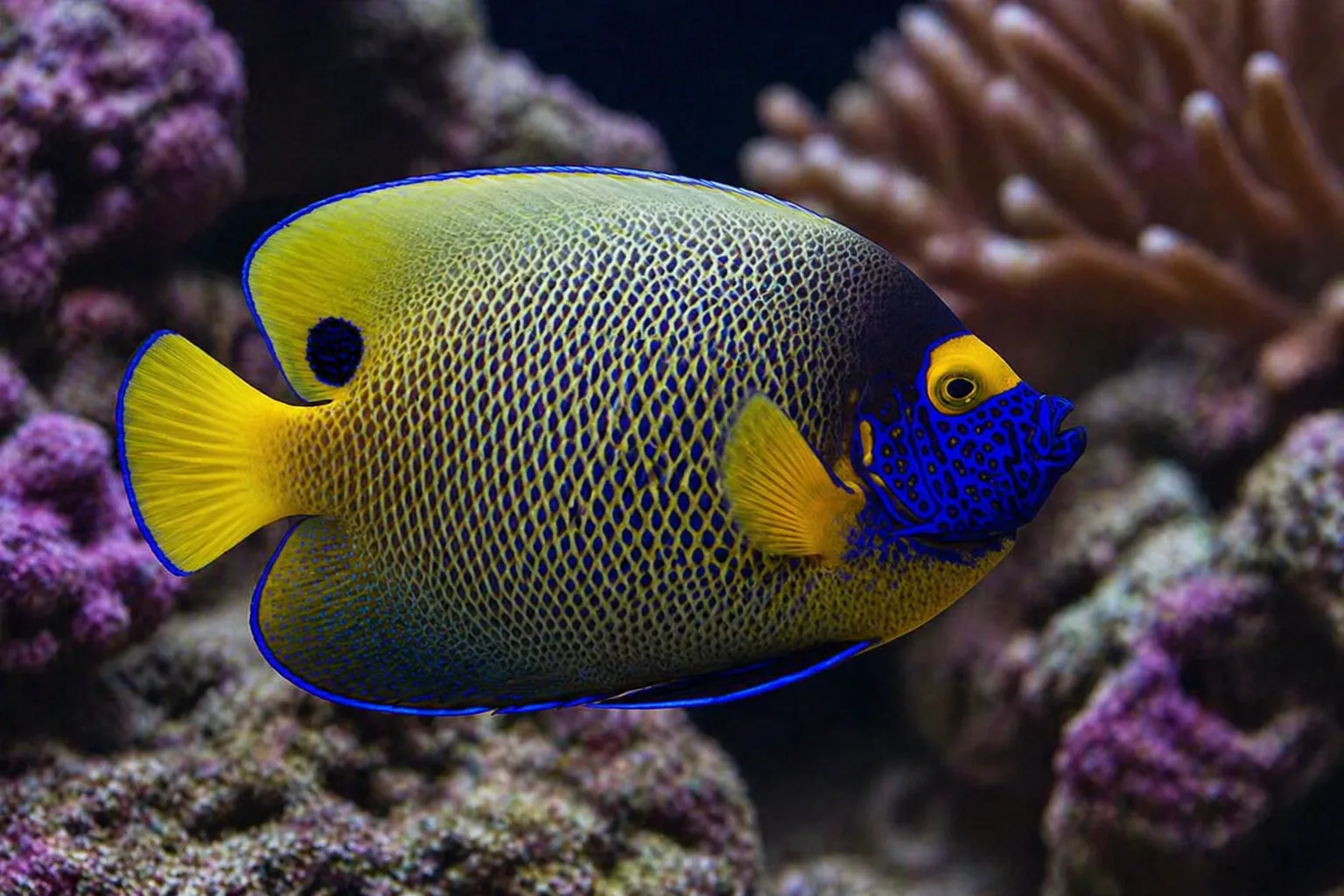
Blueface Angelfish
Pomacanthus xanthometopon
Overview
The Blueface Angelfish, scientifically known as Pomacanthus xanthometopon, is a stunning marine fish popular among aquarium enthusiasts. Its vibrant blue and yellow coloration makes it a striking addition to any reef tank. This species is known for its beauty as well as its unique behaviors and personality.
Natural Habitat
In the wild, Blueface Angelfish are found in the coral reefs of the Indo-Pacific region, specifically around venues like the Red Sea, Papua New Guinea, and Fiji. They usually inhabit deeper regions of the reef, where they can retreat into rock crevices when threatened.
Care Requirements
Caring for a Blueface Angelfish requires attention to water quality and tank setup. They thrive in a well-maintained saltwater environment.
- Water type: Marine
- Minimum tank size: 300 liters (79 gallons)
- Water temperature: 24-28°C (75-82°F)
- Salinity: 1.020-1.025 specific gravity
Blueface Angelfish require excellent water quality, so regular water changes and the use of high-quality filtration is essential.
Tank Setup
When setting up an aquarium for Blueface Angelfish, include plenty of hiding spots and structures made from live rock. Incorporating coral and other saltwater plants can also help mimic their natural habitat. A sandy substrate is preferred, as it offers a more natural environment.
Compatibility
Blueface Angelfish can be semi-aggressive, particularly towards other angelfish and similarly sized or colored fish. It is best to house them in a larger aquarium with ample space and hiding spots to minimize territorial disputes.
Feeding
Blueface Angelfish are omnivorous, requiring a varied diet to remain healthy. They can be fed:
- High-quality marine flakes or pellets
- Spirulina and algae
- Chopped seafood such as shrimp and clams
Feeding them several times a day in small portions ensures they receive adequate nutrition and helps maintain their vivid coloration.
Lifespan
In captivity, with proper care, Blueface Angelfish can live up to 15 years, although their lifespan may vary based on care and tank conditions.
Conclusion
The Blueface Angelfish is a beautiful and rewarding fish to keep for experienced aquarists. With the right setup and care, they can thrive and be a centerpiece in a marine aquarium.
How to care for Blueface Angelfish
- 1
Set up a large tank
Provide a well-established aquarium of at least 100 gallons (379 liters) with ample swimming space and numerous hiding spots.
- 2
Acclimate the fish
Introduce the Blueface Angelfish slowly to the tank to reduce stress and allow it to adjust to its new environment.
- 3
Maintain stable water parameters
Regularly monitor and adjust water conditions to keep specific gravity at 1.020-1.025, pH between 8.1 and 8.4, and temperature between 72-78°F (22.2-25.6°C).
- 4
Provide a varied diet
Feed a mix of spirulina, marine algae, high-quality angelfish preparations, mysis or frozen shrimp, and other meaty items two to three times a day.
- 5
Select appropriate tank mates
Choose large, robust fish that can coexist peacefully; avoid other angelfish and small, docile species.
- 6
Monitor fish health
Regularly observe the Blueface Angelfish for signs of stress or illness, and address any issues promptly.
Frequently asked questions
What size tank does a Blueface Angelfish need?▾
A Blueface Angelfish requires a minimum tank size of 100 gallons (379 liters).
What are the ideal water parameters for Blueface Angelfish?▾
Maintain water with a specific gravity of 1.020-1.025, pH between 8.1 and 8.4, and a temperature range of 72-78°F (22.2-25.6°C).
What do Blueface Angelfish eat?▾
They feed on sponges, tunicates, algae, and other encrusting organisms; in captivity, offer a varied diet including spirulina, marine algae, high-quality angelfish preparations, mysis or frozen shrimp, and other meaty items.
Can Blueface Angelfish be kept with other fish?▾
They are semi-aggressive and should be kept with similar-sized robust fish; avoid housing with other angelfish or small, docile species.
Are Blueface Angelfish reef-safe?▾
No, they may nip at coral polyps and invertebrates, making them unsuitable for reef tanks.