

Illustrative images
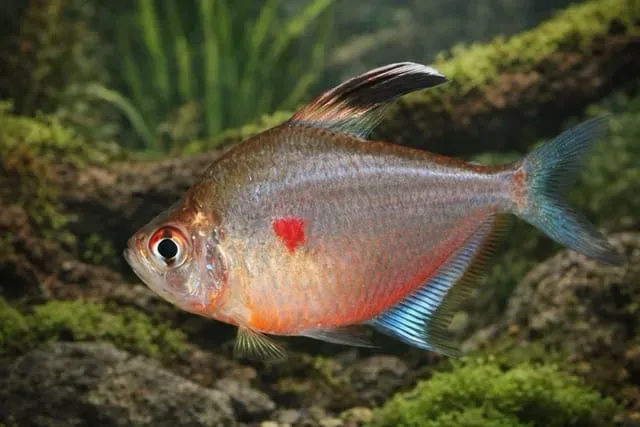
Bleeding Heart Tetra
Hyphessobrycon erythrostigma
Overview
The Bleeding Heart Tetra, scientifically known as Hyphessobrycon erythrostigma, is a popular freshwater fish native to the river basins in South America, particularly in the Amazon River basin. This species is known for its distinctive coloration and peaceful temperament, making it a favorite among aquarists, especially in community tanks.
Natural Habitat
In the wild, Bleeding Heart Tetras are found in slow-moving rivers and streams with dense vegetation. Their natural habitat consists of clear waters rich in plant life, which provides ample hiding spots and a safe environment from predators. To mimic these conditions in an aquarium, creating a planted tank with subdued lighting is beneficial.
Care Requirements
The Bleeding Heart Tetra is relatively easy to care for, making it suitable for both novice and experienced aquarists. They thrive in a well-maintained aquarium that mimics their natural environment. Here are some key care considerations:
- Tank Size: A minimum tank size of 20 gallons is recommended to accommodate a small school of at least six fish.
- Water Parameters: They prefer slightly acidic to neutral water with a pH of around 6.0 to 7.5, a temperature range of 23°C to 28°C (73°F to 82°F), and a moderate hardness level.
- Filtration: A gentle filtration system mimics their natural slow-moving water and ensures clean and clear water.
Tank Setup
To create an ideal habitat for Bleeding Heart Tetras, consider the following tank setup tips:
- Substrate: A soft substrate is ideal, as it helps in the natural foraging behavior of the fish.
- Decorations: Adding plants such as Java fern, Amazon sword, and floating plants can provide hiding spots and make the fish feel secure. Driftwood and rocks add a natural feel to the tank.
- Lighting: Soft, subdued lighting is preferable; floating plants can help diffuse the light further.
Compatibility
Bleeding Heart Tetras are known for their peaceful nature and generally do well in community tanks. They can be kept with a variety of other peaceful species, such as:
- Other Tetras (e.g., Neon Tetras, Rummy Nose Tetras)
- Community fish like Guppies, Platies, and Corydoras
- Smaller species of Rasboras
While they are generally peaceful, it’s important to avoid housing them with overly aggressive or larger fish that might see them as prey.
Feeding
Bleeding Heart Tetras are omnivorous and should be fed a varied diet for optimal health. A high-quality flake or pellet food can serve as a staple, while supplemental feedings of frozen or live food such as brine shrimp or daphnia will enhance their diet. Algae wafers and vegetable matter are also beneficial additions.
Lifespan
Under proper care, Bleeding Heart Tetras can live for 5 to 8 years in an aquarium setting. Regular monitoring of their health, appropriate tank maintenance, and a balanced diet will contribute to their longevity.
How to care for Bleeding Heart Tetra
- 1
Set up the tank
Use a 20-gallon (76-liter) aquarium with a well-planted background and open swimming areas. Include driftwood and rocks to mimic their natural habitat.
- 2
Acclimate the fish
Float the bag containing the Bleeding Heart Tetras in the aquarium for 15-20 minutes to equalize temperature. Gradually mix tank water into the bag over 30 minutes before releasing the fish.
- 3
Maintain water parameters
Keep the water temperature between 72-82°F (22-28°C), pH between 5.5-7.2, and water hardness between 4-12°dH. Regularly test water quality and perform partial water changes as needed.
- 4
Feed appropriately
Offer a balanced diet of flake or pellet food supplemented with live or frozen foods like brine shrimp and daphnia. Feed small amounts 1-2 times daily, ensuring all food is consumed within a few minutes.
- 5
Monitor fish health
Observe the Bleeding Heart Tetras regularly for signs of stress or disease, such as unusual swimming behavior or discoloration. Quarantine new arrivals before introducing them to the main tank.
Frequently asked questions
What is the ideal tank size for Bleeding Heart Tetras?▾
A minimum tank size of 20 gallons (76 liters) is recommended for Bleeding Heart Tetras to provide ample swimming space and accommodate a small school.
What are the optimal water parameters for Bleeding Heart Tetras?▾
Maintain water temperature between 72-82°F (22-28°C), pH between 5.5-7.2, and water hardness between 4-12°dH for Bleeding Heart Tetras.
What do Bleeding Heart Tetras eat?▾
Bleeding Heart Tetras are omnivorous and accept a variety of foods, including flake, pellet, and live foods like brine shrimp and daphnia.
How can I distinguish male and female Bleeding Heart Tetras?▾
Males have longer, more pointed dorsal fins and more vibrant colors, while females have shorter, rounded dorsal fins and a fuller body.
Are Bleeding Heart Tetras suitable for community aquariums?▾
Yes, Bleeding Heart Tetras are peaceful and can be kept with other non-aggressive species in a community tank.