Illustrative images
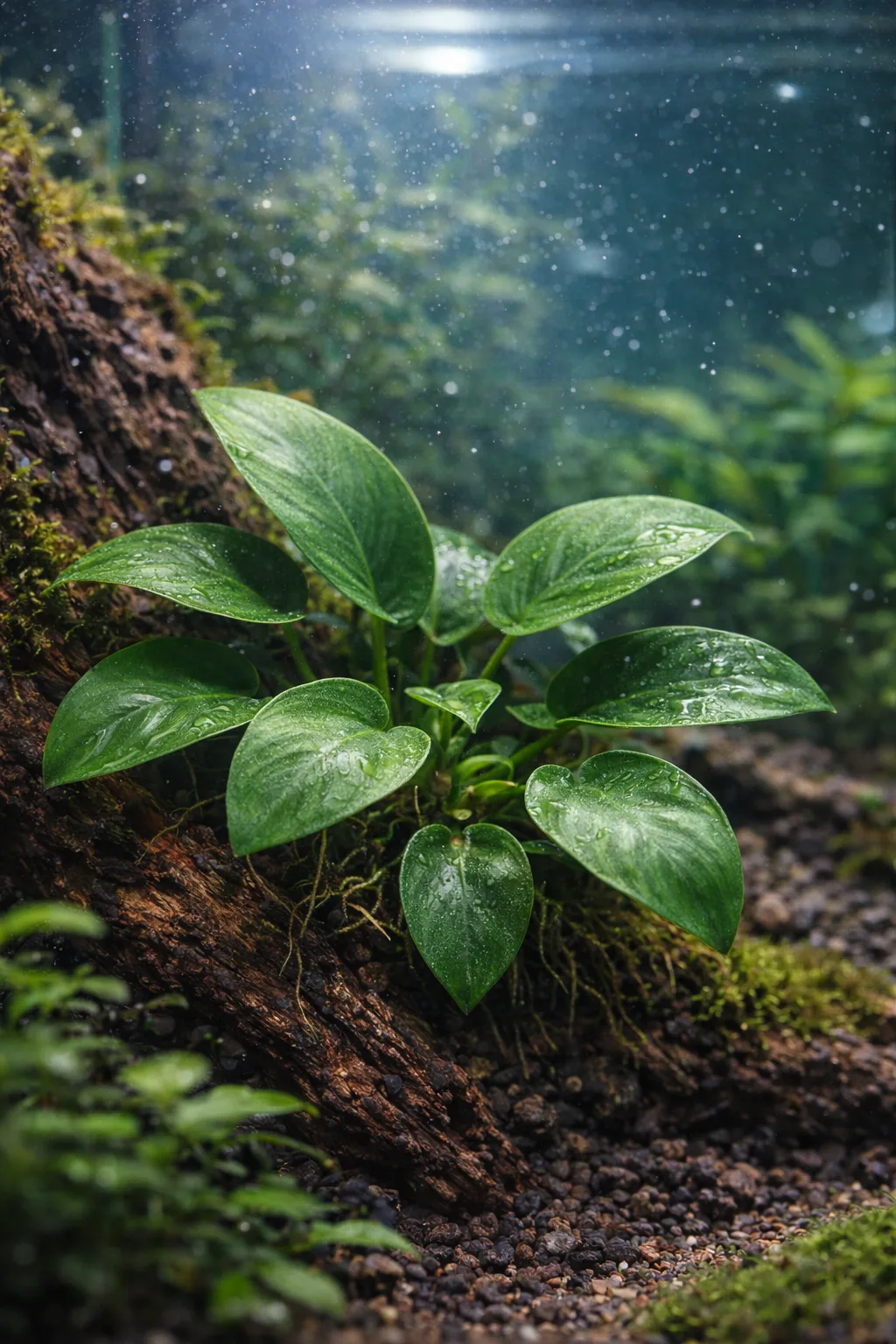
Anubias barteri var. nana
Anubias barteri var. nana
Overview
Anubias barteri var. nana is a popular aquatic plant known for its hardy nature and attractive, dark green leaves. Native to the rivers and streams of West Africa, this plant thrives in various water conditions, making it a favorite among both beginner and experienced aquarists.
Natural Habitat
This species typically grows in shaded areas near the banks of lakes and rivers, where it enjoys subdued light. The plant has adapted to thrive in low-light environments, making it suitable for aquariums with limited lighting.
Care Requirements
Anubias barteri var. nana is considered easy to care for, making it an excellent choice for beginners. Here are the main care requirements:
- Light: This plant prefers low to moderate light levels. Direct sunlight can cause algae growth, so it's best to place it in a shaded area of the aquarium.
- Water Conditions: Anubias can adapt to a wide range of water parameters but prefers a temperature between 22-28°C (72-82°F). Maintain a pH level between 6.5 and 7.5.
- Substrate: Anubias can be planted in the substrate, but it also thrives when attached to rocks or driftwood. Avoid burying the rhizome to prevent rot.
- Fertilization: While Anubias does not require heavy fertilization, using a liquid fertilizer can enhance its growth, especially if the plant is kept in a well-lit area.
Tank Setup
When creating an aquascape, Anubias barteri var. nana is best placed in the midground or background due to its potential height. It pairs well with other slow-growing plants and can help create a balanced ecosystem. Use soft materials like driftwood or stones to secure the plant, allowing it to grow naturally.
Compatibility
Anubias is compatible with a wide variety of fish and invertebrates. It does well in community tanks and can coexist with peaceful species such as tetras, rasboras, and guppies. However, be cautious with herbivorous fish that may nibble on the leaves.
Feeding and Care
This plant generally does not require special feeding. During the growing season, moderate doses of liquid fertilizer will support healthy leaf development. Regular pruning may be necessary to remove any dead or damaged leaves and to encourage bushier growth.
Propagation
Anubias barteri var. nana can be propagated by dividing the rhizome. Simply cut a section of the rhizome with a few leaves attached and replant it in the substrate or attach it to a rock or driftwood.
How to care for Anubias barteri var. nana
- 1
Set up the tank
Prepare your aquarium with a substrate suitable for epiphytic plants, such as gravel. Ensure the tank has low to medium lighting and a temperature range of 68-82°F (20-28°C).
- 2
Attach the plant
Secure the Anubias barteri var. nana rhizome to rocks or driftwood using fishing line or aquarium-safe glue, keeping the rhizome above the substrate to prevent rot. ([tropica.com](https://tropica.com/en/plants/plantdetails/?id=18806&utm_source=openai))
- 3
Monitor water parameters
Maintain a pH between 5.5-8.9 and water hardness of 4-12°dGH (71.43-214.29ppm) to ensure optimal growth. ([tropica.com](https://tropica.com/en/plants/plantdetails/?id=18806&utm_source=openai))
- 4
Provide appropriate lighting
Ensure the tank has low to medium lighting conditions, as Anubias barteri var. nana thrives in these environments. ([tropica.com](https://tropica.com/en/plants/plantdetails/?id=18806&utm_source=openai))
- 5
Feed the plant
Anubias barteri var. nana is a slow-growing plant that can obtain nutrients from fish waste, so additional fertilization is often unnecessary. However, occasional liquid fertilizers can be used if desired. ([tropica.com](https://tropica.com/en/plants/plantdetails/?id=18806&utm_source=openai))
- 6
Maintain the tank
Regularly check for algae growth on the leaves and remove any debris. Perform partial water changes as needed to keep the environment healthy.
Frequently asked questions
What are the ideal water parameters for Anubias barteri var. nana?▾
Anubias barteri var. nana thrives in water temperatures between 68-82°F (20-28°C), with a pH range of 5.5-8.9 and water hardness of 4-12°dGH (71.43-214.29ppm).
How should I plant Anubias barteri var. nana in my aquarium?▾
Attach the rhizome of Anubias barteri var. nana to rocks or driftwood using fishing line or aquarium-safe glue. Ensure the rhizome is above the substrate to prevent rot. Avoid burying it in the substrate. ([tropica.com](https://tropica.com/en/plants/plantdetails/?id=18806&utm_source=openai))
Does Anubias barteri var. nana require high lighting?▾
No, Anubias barteri var. nana prefers low to medium lighting conditions, making it suitable for low-tech aquariums. ([tropica.com](https://tropica.com/en/plants/plantdetails/?id=18806&utm_source=openai))
How do I propagate Anubias barteri var. nana?▾
Propagate Anubias barteri var. nana by dividing the rhizome into sections, each with at least one leaf. Plant each section separately to grow new plants. ([tropica.com](https://tropica.com/en/plants/plantdetails/?id=18806&utm_source=openai))
Is Anubias barteri var. nana suitable for nano tanks?▾
Yes, Anubias barteri var. nana is well-suited for nano tanks due to its compact size and slow growth rate. ([tropica.com](https://tropica.com/en/plants/plantdetails/?id=18806&utm_source=openai))
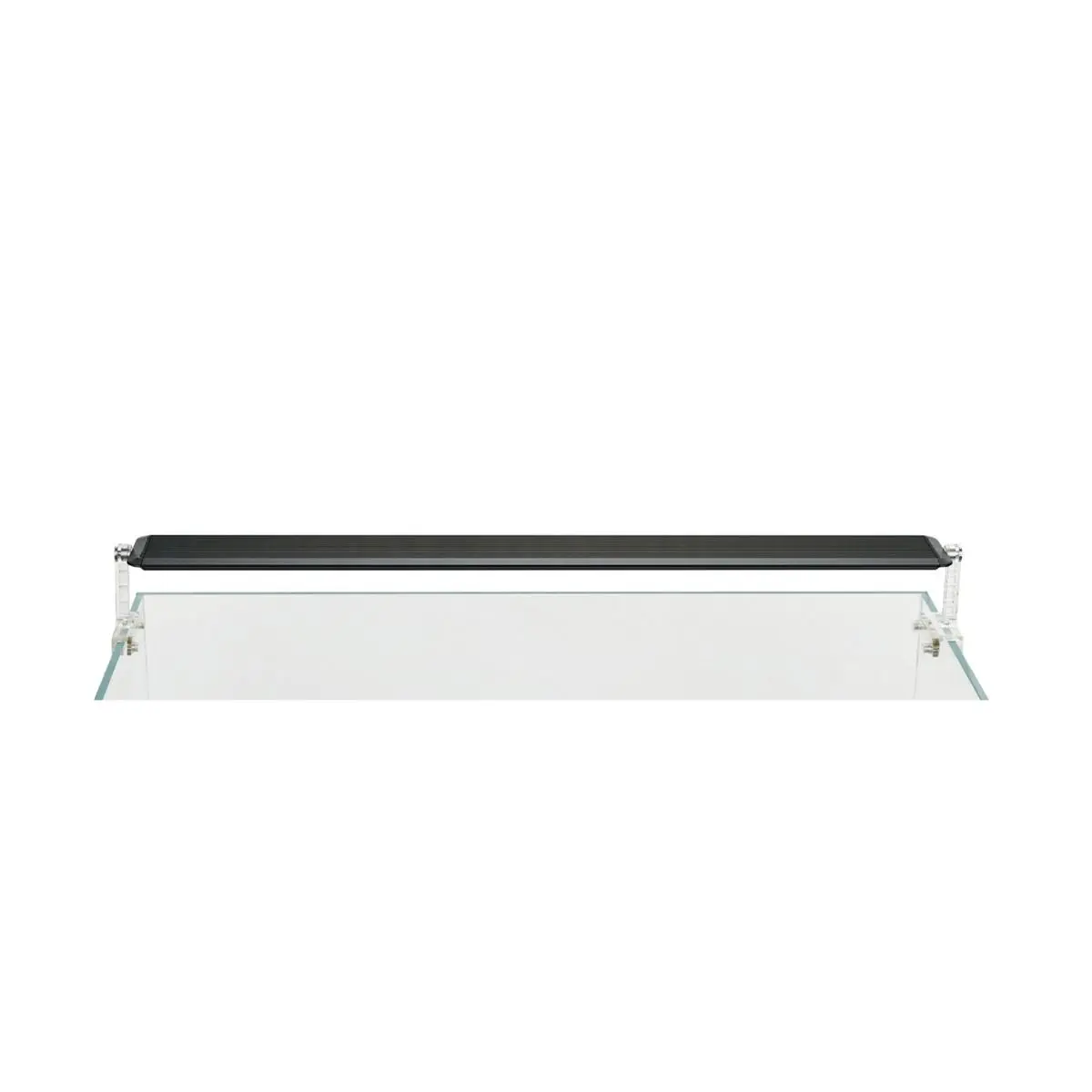
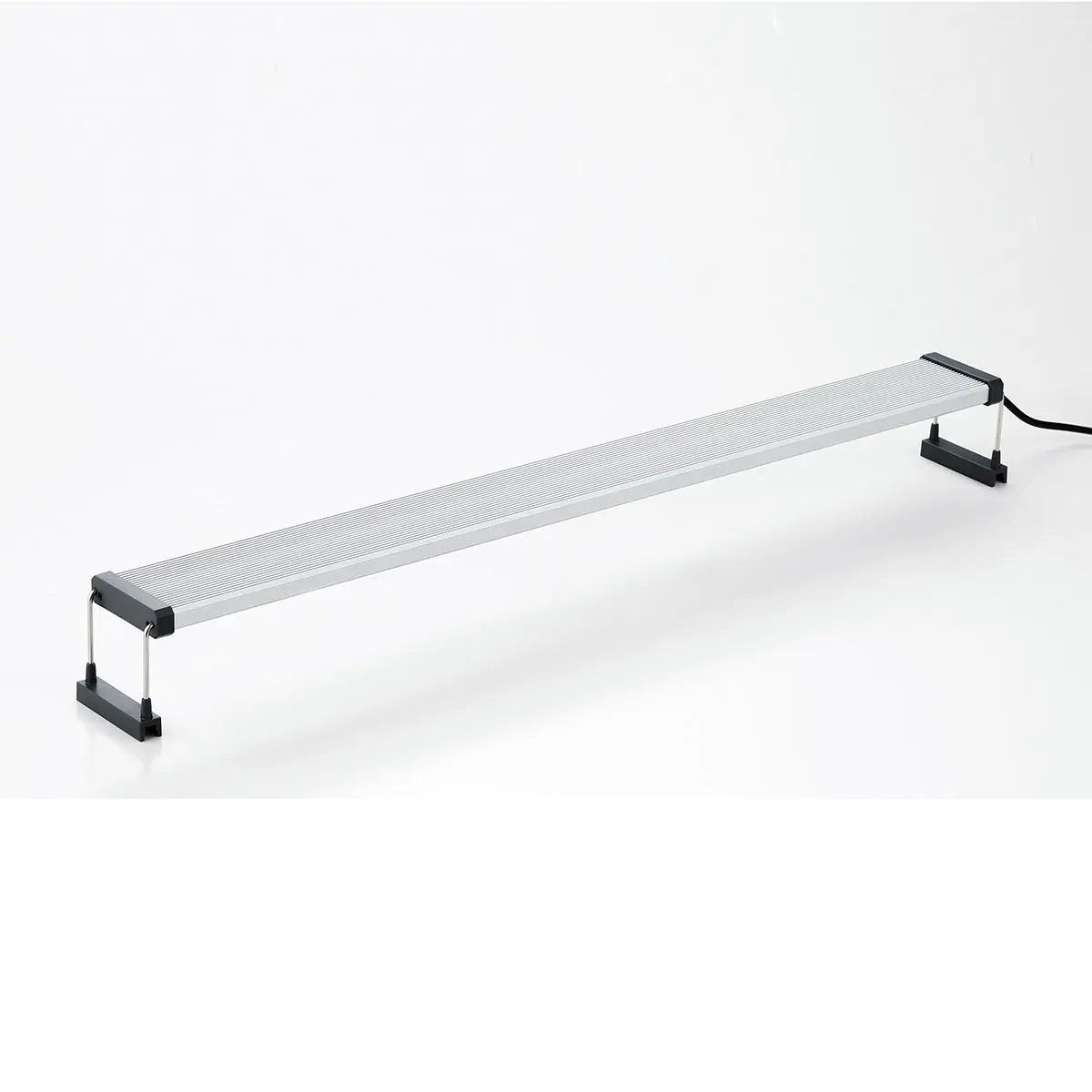
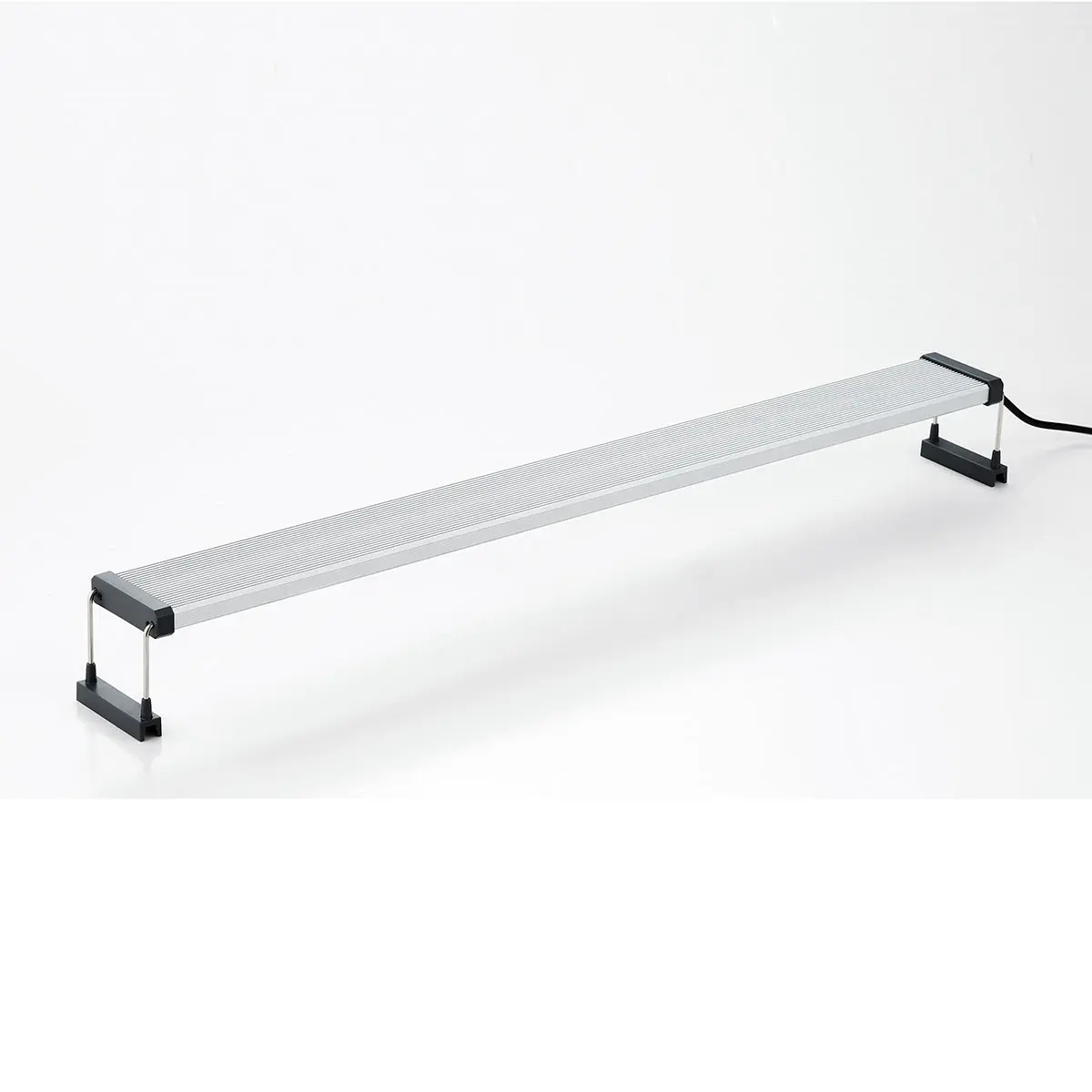
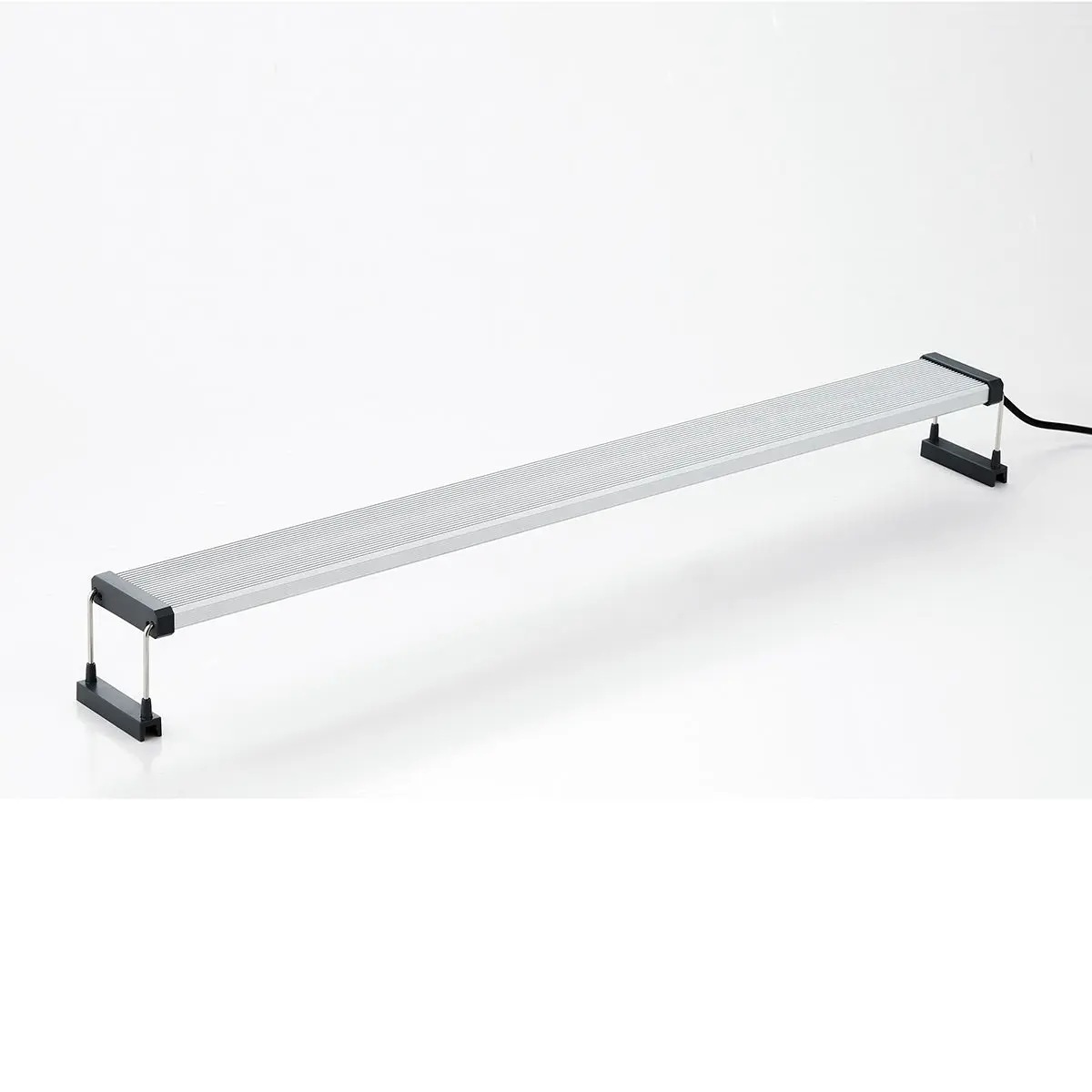
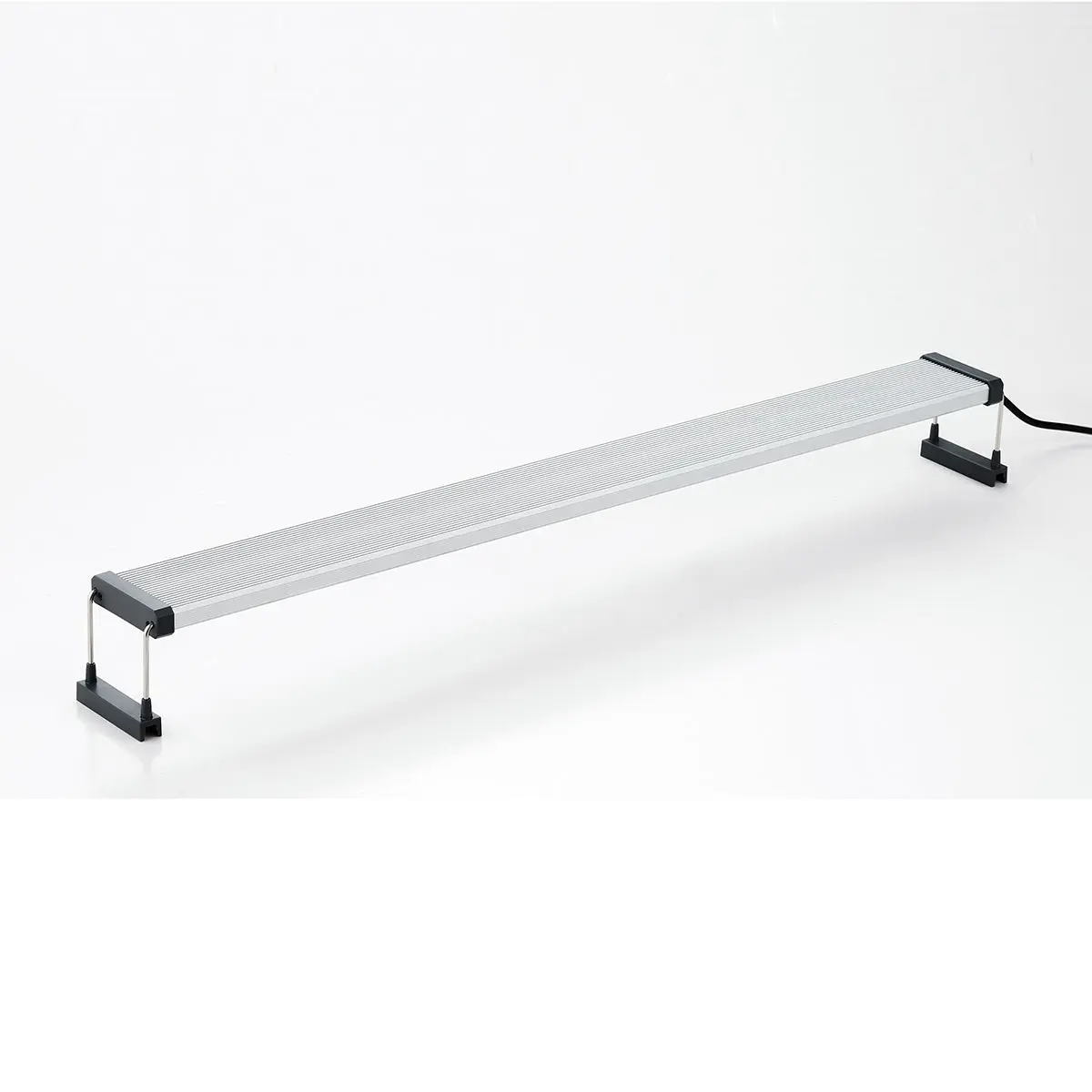
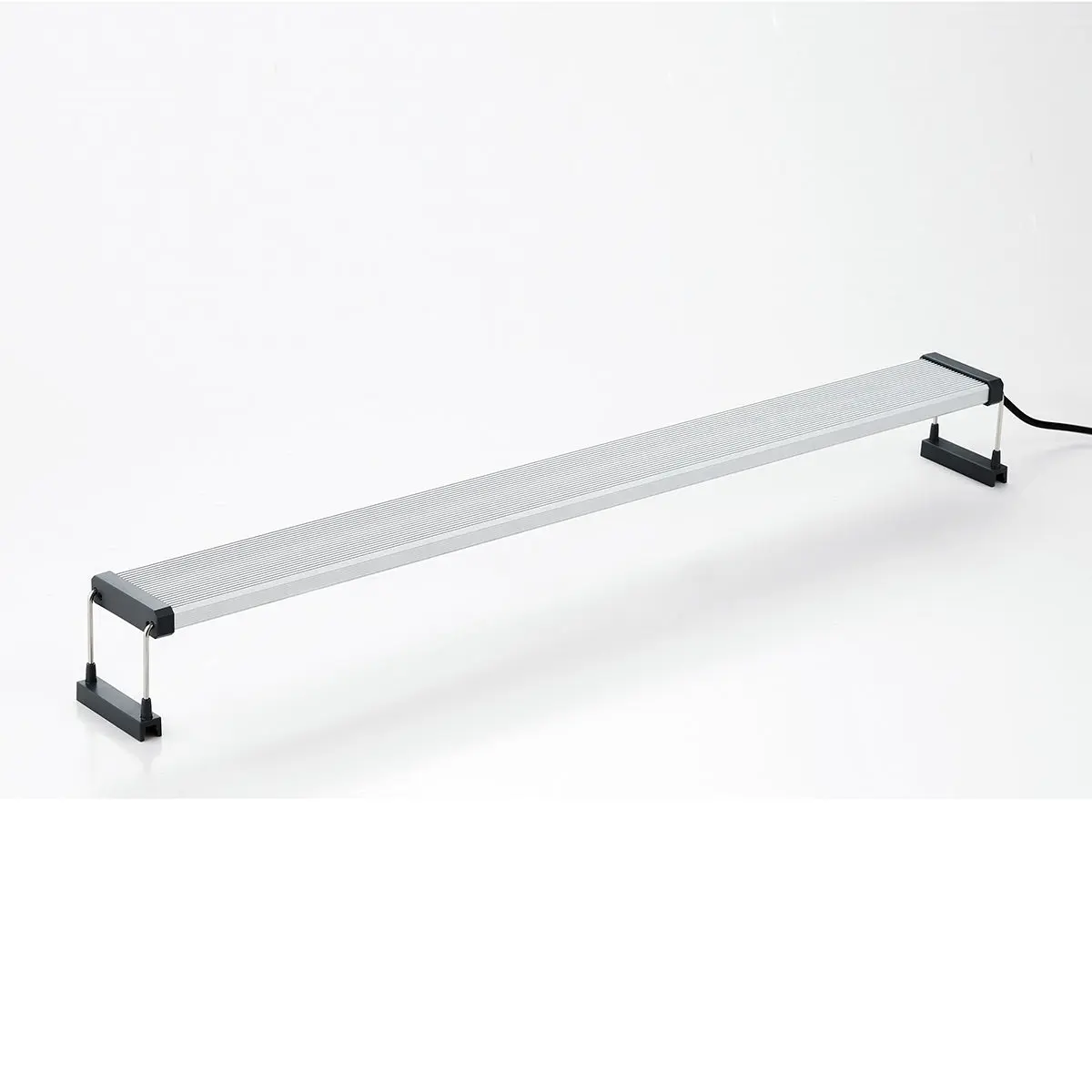
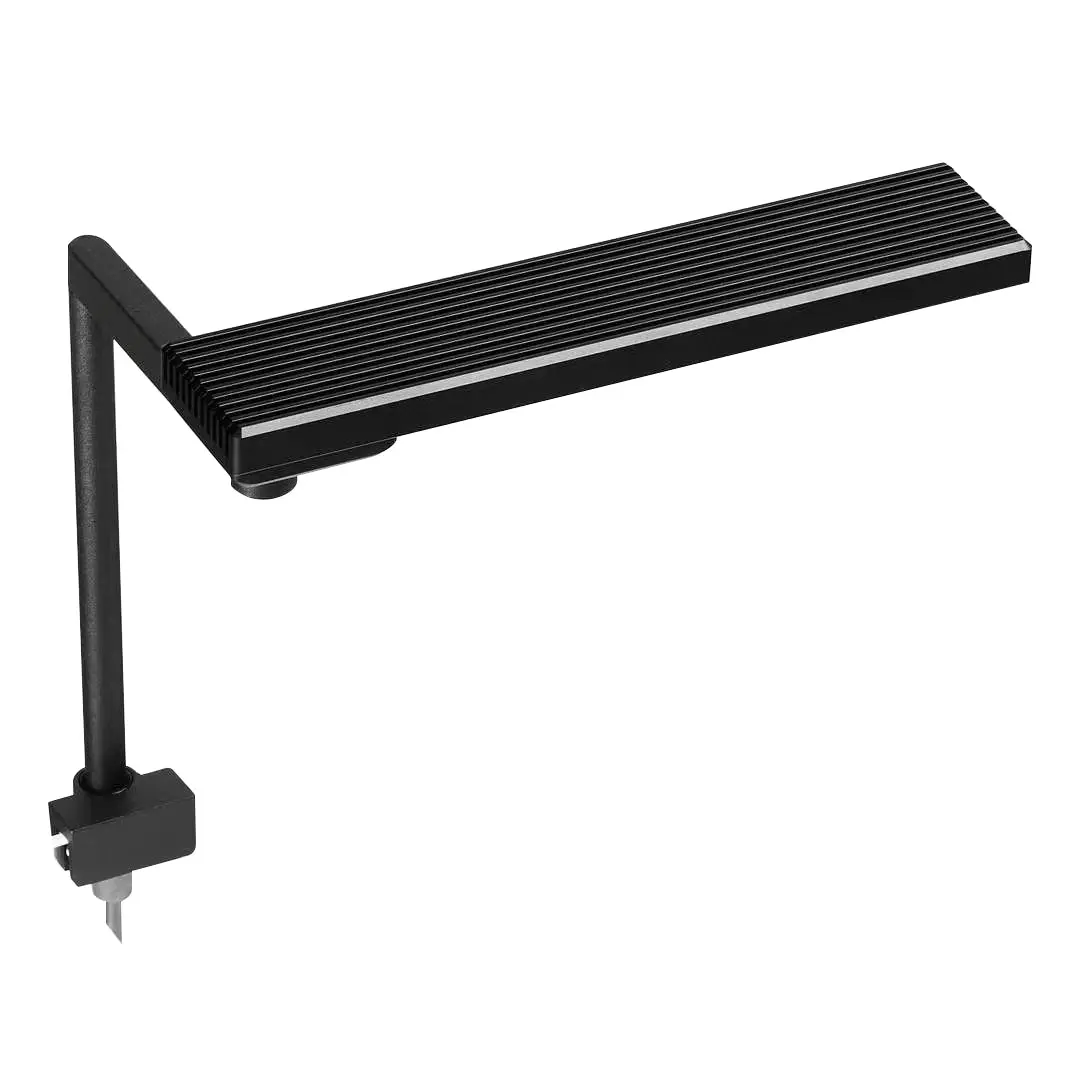
Lighting that can support this plant
Suggested from plant care level and compatibility.