Illustrative images
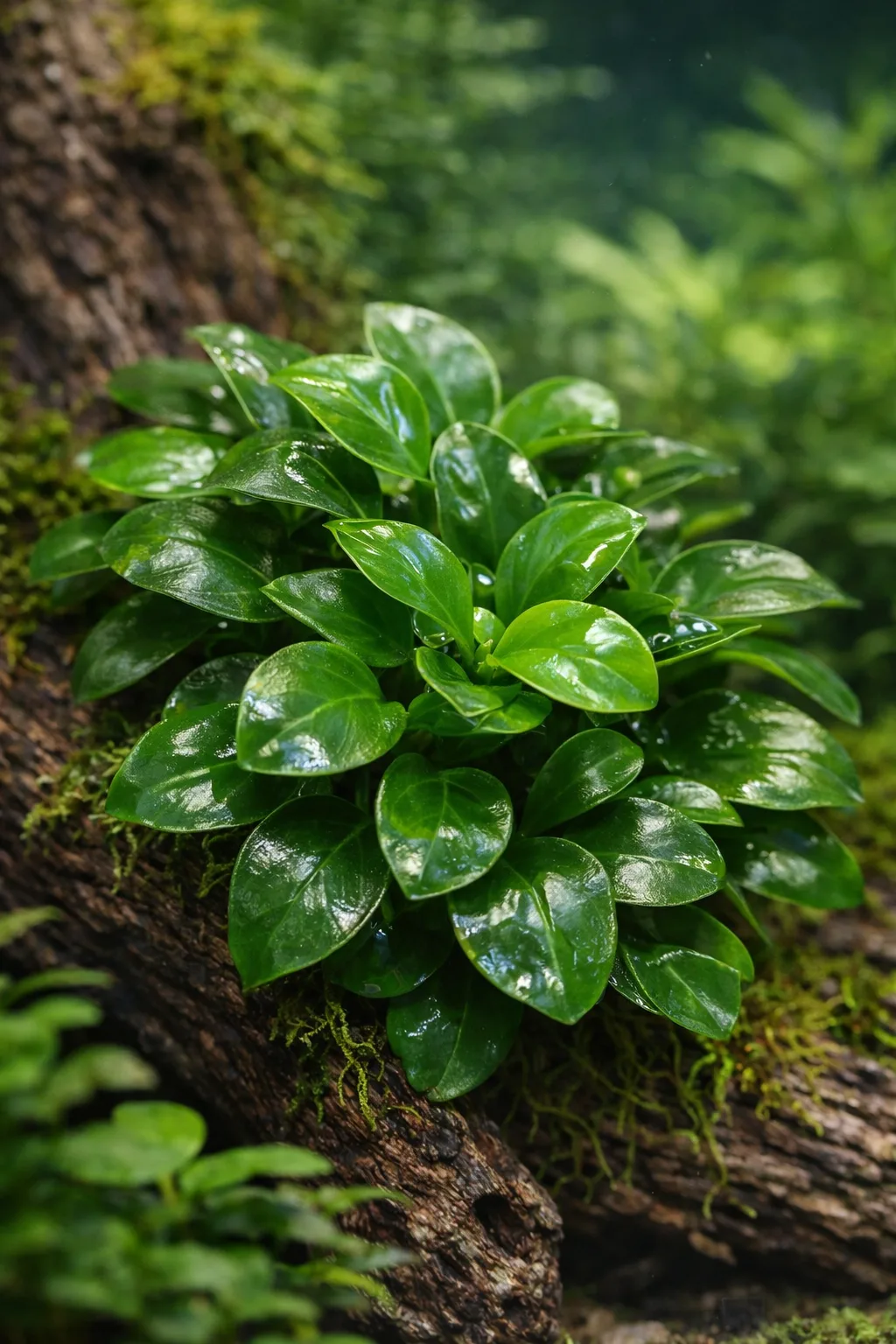
Anubias barteri 'Petite'
Anubias barteri 'Petite'
Overview
Anubias barteri 'Petite' is a popular aquatic plant known for its compact size and hardy nature. This variant of the Anubias species thrives in both low-light and high-light conditions, making it ideal for a variety of aquascapes. With its dark green leaves and robust growth, it can be a striking addition to any freshwater aquarium.
Natural Habitat
In the wild, Anubias barteri is often found in West African rivers and streams, thriving in shaded areas with slow water movement. This background makes it well-adapted to aquarium life, where it can be positioned in various setups, from lush jungles to minimalistic layouts.
Care Requirements
Anubias barteri 'Petite' is considered easy to care for, which makes it suitable for both beginners and experienced aquarists. Here are key aspects of its care:
- Light: This plant prefers low to moderate light. Excessive light can cause algae growth on its leaves.
- Temperature: A temperature range of 22-28°C (72-82°F) is ideal.
- pH Levels: It can adapt to a pH range of 6.0 to 8.0.
- Substrate: Anubias barteri 'Petite' can thrive in various substrates, or even be placed on rocks and driftwood.
Tank Setup
When setting up your aquarium, consider the following:
- Position Anubias barteri 'Petite' in a shaded area or with indirect lighting to prevent algae proliferation.
- Use a nutrient-rich substrate if possible; however, this plant also absorbs nutrients through its leaves.
- You can attach it to rocks or driftwood using fishing line or glue designed for aquascaping.
Compatibility
This plant is compatible with a wide range of fish and invertebrates, as it is not typically disturbed by them. Some suitable tank mates include:
- Small to medium-sized community fish
- Peaceful bottom dwellers
- Freshwater shrimp and snails
Feeding and Maintenance
Anubias barteri 'Petite' does not require heavy feeding. A general-purpose aquarium plant fertilizer can be added occasionally to support growth, but this is not necessary if the plant is healthy and thriving. Regular pruning may be needed to remove any yellowing or dying leaves, promoting new growth.
Propagation
This plant propagates through rhizome division. When the rhizome grows long enough, simply cut it into sections, ensuring each section has roots and a few leaves attached.
How to care for Anubias barteri 'Petite'
- 1
Set up the tank
Prepare your aquarium with soft to moderately hard water, maintaining a temperature between 22–28°C and a pH of 6.0–7.5.
- 2
Attach to hardscape
Secure the rhizome of Anubias barteri 'Petite' to rocks or driftwood using fishing line or super glue, ensuring the rhizome is above the substrate.
- 3
Provide lighting
Ensure the plant receives low to medium light; avoid strong lighting to prevent excessive algae growth.
- 4
Monitor growth
Observe the plant's growth, trimming damaged or old leaves as needed; growth is slow, so minimal maintenance is required.
- 5
Propagate as needed
To propagate, cut the rhizome into sections with at least one leaf and attach them to suitable surfaces.
Frequently asked questions
What are the ideal water parameters for Anubias barteri 'Petite'?▾
Anubias barteri 'Petite' thrives in water temperatures of 22–28°C, with a pH range of 6.0–7.5, and soft to moderately hard water conditions.
How should I plant Anubias barteri 'Petite' in my aquarium?▾
Attach the rhizome of Anubias barteri 'Petite' to rocks or driftwood using fishing line or super glue, ensuring the rhizome remains above the substrate to prevent rot.
Does Anubias barteri 'Petite' require CO₂ supplementation?▾
No, Anubias barteri 'Petite' does not require CO₂ supplementation, but adding it can promote healthier growth.
What lighting conditions are best for Anubias barteri 'Petite'?▾
Anubias barteri 'Petite' prefers low to medium light conditions; strong light can increase algae growth.
How do I propagate Anubias barteri 'Petite'?▾
To propagate Anubias barteri 'Petite', cut the rhizome into sections, each with at least one leaf, and attach them to suitable surfaces.
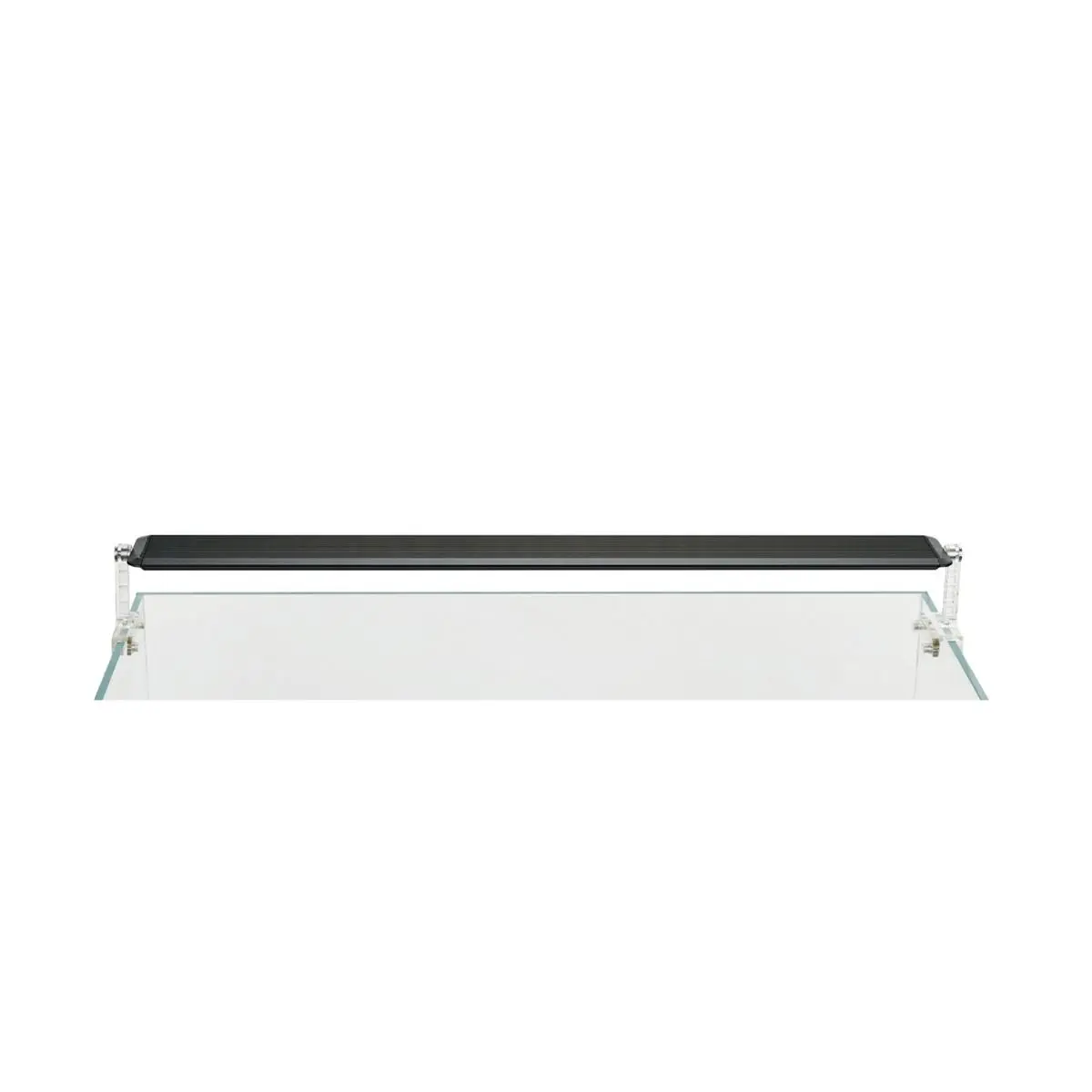
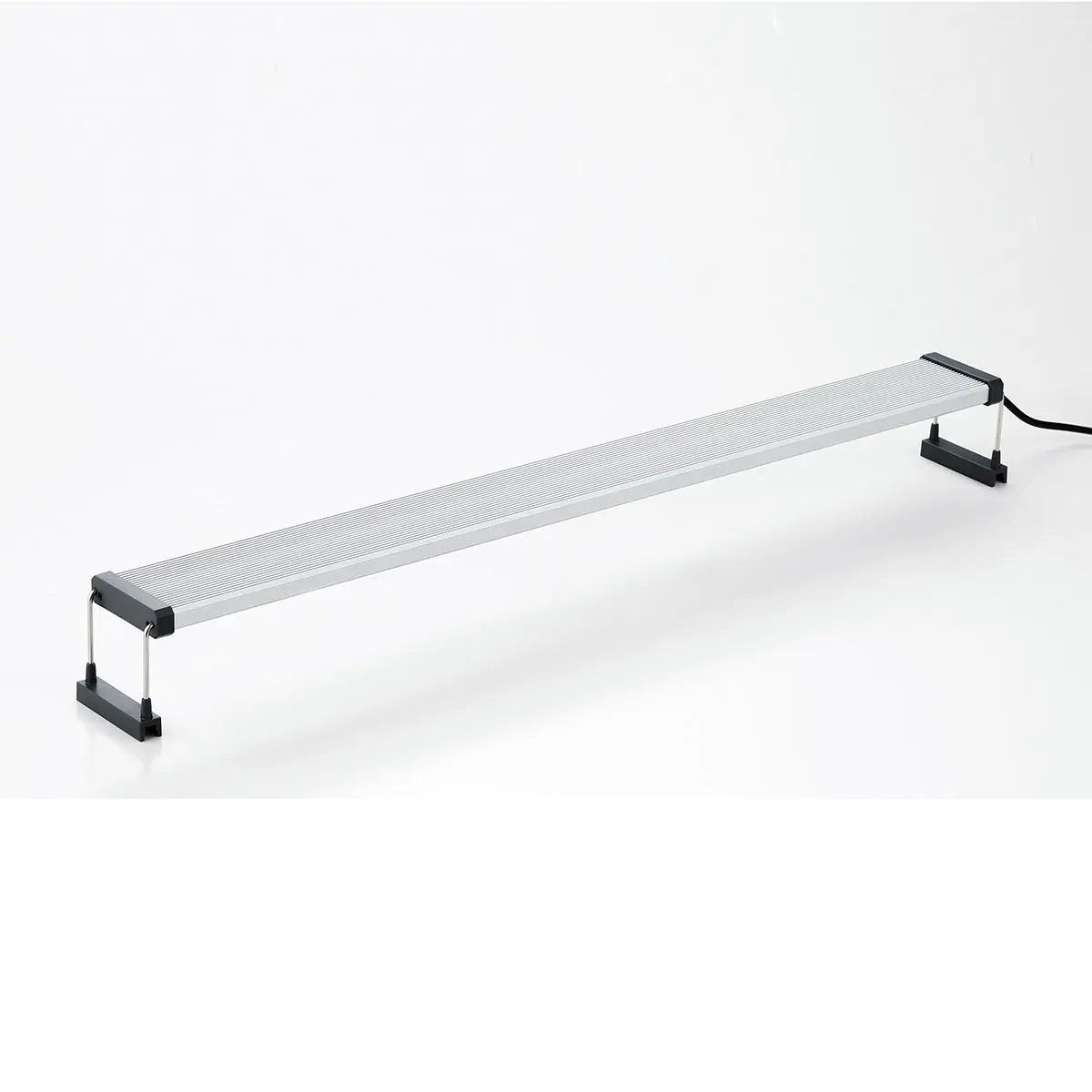
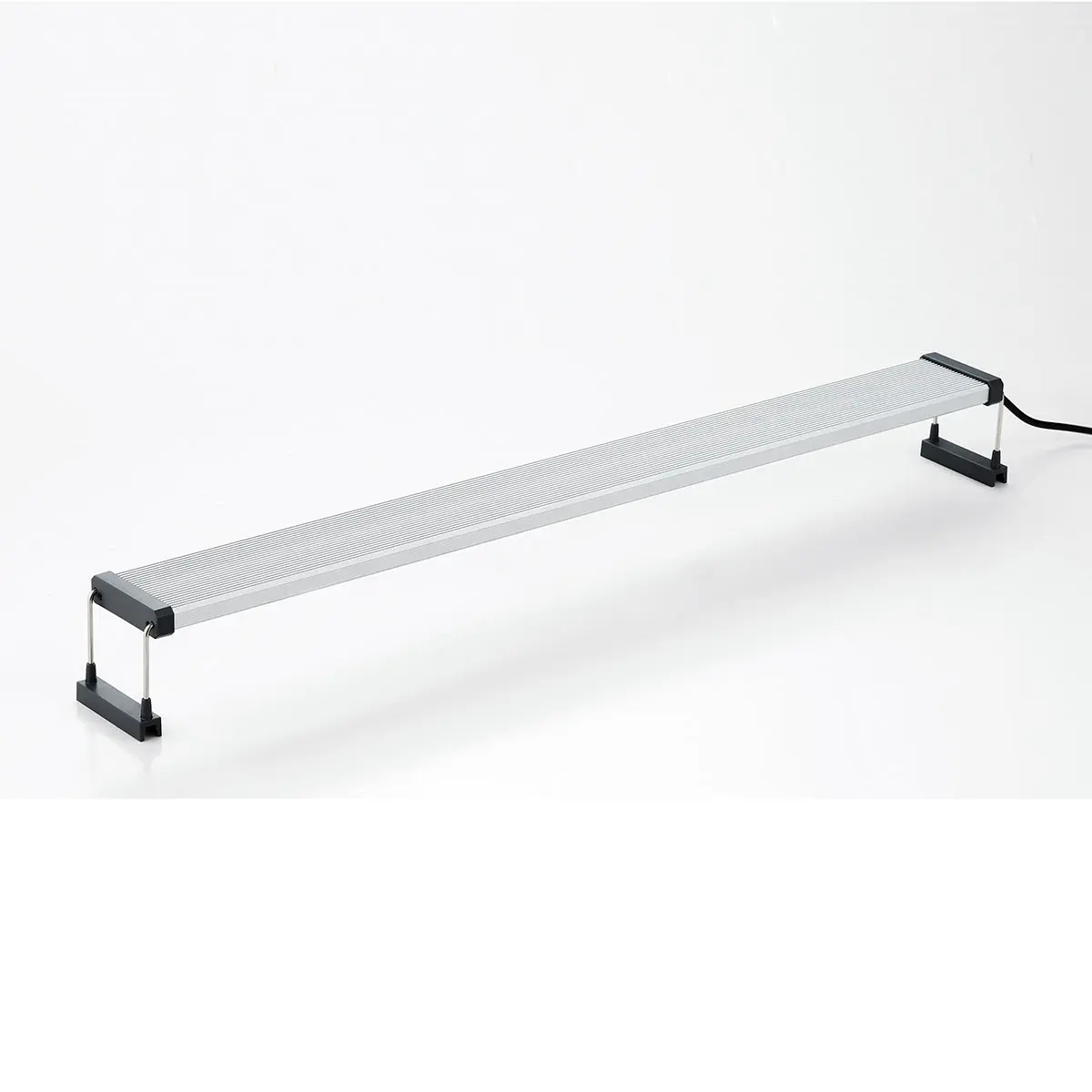
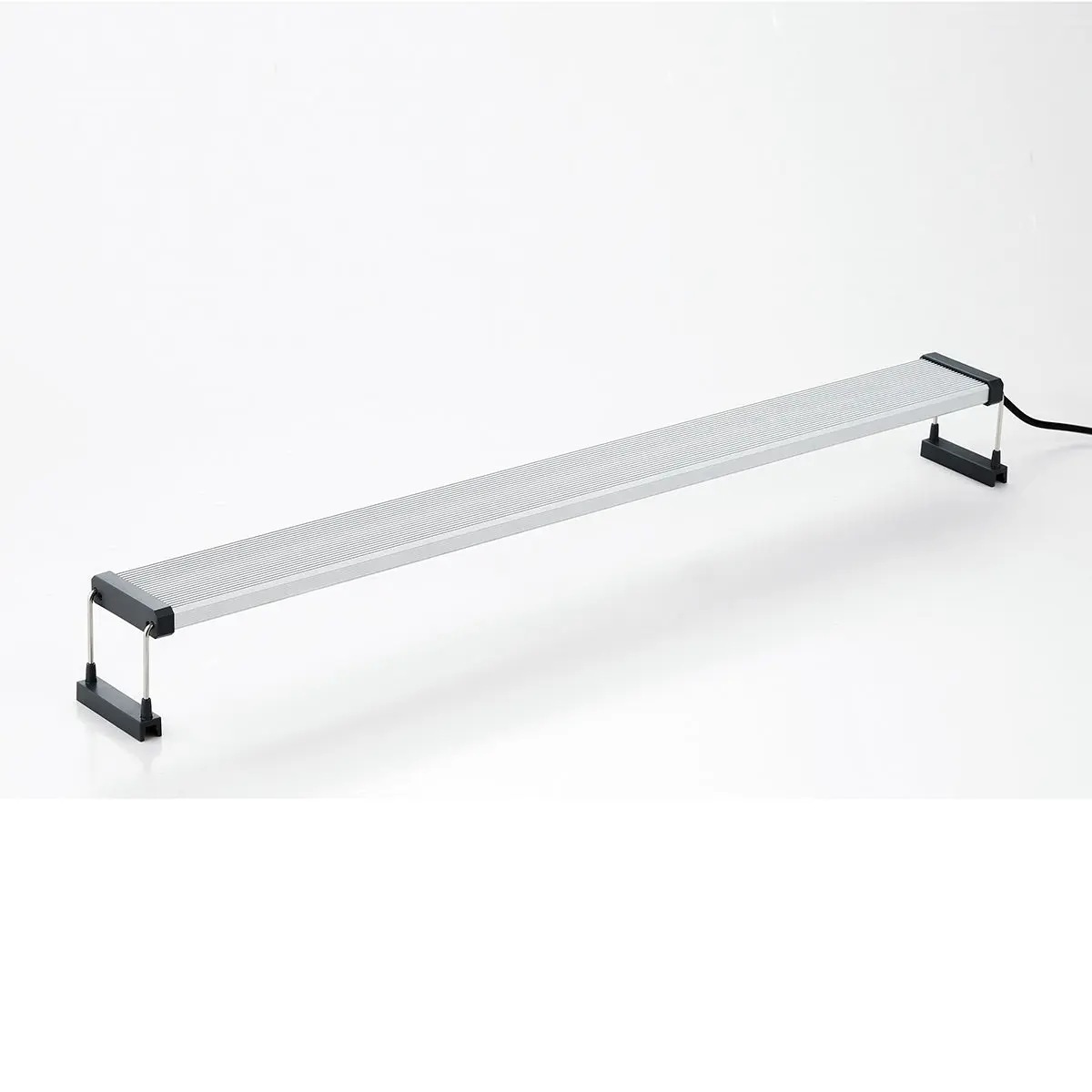
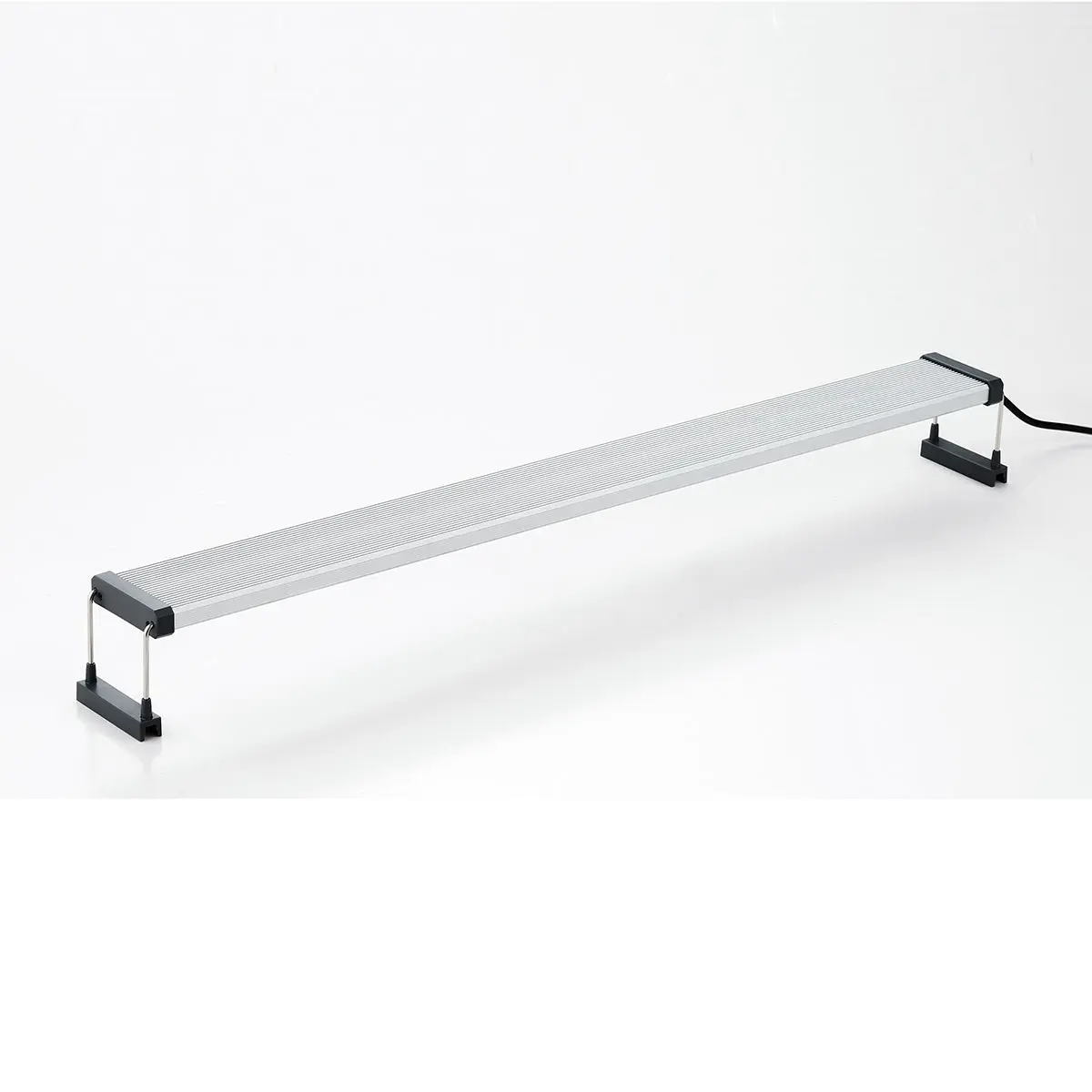
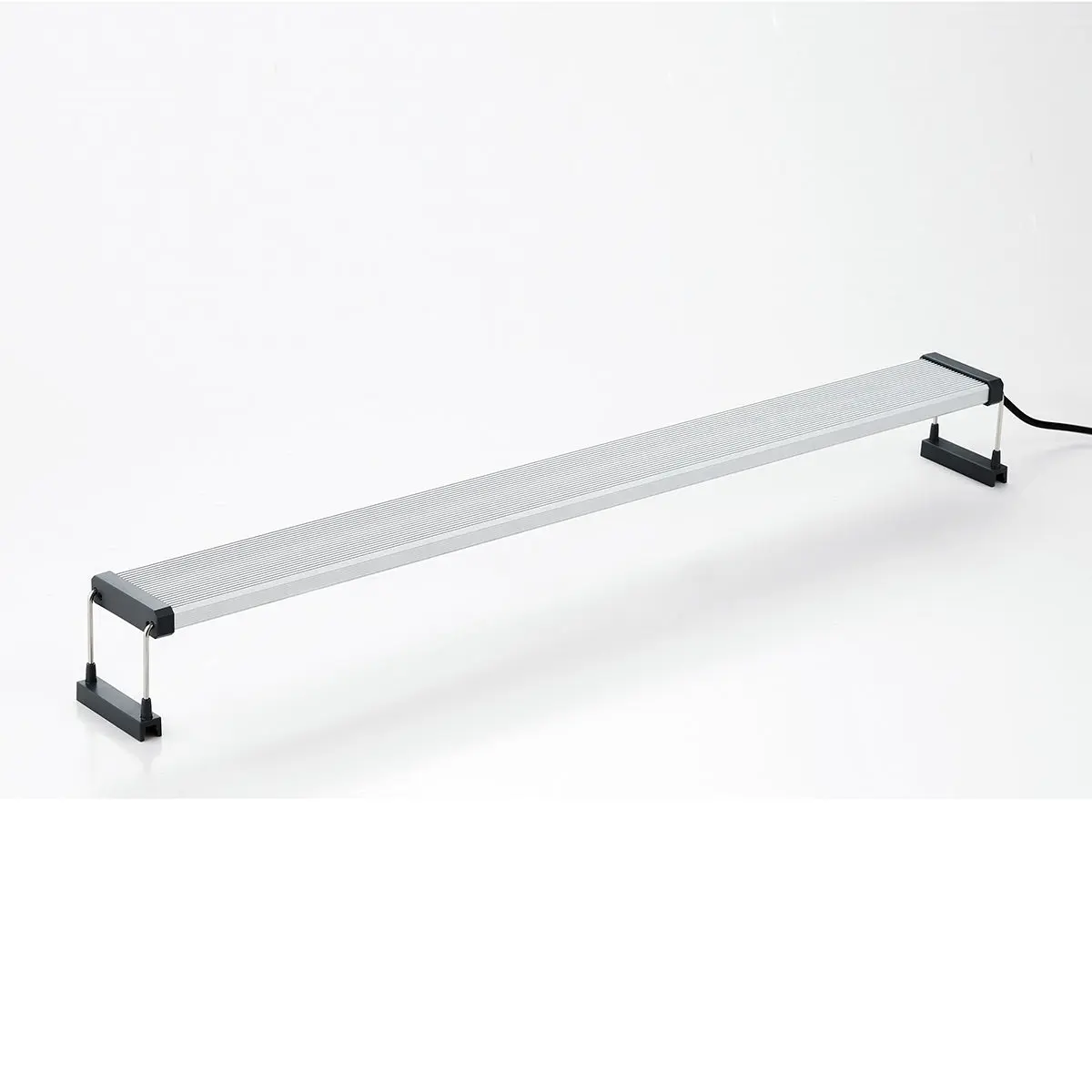
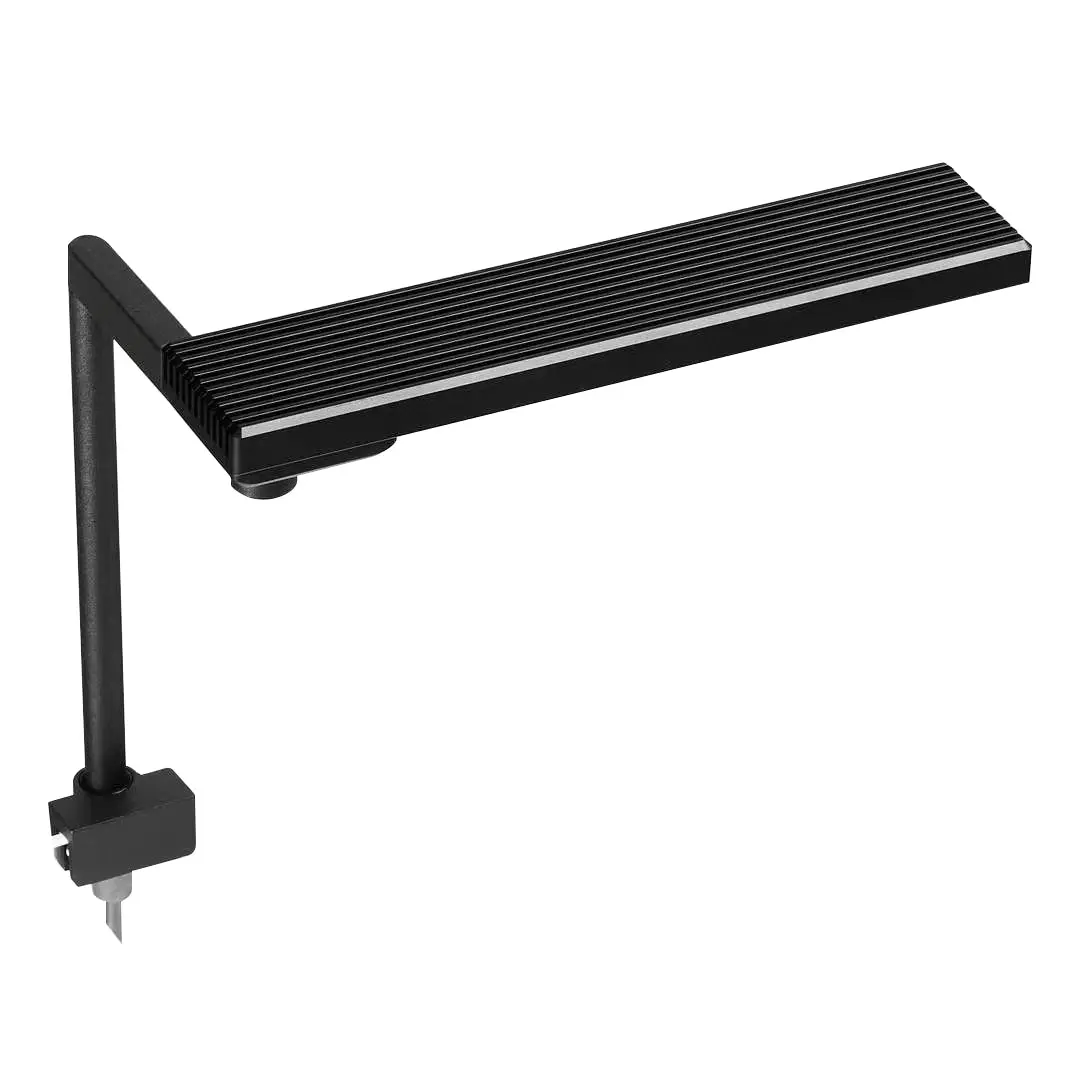
Lighting that can support this plant
Suggested from plant care level and compatibility.