

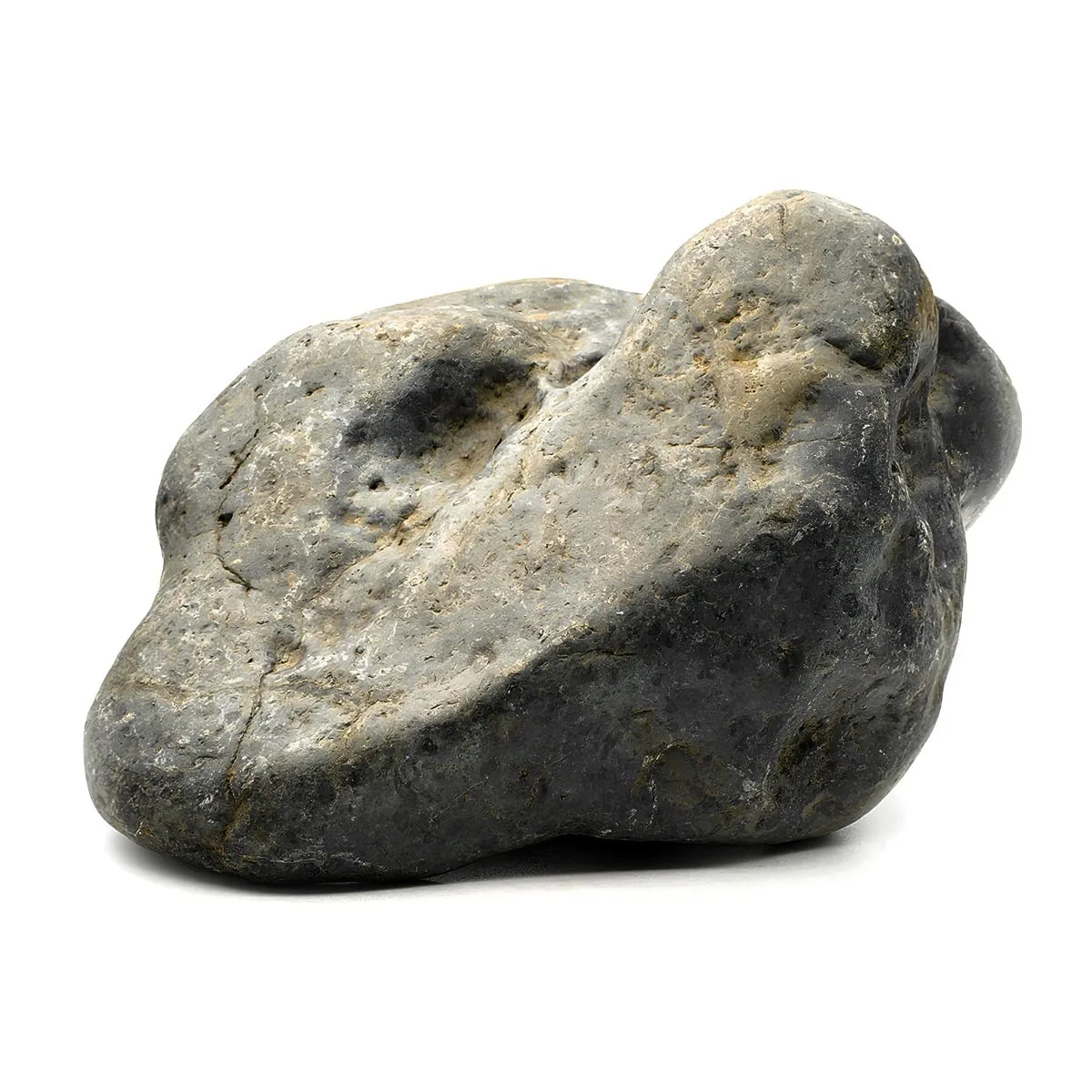
Hakkai Stone
Overview
Hakkai Stone is a stunning natural hardscape material widely used in aquascaping. Its unique textures and colors can create a striking focal point within any aquarium, enhancing both freshwater and marine environments. The stone's irregular shapes and rustic appearance lend themselves to a variety of aquascaping styles, making it a versatile choice for hobbyists.
Key Features
- Natural Aesthetic: Hakkai Stone offers a natural look that mimics real-world rock formations, contributing to a more authentic underwater landscape.
- Variety of Shapes: Its unique, uneven surfaces allow for creative arrangements and layering in your aquarium setup.
- Compatibility: Suitable for both freshwater and marine aquariums, making it an excellent choice for a range of aquatic environments.
- Stable Base: Provides a sturdy foundation for planting aquatic flora, allowing for the establishment of a thriving ecosystem.
Ideal Use Case
Hakkai Stone is perfect for aquarists looking to create a natural biotope. Its rugged appearance works well in aquascapes designed to mimic riverbeds, rocky outcrops, or mountainous regions. Ideal for both beginners and experienced hobbyists, it allows for endless design possibilities.
Setup Tips
- Placement: Before placing Hakkai Stone in your aquarium, consider the overall layout. Create focal points by clustering stones together.
- Cleaning: Rinse the stones thoroughly with water to remove any dust or debris prior to adding them to your tank.
- Layering: Use a combination of smaller and larger stones to add depth and dimension to your aquascape.
Maintenance
Hakkai Stone is low maintenance once set up. It does not break down or degrade in water, ensuring it remains a permanent part of your aquascape for years. Regular maintenance includes rinsing the stones to prevent algae buildup and ensuring that the surrounding substrate and plants are kept healthy.
In conclusion, Hakkai Stone is an exceptional choice for aquascapers who seek not just functionality, but also an artistic element in their aquatic environments. Its natural charm and versatility make it a staple in the aquarist's toolkit.